


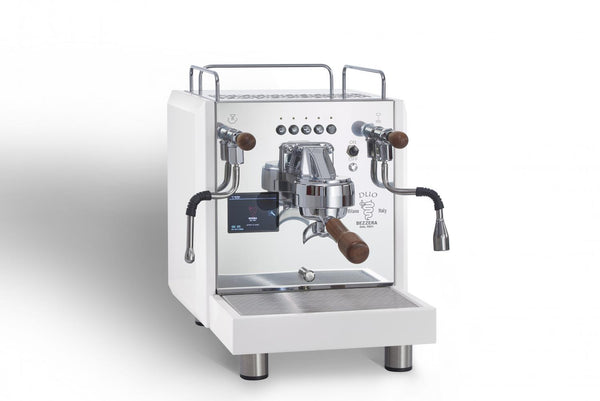
DUO
2 models

- Bauart
- Dualboiler
- Brühgruppe
- BZ-Brühgruppe, Faema E61
- Bezug
- Manuell
- Suited to
- Anfänger, Büro
DE · MN
Show DUO →By flavour
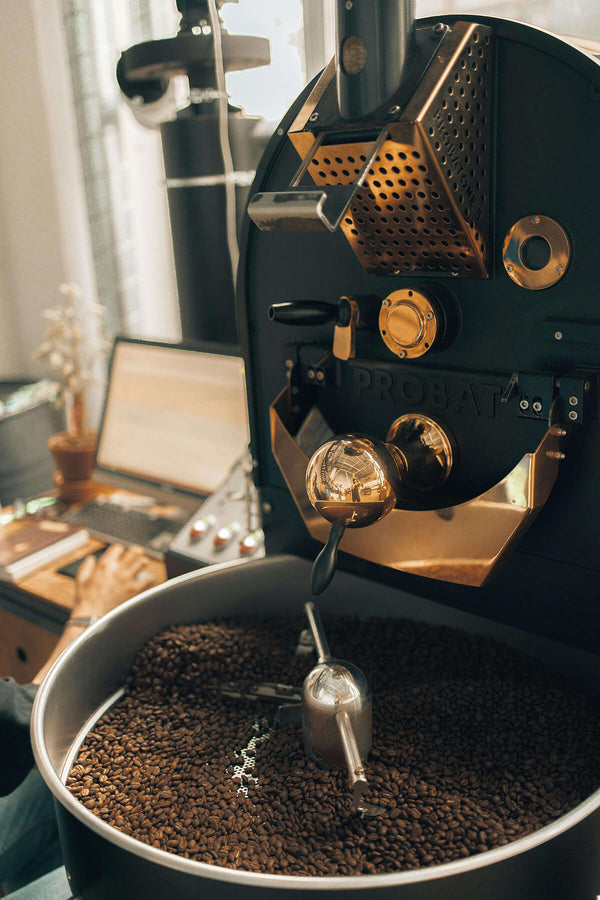 Always freshCoffee subscriptionFreshly roasted and delivered automatically.View →
By use
More affordable
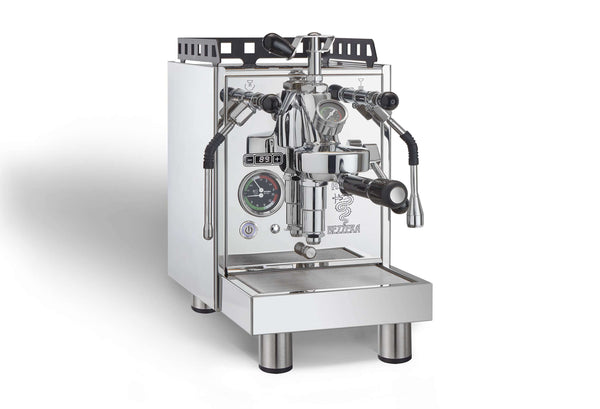 Inspected & discountedDisplay items & B-stockInspected machines at a discount.View →
By use
By technology
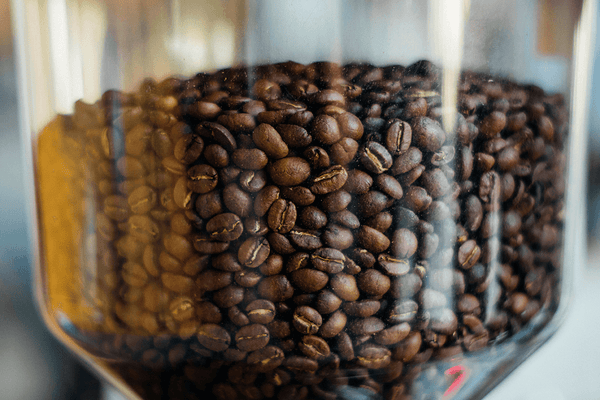 From the magazineThe best grinders up to €500Hopper grinders for espresso compared.View →
Popular
Care & water
Refine
 New: setsWiedemann SetsBarista and finishing sets in a single wood type, up to 7% cheaper.View →
Who it's for
Terms
PersonalOffer for your teamMachine, grinder and beans from a single source.View →
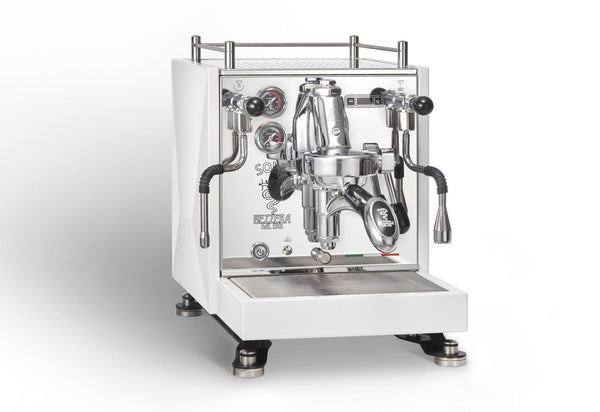
Bezzera dates back to Luigi Bezzera, who patented the first espresso machine in 1901. To this day it is manufactured entirely in its own factory near Milan, from the entry level model for home use to machines for the hospitality industry.
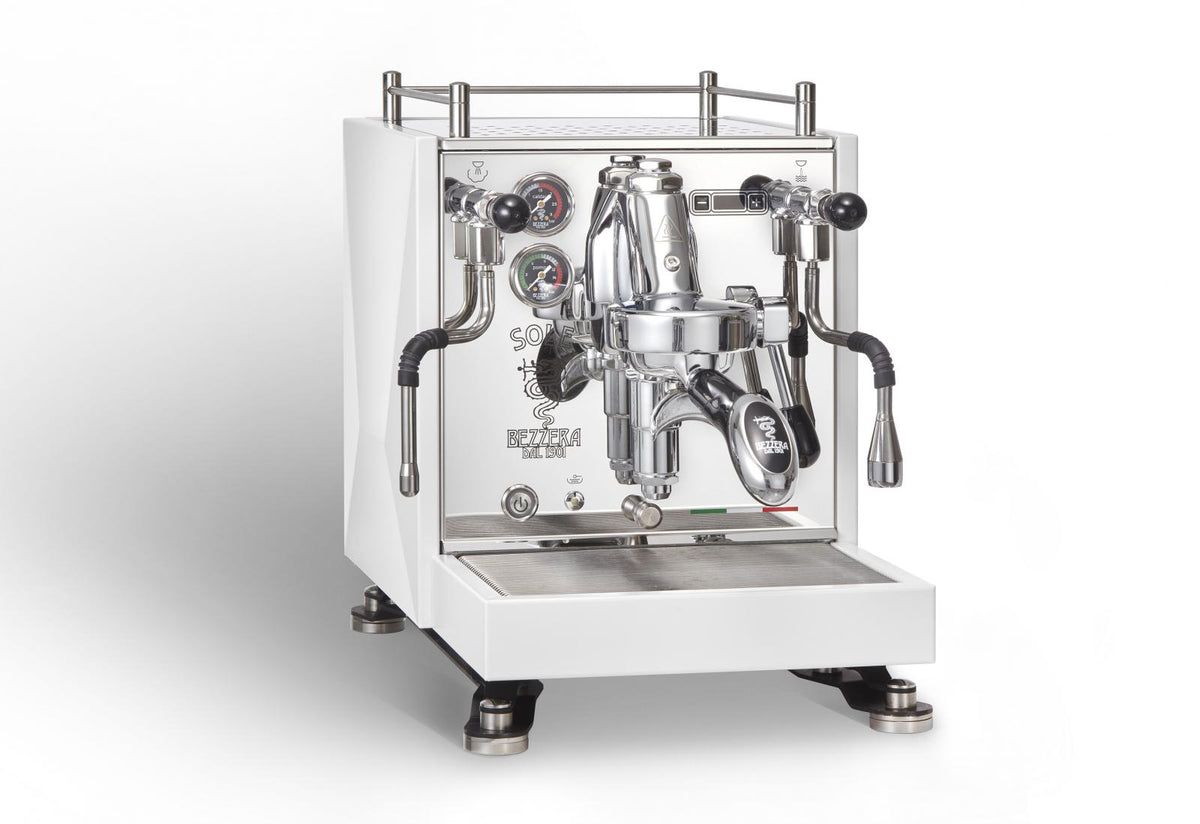


 Welche Bezzera passt zu dir?Alle Modelle im Vergleich, von Unica bis Duo.Zum Ratgeber




Die meistgekauften Reihen im Vergleich. Die Zahlen gelten für die ganze Reihe, nicht für ein einzelnes Gerät.
DE · MN
Show DUO →

Top PID MN · Top PID Fast Heat Inox · Top PID MN
Show Sole →


Top MN PID · S MN · Classic MN · Top Fast Heating
Show Aria →Wöchentlich frisch geröstet. Zu jeder Mühle die passende Mahlempfehlung.
Alle Kaffeebohnen in unserem Angebot sind Bio.
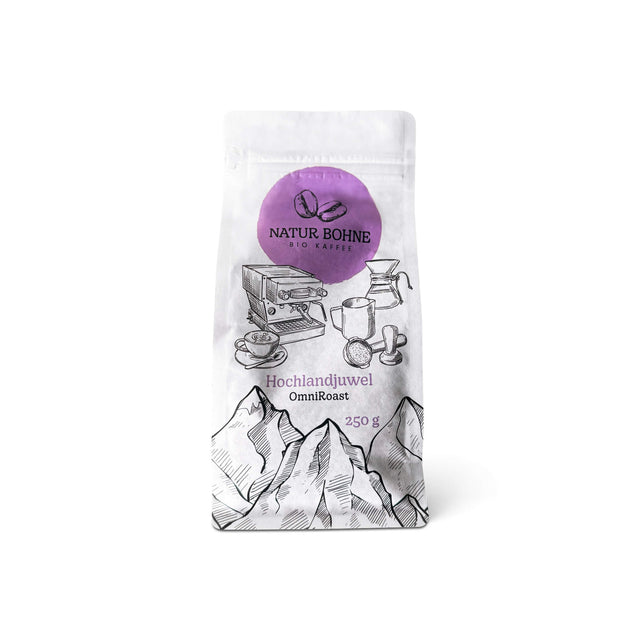 Hochlandjuwel organic coffee Ethiopia Guji, Natural
Tastes like berry compote with a chocolate finish. Rosehip and cherry on the initial sip, followed by pronounced blueberry, wit...
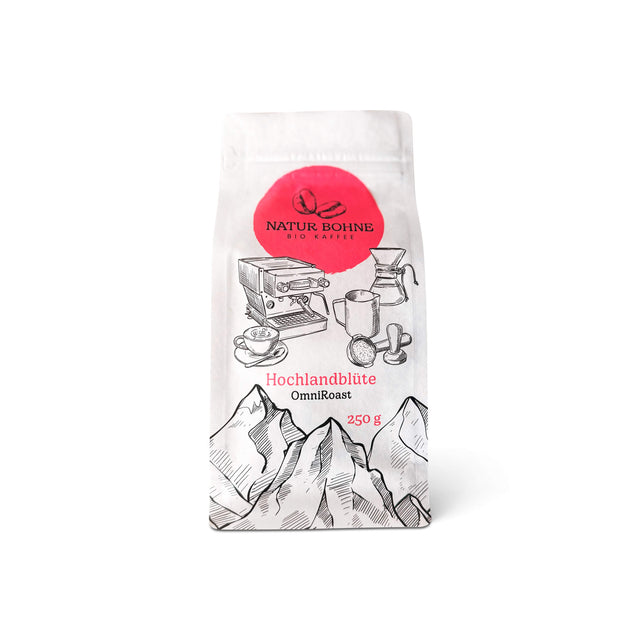 Hochlandblüte Organic Coffee Ethiopia Sidamo, Washed
Floral on the first sip, followed by bright fruit with notes of red berries and cherry, finishing clean and sweet. A washed Eth...
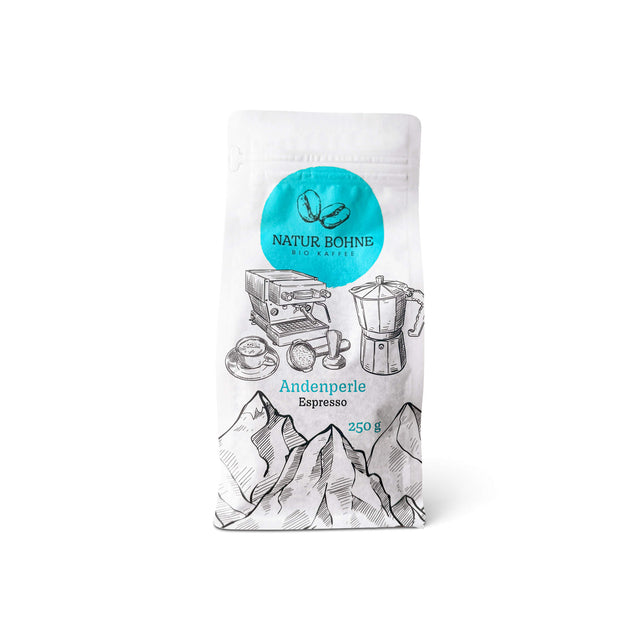 Andenperle Bio Espresso aus Peru, Villa Rica
Mild and nutty on the attack, with almond and caramel, followed by a fine citrus note. The body is medium and soft, the acidity...
Versandkostenfrei ab 49 Euro, in Deutschland.

Bezzera steht für traditionelle Espressotechnik aus Italien, oft mit E61-Brühgruppe, stabiler Temperaturführung und einem Workflow, der sich wie „echtes Barista-Handwerk“ anfühlt. In dieser Kollektion findest du ausgewählte Bezzera Siebträger, vom kompakten Zweikreiser bis zur Komfort-Variante für häufige Milchgetränke.
Bezzera-Modelle unterscheiden sich in der Praxis vor allem über System (z. B. Zweikreiser), Pumpentyp (Vibration vs. Rotation), Aufheiz-/Komfort und die Frage, wie oft du Milchgetränke zubereitest.
Wenn du unsicher bist: Sag uns kurz „wie viele Getränke/Tag“, „Milchanteil“ und „Lärm wichtig?“, dann empfehlen wir dir die passende Richtung.
Achte auf Dampfleistung und einen wiederholbaren Workflow (Kännchen, Temperatur, Routine).
Bei klassischen Siebträgern gewinnt meistens nicht die „perfekte Theorie“, sondern ein sauberer, wiederholbarer Ablauf. Mit wenig Zubehör kannst du Konstanz massiv verbessern.
Mühlen-Empfehlung (Hersteller): Fiorenzato, Mahlkönig, Eureka. Zur Mühlen-Kollektion
Damit du die Modelle besser vergleichen kannst, hier die wichtigsten Begriffe in „Shop-Deutsch“:
Wichtig: Der größte Geschmackshebel bleibt fast immer Mahlgrad + Workflow, nicht „noch ein Feature“.
Espresso brühen & Milch schäumen parallel, ideal für Cappuccino.
Klassischer Hebel-Workflow, viel Metallmasse, braucht Zeit zum Aufheizen, liefert dafür oft stabile Ergebnisse.
Bewährte Technik, meist günstiger, Geräusch im Betrieb deutlicher wahrnehmbar.
Häufig leiser, „konstanter“ im Gefühl, beliebt bei häufiger Nutzung/offener Küche.
Wer seine Maschine kurz und regelmäßig pflegt, hat über viele Jahre konstant guten Espresso, und spart langfristig Servicekosten.
Du willst dazu ein „Pflege-Set“ oder eine kurze Empfehlung? Schreib uns, wie oft du die Maschine nutzt, dann geben wir dir eine schlanke Routine.
Siebträger ausspülen, Brühgruppe kurz reinigen, Dampflanze wischen.
Rückspülen (je nach Nutzung), Dusche/Dichtung im Blick behalten.
Passende Wasserqualität reduziert Verkalkung und erhält den Geschmack.
Further reading:Espressomühlen (wichtigster Hebel für Konstanz) · Alle Siebträgermaschinen · Espresso-Bohnen · Barista-Zubehör
Antworten aus unserer Beratung. Wenn deine Frage fehlt, schreib sie unten rein.
The Bezzera Flow Control Kit for E61 brew groups allows for manual control of the coffee water flow and features a built-in manometer to adjust the brewing pressure, which is ideal for precise pre-infusion and fine-tuning of extraction profiles. In contrast, the Flow Control Kit Quickmill may have different specific characteristics or functionalities that are not detailed in the available data. To make an accurate comparison, additional details on the specifications of the Quickmill Kit would be necessary.
The Bezzera Flow Control Kit for E61 brew groups is specifically designed for the manual control of coffee water flow during extraction. It allows for precise adjustment of brewing pressure, which is important for espresso preparation. However, its use for filter coffee preparation is not explicitly intended, as it is a product primarily aimed at the espresso sector.
Infinitely adjustable. The kit installs a regulating valve before the brew group – you turn the knob and control live how much water flows through the puck. The manometer shows you the pressure in real-time. You can start at 2 bar for pre-infusion, then ramp up to 9 bar and back down towards the end. This all happens during extraction, not programmed. For slow shots or light roasts with a long contact time, you get significantly more control than with a fixed profile.
Ja. Alle E61-Brühgruppen haben den gleichen mechanischen Aufbau, egal ob Bezzera, ECM, Rocket oder andere. Das Kit ersetzt den oberen Wasserverteiler der E61. Die Montage ist identisch, weil der E61-Standard seit Jahrzehnten unverändert ist. Du brauchst nur Inbus und einen 27er-Schlüssel. Die bebilderte Anleitung zeigt jeden Schritt. Einzige Einschränkung: Bei Maschinen mit Festwasseranschluss musst du vorher das Wasser abstellen.
With the Flow Control Kit, you can flexibly adjust the brew pressure during extraction. This allows for targeted control of the pre-infusion and extraction phases, especially with light filter roasts. As a result, you can better tailor the extraction to the specific coffee grounds and achieve a balanced cup quality.
Both technically do the same thing – stepless flow control with a pressure gauge. The difference lies in the mounting location: The Bezzera kit is designed for E61 groups, while the Quickmill kit is for their proprietary brew group. Mechanically, both are of high quality, with stainless steel valves and precise regulation. If you have an E61 machine, you should choose the Bezzera. For Quickmill machines, only their kit will work. Both are priced in the same range around 350 euros.
The kit uses durable components made of brass and stainless steel – mechanically robust for continuous use. A critical point is the seal on the regulating valve: with very high throughput (150+ shots/day), we recommend replacing it every 6–8 months. The manometer itself is maintenance-free. Important: Weekly backflushing with cleaner significantly extends the lifespan, as coffee oil residues would otherwise gum up the valve mechanics. With consistent care, the kit is designed for commercial use.
Yes, you control the pre-infusion completely manually: slowly open the valve for gentle wetting, then fully open it for the main extraction. During rush hour, you can shorten the pre-infusion to 2–3 seconds instead of the usual 5–8 seconds – the shot will then run through 5 seconds faster. However, with very fresh roasts, you risk channeling without sufficient wetting. For consistent quality under stress, you need well-trained staff who can handle the valve control instinctively.
The assembly takes 20–30 minutes and requires basic tools (wrench, Allen key). You will replace the standard flow regulator with the kit – a pictorial guide is included. Critical: After installation, the machine must be vented; otherwise, you will draw air into the shot. For commercial operations, I still recommend a technician: If installed incorrectly, you will lose brew pressure or risk leaks. Machine downtime will cost you more than the €60–80 assembly fee.
For single-origin espresso with changing roasts, flow control is worth its weight in gold: you adjust the brew pressure during extraction and bring out more nuances. With classic gastro blends (80% Robusta, dark roasted), the difference is marginal – they are optimized for 9 bar standard pressure. Real talk: if your team is under time pressure, the valve is often set to full throttle – then you only use the manometer for pressure control. The advantage then: you can immediately see if the grind is correct (7–9 bar = good, 11+ bar = too fine).
Schreib uns, wenn du dir bei der Auswahl unsicher bist. Wir rösten selbst und trinken, was wir verkaufen.