


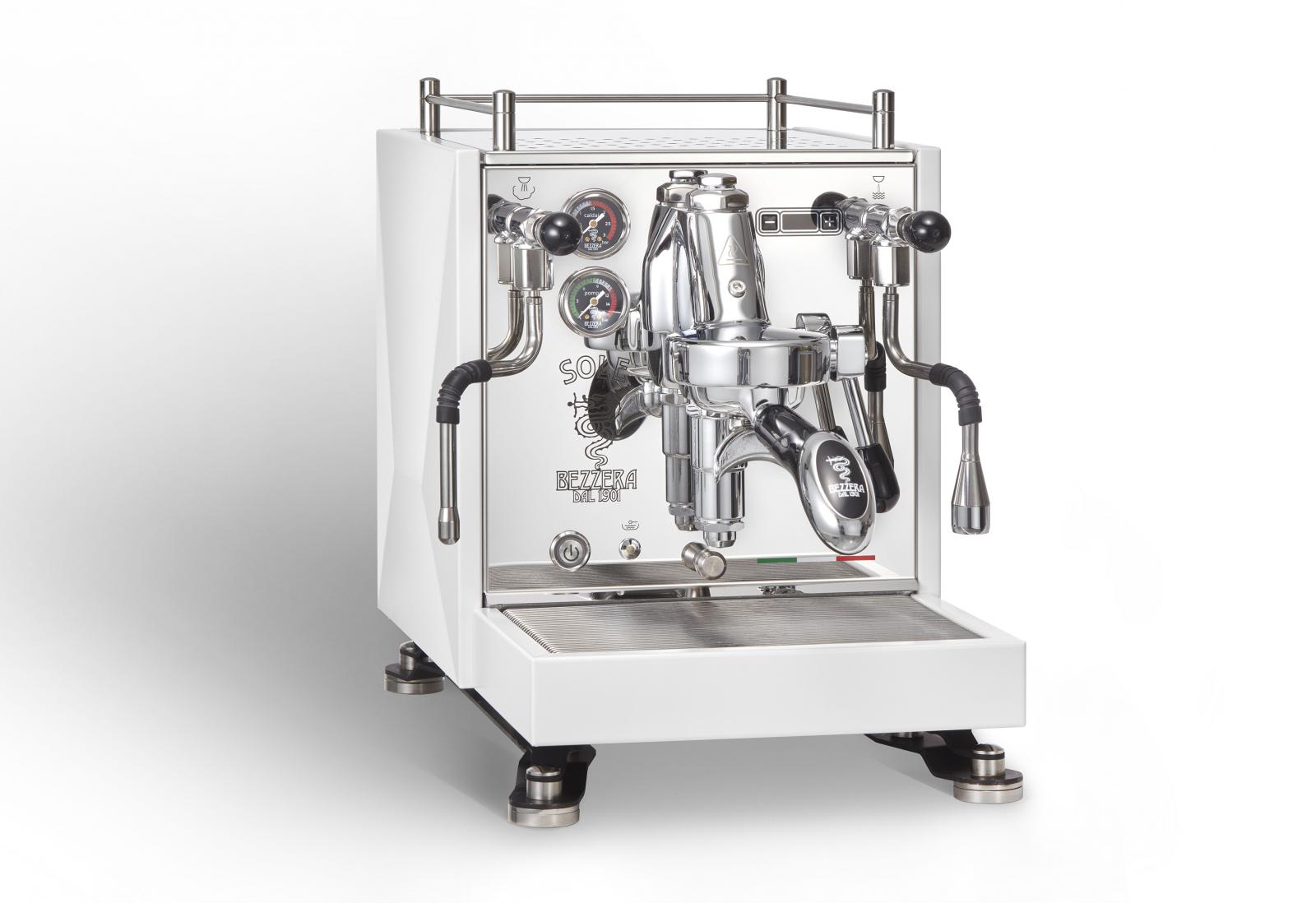
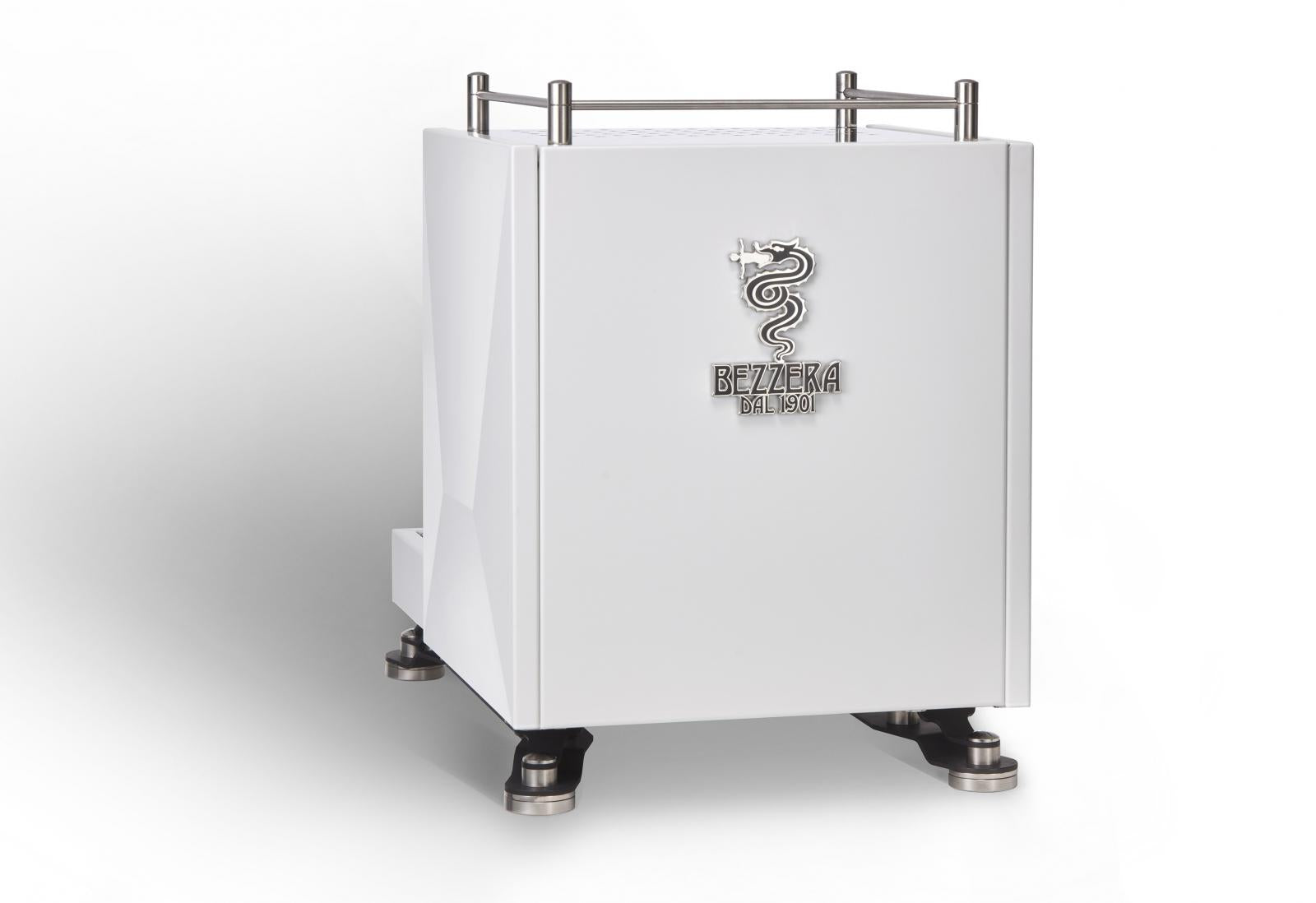
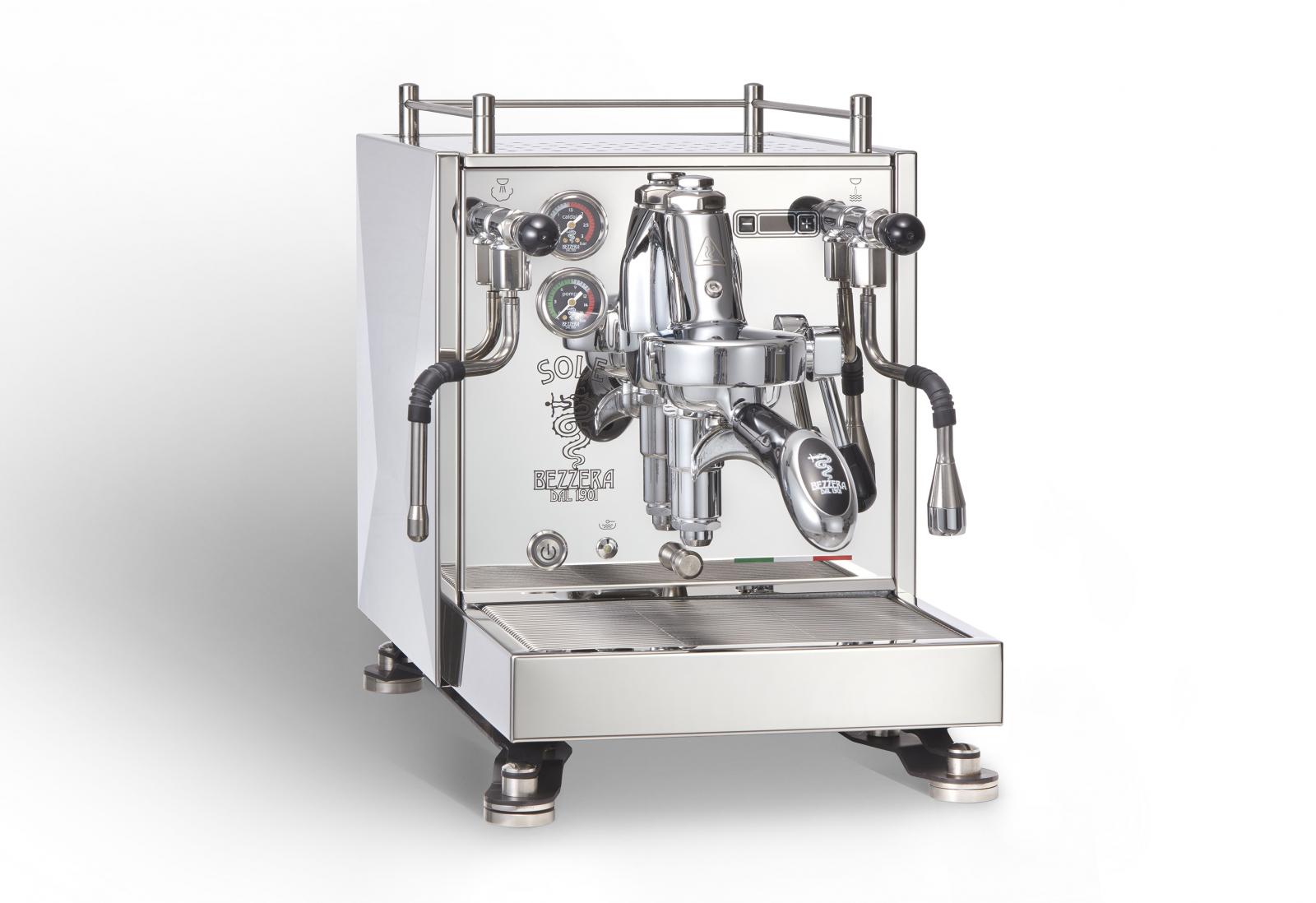
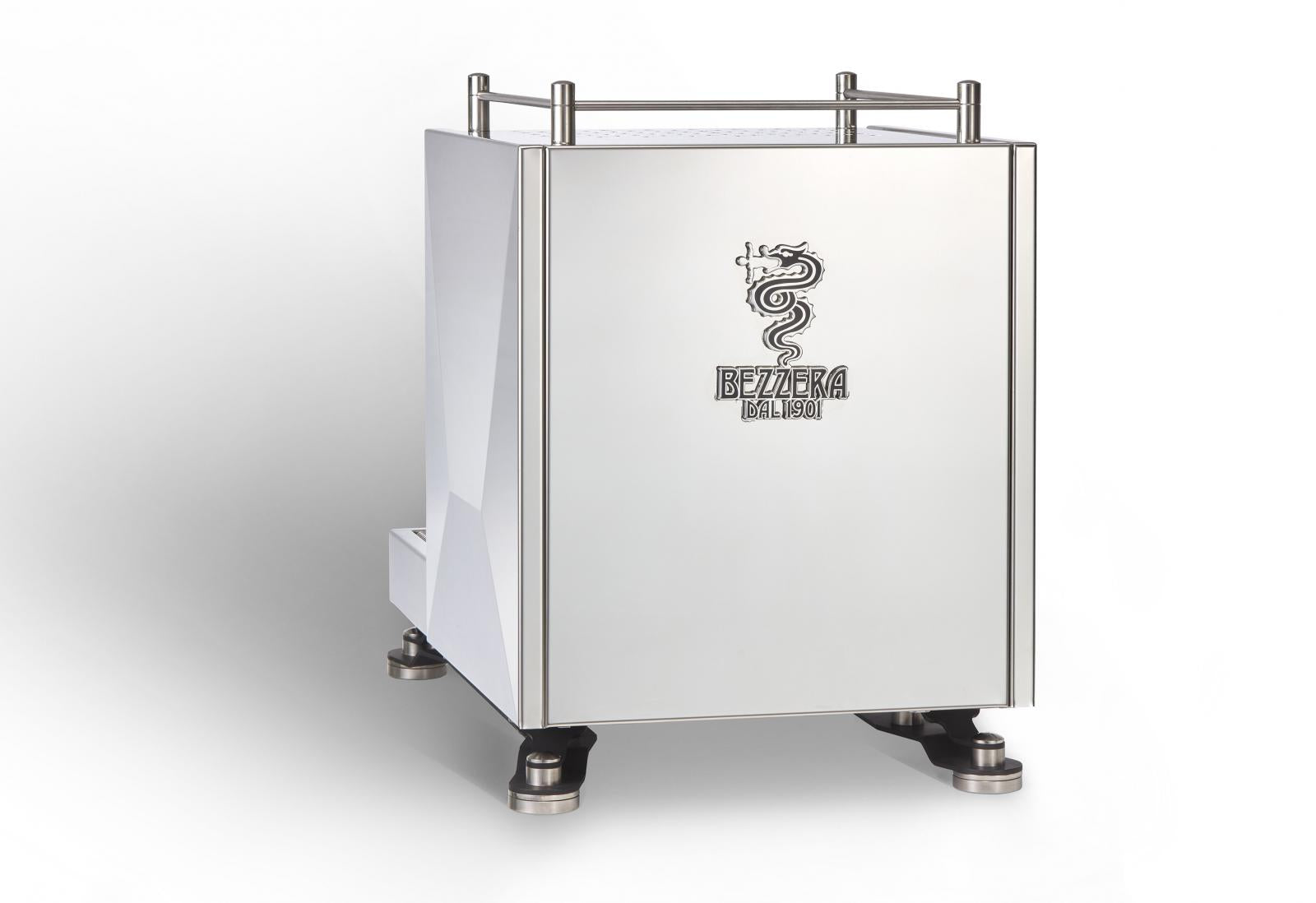
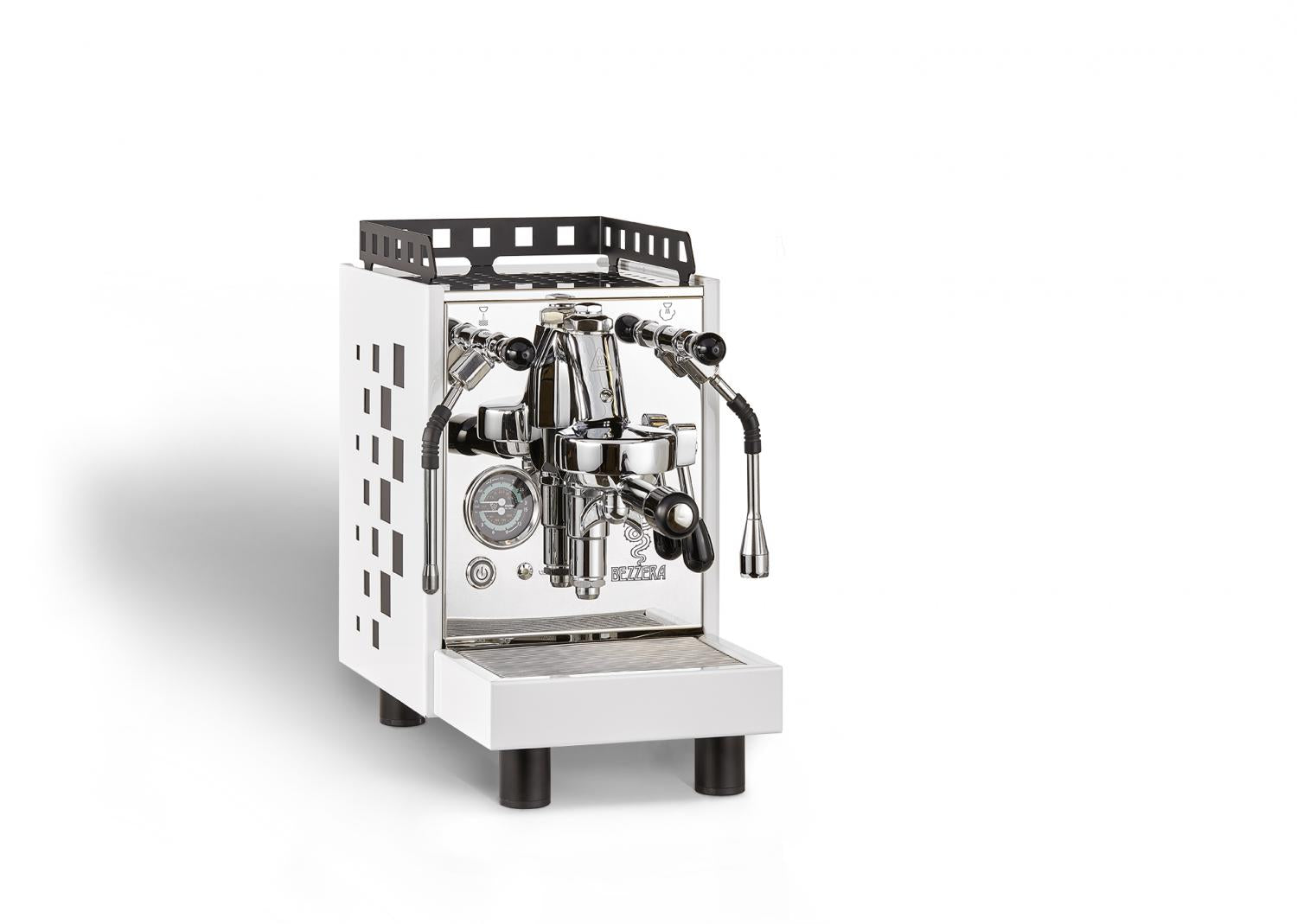
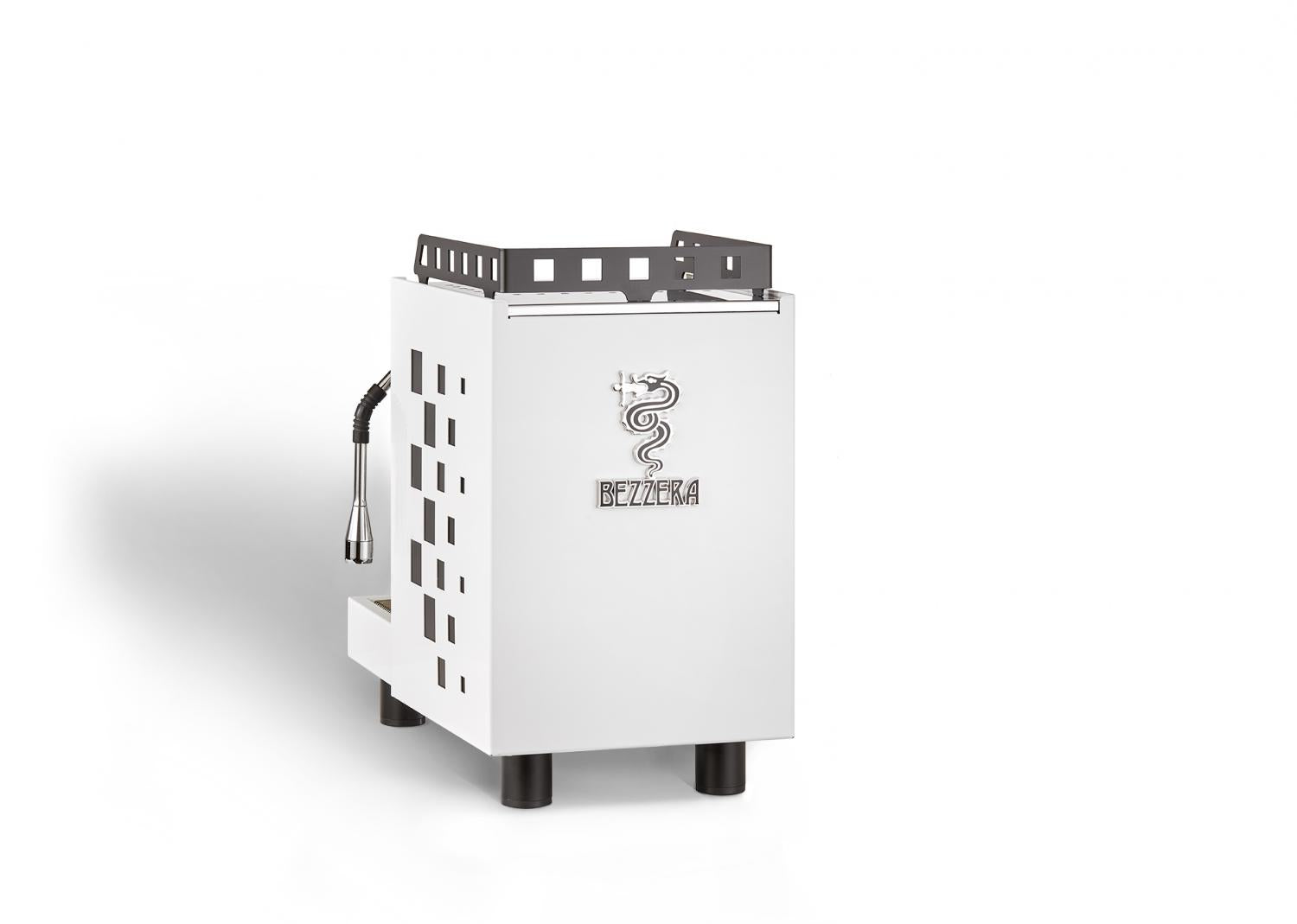
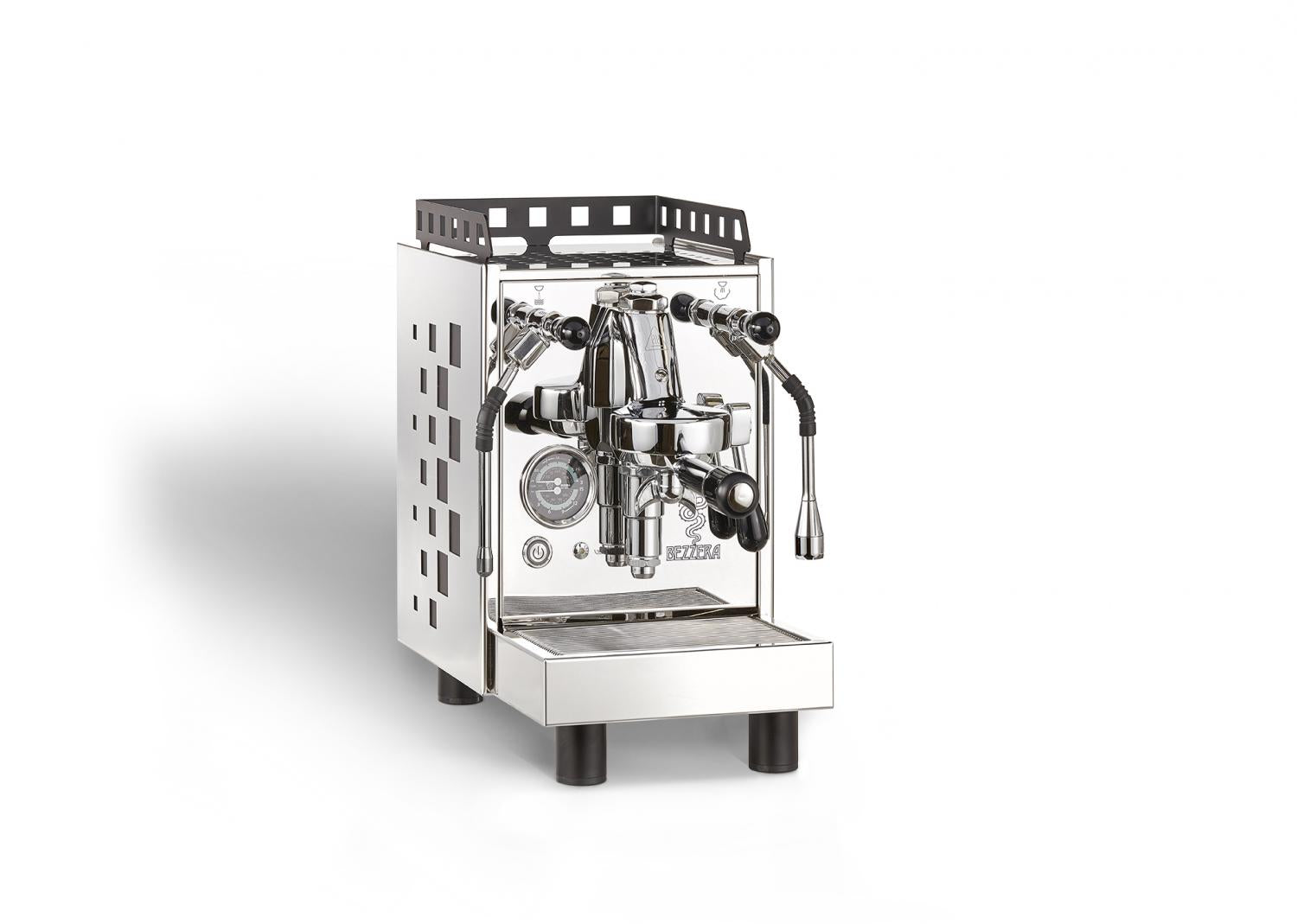
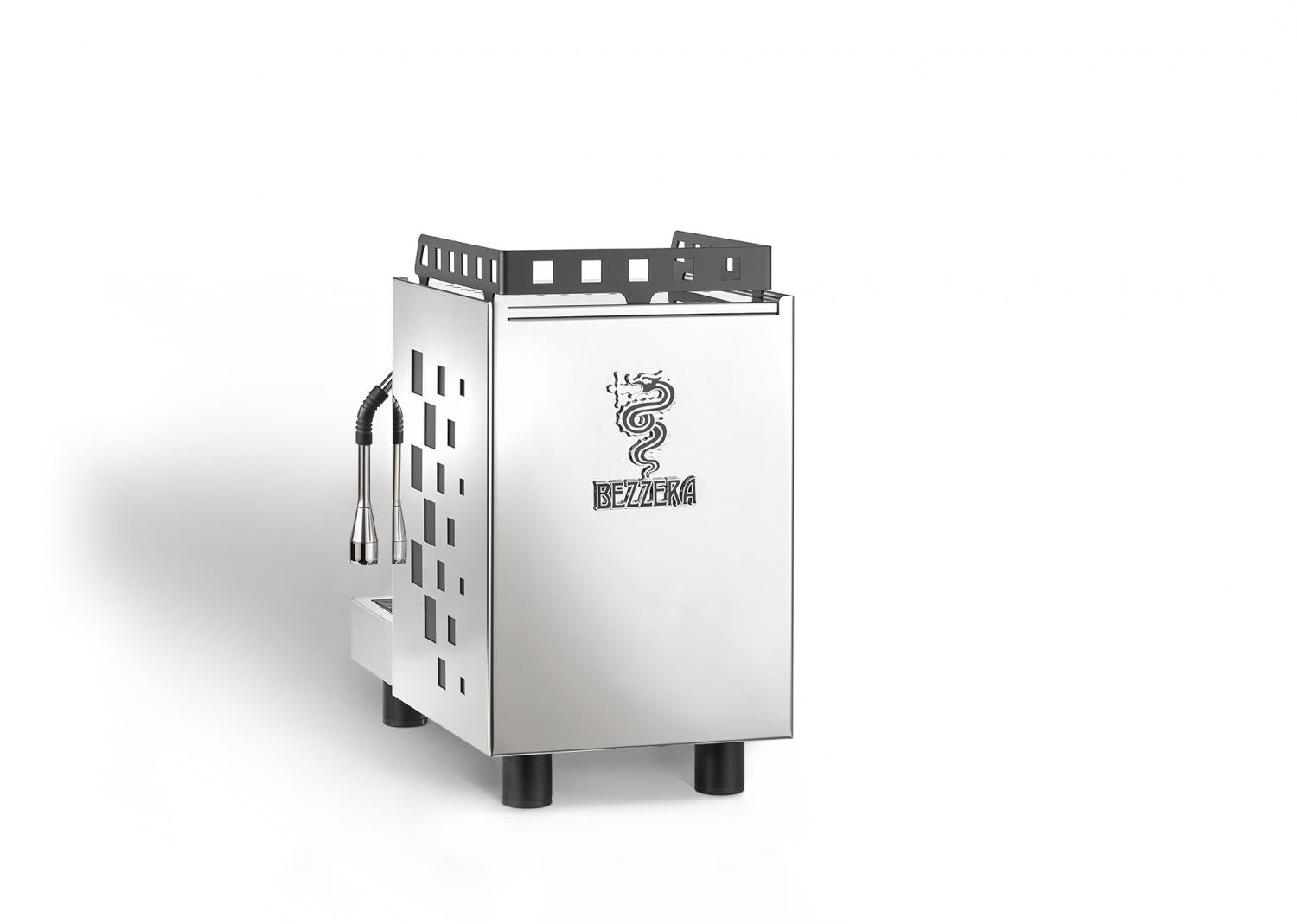


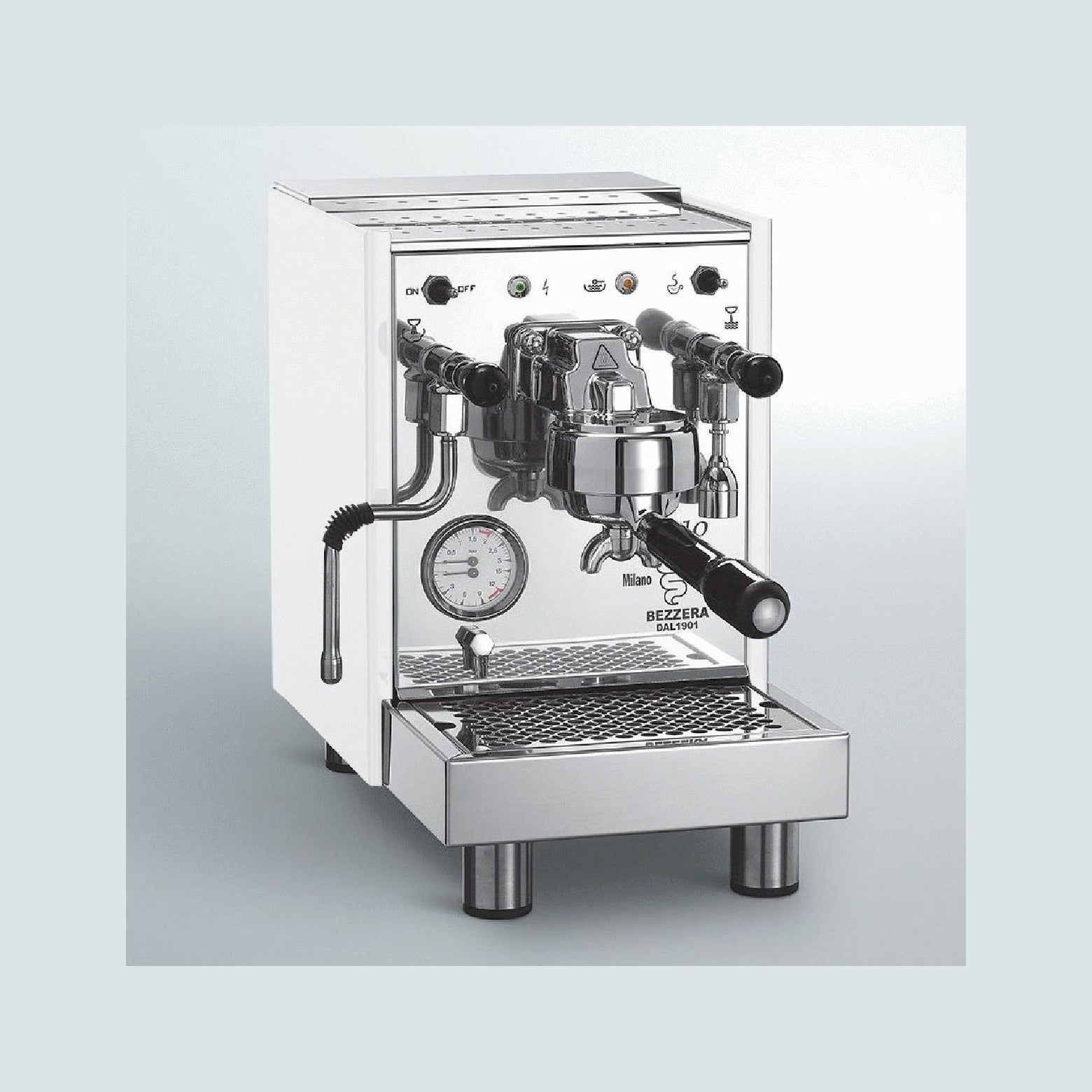
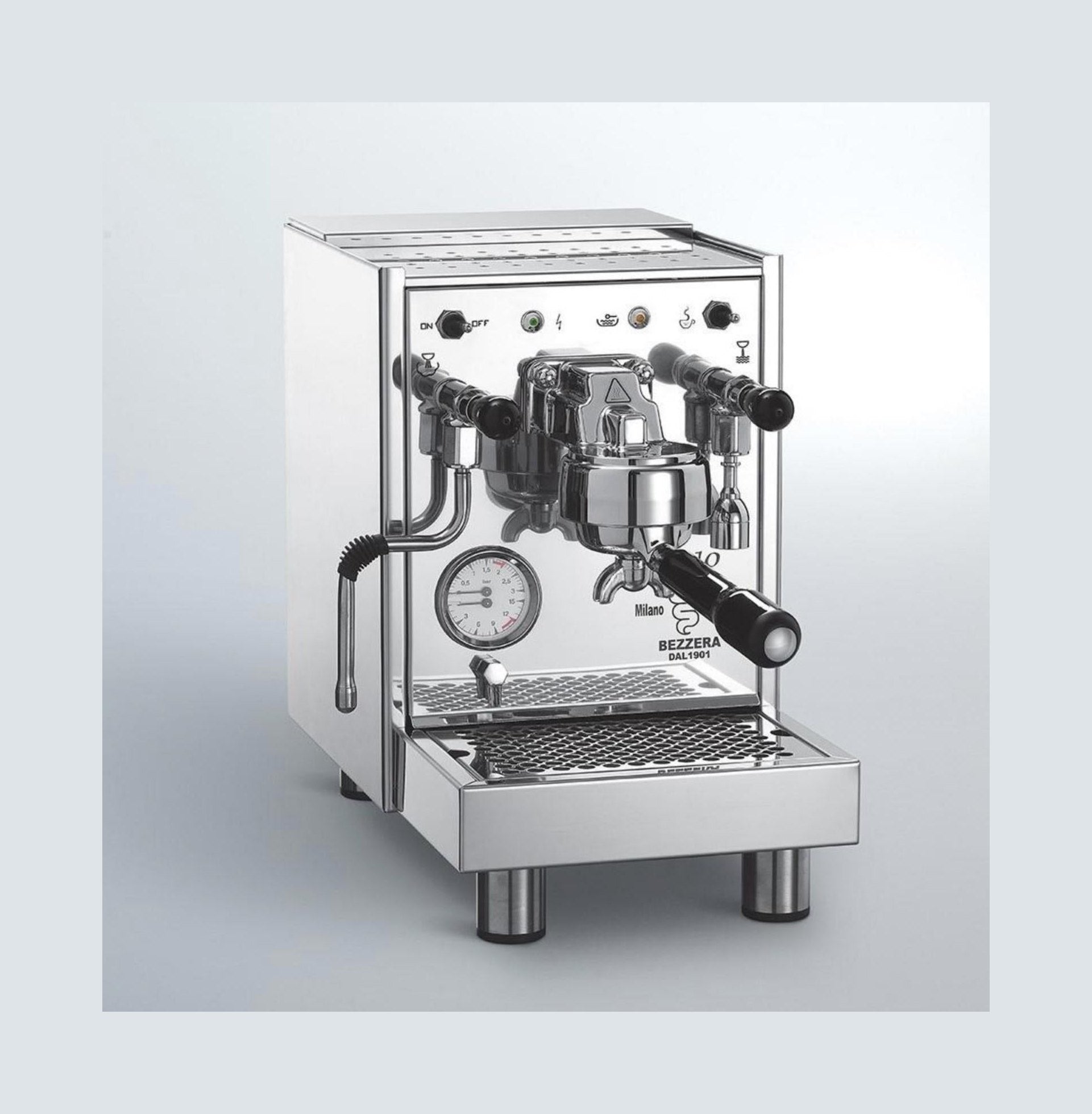
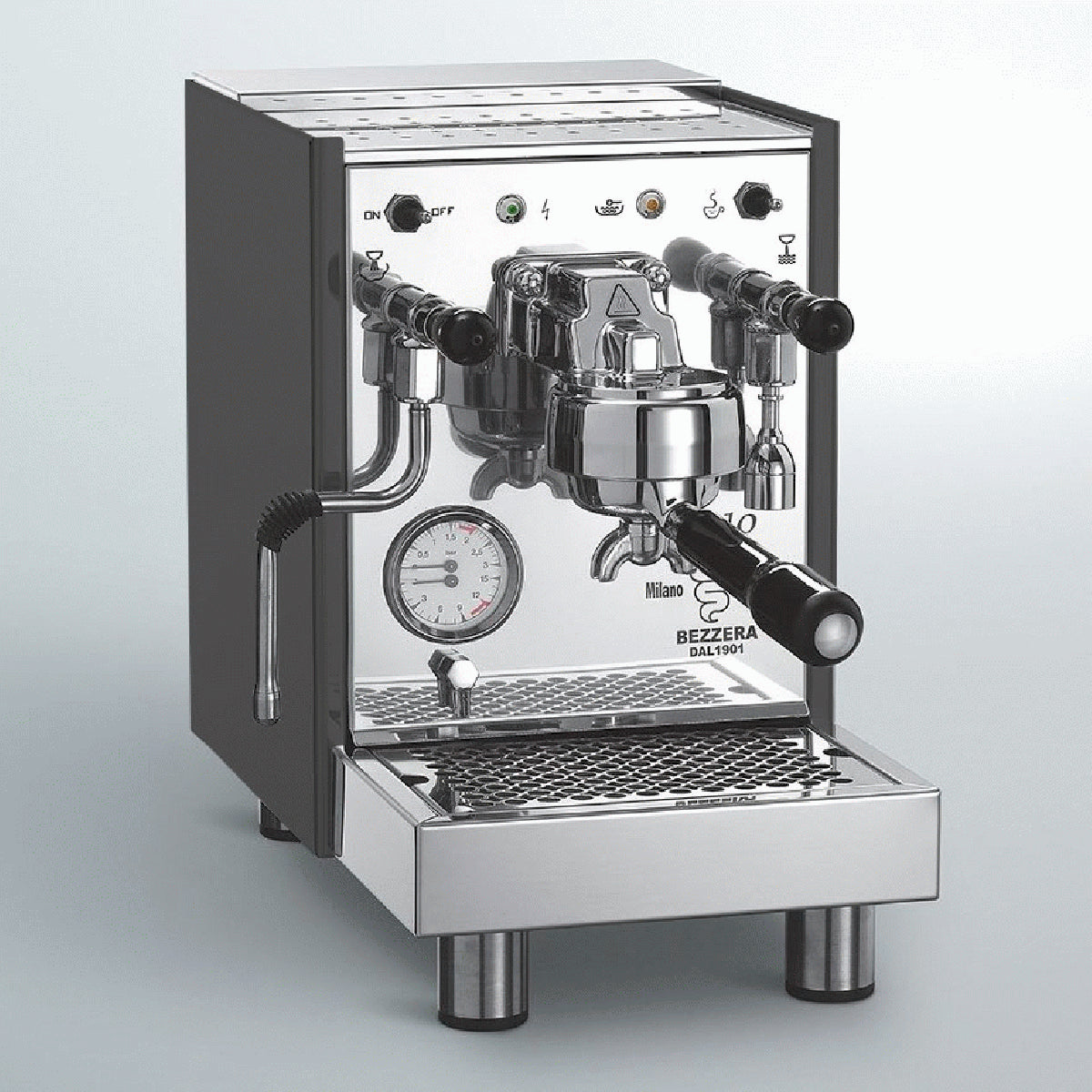
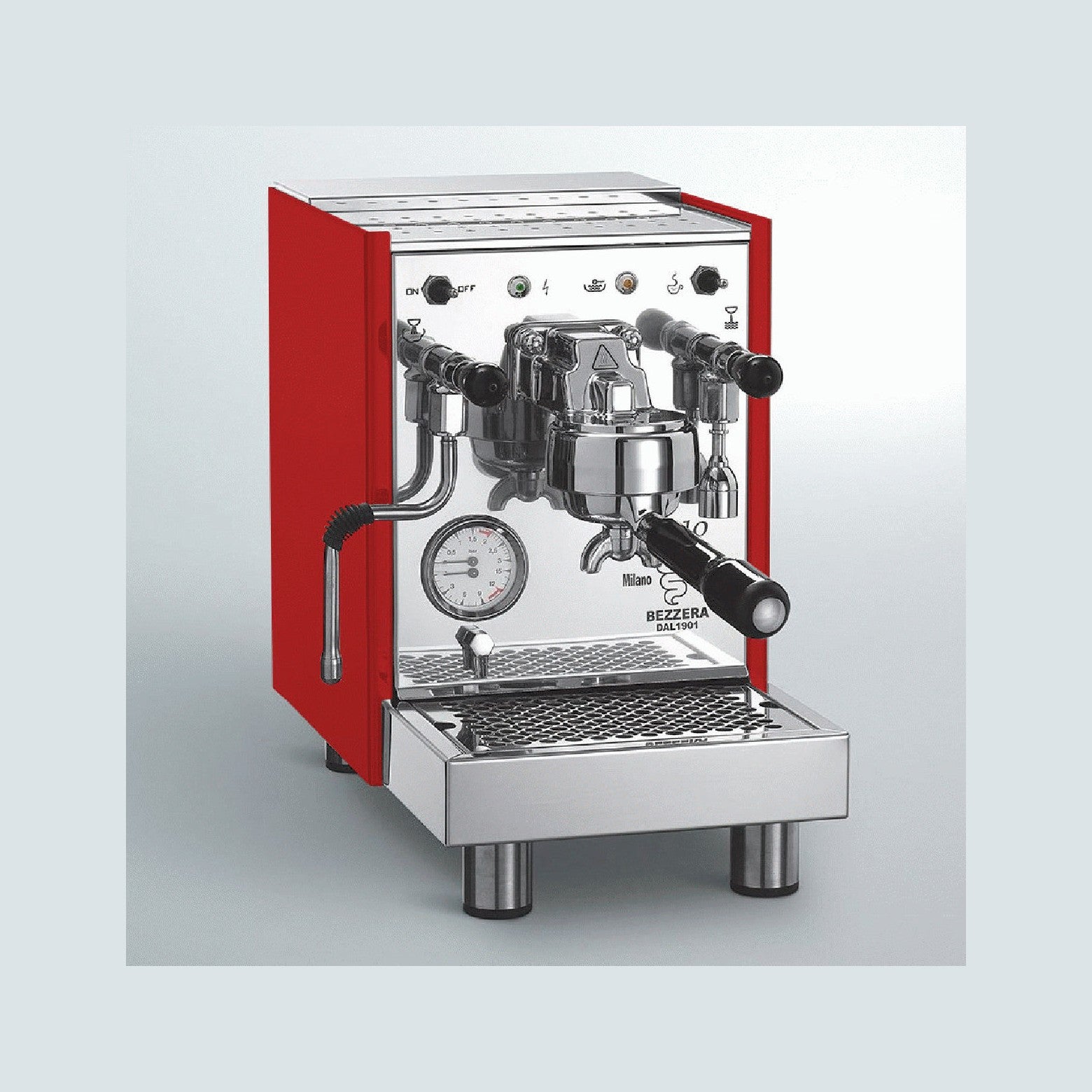
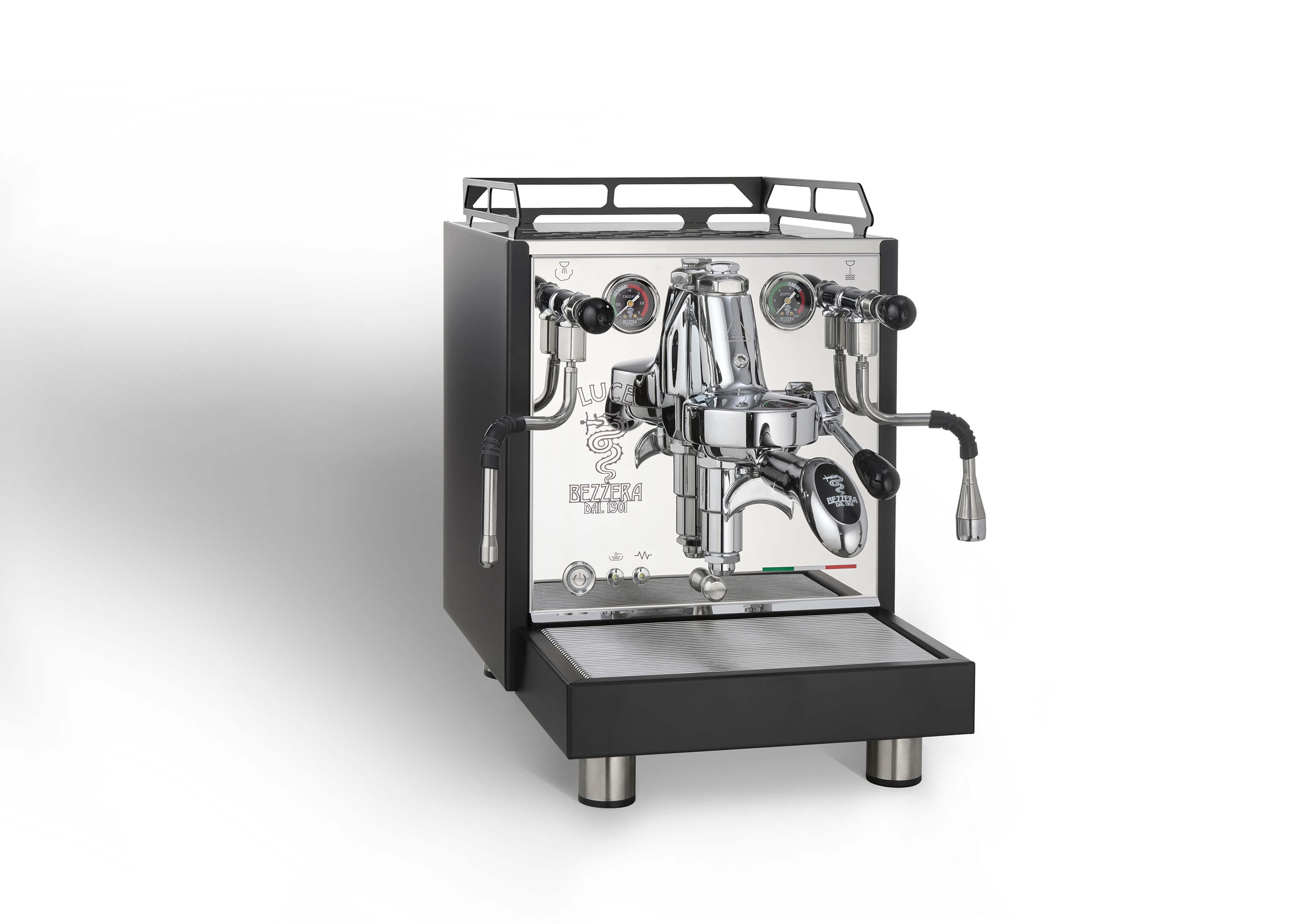
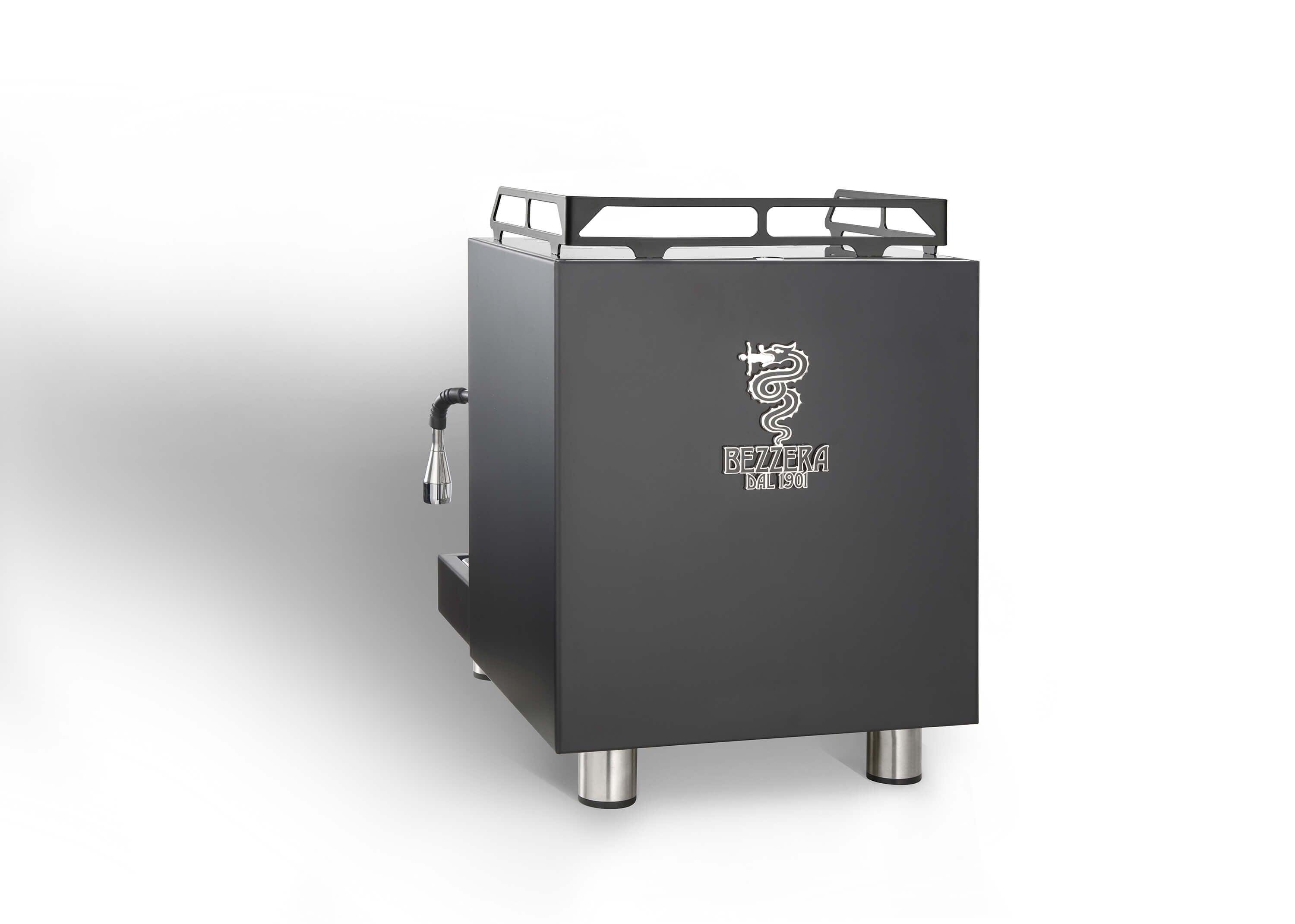
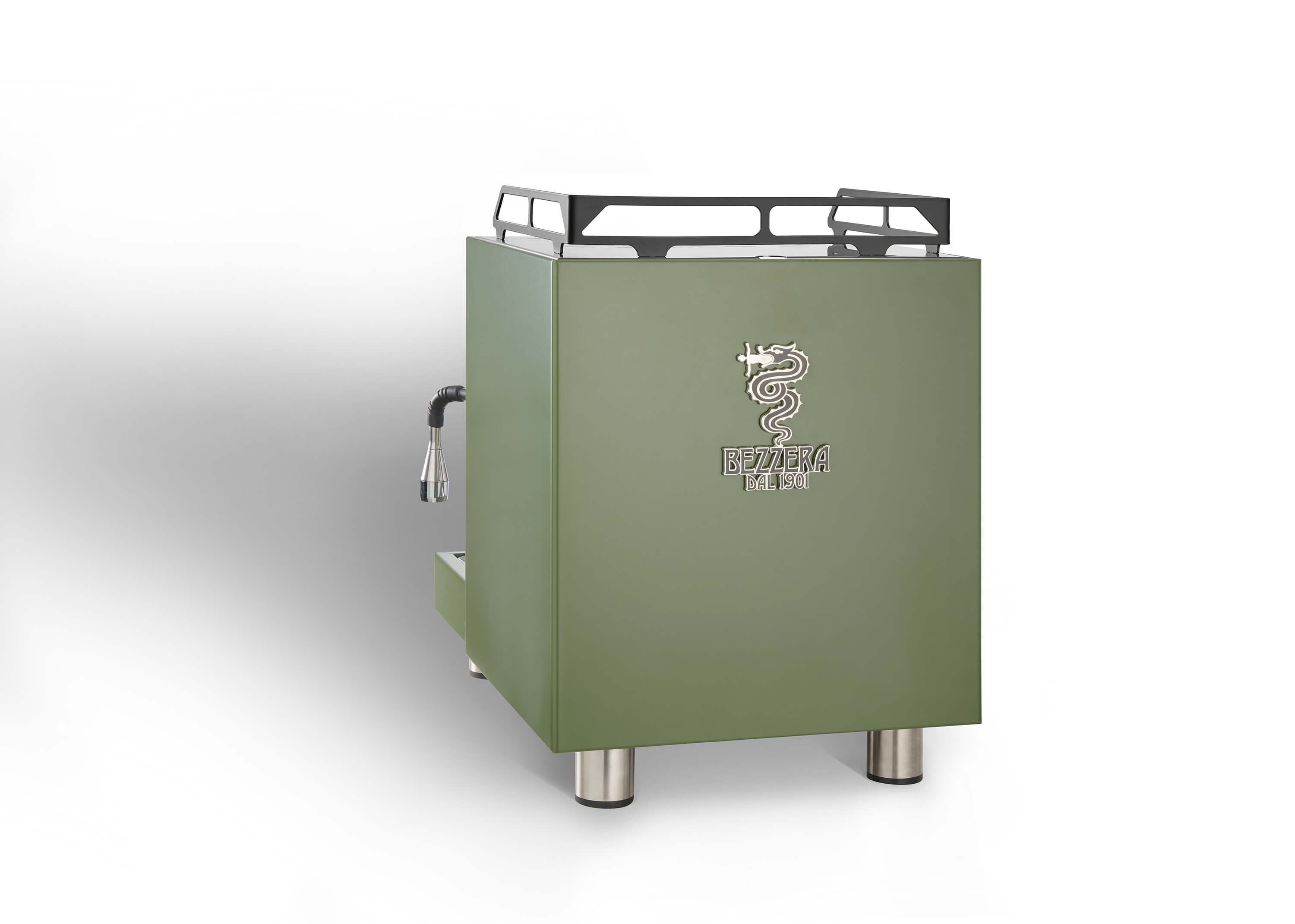
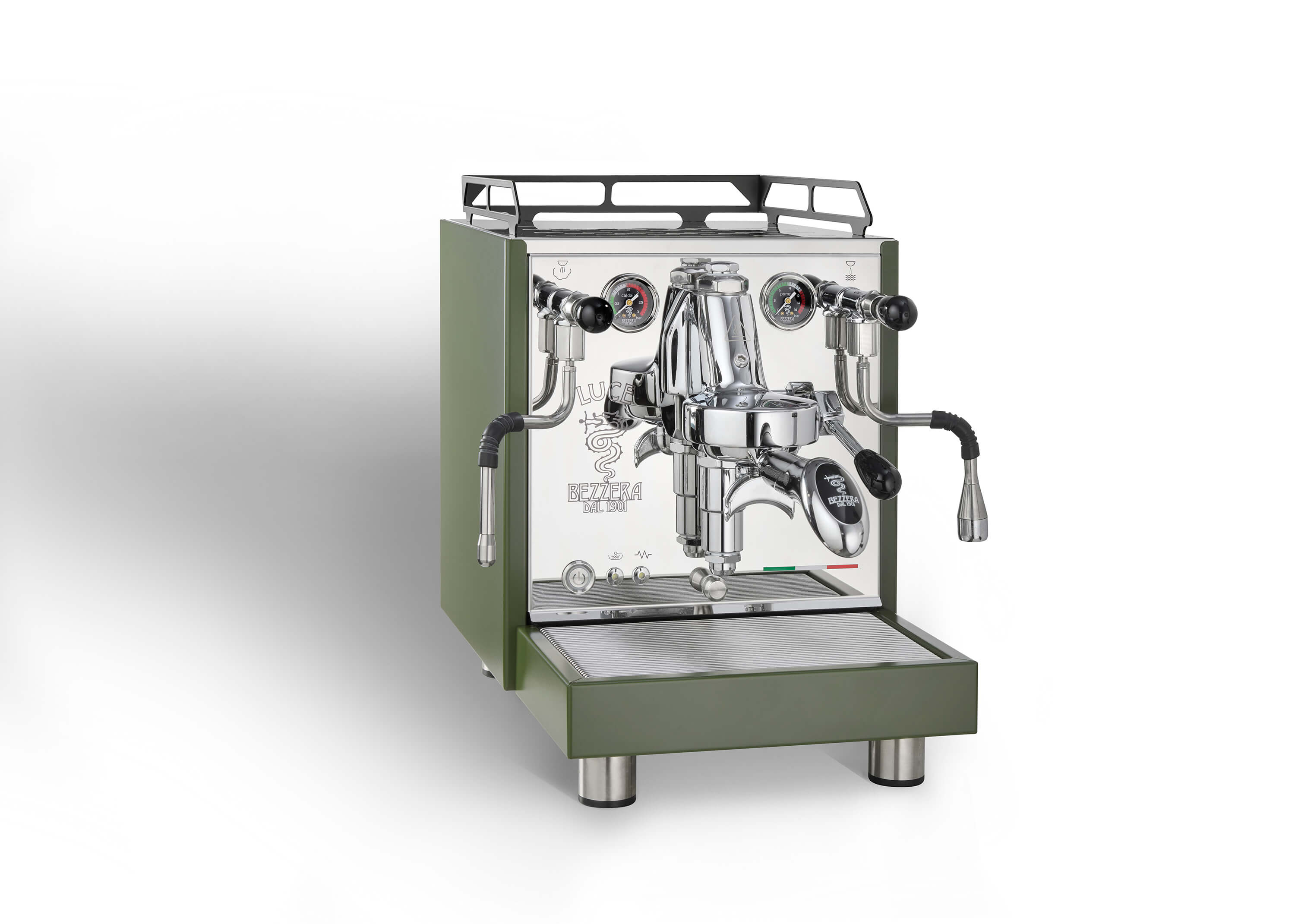
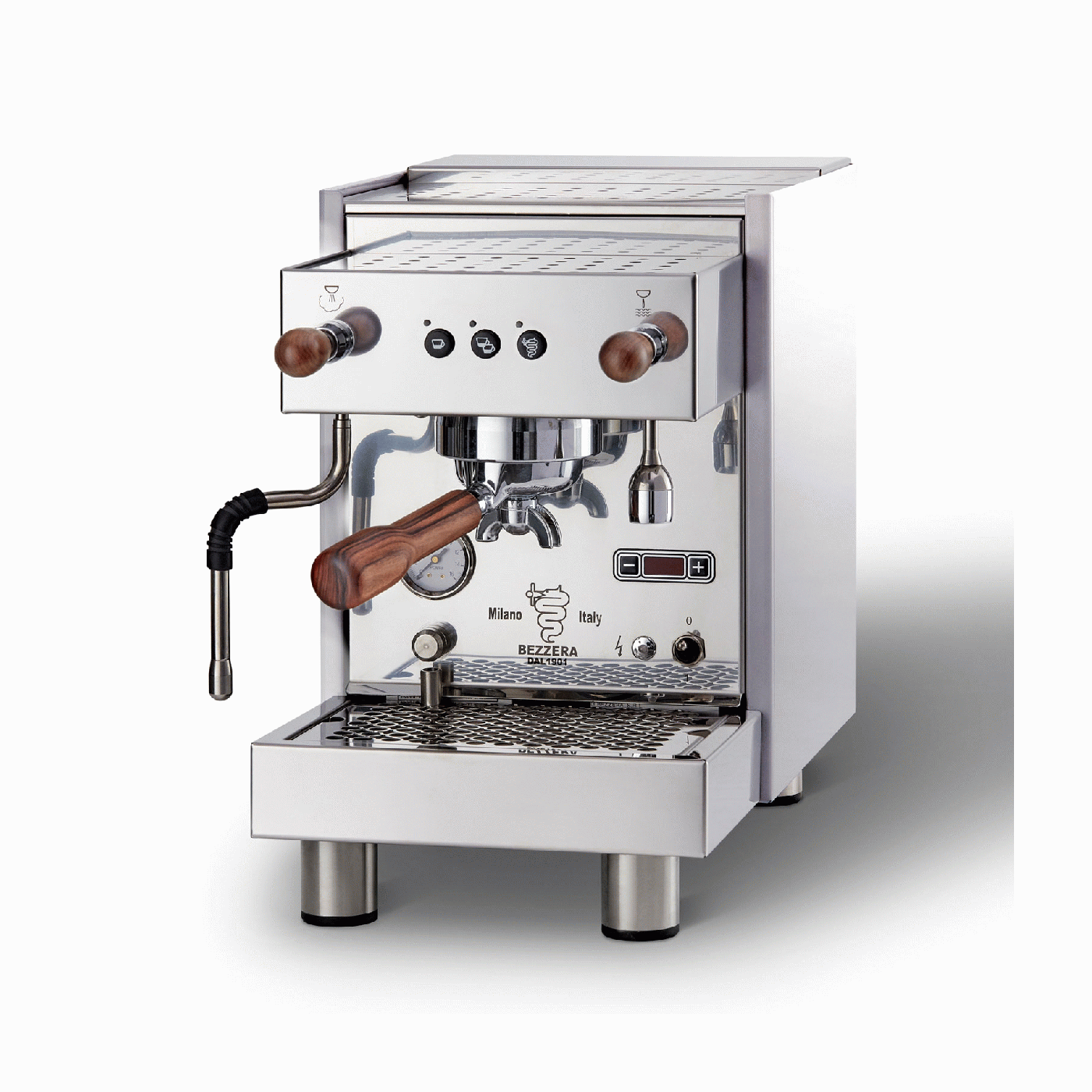
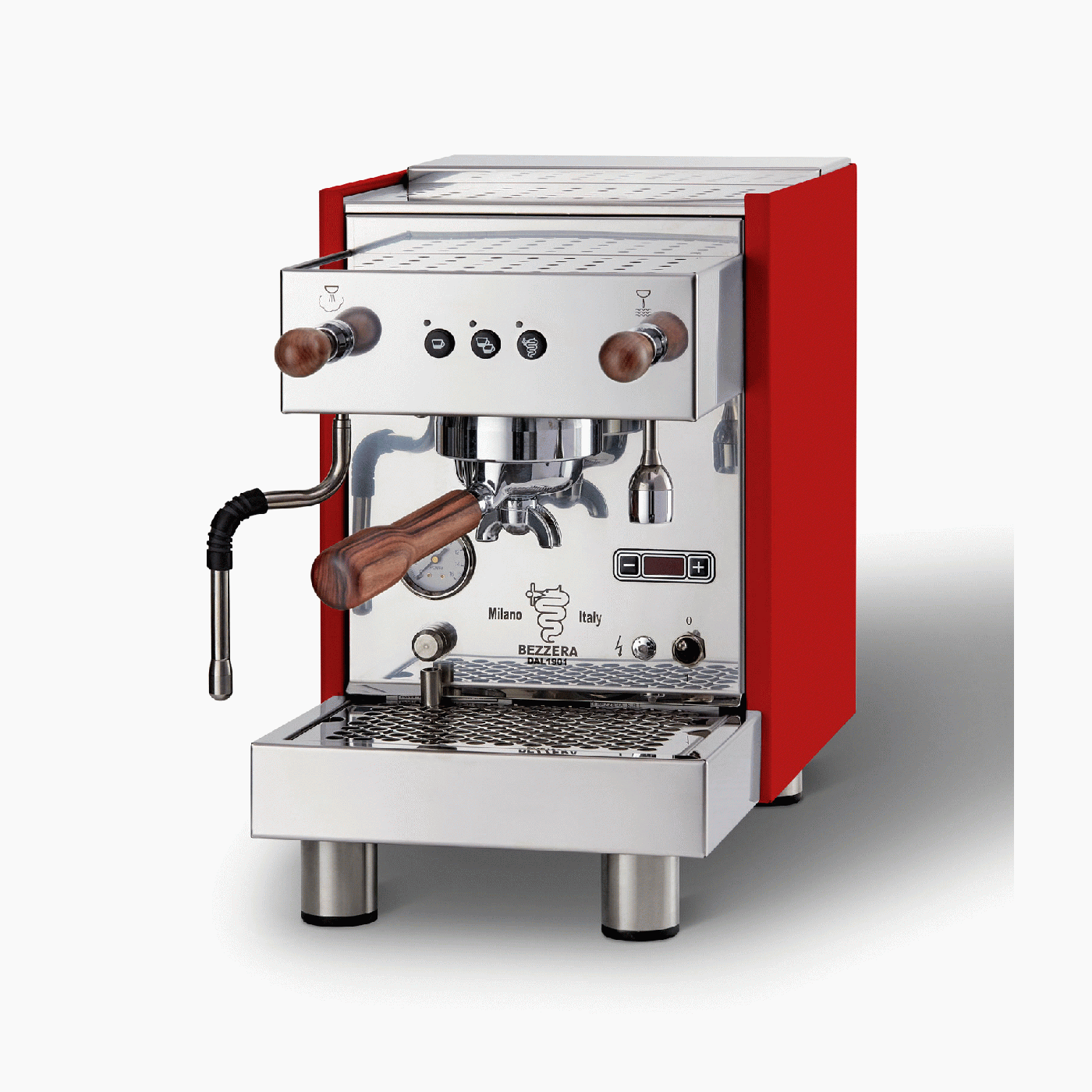
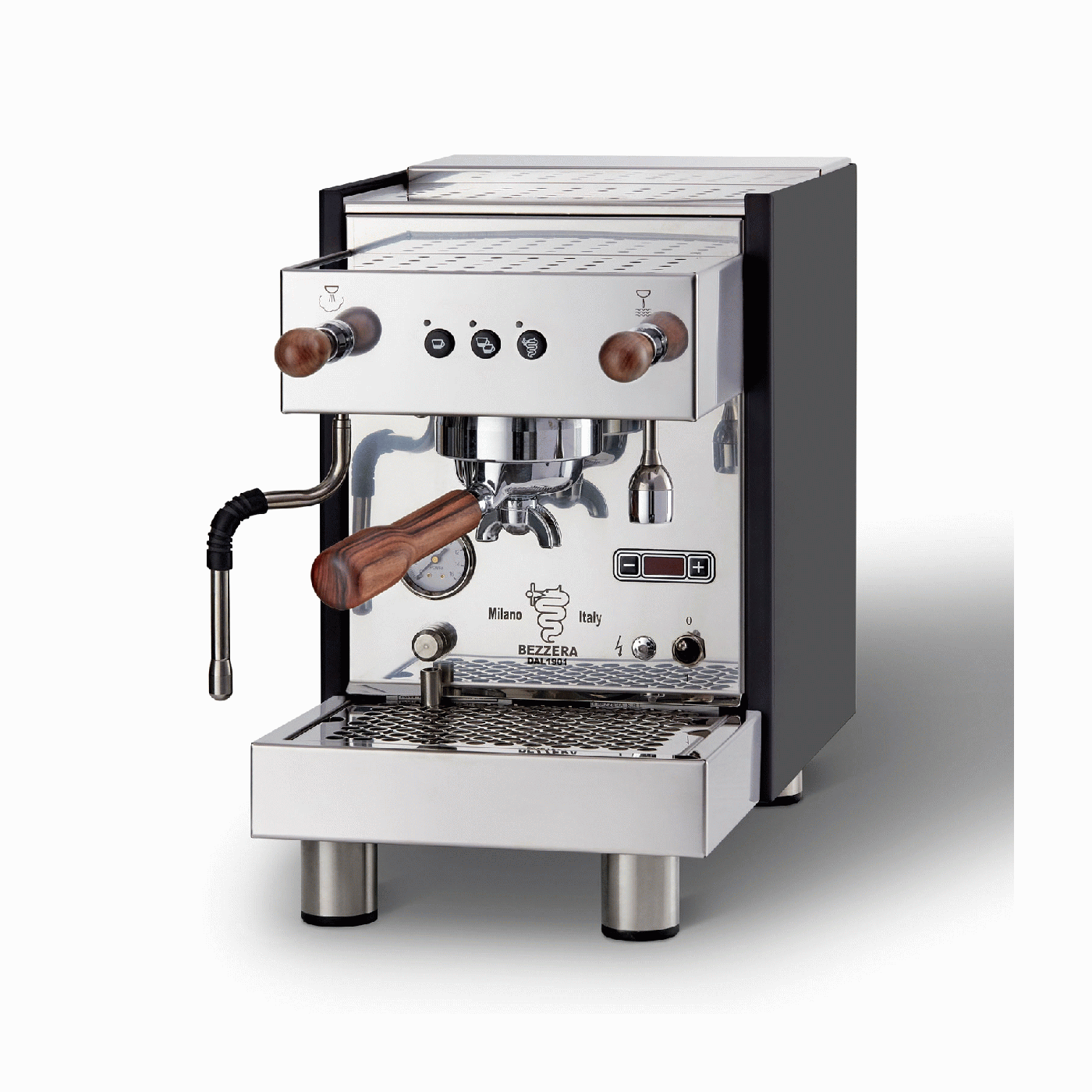
Bezzera Crema DE PID espresso machine
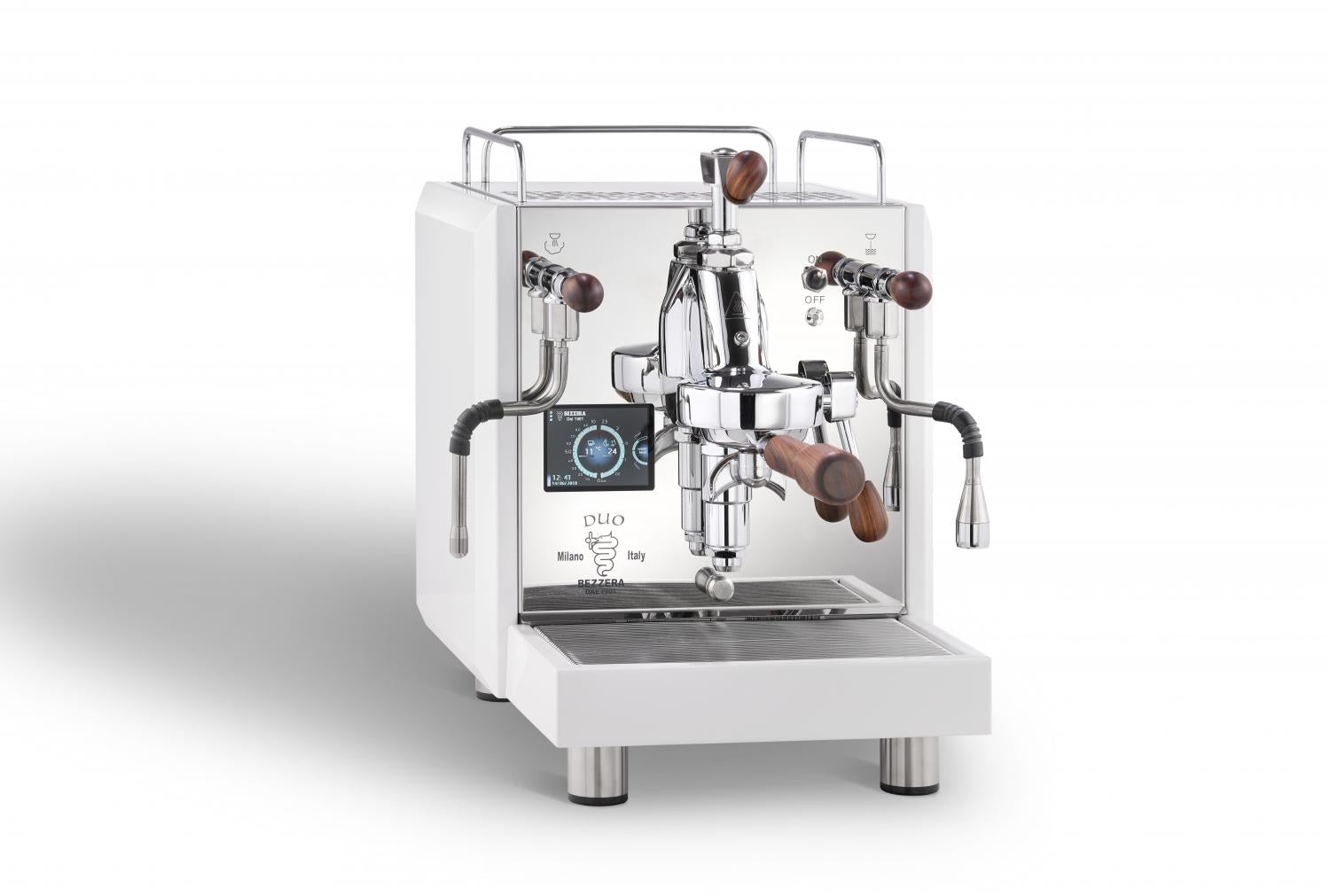
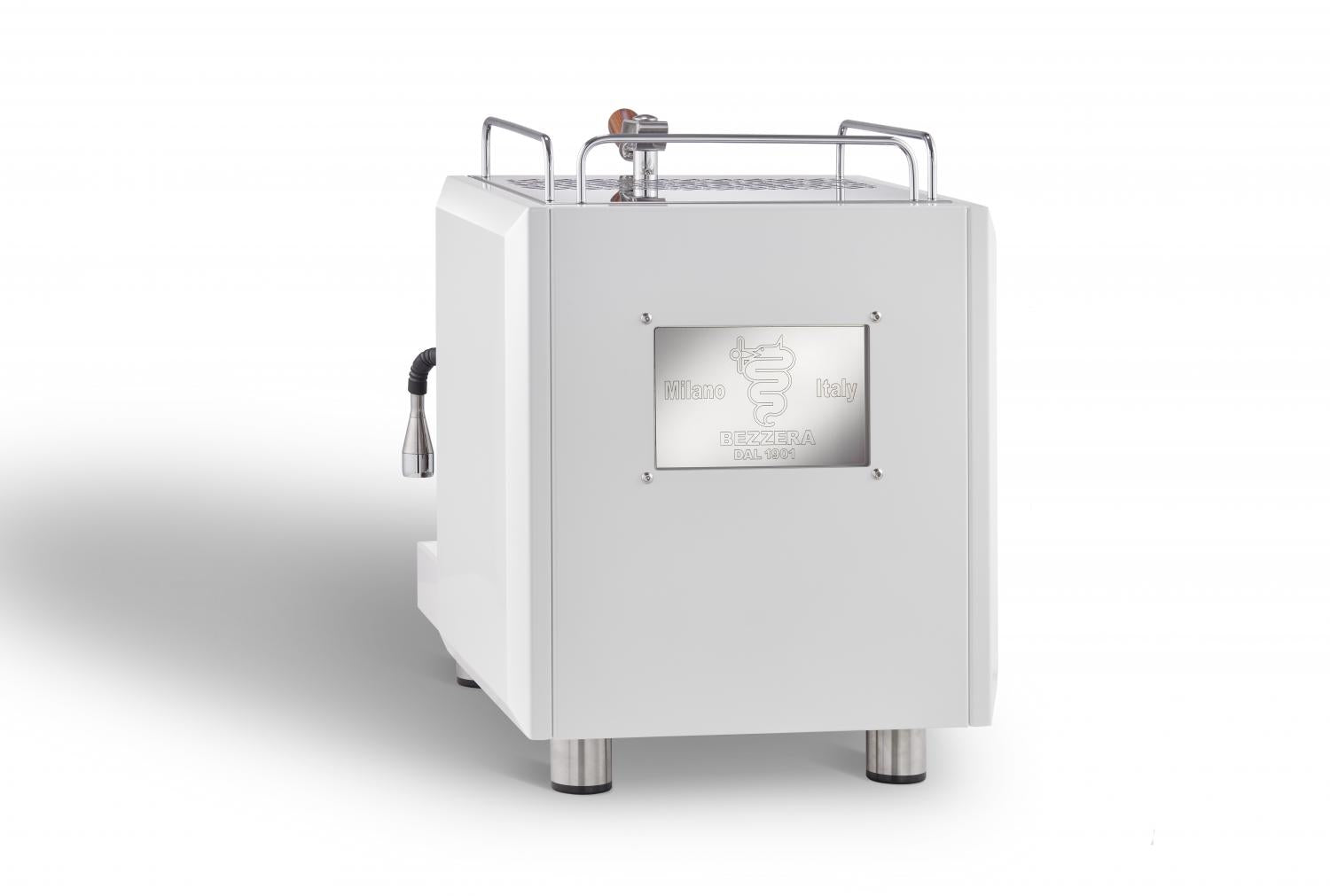
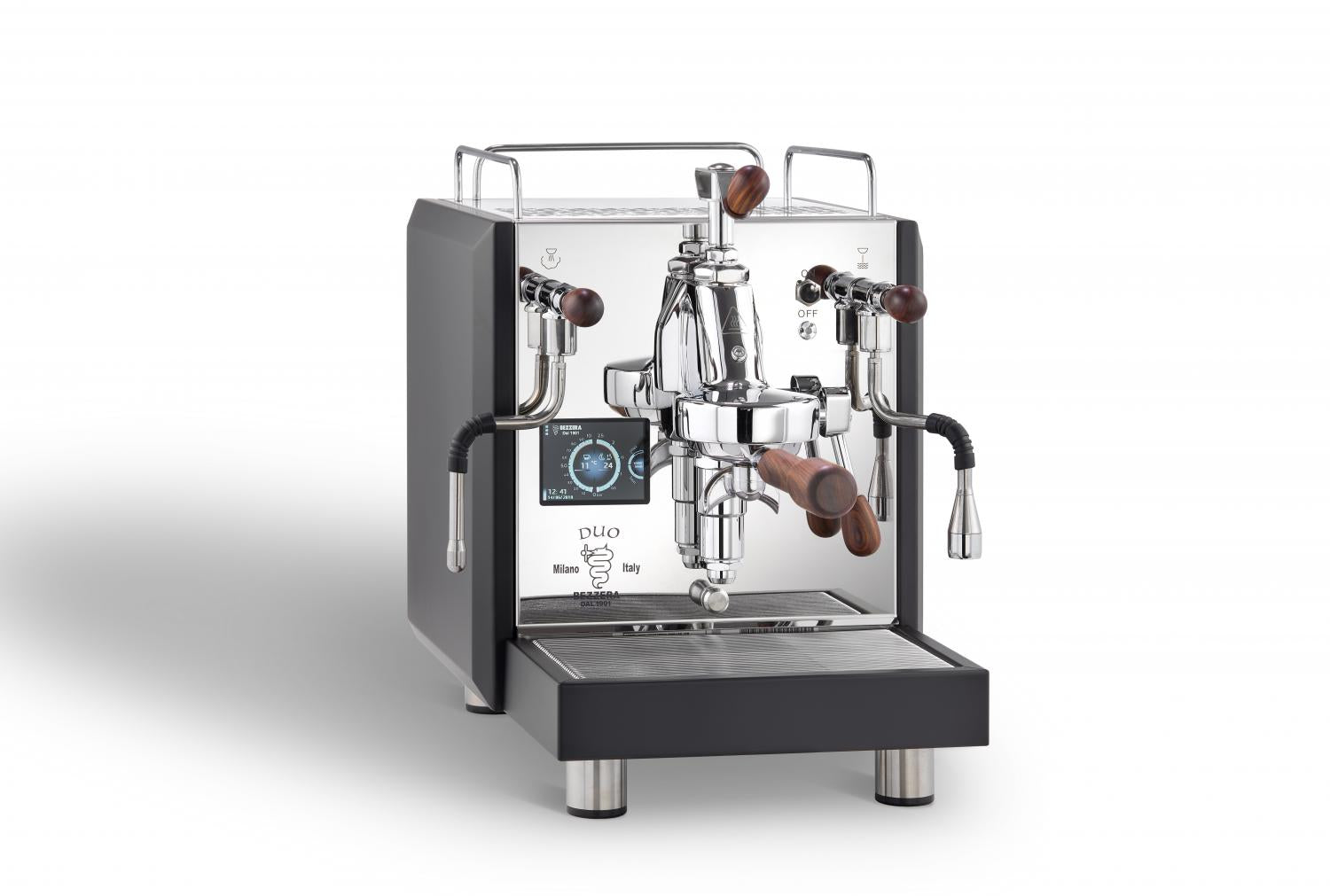
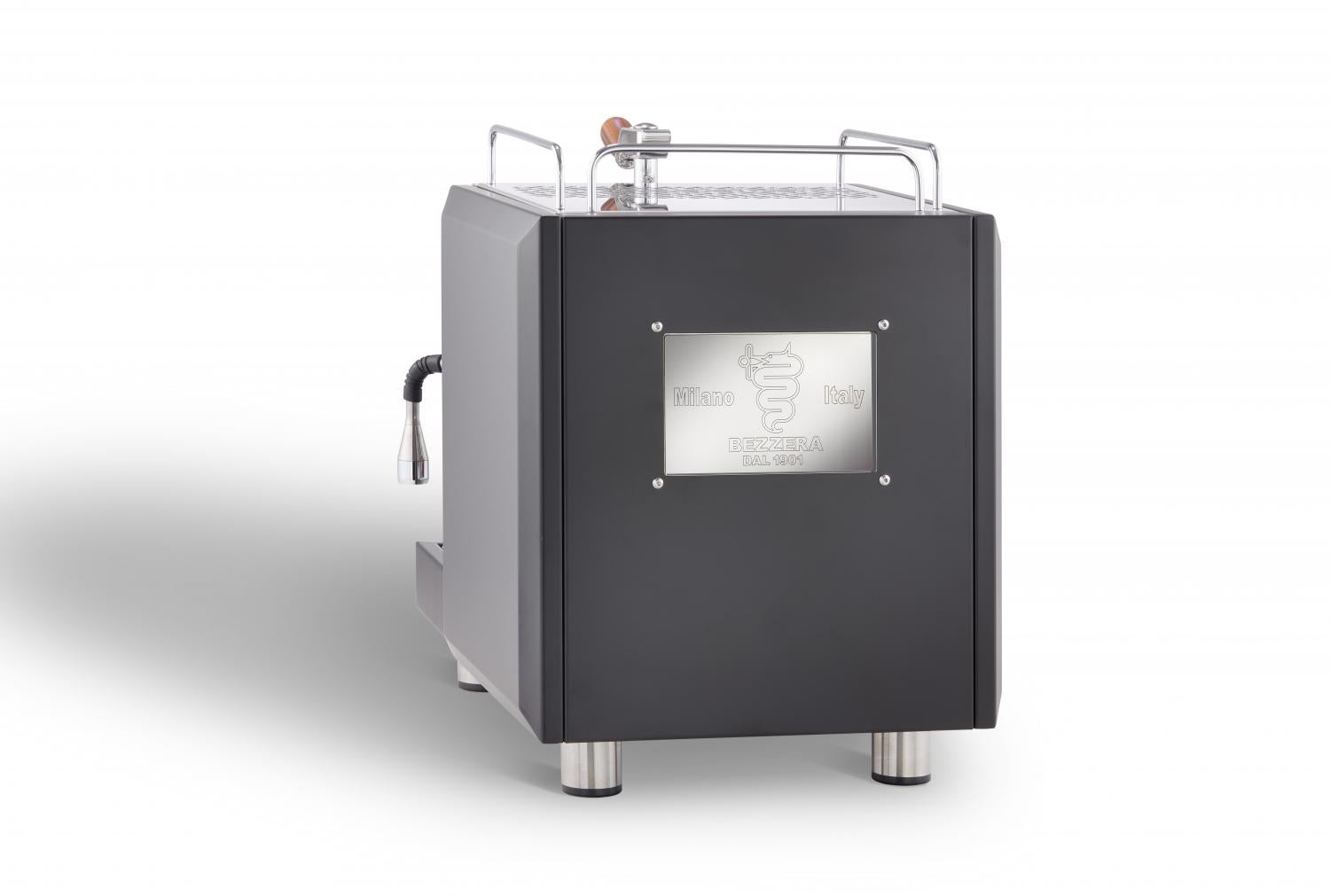
Bezzera DUO MN Siebträgermaschine
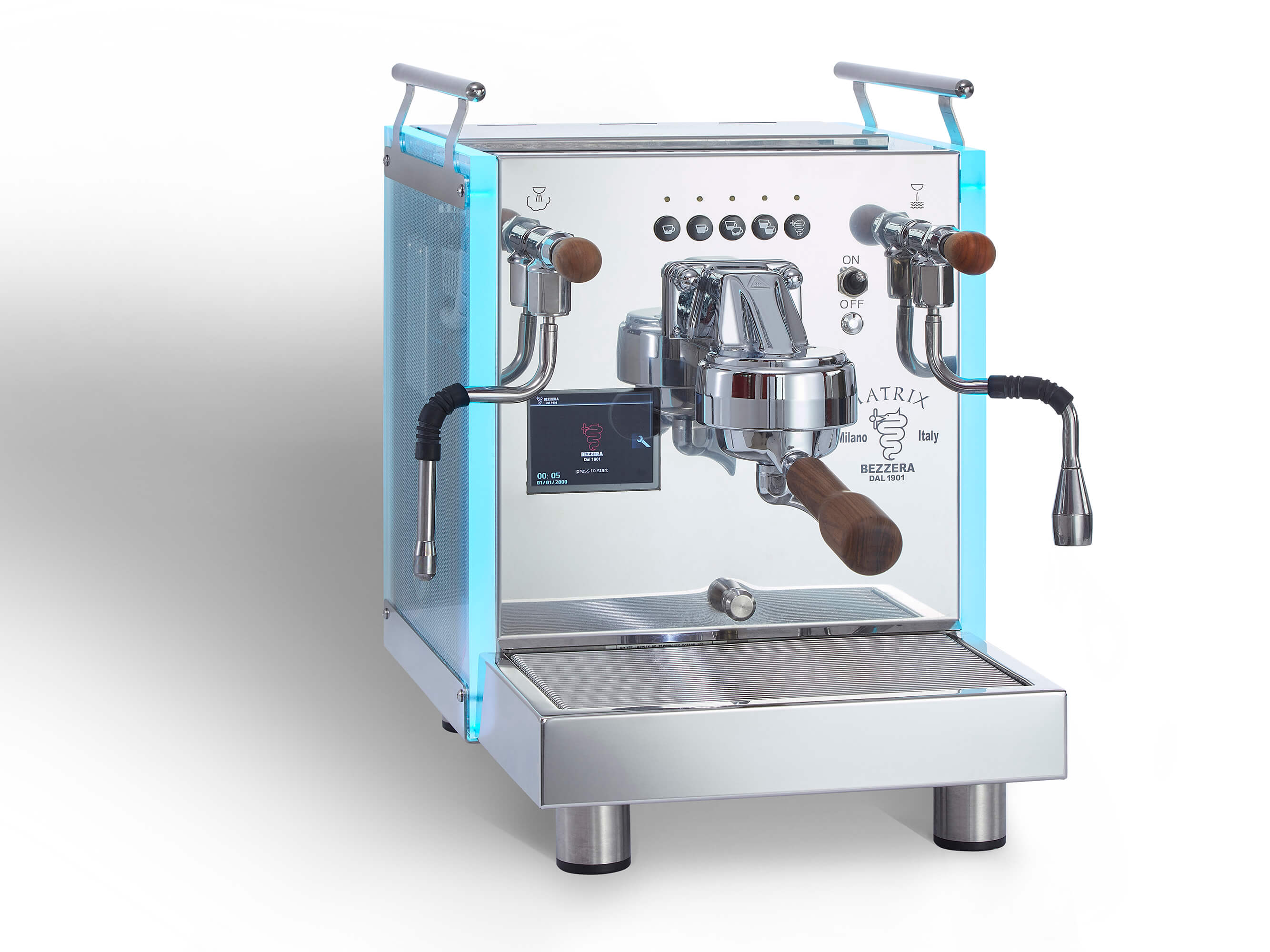
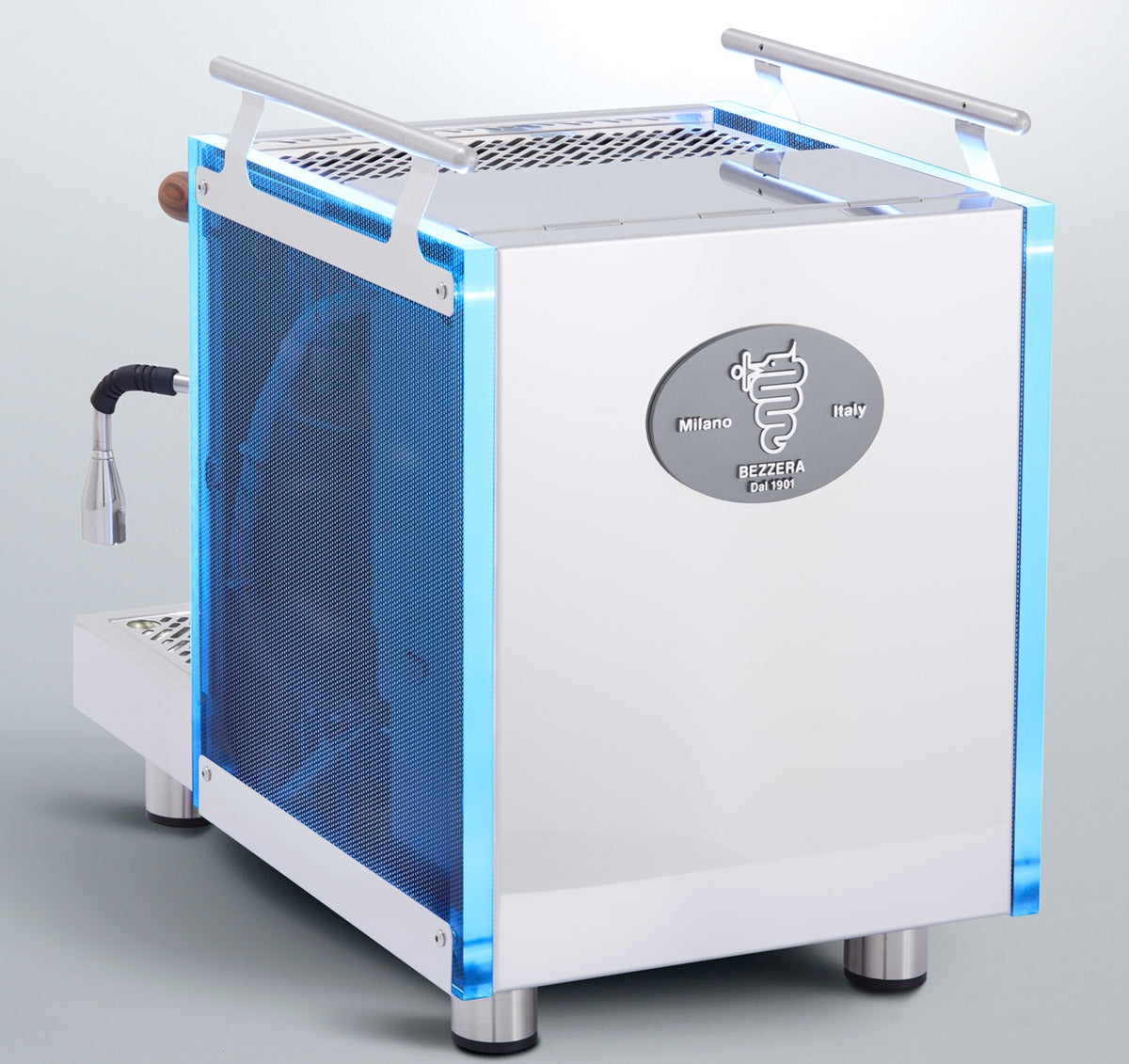
Bezzera Matrix TOP DE Siebträgermaschine
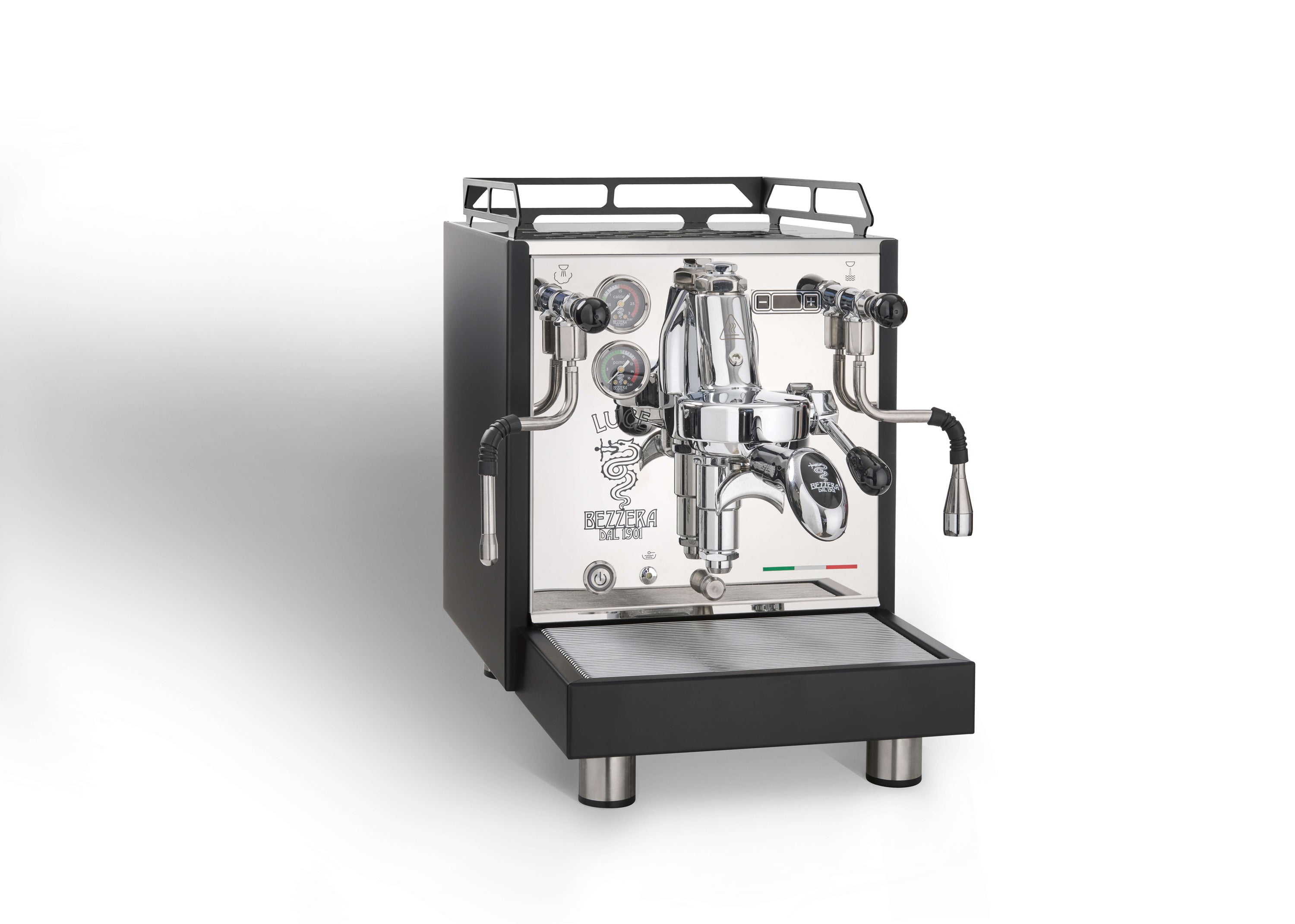
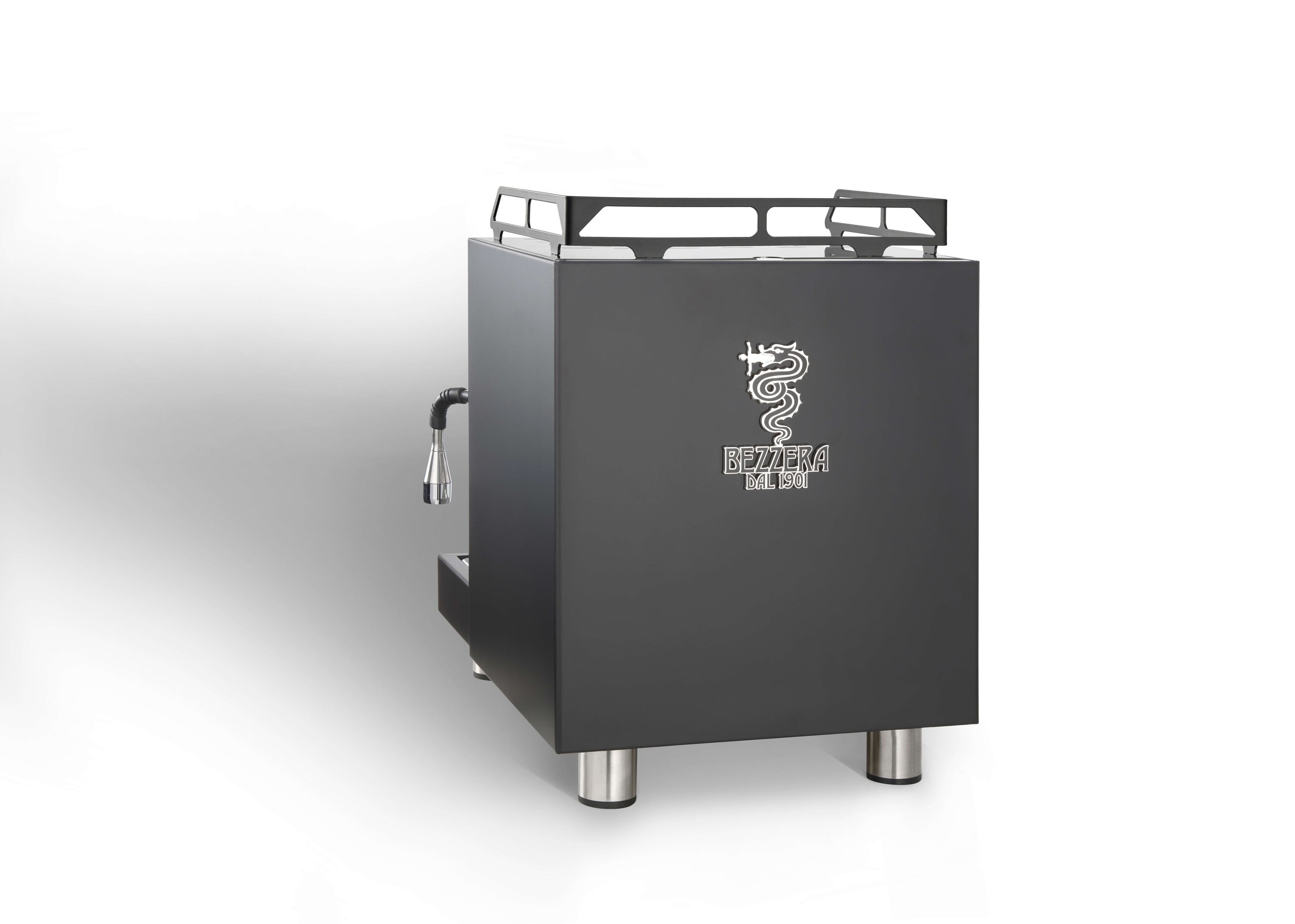
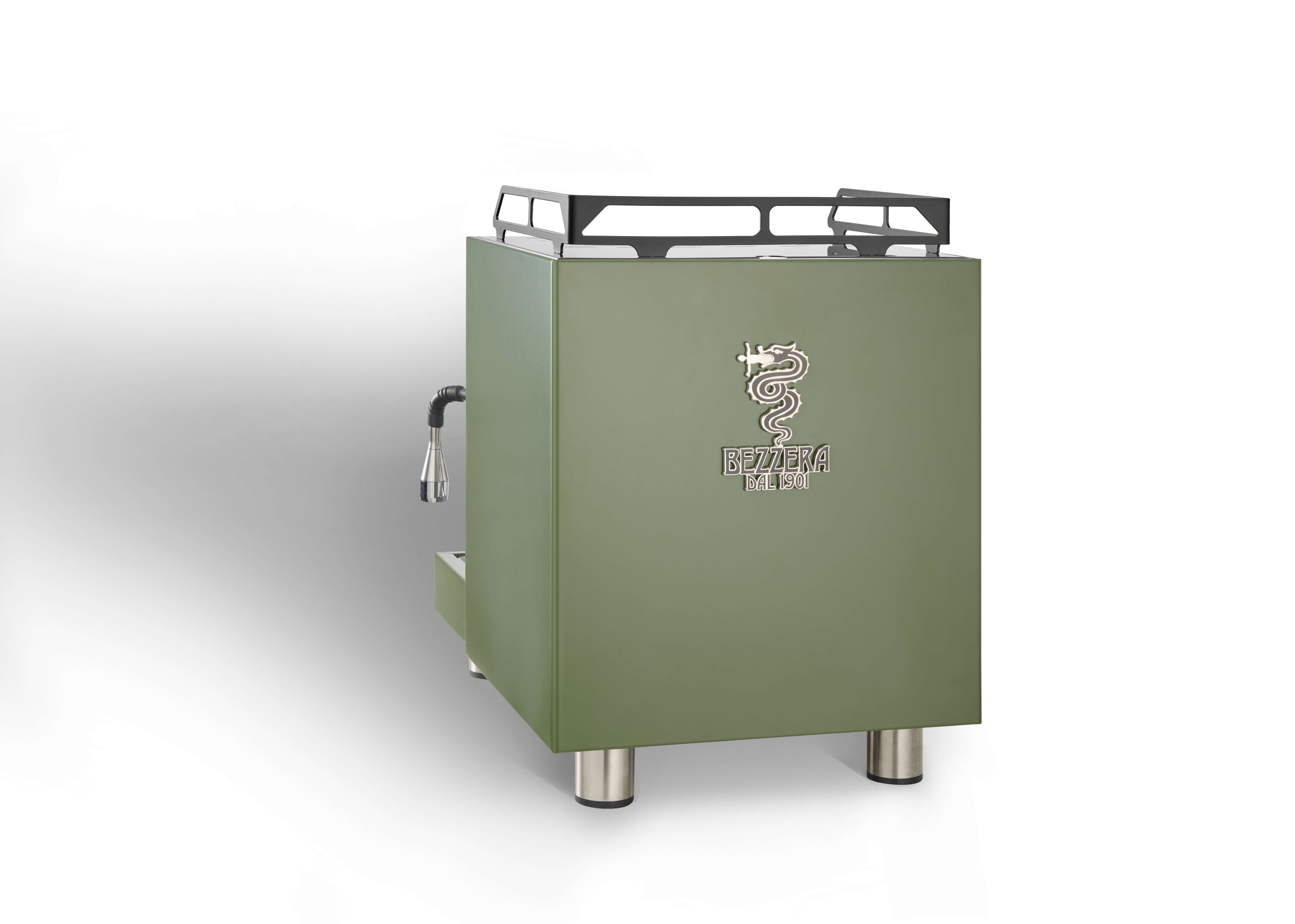
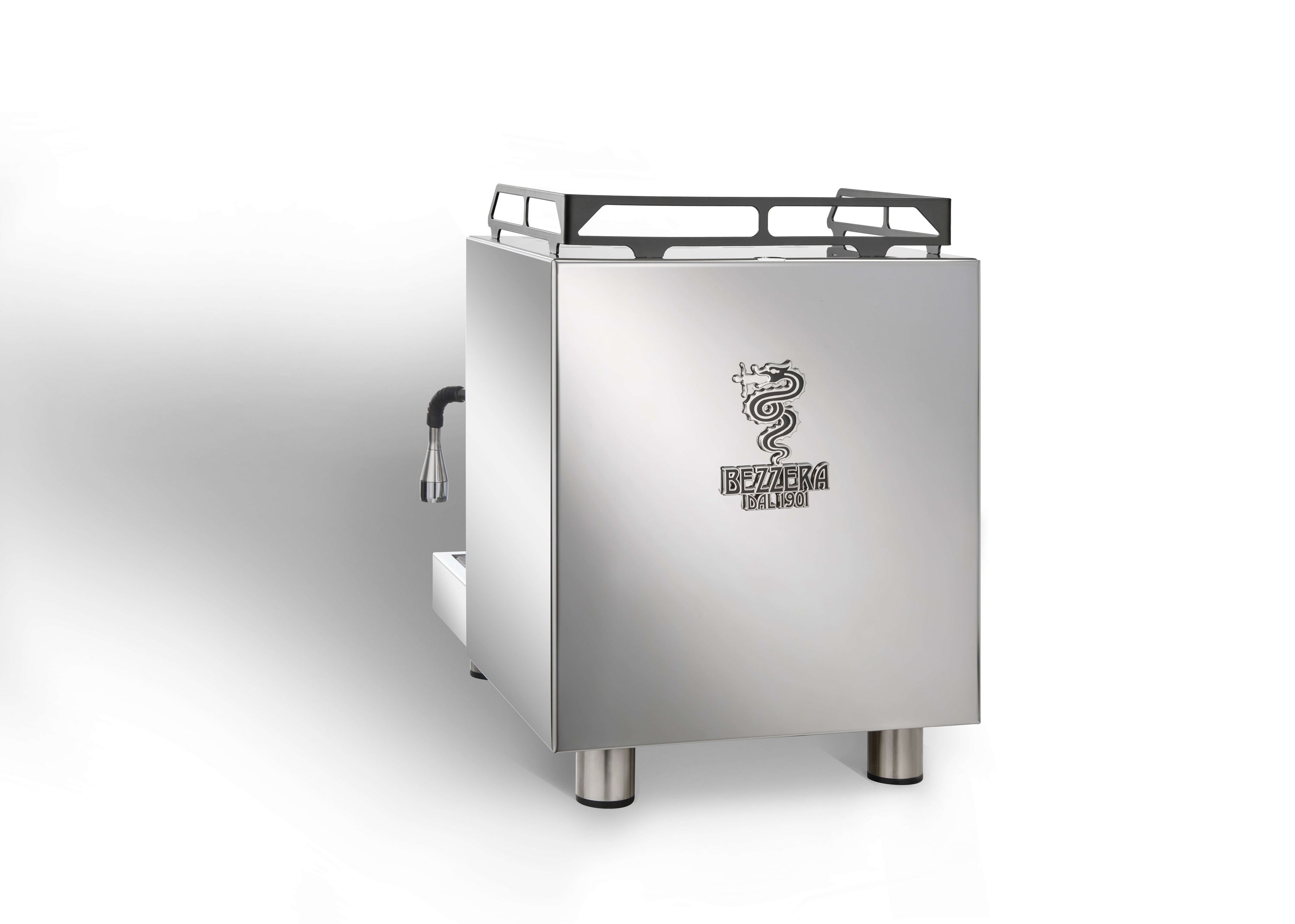
Bezzera Luce S PID Espressomaschine
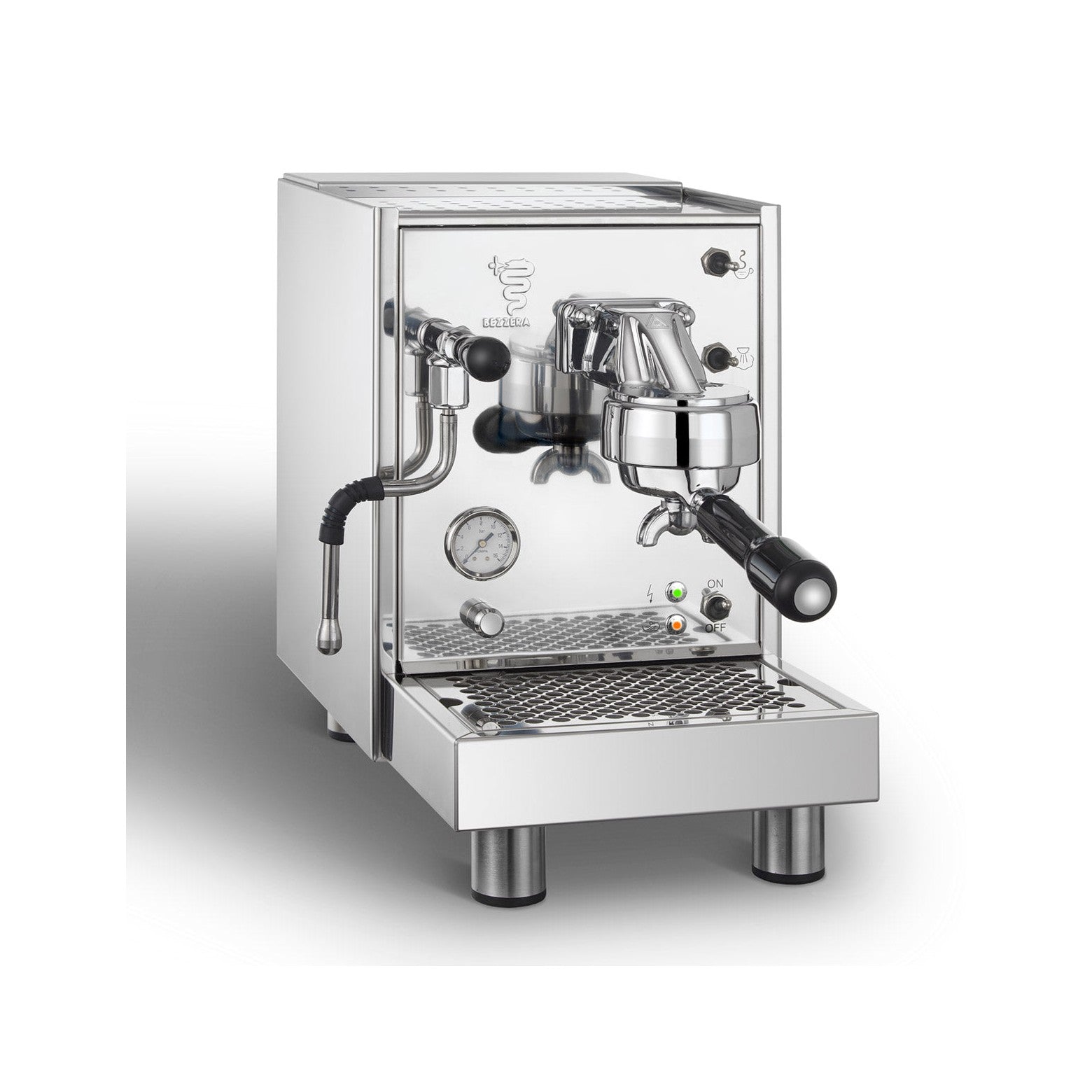
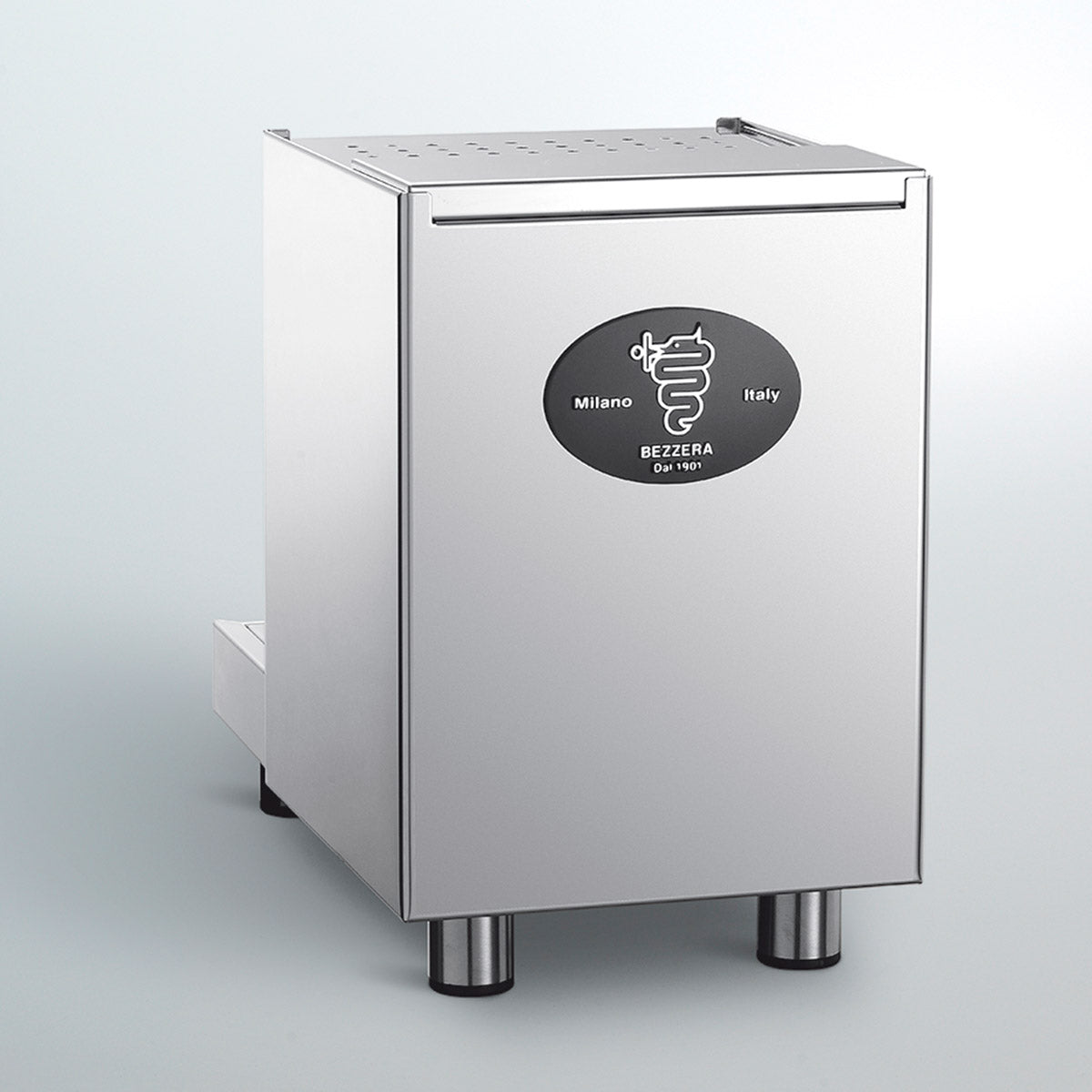
Bezzera BZ09 portafilter machine
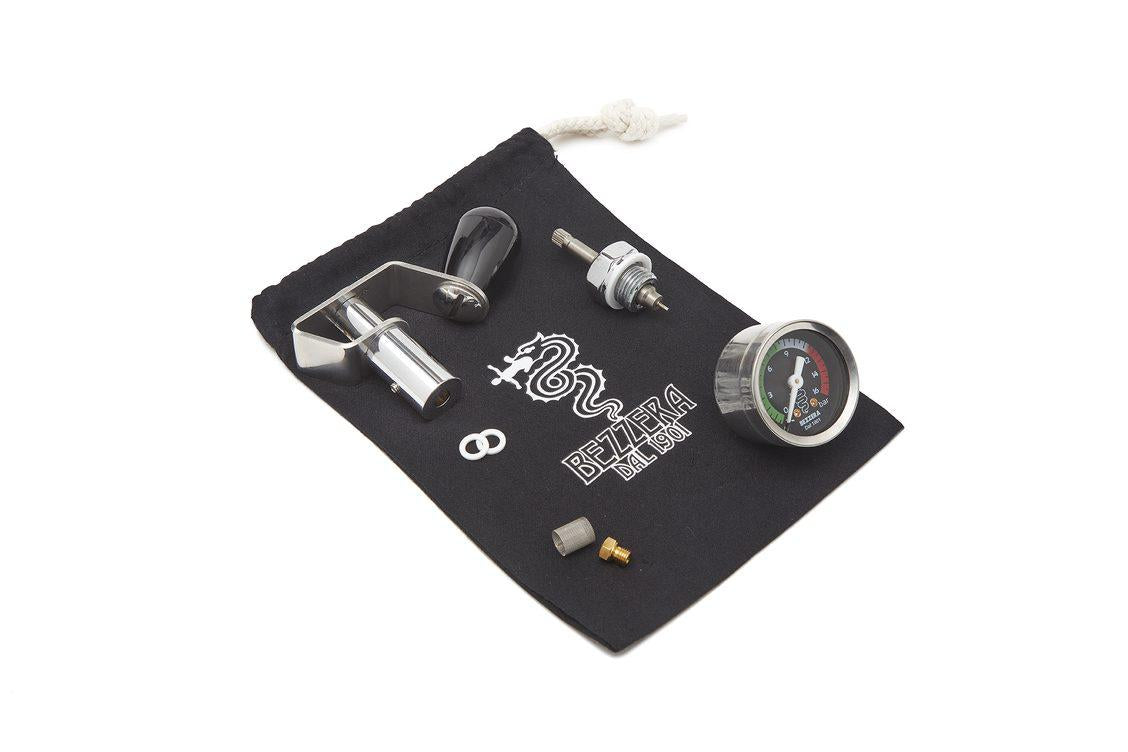
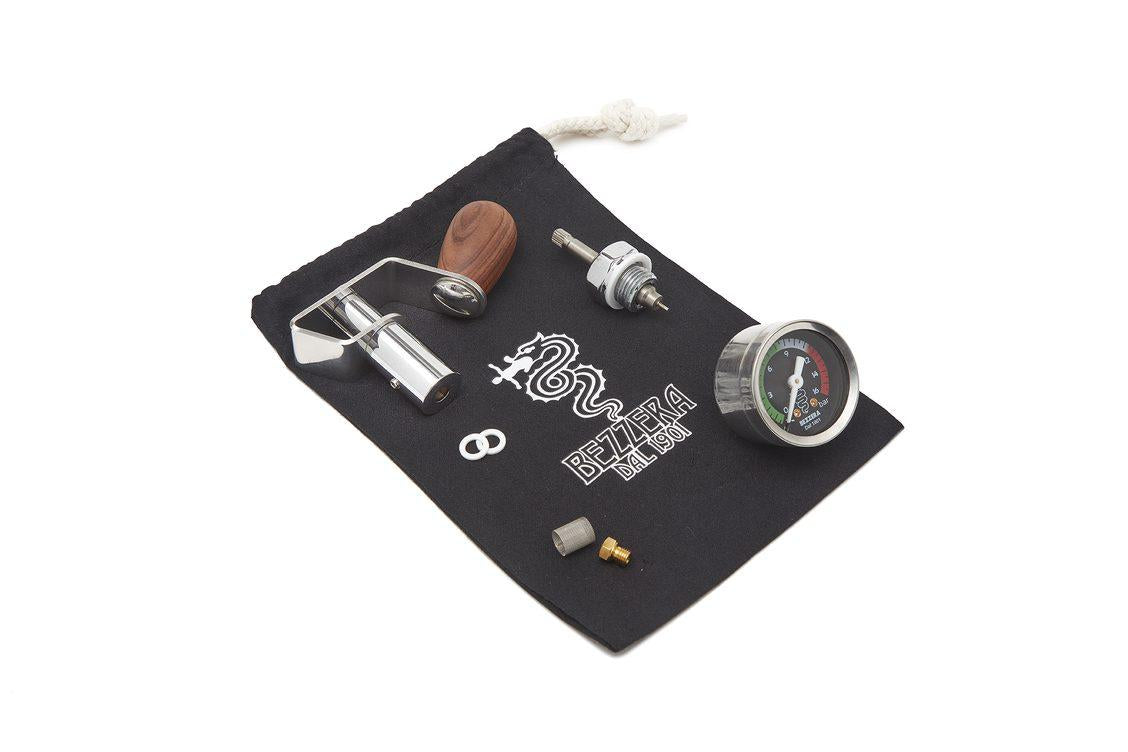
Bezzera Flow Control Kit for E61 brewing groups
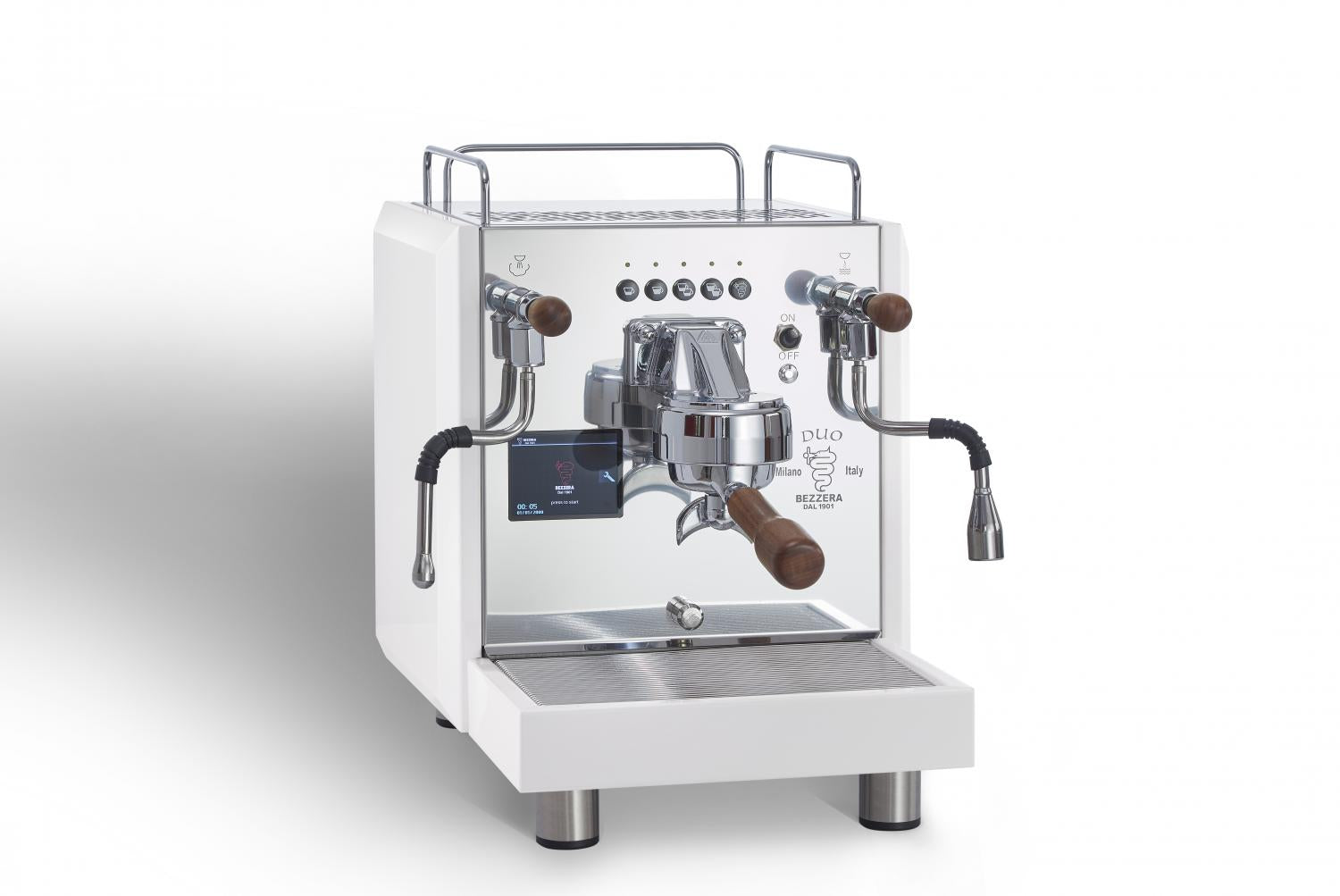
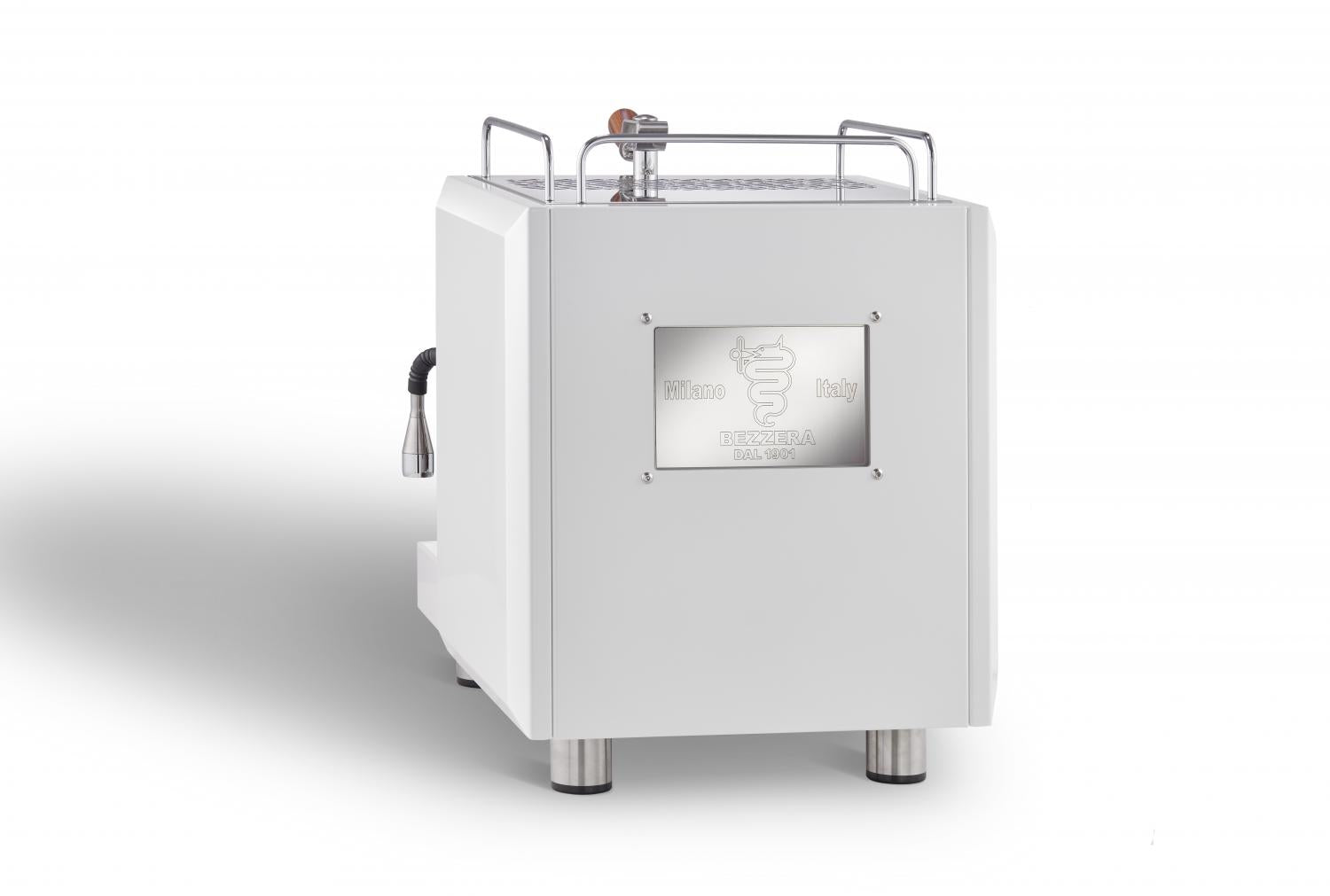
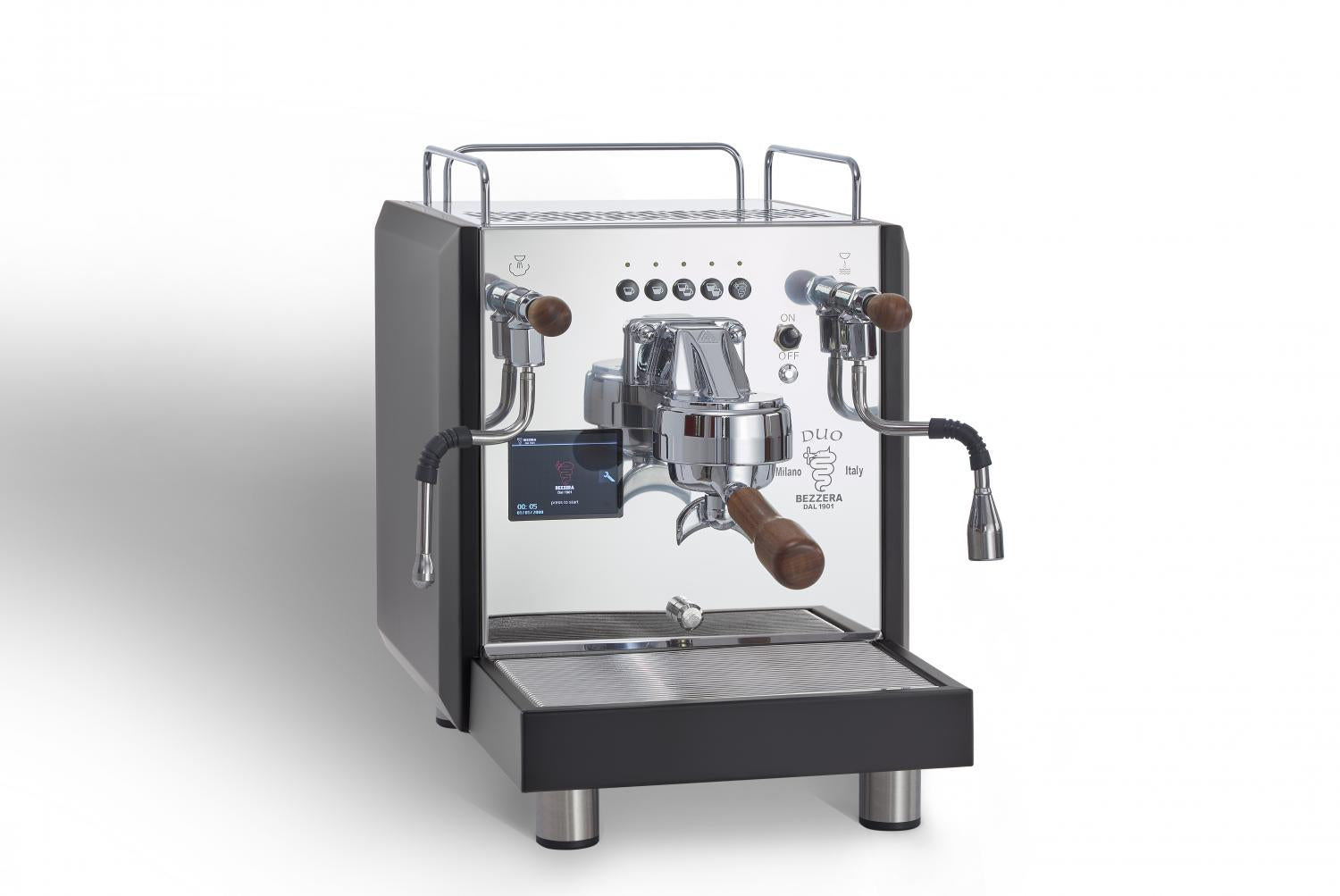
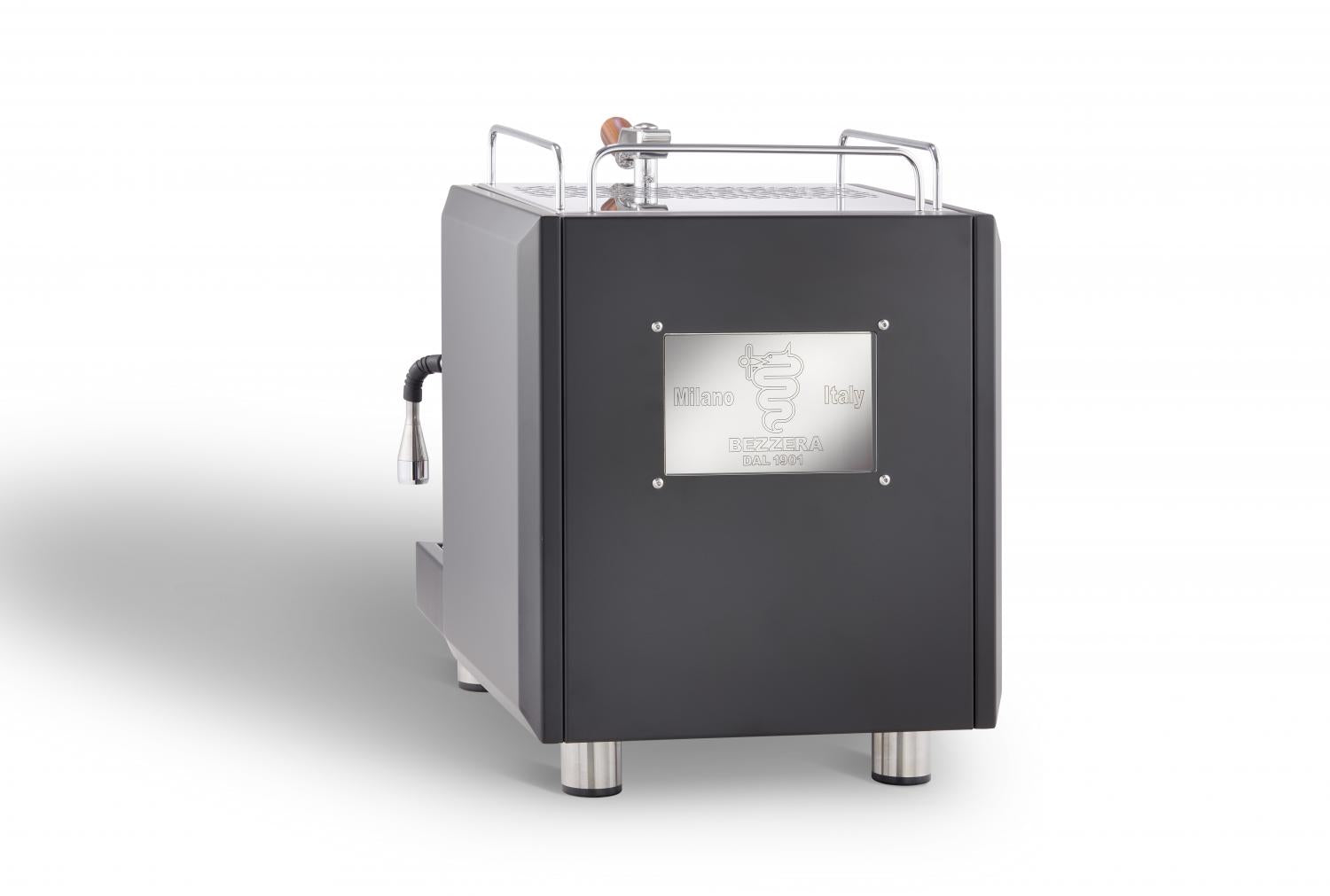

Typically Bezzera: Quality you can see and feel
The use of high-quality materials such as stainless steel, copper, and brass is a given at Bezzera. Many components are manufactured in-house. The result: machines that function reliably for decades—and are a visual highlight in any kitchen.
Why a Bezzera?
- Tradition for over 100 years—Made in Italy
- Wide selection: single boiler, heat exchanger, dual boiler
- Proven E61 brew groups or BZ's own systems
- Good spare parts supply & maintenance friendliness
- Unbeatable value for money
Conclusion: Bezzera is the perfect choice for anyone who values genuine Italian craftsmanship, technical reliability, and outstanding espresso flavor – day after day.
Italienische Espressokultur für Zuhause – Maschinen, Zubehör & Setup-Beratung
Bezzera Siebträgermaschinen – klassisch, robust, barista-nah
Bezzera steht für traditionelle Espressotechnik aus Italien – oft mit E61-Brühgruppe, stabiler Temperaturführung und einem Workflow, der sich wie „echtes Barista-Handwerk“ anfühlt. In dieser Kollektion findest du ausgewählte Bezzera Siebträger – vom kompakten Zweikreiser bis zur Komfort-Variante für häufige Milchgetränke.
Tipp: Für konstant gute Shots ist die Mühle mindestens so wichtig wie die Maschine. (Empfehlungen findest du weiter unten.)
Kaufberatung: Welche Bezzera passt zu dir?
Bezzera-Modelle unterscheiden sich in der Praxis vor allem über System (z. B. Zweikreiser), Pumpentyp (Vibration vs. Rotation), Aufheiz-/Komfort und die Frage, wie oft du Milchgetränke zubereitest.
- Du willst Espresso + Cappuccino ohne Wartezeit: Zweikreiser/Wärmetauscher ist meist die richtige Richtung.
- Du brauchst es morgens leise / offene Wohnküche: Rotationspumpe fühlt sich im Alltag oft deutlich „smoother“ an.
- Du willst klassisch & preislich attraktiv einsteigen: Vibrationspumpe ist bewährte Technik und sehr verbreitet.
- Du trinkst viel Milch: Achte auf Dampfleistung und einen wiederholbaren Workflow (Kännchen, Temperatur, Routine).
Wenn du unsicher bist: Sag uns kurz „wie viele Getränke/Tag“, „Milchanteil“ und „Lärm wichtig?“ – dann empfehlen wir dir die passende Richtung.
Workflow: So bekommst du konstant gute Ergebnisse
Bei klassischen Siebträgern gewinnt meistens nicht die „perfekte Theorie“, sondern ein sauberer, wiederholbarer Ablauf. Mit wenig Zubehör kannst du Konstanz massiv verbessern.
- Vorheizen: Besonders bei E61 lohnt sich vollständiges Durchwärmen für stabile Shots.
- Waage + Timer: Konstante Dosis und konstantes Verhältnis bringen reproduzierbare Ergebnisse.
- Mahlgrad & Distribution: Saubere Verteilung reduziert Channeling – Geschmack wird klarer.
- Milchschäumen: Kondenswasser ablassen, dann feinporig texturieren (glänzend, „nass“).
- Wasserqualität: Gutes Wasser schützt Maschine und Geschmack (gerade bei Wärmetauschern).
Mühlen-Empfehlung (Hersteller): Fiorenzato, Mahlkönig, Eureka. Zur Mühlen-Kollektion
Technik kurz erklärt (ohne Overload)
Damit du die Modelle besser vergleichen kannst, hier die wichtigsten Begriffe in „Shop-Deutsch“:
- Zweikreiser/Wärmetauscher: Espresso brühen & Milch schäumen parallel – ideal für Cappuccino.
- E61-Brühgruppe: Klassischer Hebel-Workflow, viel Metallmasse, braucht Zeit zum Aufheizen – liefert dafür oft stabile Ergebnisse.
- Vibrationspumpe: Bewährte Technik, meist günstiger – Geräusch im Betrieb deutlicher wahrnehmbar.
- Rotationspumpe: Häufig leiser, „konstanter“ im Gefühl – beliebt bei häufiger Nutzung/offener Küche.
Wichtig: Der größte Geschmackshebel bleibt fast immer Mahlgrad + Workflow – nicht „noch ein Feature“.
Pflege & Langlebigkeit
Wer seine Maschine kurz und regelmäßig pflegt, hat über viele Jahre konstant guten Espresso – und spart langfristig Servicekosten.
- Nach jeder Session: Siebträger ausspülen, Brühgruppe kurz reinigen, Dampflanze wischen.
- Regelmäßig: Rückspülen (je nach Nutzung), Dusche/Dichtung im Blick behalten.
- Wasser: Passende Wasserqualität reduziert Verkalkung und erhält den Geschmack.
Du willst dazu ein „Pflege-Set“ oder eine kurze Empfehlung? Schreib uns, wie oft du die Maschine nutzt – dann geben wir dir eine schlanke Routine.
Weiterführende Links
- Espressomühlen (wichtigster Hebel für Konstanz)
- Alle Siebträgermaschinen
- Espresso-Bohnen
- Barista-Zubehör
SEO/Intent-Cluster: Bezzera Siebträger, Bezzera Espressomaschine, Zweikreiser E61, Espresso & Milchgetränke, Vibrationspumpe vs Rotationspumpe, Siebträger Kaufberatung, passende Espressomühle.
Frequently asked questions about Bezzera
Where does Bezzera manufacture?
For over a century, Bezzera has stood for the finest Italian coffee culture and the highest quality in espresso machine manufacturing. The family-owned company still produces exclusively in Italy — specifically in Rosate, a small town near the gates of Milan in the Lombardy region.
In the modern factory on Via Luigi Bezzera 1, nearly all components, from brew groups to copper boilers and steel parts, are manufactured in-house. This high level of in-house production is a hallmark of Bezzera and guarantees the exceptional longevity and quality of each machine. Production is carried out with the utmost care — from the selection of raw materials to final assembly and quality control.
Bezzera combines tradition and innovation: For four generations, the company has remained true to its philosophy of continuous modernization while preserving the values of classic Italian espresso. Those who purchase a Bezzera machine receive a genuine piece of “Made in Italy” — crafted with passion and artisanal precision in Rosate near Milan.
Which Bezzera espresso machine is the best?
The best Bezzera portafilter machine depends heavily on the intended use and individual requirements. For advanced and price-conscious users, the Bezzera BZ10 S PM is often named as a test winner: it impresses with excellent espresso, the ability to steam milk simultaneously, high-quality craftsmanship, and easy cleaning. The electrically heated brew group, the 1.5-liter copper boiler, and the precise manual control are particularly praised – ideal for 2–4 extractions per day and occasionally more.
For those who want a larger water tank, the classic E61 brew group, and even more reserves for milk foam, the Bezzera Magica offers a high-quality alternative in the higher price segment. It is also highly appreciated for its craftsmanship and espresso quality.
In short:
- For most private users with a demand for milk foam and reliability, the Bezzera BZ10 is one of the best and most popular options.
- For even more comfort and classic E61 technology, the Bezzera Magica is recommended.
So, choosing the "best" Bezzera machine is primarily a matter of personal preference and budget.
What does MN mean in Bezzera?
At Bezzera, “MN” stands for the manual version of an espresso machine. This means that the espresso is manually started and stopped using a classic lever or valve lever, instead of programmable buttons or automatic dosing.
The MN models are equipped with the traditional E61 brew group and are aimed at users who value classic, hand-controlled espresso preparation. In contrast, “DE” stands for the version with dosing electronics and programmable cup sizes.
How often should you descale the Bezzera espresso machine?
How often you should descale your Bezzera primarily depends on the water hardness and your coffee consumption.
As a general rule:
- For medium to high water hardness (from about 14 °dH), descaling is recommended every 1–3 months.
- For soft water (below 7 °dH), it is usually sufficient to descale the machine twice a year.
- Alternatively, you can base it on the number of uses: descaling is advisable after about 200 coffee extractions.
- If you notice changes in taste or performance, you should also descale.
The exact intervals vary depending on usage intensity and water quality. It's best to use test strips to determine water hardness and adjust the descaling interval accordingly.
Does the Bezzera Magica PID have a shot timer?
The Bezzera Magica PID does not have an integrated shot timer. The machine offers PID control for digital temperature regulation, but no shot timer is mentioned in the official product descriptions and reviews. In contrast, other models like the Bezzera Aria PID or Bezzera Luce PID explicitly have an integrated shot timer.
If a shot timer is important to you, either a separate accessory is recommended, or choose a model that offers this feature as standard.
Unsere Magazin Beiträge

Organic Espresso Beans: Do They Really Taste Worse? What the Test Reveals—and What It Didn't Examine

Organic Beans & Sustainable Coffee: The Honest Guide to Mindful Enjoyment

Mahlkönig Coffee Grinders: Which grinder is right for your café, roastery, or setup?