








Omniroast Explained: Your Guide to Versatile Coffee Enjoyment at Home
Imagine this: You’re standing in your kitchen, ready for a perfect, bold espresso to start your day. But in the afternoon, you’re in the mood for a gentle, aromatic pour-over. Does that mean you have to buy, store, and manage two different coffees? That sounds like more effort than necessary. This is exactly where Omniroast comes in—a roasting philosophy that promises an elegant solution. But can a single organic coffee really work for every brewing method—without any compromises?
The answer is more surprising than you might think. Let’s unravel the secrets of this versatile approach and discover how it can simplify your daily coffee routine while taking it to a whole new level.
The Search for the Perfect Coffee: An Introduction to Omniroast
Omniroast is a special roasting method in which organic coffee beans are developed to work optimally for both espresso and filter coffee. The term comes from the Latin “omnis” (meaning “all”) and describes a deliberately balanced roast that enables versatility without sacrificing quality. It’s designed to be the one bag of beans you need for every coffee craving.
Many home baristas are familiar with the problem. You invest in a high-quality espresso machine and a precise coffee grinder—only to find that your dark espresso beans taste bitter in a pour-over, while a light filter roast comes across as unpleasantly sour as an espresso. The classic solution is to buy two different coffees. But that means double the cost, double the storage space, and the constant worry that a bag will lose its freshness before you’ve finished it.
This is exactly where the concept of the Omniroast shines. It’s not some mystical “jack-of-all-trades who masters none.” Instead, it’s a well-thought-out roasting philosophy that emerged from the third-wave coffee movement. This movement focuses on the bean’s unique, origin-specific flavor rather than masking it with extreme roasts. A good Omniroast lets you taste the coffee itself—not just the roast.
What is Omniroast really? A look behind the versatile roast
An Omniroast is a coffee roasted to a specific profile that performs well in both short, pressure-based extractions (espresso) and longer, gentle extractions (filter). The goal is a perfect balance of acidity, sweetness, and body that works in both worlds—making it ideal for home baristas who love variety.
The challenge lies in precision. If the coffee is roasted too light, it won’t develop enough body for a well-rounded espresso, and the acidity can come across as sharp. If it’s roasted too dark, it loses the delicate, fruity notes that make for a great filter coffee, leaving behind dominant roasted flavors and bitterness. A successful Omniroast therefore depends heavily on the quality of your equipment. With high-quality grinders and espresso machines that allow for precise control, even lighter Omniroasts can work brilliantly.

The idea behind the versatile roast: a compromise that isn’t really a compromise
Omniroast is not a mediocre medium roast, but a carefully optimized profile that takes into account the strengths of various brewing methods. The roast is controlled so that the bean’s natural sweetness is fully developed while retaining enough acidity to keep the coffee interesting. The philosophy is simple: let the coffee shine—not the roast.
Modern specialty roasters even argue that a well-executed Omniroast can offer more complexity than a highly specialized roast because it unlocks the bean’s full flavor spectrum. While a very dark espresso roast can mask subtle origin notes and a very light filter roast can sometimes feel one-dimensional, the Omniroast finds a sweet spot that combines depth and clarity. This makes it a smart solution for anyone who values flexibility and seeks high-quality organic beans that adapt to their daily mood.
How Omniroast differs from classic espresso and filter roasts
Traditional espresso roasts are usually dark and develop a lot of body as well as chocolate and nutty notes, but sacrifice acidity and origin character in the process. They are perfect for classic milk-based drinks. Light filter roasts, on the other hand, preserve maximum acidity and fruitiness and highlight the bean’s origin. As espresso, however, they can seem thin and sour.
Omniroast lies somewhere in between—though it’s less about the end result and more about the process. The roast curve is managed so that sugar caramelization progresses just far enough to create sweetness and body, while the acids remain structured and pleasant. The result is a coffee that tastes round and balanced as an espresso without seeming flat, and offers complexity and clarity as a filter coffee without being bitter. It truly is the best of both worlds.
The Art and Science of Omniroast: Organic Quality Meets Roasting Craftsmanship
Developing a successful Omniroast profile requires meticulous control over temperature, time, and airflow during the roasting process. High-quality organic coffee beans are the indispensable foundation here, because only beans with a clear, balanced structure can unlock the full potential of an Omniroast. This is exactly where our expertise at Natur Bohne comes into play.
The process begins with selecting the right green coffee beans. Arabica beans with natural sweetness and balanced acidity are particularly well-suited. The quality of the green coffee is crucial, as this roasting style highlights the coffee’s natural characteristics rather than masking them. Certified organic beans offer a clear advantage: they are grown without chemical pesticides, which is not only healthier but also preserves the bean’s pure, unadulterated flavor.

From green coffee to a versatile delight: the roasting process explained
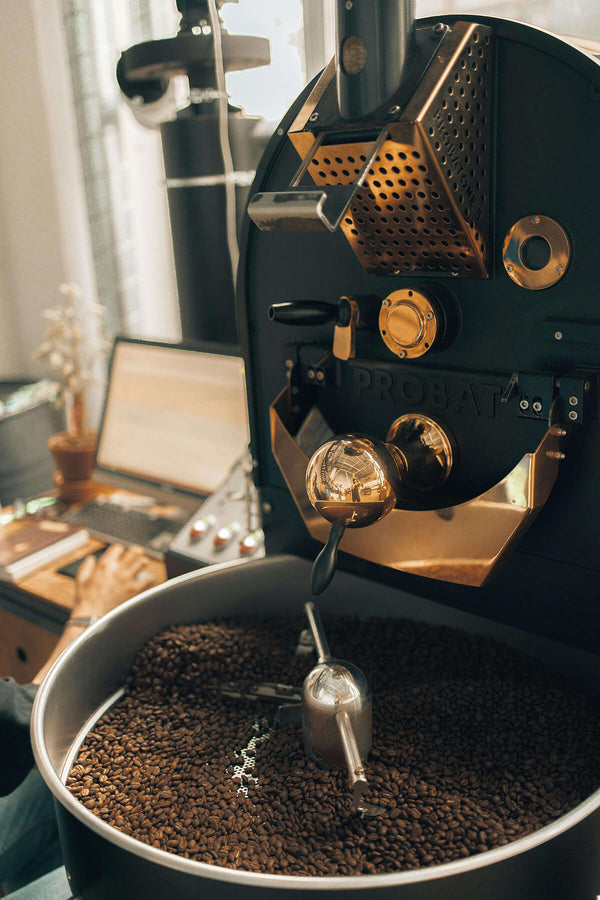
An Omniroast profile is created through a carefully controlled roasting curve. The process begins with the drying phase, during which the bean loses moisture. This is followed by the Maillard phase, in which complex flavors such as nut, chocolate, and caramel develop. The roaster must precisely control temperature and airflow to ensure even development.
The most important moment is the “first crack,” an audible crackling sound that signals a change in the bean’s cell structure. With an Omniroast, roasting is typically stopped shortly after the first crack. The timing of the roast is crucial for the flavor, as it determines whether the coffee leans more toward an espresso or filter profile. After roasting, the beans are quickly cooled down to halt the process. They then degas for several days, releasing CO2. For the best flavor, Omniroast beans should be used approximately 5 to 14 days after roasting.
Why organic quality makes the difference at Omniroast
At Omniroast, the use of organic or Demeter-certified coffee beans is particularly important because the goal is to highlight the bean’s pure flavor. Chemical residues or low-quality green coffee would be immediately noticeable in this delicate roast profile. At Natur Bohne, we go one step further: Our organic beans are additionally tested for pesticide residues in Germany to guarantee absolute purity.
This purity is crucial. Since the roast isn’t dark enough to mask flaws, the green coffee must be of the highest quality. High-quality specialty coffee beans with an SCA score of 80+ deliver the complex flavors and balanced structure that a great Omniroast needs. So when you choose organic, you’re not just making a choice for better taste, but also for a better planet.
How to brew Omniroast: your guide to espresso, filter, and more
Omniroast requires a bit more attention during preparation than highly specialized roasts because you need to adjust the parameters depending on the method. But that’s exactly where its greatest strength lies. With the right adjustments, you can get a whole range of flavor experiences from a single bag of beans—and make your coffee routine both simpler and more exciting at the same time.
The key is your grinder’s grind setting. Because Omniroast falls between classic roast profiles, small changes in grind size have a big impact on whether the rich, espresso-like characteristics or the lighter, filter-typical notes come to the forefront. Don’t be afraid to experiment and find your personal sweet spot.
Espresso Perfection with Omniroast: Tips for Portafilter Fans
For a great espresso with Omniroast beans, you’ll generally need to grind a bit finer than you would with a dark espresso roast. This creates enough resistance to achieve a balanced extraction in about 25 to 30 seconds. Aim for a brew ratio of 1:2 to 1:2.5 (for example, 18 g of coffee to 36–45 g of liquid espresso). A slightly higher brew temperature of about 92–94 °C can also help bring out sweetness and make the acidity more harmonious.
The goal is a balanced cup with notes of chocolate, caramel, and a pleasant, gentle fruitiness. Finding the perfect grind size for your coffee is the most important step. And if you’re looking for a good entry-level grinder, there are excellent espresso grinders under €500 that offer the precision you need.
Filter coffee at its best: how Omniroast unfolds its full aroma
For filter methods like V60, Chemex, or French Press, you should grind slightly coarser. This allows for a longer, gentler extraction that highlights the clarity and complex aromatics of the coffee. Use a classic ratio of about 1:16 (for example, 15 g of coffee to 250 g of water) and a water temperature between 93 and 96 °C.
You can expect a cup with lively acidity, clear sweetness, and medium body that showcases the bean’s origin notes without the bitterness of darker roasts. But the versatility doesn’t stop at pour-over coffee. For example, the AeroPress Coffee Maker Go is a fantastic, travel-friendly option that works wonderfully with Omniroast beans and lets you brew great coffee anywhere.
Common Challenges with Omniroast Brewing—and How to Overcome Them
A common challenge is adjusting the grind size when switching between different brewing methods. If your coffee tastes too acidic, grind finer or extend the brew time. If it becomes too bitter, grind coarser or shorten the brew time. The secret lies in small, incremental adjustments.
Another important factor is freshness. Like any specialty coffee, Omniroast tastes best when it’s fresh. To preserve the delicate flavors, you should know how to properly store your freshly roasted organic coffee beans. Keep them in an airtight container, protected from light, in a dry place, and away from heat.
Flavor Profiles and Sustainability: The Values Behind Your Organic Omniroast
An Omniroast is more than just a versatile coffee—it is an expression of quality and conscious consumption. Because this roasting style highlights the bean’s unique character, you can experience a wide range of flavors while supporting ethical and sustainable practices. It’s a cup of coffee you can feel good about in every way.
When you choose an organic Omniroast from Natur Bohne, you’re choosing a product that aligns perfectly with our mission: better organic coffee for everyone. We believe that exceptional flavor and responsibility toward the environment and people should go hand in hand.

What to expect from an Omniroast: Flavors and Character
A well-crafted Omniroast offers a wonderfully balanced and complex flavor profile. Typically, you can expect a base of chocolate, nut, and caramel that delivers exactly the richness that makes an espresso so satisfying. Layered on top are lighter notes of fruit, floral nuances, and a gentle, lively acidity that comes through particularly well in filter brews.
The result is a dynamic cup that changes depending on the brewing method. For example, a versatile bean like our Organic Espresso Bergkraft can deliver a dense, syrupy body as an espresso while revealing lighter, fruit-forward notes as a pour-over. It is precisely this complexity that makes Omniroast so exciting.
The sustainable choice: why organic Omniroast is more than just taste
Choosing an organic Omniroast is a statement. It is directly linked to our mission at Natur Bohne: to promote sustainability, fair trade, and pesticide-free coffee. When you buy organic coffee beans, you contribute to a healthier planet, support fair working conditions for producers, and ensure that your daily ritual remains free of harmful chemicals.
This commitment to purity and ethics is at the heart of everything we do. We believe that the best coffee is created in harmony with nature and with respect for the people who grow it. An Omniroast that celebrates the natural character of the bean is the perfect expression of this philosophy.
Is Omniroast the right coffee for you? Myths and Recommendations
Omniroast is an excellent choice for many coffee lovers—but it helps to know if it truly suits your needs and preferences. By answering common questions and dispelling some myths, you can more easily decide if this versatile coffee is a perfect fit for your kitchen. It’s designed for anyone who values both quality and simplicity.
This approach is ideal for anyone who wants to discover their coffee’s full potential without filling their cupboards with several different beans. If you like to switch between a morning espresso and an afternoon pour-over, an Omniroast can simplify your setup while tasting great in every brewing method.
Who Omniroast is the ideal solution for
Omniroast is perfect for:
- Home baristas who use multiple brewing methods and want a single high-quality bean that works well in all of them.
- Quality-conscious coffee drinkers who appreciate organic coffee and want to experience the true flavor of the bean without a dark roast overpowering it.
- Minimalists who don’t want to stock multiple coffee varieties but still want to stay flexible.
- Newcomers to the world of specialty coffee who are looking for an accessible and versatile bean they can experiment with.
Common misconceptions about versatile coffee—and why they’re wrong
There are a few myths about Omniroast that need to be clarified.
- Myth 1: “Omniroast is just a compromise.” This is the biggest misconception. A true Omniroast is not a compromise, but an optimization. It is specifically roasted to a sweet spot that releases a broad spectrum of flavors, rather than limiting them to a single style.
- Myth 2: “Omniroast doesn’t taste particularly good.” On the contrary: a great Omniroast can be extremely complex. Precisely because it balances body, sweetness, and acidity, it lets you taste a broader spectrum of flavors from a single bean and thus often offers a more dynamic experience than many specialized roasts.
Your path to versatile coffee enjoyment with Natur Bohne
Discovering Omniroast means embracing simplicity, quality, and versatility. You no longer have to juggle multiple bags of beans and can brew the perfect cup for any moment—whether it’s a bold espresso or a delicate pour-over. It’s about having an exceptional coffee that does it all.
When you choose a high-quality, certified organic Omniroast, you’re not just simplifying your routine—you’re taking it to a whole new level. You’re choosing to taste the true, unadulterated character of the coffee bean, roasted with care and expertise.
Ready to discover the freedom of versatile brewing? Then check out our Organic Specialty Omniroast Highland Jewel coffee beans. They’re the perfect introduction to your journey into the delicious and convenient world of Omniroast.
Frequently Asked Questions About Omniroast
Is Omniroast really suitable for every brewing method?
Yes, that’s exactly what it’s made for. While you’ll need to adjust the grind size and other parameters depending on the method—whether it’s espresso, pour-over, French press, or AeroPress—a good Omniroast is specifically designed to deliver a balanced and delicious cup every time.
Does Omniroast taste different from a pure espresso or filter coffee?
It tastes like the best of both worlds. Compared to a classic dark espresso roast, it offers more brightness and complexity. Compared to a very light filter roast, it has more body and sweetness. It strikes a delicious balance that is both rich and nuanced.
What is the best way to store Omniroast organic coffee beans?
To preserve maximum freshness, you should store your organic coffee beans properly. Keep them in an airtight, light-proof container at room temperature. Avoid the refrigerator or freezer, as moisture and foreign odors can affect the flavor.
Is there also a decaffeinated Omniroast?
Yes, it is possible to find decaffeinated organic coffee beans roasted in the Omniroast style. The key is a high-quality decaffeination process, such as Swiss Water or CO2, which preserves the bean’s original flavors before it is roasted for versatility.
Why should I choose an organic Omniroast from Natur Bohne?
At Natur Bohne, our Omniroasts are roasted from the highest-quality, certified organic beans. We even go a step further and have them tested for pesticides in Germany to ensure absolute purity. For you, this commitment to quality means: You get a coffee that is not only versatile and delicious, but also clean, fair, and sustainable.


