


Bezzera Nini DE Siebträgermaschine – Zweikreiser mit Dosierelektronik
incl. VAT
Finanzieren ab 661,48 € / Monat* mit
EU shipping costs, see shipping policy.
EU shipping costs, see shipping policy.
Bezzera Nini DE Siebträgermaschine – Zweikreiser mit Dosierelektronik
Modelljahr 2026
Bezzera Nini DE – Zweikreiser-Espressomaschine mit volumetrischer Dosierung
Die Bezzera Nini DE ist die volumetrische Schwester der Nini-Serie und macht Schluss mit manuellem Shot-Timing. Vier programmierbare Dosiertasten plus Stopp-Taste erledigen die Arbeit: Einmal programmiert, stoppt die Extraktion automatisch bei der eingestellten Menge. Das ist reproduzierbarer Espresso per Knopfdruck – und trotzdem in der kompaktesten Zweikreiser-Bauform, die Bezzera aktuell anbietet.
Vier Tassengrößen per Knopfdruck
DE steht für „Dosage Elettronica" – volumetrische Dosiersteuerung. Sie programmieren Ihre bevorzugten Mengen (z.B. Single, Doppio, Lungo, Ristretto) einmalig und rufen sie fortan auf Knopfdruck ab. Die Extraktion beendet sich automatisch. Ideal für Haushalte, in denen mehrere Personen espressieren, und für alle, die konsistente Shots wollen, ohne jedes Mal neu mit der Waage zu arbeiten.
Dieselbe robuste Plattform wie die Nini PM
Mechanisch basiert die DE auf derselben Plattform: beheizte Bezzera BZ-Brühgruppe mit 58 mm, 1,5-Liter-Kupferkessel, ULKA-Vibrationspumpe, ca. 10 Minuten Aufheizzeit und extern einstellbares OPV. Hergestellt bei G. Bezzera S.r.l. in Rosate bei Mailand, Edelstahlrahmen AISI 304, pulverbeschichtet.
Kompakt. 25 cm. Drei mal Matt.
Mit 25 cm Breite und 36,5 cm Höhe passt die Nini DE unter die meisten Hängeschränke. Verfügbar in Matt-Weiß (RAL 9016), Matt-Schwarz (RAL 9005) und Matt-Grün (RAL 6003).
Wann DE, wann PID DE?
Die Nini DE bietet Dosierkomfort ohne PID-Temperaturregelung. Wer zusätzlich präzise Brühtemperaturen, einen integrierten Shot-Timer und die Option auf das Flow-Control-Kit wünscht, greift zur Nini PID DE – dem Flaggschiff der Serie.
Technische Spezifikationen
| Bauart | Zweikreiser (Wärmetauscher) |
|---|---|
| Brühgruppe | Bezzera BZ, elektrisch beheizt, 58 mm |
| Boilervolumen | 1,5 Liter |
| Boiler-Material | Kupfer |
| Pumpenart | Vibrationspumpe (ULKA) |
| PID-Regelung | nein |
| Preinfusion | mechanisch |
| Flow-Control | nicht verfügbar |
| Bezugsart | volumetrisch (4 programmierbare Tassengrößen + Stopp) |
| Dampfkraft | mittel bis stark |
| Anschluss Wasser | Wassertank |
| Standort Wassertank | rear |
| Wassertankvolumen | 3 Liter |
| Aufwärmzeit | ca. 10 Minuten |
| Tassenwärmer | passiv |
| Standby-Modus | nein |
| App-Steuerung | nein |
| Stromverbrauch | 1.500 W |
| Spannung | 220–240 V / 50–60 Hz |
| Maße (B × T × H) | 250 × 447,5 × 365 mm |
| Gewicht | 20 kg netto |
| Gehäuse | Edelstahl AISI 304, pulverbeschichtet |
| Farben | Matt-Weiß (RAL 9016), Matt-Schwarz (RAL 9005), Matt-Grün (RAL 6003) |
| Herstellungsland | Italien |
| Garantie | 2 Jahre |
Einordnung für den Alltag
| Einsatzgebiet | Heimbarista, Büro, Puristen (mit Komfortwunsch) |
|---|---|
| Shots per Day | medium bis high |
| Zielgruppe | Komfortorientierte Heim-Baristas |
Quelle: https://www.bezzera.it/uploads/prod_images/NINI/nini-low-1.pdf
Lieferumfang
- 1× Bezzera Nini DE Espressomaschine
- 2× Siebträger (58 mm): 1× Doppelauslauf, 1× Einzelauslauf
- 1× Einer-Sieb
- 1× Zweier-Sieb
- 1× Blindsieb (für Rückspülung)
- 1× Kunststoff-Tamper (58 mm)
- 1× Kunststoff-Dosierlöffel
- 1× Bedienungsanleitung (mehrsprachig)
Welche Bezzera Nini passt zu mir? Der direkte Vergleich
Die Bezzera Nini gibt es in vier Ausführungen auf identischer mechanischer Plattform. Der Unterschied liegt ausschließlich in Steuerung und Temperaturregelung. So finden Sie Ihre Variante:
| Merkmal | Nini PM | Nini DE | Nini PID PM | Nini PID DE |
|---|---|---|---|---|
| Bedienkonzept | Manueller Start/Stopp | 4 programmierbare Dosiertasten | Manuell + PID | Volumetrisch + PID |
| PID-Temperaturregelung | – | – | Ja | Ja |
| Shot-Timer | – | – | Ja | Ja |
| Volumetrische Dosierung | – | Ja (4 Tassengrößen) | – | Ja (4 Tassengrößen) |
| Flow-Control-Kit nachrüstbar | – | – | Ja | Ja |
| Pressensor-Vorbereitung | – | – | Ja | Ja |
| Ideal für | Puristen, Einsteiger mit Waage | Komfortorientierte Nutzer | Fortgeschrittene Puristen | Anspruchsvolle Heim-Baristas |
| Positionierung | Der Purist | Der Komfortklassiker | Der präzise Purist | Das Flaggschiff |
Kurzformel: PM = manuelle Kontrolle. DE = automatische Dosierung. PID = präzise Temperatur + Flow-Control-Option. Farbwahl (Matt-Weiß, Matt-Schwarz, Matt-Grün) ist bei allen Varianten identisch.
Häufig gestellte Fragen zur Bezzera Nini DE
Was bedeutet „DE" bei der Bezzera Nini?
DE steht für „Dosage Elettronica" – volumetrische Dosierelektronik. Die Nini DE verfügt über vier programmierbare Tassengrößen plus Stopp-Taste; die Extraktion stoppt automatisch bei Erreichen der programmierten Menge.
Wie funktioniert die Programmierung der Dosiertasten?
Eine der vier Tasten wird in den Programmiermodus versetzt, ein Shot wird gezogen und bei der gewünschten Menge per Stopp beendet – diese Menge wird gespeichert und beim nächsten Tastendruck automatisch wieder abgerufen.
Hat die Nini DE eine PID-Regelung?
Nein. Die Temperaturregelung erfolgt klassisch über Pressostat. Wer zusätzlich PID und Shot-Timer möchte, greift zur Nini PID DE.
Welche Brühgruppe hat die Nini DE?
Die beheizte Bezzera BZ-Brühgruppe mit 58 mm Siebdurchmesser – keine E61.
Wie lange dauert das Aufheizen?
Rund 10 Minuten laut offiziellem Herstellerdatenblatt.
Ist ein Festwasseranschluss möglich?
Nein. Die Nini DE arbeitet ausschließlich mit 3-Liter-Tank und Vibrationspumpe.
Kann ich das Flow-Control-Kit nachrüsten?
Nein. Das Flow-Control-Kit ist ausschließlich für die PID-Versionen freigegeben.
Welche Farben sind verfügbar?
Matt-Weiß (RAL 9016), Matt-Schwarz (RAL 9005) und Matt-Grün (RAL 6003).
Passt die Nini DE unter einen Hängeschrank?
Ja. Bauhöhe 365 mm und Breite 250 mm.
Ist die Nini DE für Milchgetränke geeignet?
Ja. Als Zweikreiser-Maschine können Espresso und Milchschaum gleichzeitig zubereitet werden.
Wie unterscheidet sich die Nini DE von der Nini PM?
Die PM bietet manuellen Bezug per Drucktaste – Sie stoppen den Shot selbst. Die DE stoppt automatisch bei der programmierten Menge. Mechanisch sind beide Varianten identisch.
Manufacturer Information
Upgrade for the Bezzera
The set is aimed at discerning home baristas and offices who want to enhance the look and functionality of their espresso machine – without making any technical modifications to the machine. The focus is on high-quality materials, precise workmanship, and timeless design.


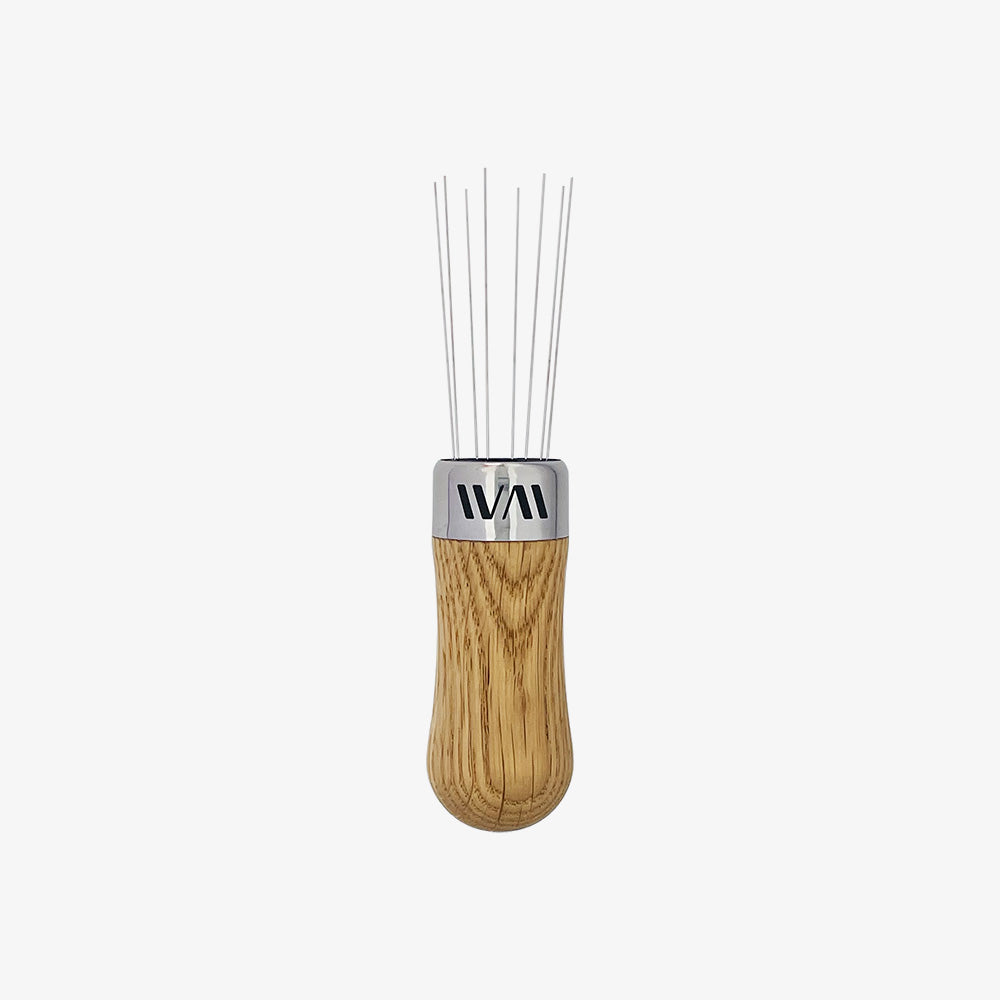
Wiedemann WDT Distribution Tool
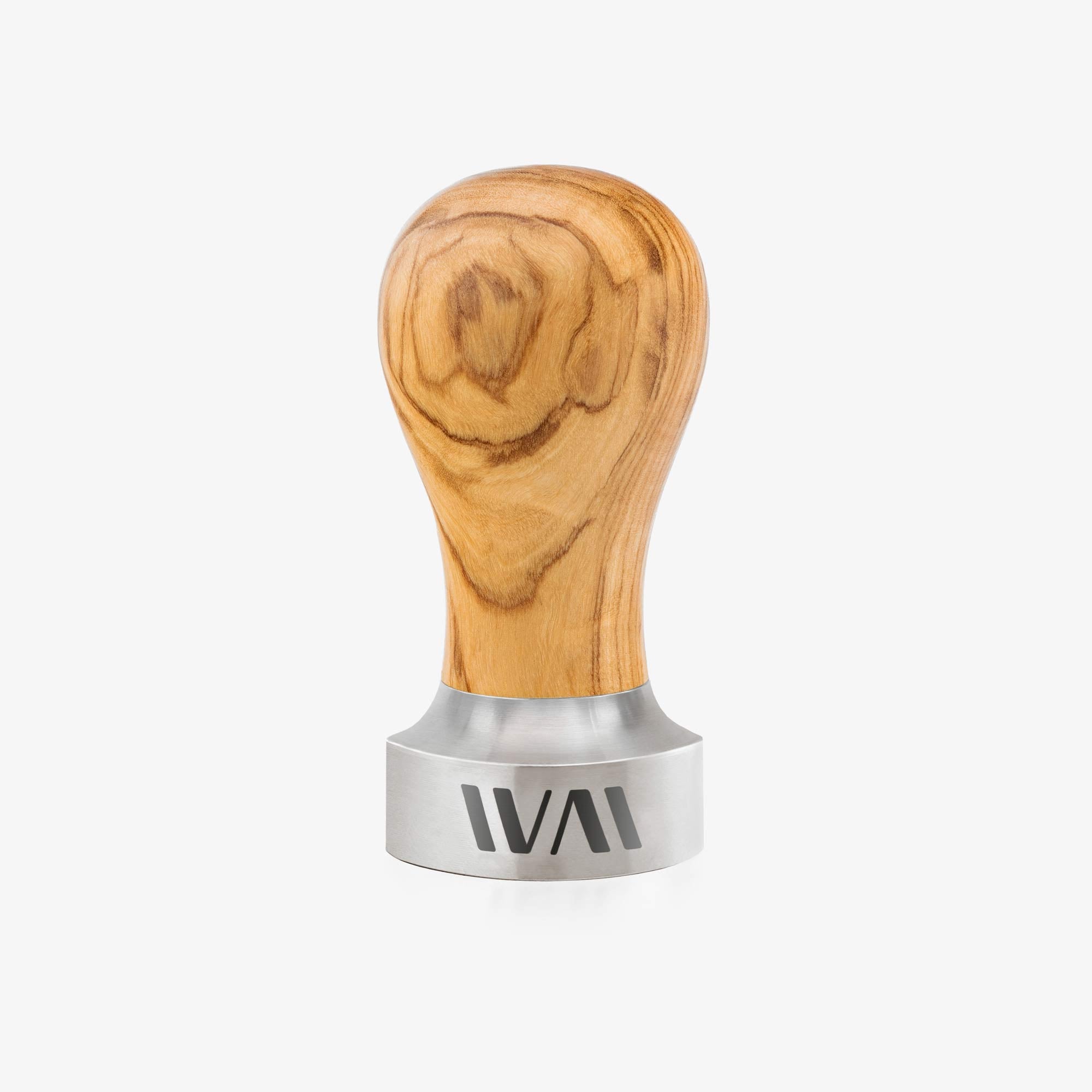
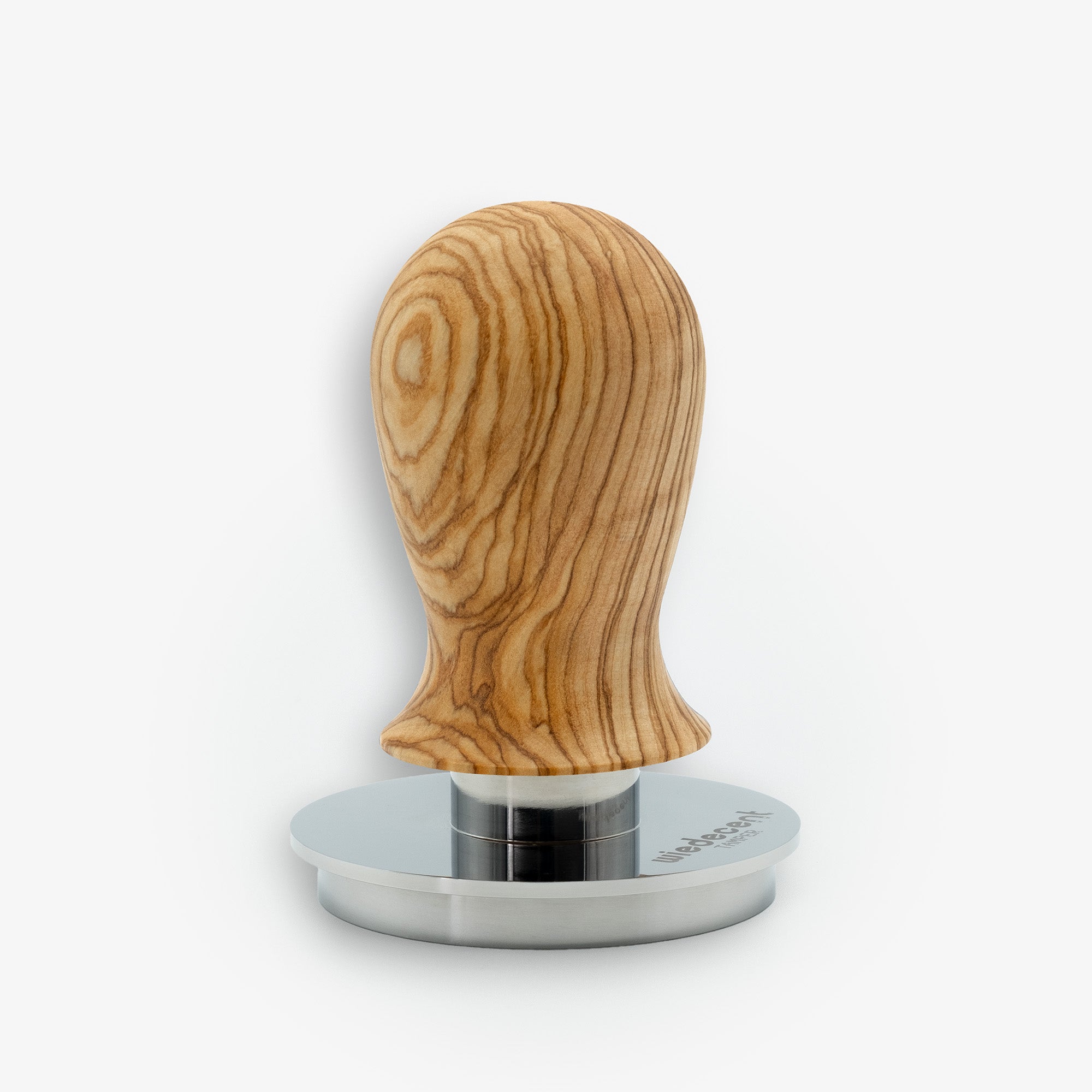
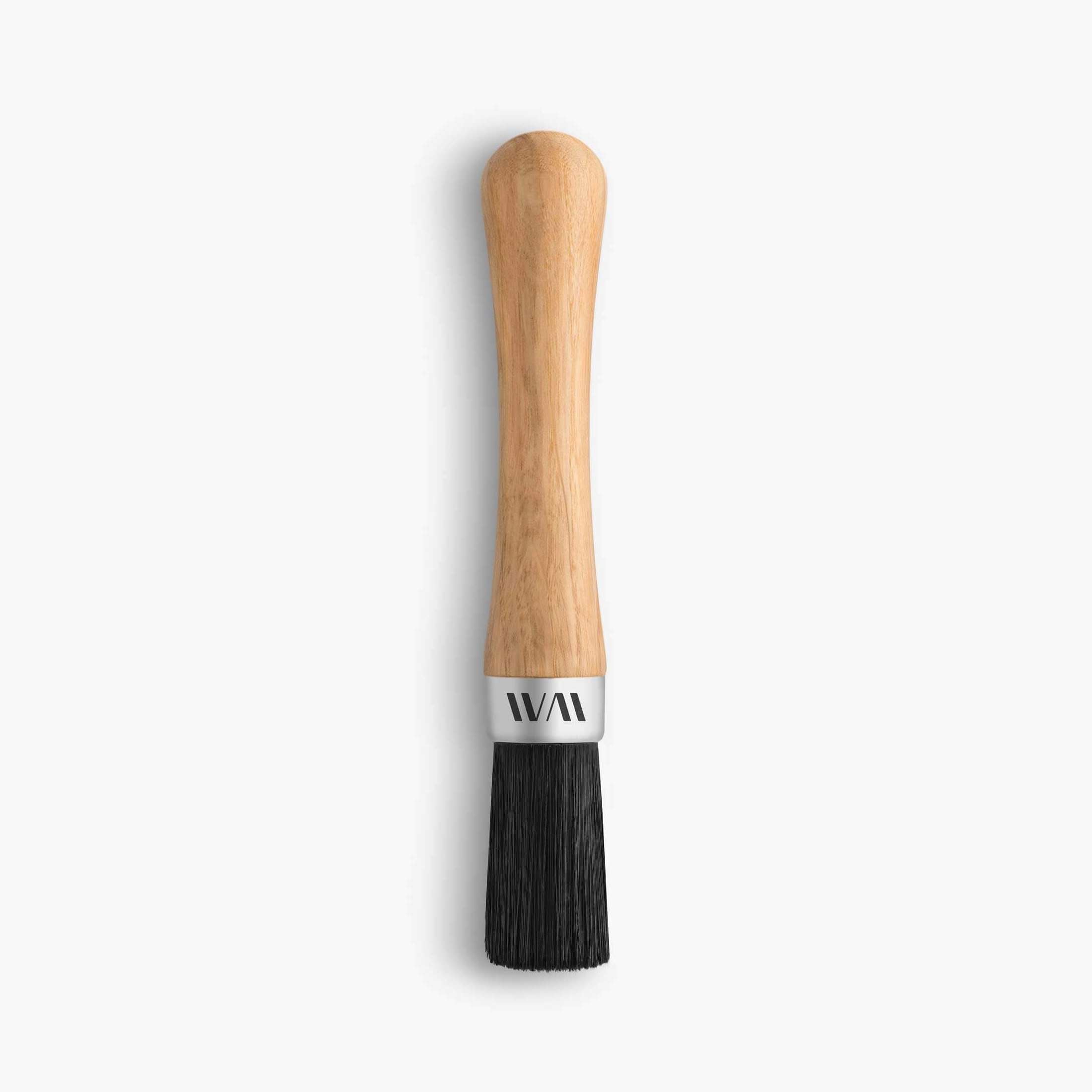
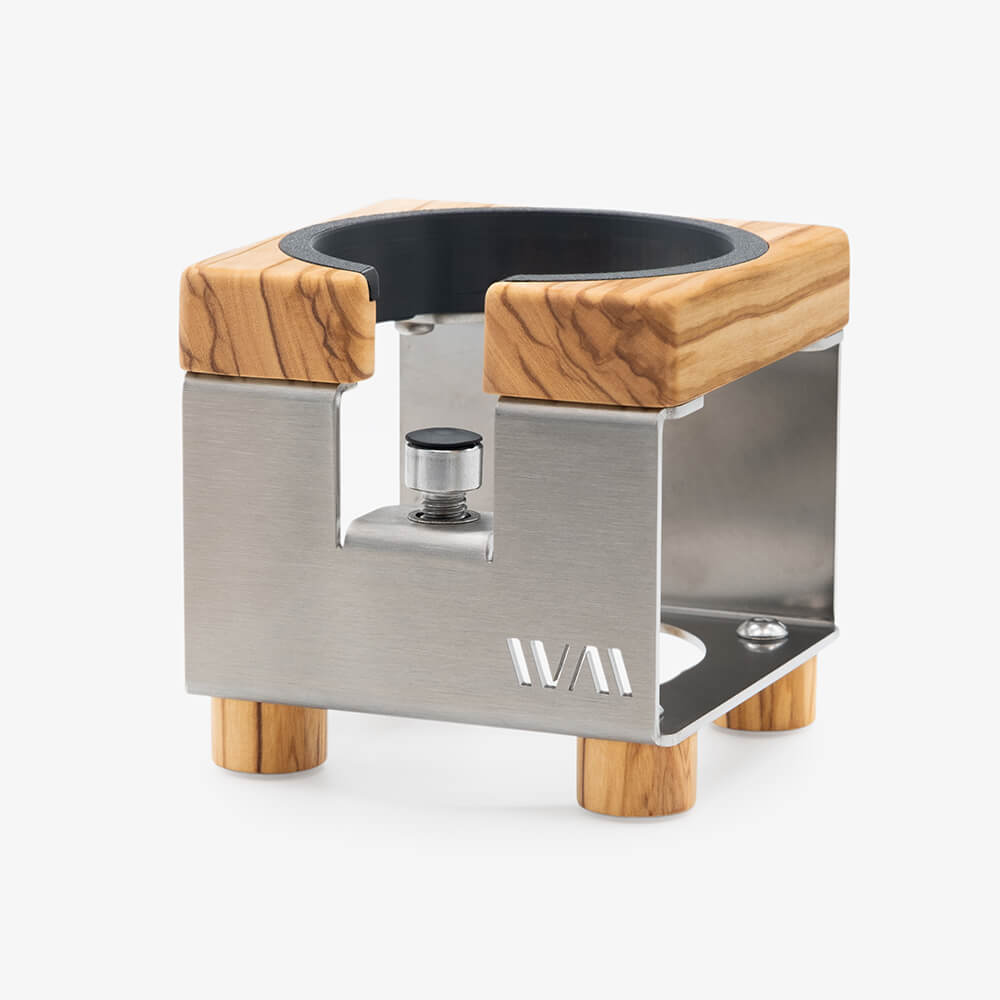
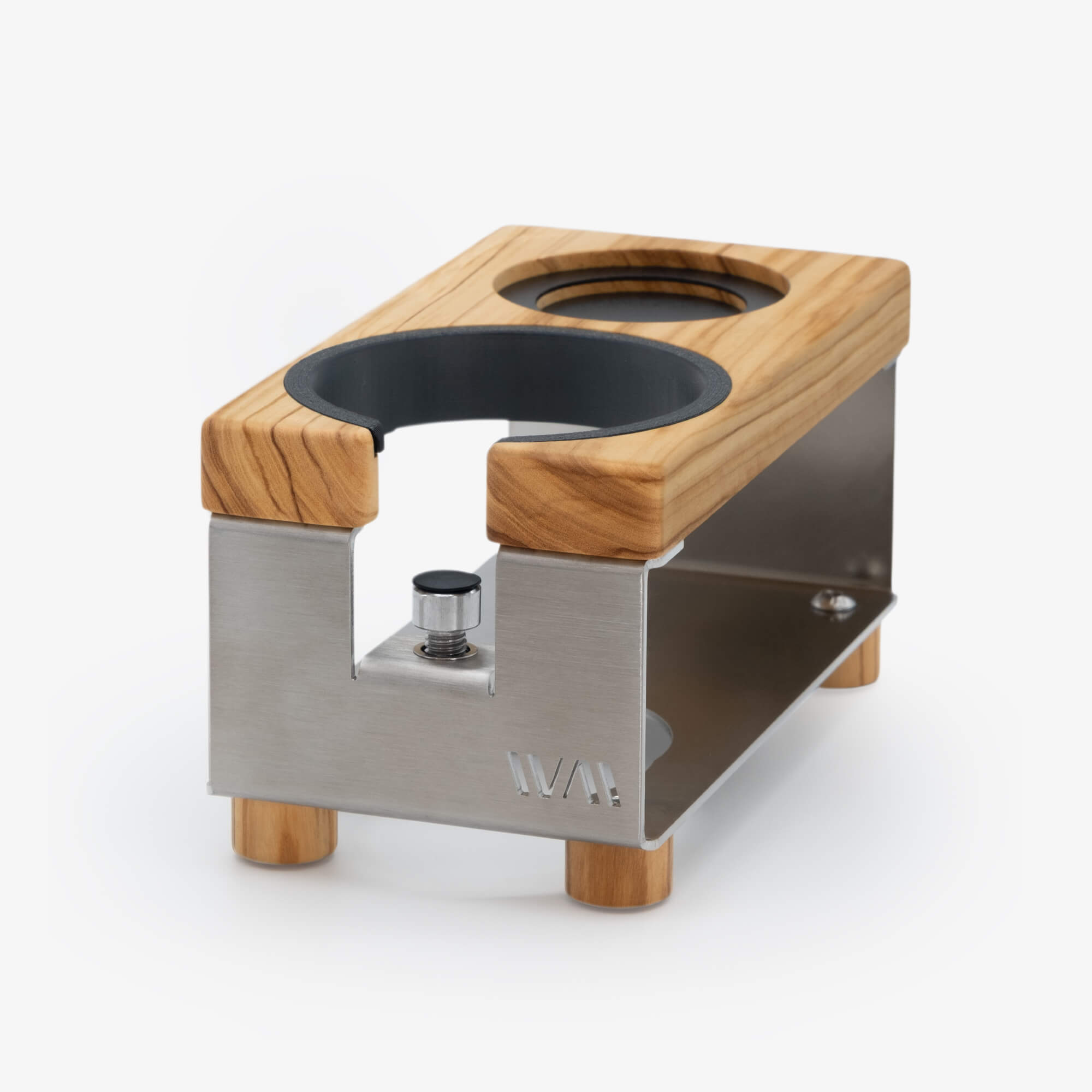
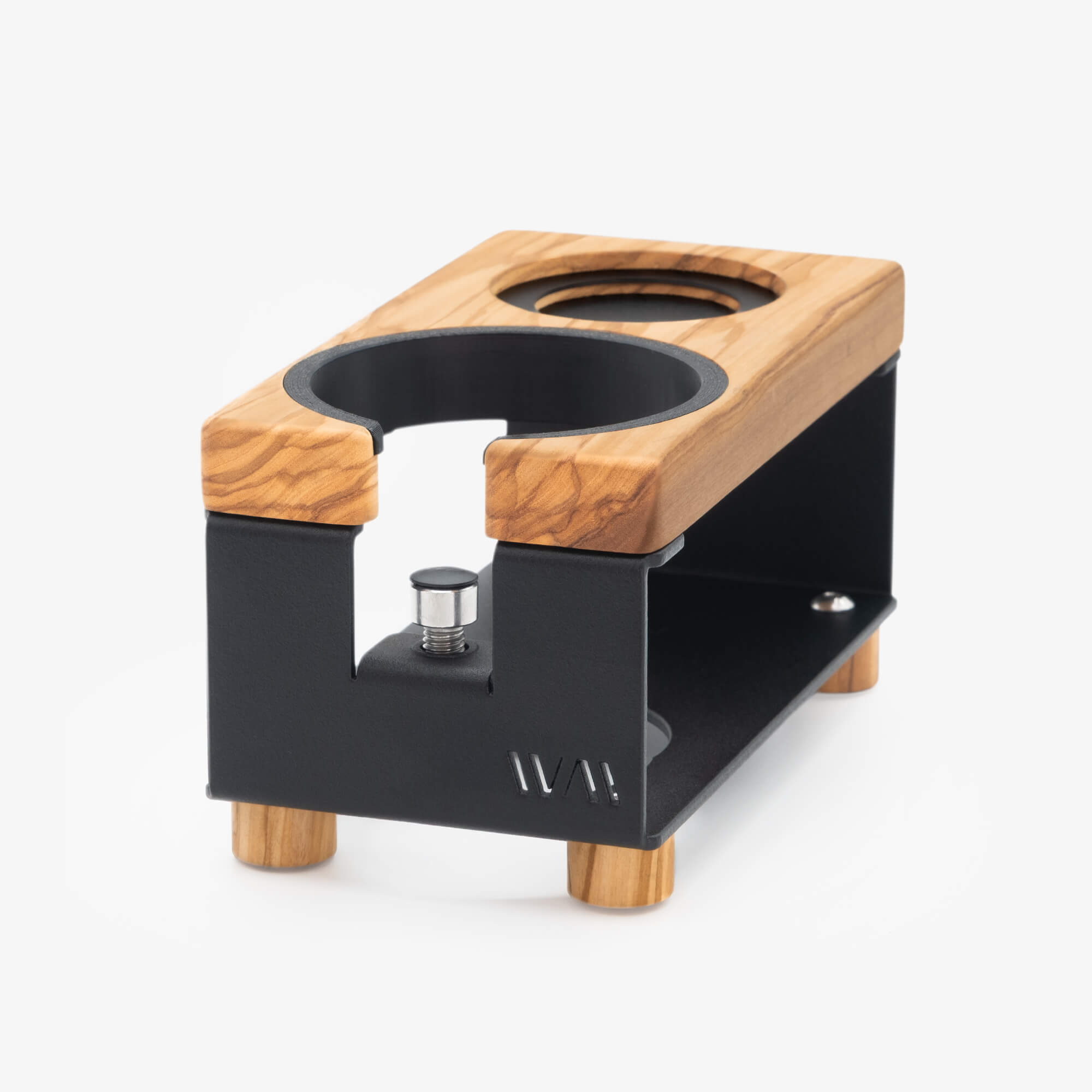
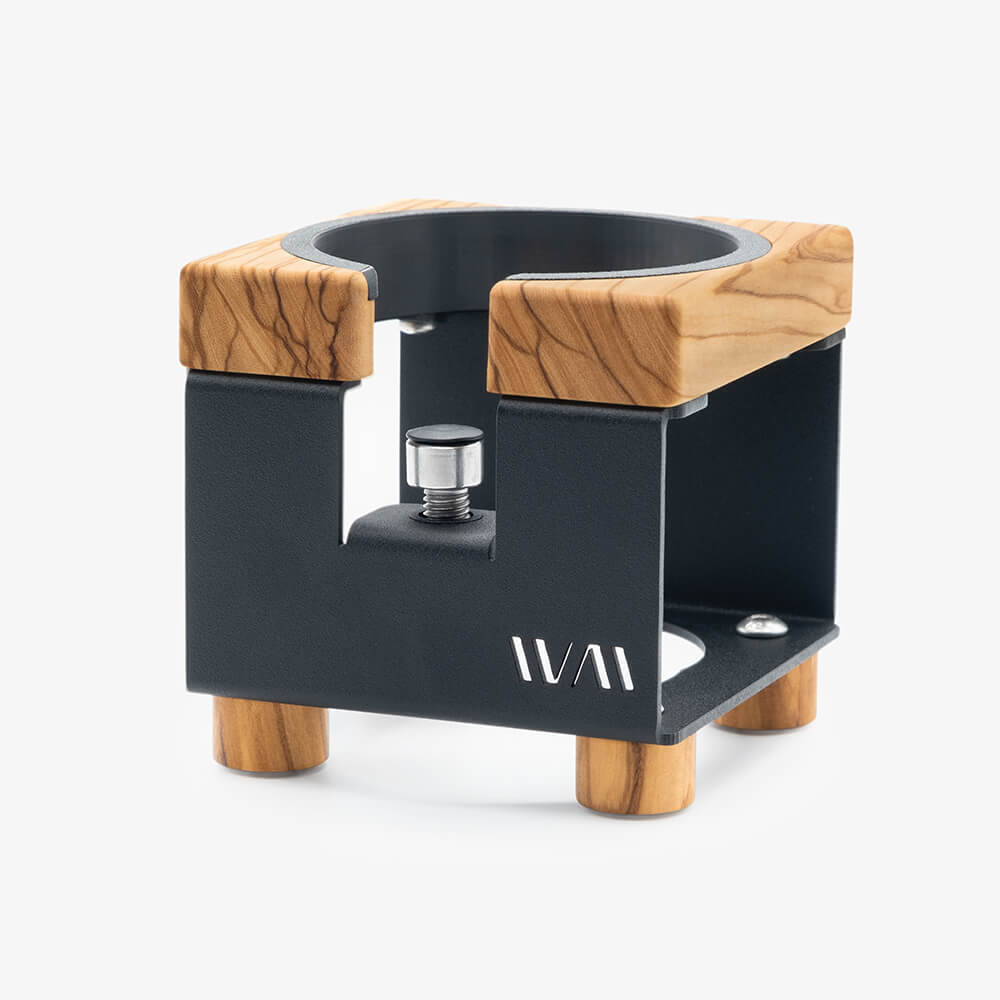
Wiedemann tamper station v2 - black matt variant
Upgrade for the Bezzera Espresso Machine
Suitable accessories for Bezzera
If you have any questions, please feel free to contact us at any time. We will get back to you as soon as possible, within 24 hours on weekdays.
-
shipping info
We ship all products the same day if ordered before 1pm.
-
Support
We will also be there to support you and advise you after your purchase. If you have any questions about the product you purchased from us, please contact us.
-
contact
Email: hello@naturbohne.de
Phone: 07454 / 870 48 64
Frequently Asked Questions
I bought a new coffee grinder from Naturbohne and there are coffee residues in it.
Please note: Some manufacturers test their coffee grinders before shipping, which means that small coffee residues or bean residues can occasionally be found in the grinder. This procedure is used to test functionality and is considered a quality feature. Of course, we only sell new products - unless expressly stated otherwise.
Static charge – coffee grounds spray out from the side
With some coffee grinders, the ground coffee can become statically charged and spray out of the portafilter at the side. This means that not all of the ground coffee gets into the portafilter, which can lead to uneven extraction. Our recommendation: Use a dosing funnel to ensure that all of the ground coffee is precisely fed into the portafilter - for optimal espresso enjoyment.
What is dead space in coffee grinders?
Conventional coffee grinders often leave a so-called dead space in which coffee residues accumulate. These residues can not only affect the freshness, but also lead to old and fresh coffee grounds being mixed, which negatively affects the taste. In contrast, single dose grinders have a well-thought-out design that eliminates the dead space. Each portion is ground individually and precisely so that no residues are left behind - for a consistently pure and full-bodied coffee experience.
Which portafilter fits my espresso machine?
When choosing the right portafilter for your portafilter machine, it is important to know that each manufacturer develops its own brewing group - the most well-known is the Faema E61. However, this does not mean that any portafilter will fit without any problems. An incompatible portafilter can leak, which will have a direct negative impact on the quality of your espresso. We therefore recommend using either the portafilter originally supplied or one that is explicitly stated to be compatible with your machine. This will ensure that the pressure is optimally built up and the espresso is perfectly extracted.
Can I visit you or pick up the goods personally?
Yes, of course, you are welcome to come by and look at our products by appointment. We would be happy to advise you personally. The best thing to do is to send us an email with a few suggested appointment times.
We are located 5 minutes from the motorway between Stuttgart and Lake Constance on the edge of the Black Forest.
Important note, first use coffee grinders
Another little tip for the perfect start with your new mill:
You will get the best grinding result after you have ground about 1-2 kg of beans. It is best to use a few cheap beans so that the grinder can work optimally. And if you are wondering what you can do with the bean flour - it is perfect plant fertilizer! 🌿
It contains nitrogen, potassium, sulfur and phosphorus and is a real nutrient bomb for your plants.
Can you perform an offset calibration on my espresso machine?
There are several arguments against offset calibration in Lelit espresso machines, particularly for models like the Lelit Bianca. These primarily relate to the complexity and limitations of offset as a sole solution for temperature problems:
- Temperature Fluctuations and Instability. The offset assumes a constant difference between boiler temperature and brewing temperature. In practice, however, temperature fluctuations can occur, e.g., due to long idle times or continuous brewing. This means the actual brewing temperature is not always precisely predictable.
- Dependence on Environmental Conditions. Factors such as room temperature, humidity, and the machine's condition (e.g., heat-up time) significantly influence the brewing temperature. A fixed offset cannot dynamically compensate for these variables, which can lead to inaccurate results.
- Heat Loss During Idle Times. After longer breaks, the brew group cools down, and the machine needs time to reach the desired temperature again. A correctly set offset cannot compensate for this, which is why additional measures such as a "cooling flush" are necessary.
- Factory Miscalibrations. It has been observed in some Lelit models that the factory-set offset is often inaccurate (e.g., 4–8 degrees too low on the Lelit Bianca). This requires manual recalibration by specialist personnel, which can be complicated for end-users.
- Misunderstandings in Application. Many users are confused by conflicting information regarding offset settings, which can lead to maladjustments. For example, it is often expected that the offset alone will solve all temperature problems, even though it is only one part of a more complex system.
Conclusion
Offset calibration is a useful tool, but it should not be considered in isolation. A combination of precise PID control, regular maintenance, and adapted techniques (e.g., flushing) is necessary to achieve optimal brewing results.
Do you have any more questions?
contact
If you have any questions about our products, please write to us here or use the chat function.