


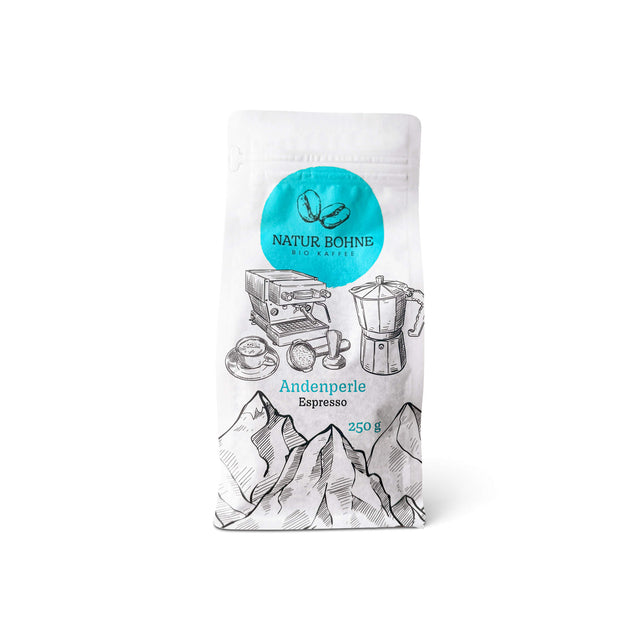
 Andenperle Bio Espresso aus Peru, Villa Rica
Mild and nutty on the first sip, with almond and caramel, followed by a fine citrus note.
Start recipe: 17-18 g → 34-43 g (1:2 to 1:2.5) in 27-30 s
1
By flavour
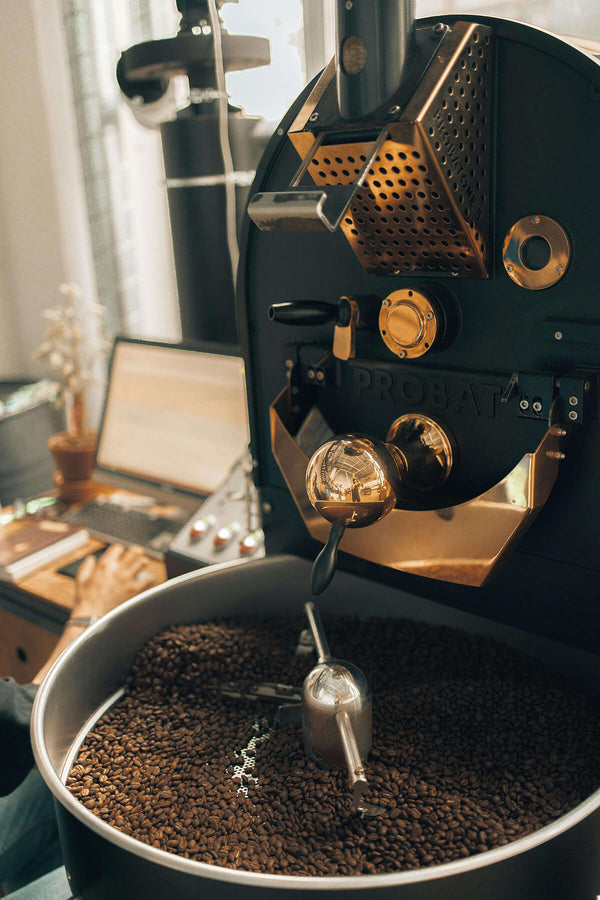 Always freshCoffee subscriptionFreshly roasted and delivered automatically.View →
By use
More affordable
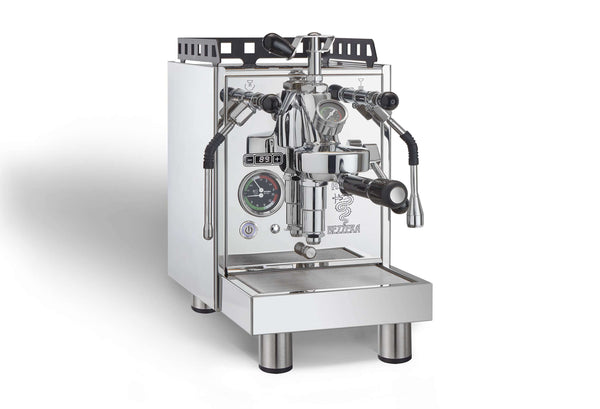 Inspected & discountedDisplay items & B-stockInspected machines at a discount.View →
By use
By technology
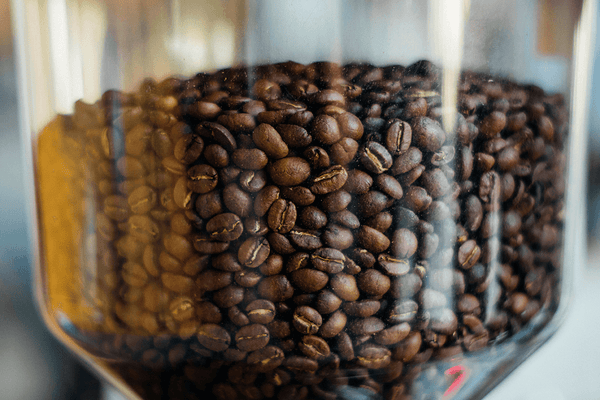 From the magazineThe best grinders up to €500Hopper grinders for espresso compared.View →
Popular
Care & water
Refine
 New: setsWiedemann SetsBarista and finishing sets in a single wood type, up to 7% cheaper.View →
Who it's for
Terms
PersonalOffer for your teamMachine, grinder and beans from a single source.View →
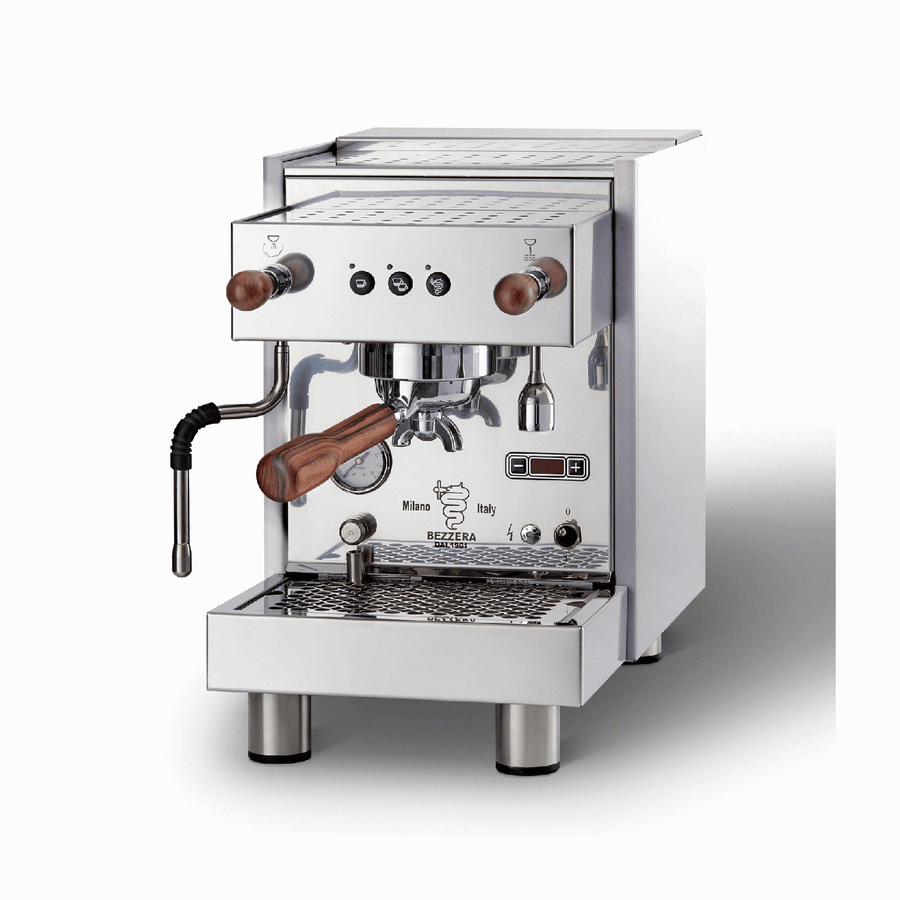
A heat exchanger keeps brew water and steam ready at the same time. You pull espresso and steam milk without switching and without waiting.
Bezzera's own brew group, actively heated.
Brass combines good thermal conductivity with robustness and has been common in espresso machines for decades.
With a tank the machine does not need a water connection and can be placed anywhere there is a power outlet.
58 millimeters is the most common size.
A PID control continuously measures the temperature and regulates the heater accordingly, instead of simply switching it on and off at a threshold.
The vibration pump is the most common type for home use: compact, affordable, reliable.
The machine measures the amount of water that has passed through and stops automatically.
The same values by which you filter and compare in the shop. Is something missing? Write to us, we'll add it.
Bezzera's own brew group, actively heated. Be careful with accessories: the portafilter connection is different from an E61, they are not interchangeable. Tampers and levelers still fit, because their size refers to the basket, not the group.
The vibration pump is the most common type for home use: compact, affordable, reliable. It is audible, namely for the duration of the extraction, about half a minute.
A PID control continuously measures the temperature and regulates the heater accordingly, instead of simply switching it on and off at a threshold. The difference does not show in the first espresso of the day but in the third in a row: the machine hits the same point again.
Brass combines good thermal conductivity with robustness and has been common in espresso machines for decades. As with copper, water hardness determines how often you need to descale.
With Flow Control you manually control how quickly the water runs through the coffee grounds: start slowly, then increase pressure. That takes the edge off acidic beans and gives you an extra adjustment. Without Flow Control the extraction runs at a fixed pressure, and that is enough for most recipes.
With a tank the machine does not need a water connection and can be placed anywhere there is a power outlet. For that you have to refill, and the water quality is in your hands: filtered or soft water reduces descaling.
The machine measures the amount of water that has passed through and stops automatically. This makes shots repeatable without anyone watching the scale and is the reason this technique comes from the foodservice industry.
58 millimeters is the most common size. Baskets, tampers, levelers and distributors are available for it from many manufacturers, so you are not tied to an unusual size or a single supplier.
The top surface of the machine is warmed by residual heat. A prewarmed cup draws less heat from the espresso, and those last degrees decide whether it still tastes the same in the glass as in the cup.
The machine switches itself off after a set time or goes into a low-power state. That saves electricity when you turn it on in the morning and then forget about it during the day. Without standby it stays on until you switch it off.
Manufacturer: Bezzera · G. Bezzera SRLVia Luigi Bezzera 120088 Rosate, Italy+39.02.90848102https://www.bezzera.it/en/home
Three varieties that we have dialed in on exactly this machine. Start recipe included.
All coffee beans in our range are organic.
Andenperle Bio Espresso aus Peru, Villa RicaMild and nutty on the first sip, with almond and caramel, followed by a fine citrus note.
Start recipe: 17-18 g → 34-43 g (1:2 to 1:2.5) in 27-30 s
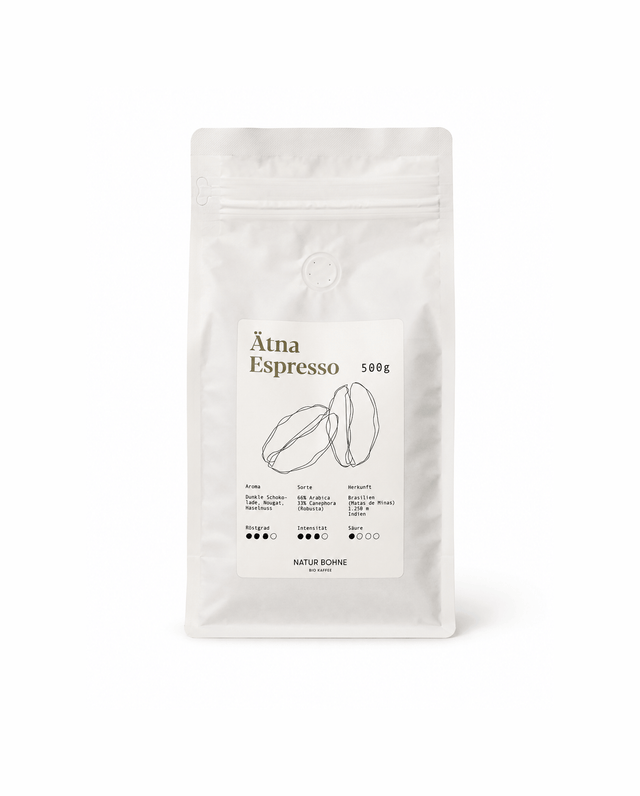 Ätna Organic Espresso, dark roasted
Dark chocolate, nougat and roasted hazelnut. Full, syrupy body, dense hazelnut-brown crema, very low acidity.
Start recipe: 17-18 g in the double basket → 34-38 g in 25-28 s
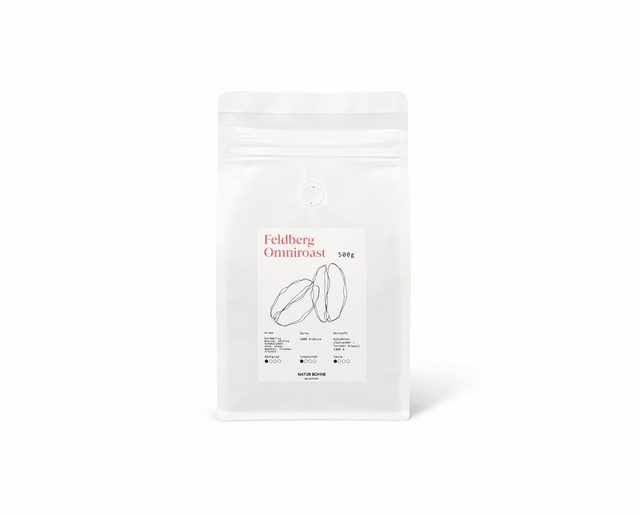 Feldberg organic coffee Colombia, Omniroast Single Origin
Panela and caramel on the first sip, followed by almond and dark chocolate, plus a distinct dried fruit note and a lively, juicy acidity.
Start recipe: 17-18 g in the double basket → 36-40 g (Brew Ratio 1:2 to 1:2.3) in 28-32 s
Beans ship free with the machine and come from the same roast week.
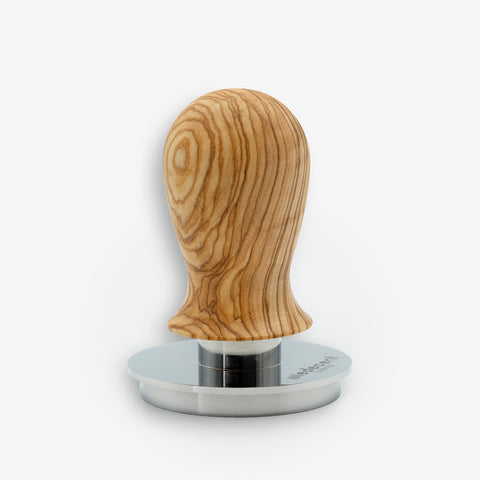 Wiedecent Tamper V6 58.35 mm
The tamper supplied with most machines is made of plastic. A properly fitting tamper fills the portafilter basket to the edge, and it is exactly there that you find out whether the water will flow through evenly.
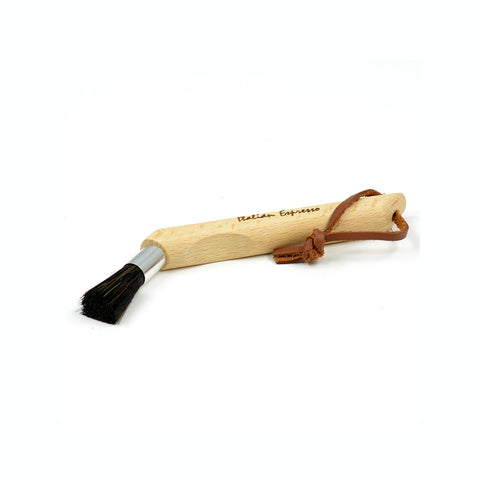 Brewing group brush with wooden handle
Run it through the brew group once a day, two minutes of work. Without that, coffee oils build up on the shower screen and the extraction becomes uneven long before you taste it.
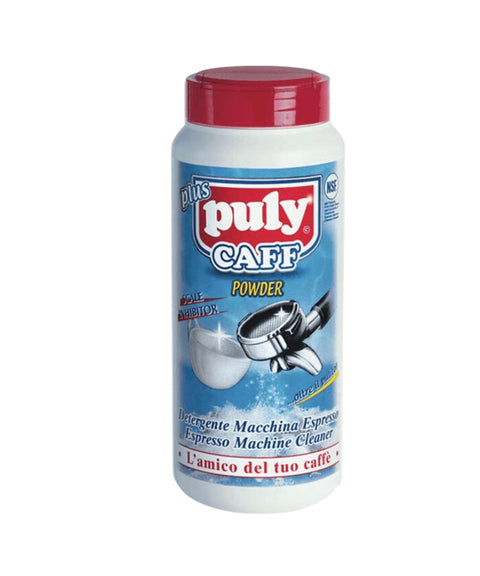 PULY Caff Powder NSF
Backflush with a blind basket every one to two weeks. This removes the coffee oils from the group head and valve that the water jet does not reach.
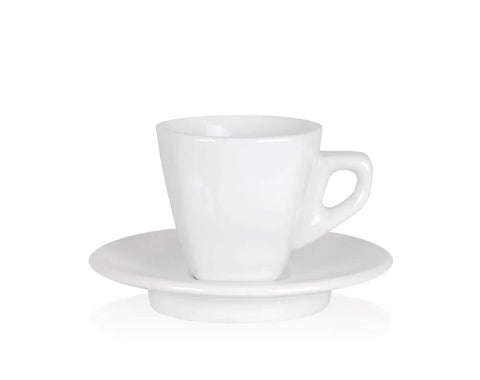 NuovaPoint Asti espresso cups, 6-piece set
Sechs Espressotassen mit Untertasse, 68 ml: die Größe, in die auch ein doppelter Bezug passt.
You write to us, not the manufacturer. We organize pickup, repair and return shipping.
Seals, shower screens, pumps in stock. Maintenance service recommended after two years.
* Creditworthiness required. Installment example PayPal Installments: effective annual interest rate 12,49 % p. a., fixed nominal interest rate 11,80 % p. a., term 24 months. PayPal shows terms and total costs in the next step. Only for customers resident in Germany.
Write to us if you are unsure about the selection. We roast ourselves and drink what we sell.