


Bezzera Aria Classic MN and TOP Stainless Steel – Portafilter machine with E61 & dual circuit
incl. VAT
Finanzieren ab 73,79 € / Monat* mit
🚚 Shipping within EU: 49 €
EU shipping costs, see shipping policy.
🚚 Shipping within EU: 49 €
EU shipping costs, see shipping policy.
Bezzera Aria Classic MN and TOP Stainless Steel – Portafilter machine with E61 & dual circuit
Kompakte E61-Zweikreiser-Siebträgermaschine (Wärmetauscher) – zwei Varianten zur Auswahl Die Bezzera Aria kombiniert die ikonische E61-Brühgruppe mit Zweikreiser-/Wärmetauscher-Technik – so kannst du Espresso beziehen und gleichzeitig Milch schäumen. Wähle MN für klassisch-direktes Handling oder TOP für mehr Komfort und ein deutlich ruhigeres Gefühl durch die Rotationspumpe. Hinweis: Beide Varianten teilen die Grundidee: Zweikreiser + E61. Der wichtigste Alltagsunterschied ist der Pumpentyp – und damit Geräusch-/Komfortgefühl. Mühlen-Empfehlung zur Aria: Fiorenzato, Mahlkönig, Eureka. MN ist ideal, wenn du klassische, robuste Technik suchst und Lautstärke kein Hauptkriterium ist. TOP passt besonders gut, wenn du eine offene Wohnküche hast, morgens leiser arbeiten willst oder häufiger mehrere Getränke hintereinander machst. Die Aria ist ein Zweikreiser (Wärmetauscher/HX). Das bedeutet: Du kannst Espresso beziehen und gleichzeitig Milch schäumen – ohne Wartezeit. Ja – genau dafür ist ein Wärmetauscher-System gemacht. Das ist einer der Hauptgründe, warum viele Home-Baristas zum Zweikreiser greifen. Als Richtwert gelten 10–15 Minuten (TOP) bzw. 20–25 Minuten (MN). Für maximale Konstanz lohnt sich jedoch meist ein vollständiges Durchwärmen – insbesondere wegen der massiven E61-Brühgruppe. Viele Nutzer machen vor dem Espresso einen kurzen Leerbezug, um überhitztes Wasser aus dem Wärmetauscher zu entfernen. Das sorgt oft für konstantere Ergebnisse – besonders nach längeren Standzeiten. Ja, die Aria ist für Milchgetränke ausgelegt. Entscheidend ist die Technik: kurz Kondenswasser ablassen, dann sauber texturieren (feinporig, glänzend). So gelingen Cappuccino & Latte Art deutlich leichter. Im Alltag empfinden viele Nutzer Rotationspumpen als deutlich leiser und „smoother“. Wenn Geräuschlevel ein Kriterium ist, ist das TOP-Modell oft die bessere Wahl. Nein. Beide Varianten laufen über Tankbetrieb und sind dadurch flexibel aufstellbar. Für konstante Extraktion ist eine präzise Espressomühle entscheidend. Als Hersteller-Empfehlung (je nach Budget/Anspruch): Fiorenzato, Mahlkönig, Eureka. Ja – wenn du Lust auf Siebträger-Workflow hast. Mit Waage, Timer, frischen Bohnen und etwas Routine liefert die Aria schnell sehr gute Ergebnisse. Espresso, Americano sowie Milchgetränke wie Cappuccino, Latte Macchiato oder Flat White – dank Zweikreiser-Technik ohne Umstellzeit. Im Alltag: kurz reinigen (Siebträger/Brühgruppe/Dampflanze), regelmäßig Rückspülen und auf Wasserqualität achten. Das hält die Performance stabil und verlängert die Lebensdauer. In der Praxis ist oft die Mühle der größere Qualitätshebel. Eine starke Maschine mit schwacher Mühle limitiert Geschmack und Konstanz deutlich. Klassiker: ausreichend vorheizen, richtigen Mahlgrad finden, konstante Dosis/Output nutzen und nach Standzeit kurz flushen. Ein wiederholbarer Workflow ist hier wichtiger als ständiges „Herumprobieren“. Bei häufigem Einsatz, mehreren Getränken hintereinander oder geräuschempfindlicher Umgebung ist die TOP-Variante oft die komfortablere Entscheidung.Bezzera Aria – klassische italienische Espressoqualität für den Alltag zu Hause
Unterschiede im Überblick
Merkmal
Classic MN Manual
Classic Top MN
Pumpe
Vibrationspumpe
Rotationspumpe
Aufheizzeit (Richtwert)
ca. 20–25 Minuten
ca. 10–15 Minuten
Leistung
1200 W
1500 W
Wasserzufuhr
Tankbetrieb
Tankbetrieb
Maße (B×T×H)
251 × 428 × 411 mm
250 × 425 × 425 mm
Gewicht
ca. 24 kg
ca. 20 kg
Für wen?
Klassischer Einstieg, starker Zweikreiser ohne Schnickschnack
Komfort & leiser Betrieb, ideal für offene Wohnküche / häufige Nutzung
So holst du das Beste aus der Aria heraus
Zur Mühlen-KollektionHäufige Fragen
Welche Bezzera Aria ist die richtige – MN oder TOP?
Ist die Bezzera Aria ein Zweikreiser oder Dualboiler?
Kann ich wirklich gleichzeitig Espresso brühen und Milch aufschäumen?
Wie lange muss ich die Bezzera Aria vorheizen?
Muss ich bei einem Zweikreiser vor jedem Bezug flushen (Cooling Flush)?
Wie stark ist die Dampflanze – reicht das für Latte Art?
Ist die Rotationspumpe wirklich leiser als die Vibrationspumpe?
Brauche ich einen Festwasseranschluss?
Welche Mühle passt zur Bezzera Aria?
Ist die Aria auch für Einsteiger geeignet?
Welche Getränke kann ich mit der Aria zubereiten?
Wie hoch ist der Pflegeaufwand bei einer E61-Maschine?
Was ist wichtiger – Maschine oder Mühle?
Wie verhindere ich bitteren oder sauren Espresso?
Welche Variante lohnt sich bei häufiger Nutzung oder mehreren Personen?
Weiterführend
Informations sur le fabricant
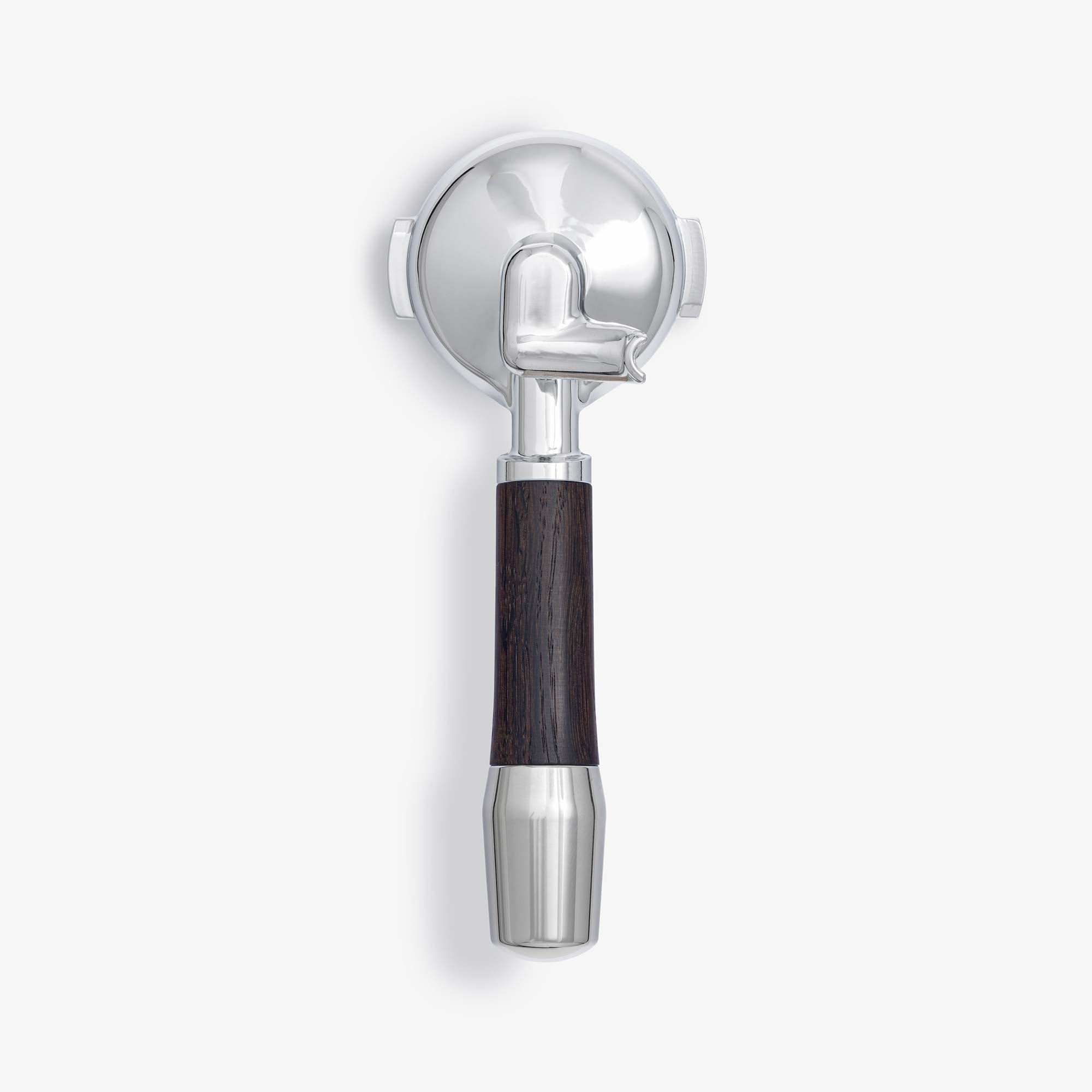
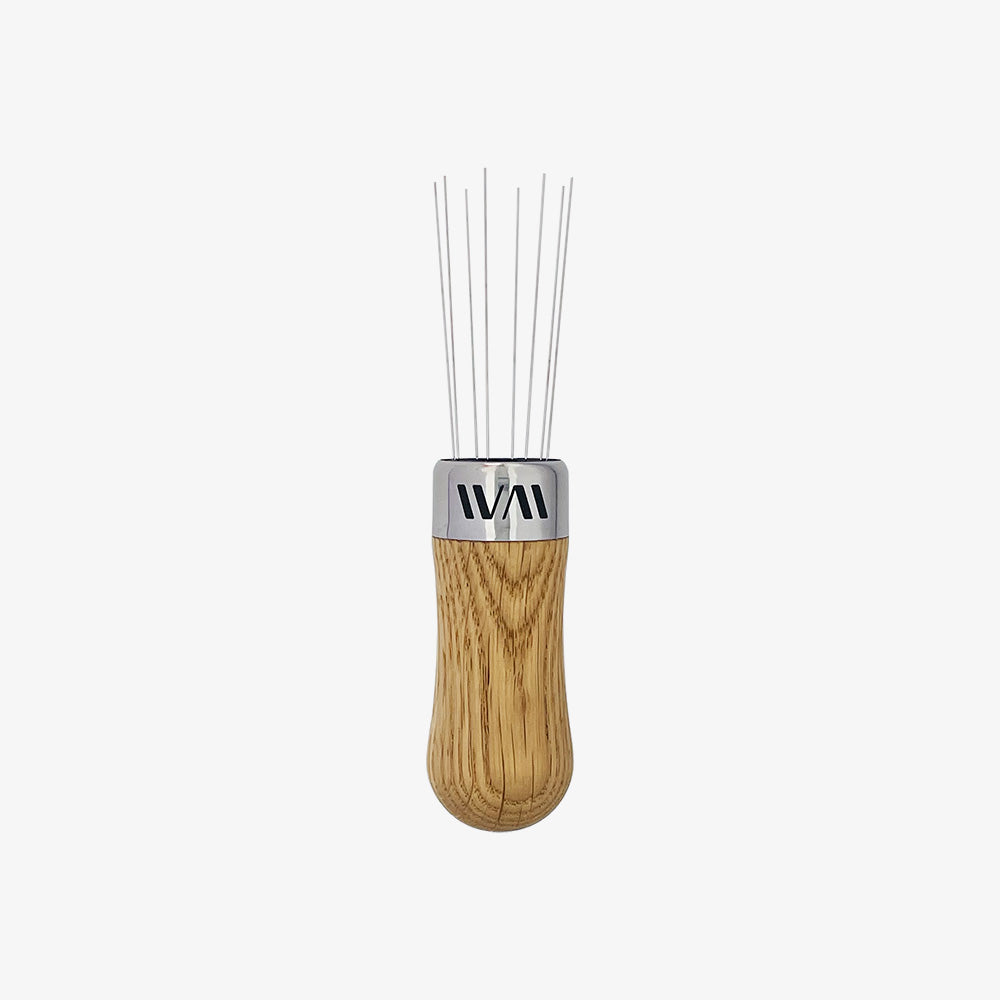
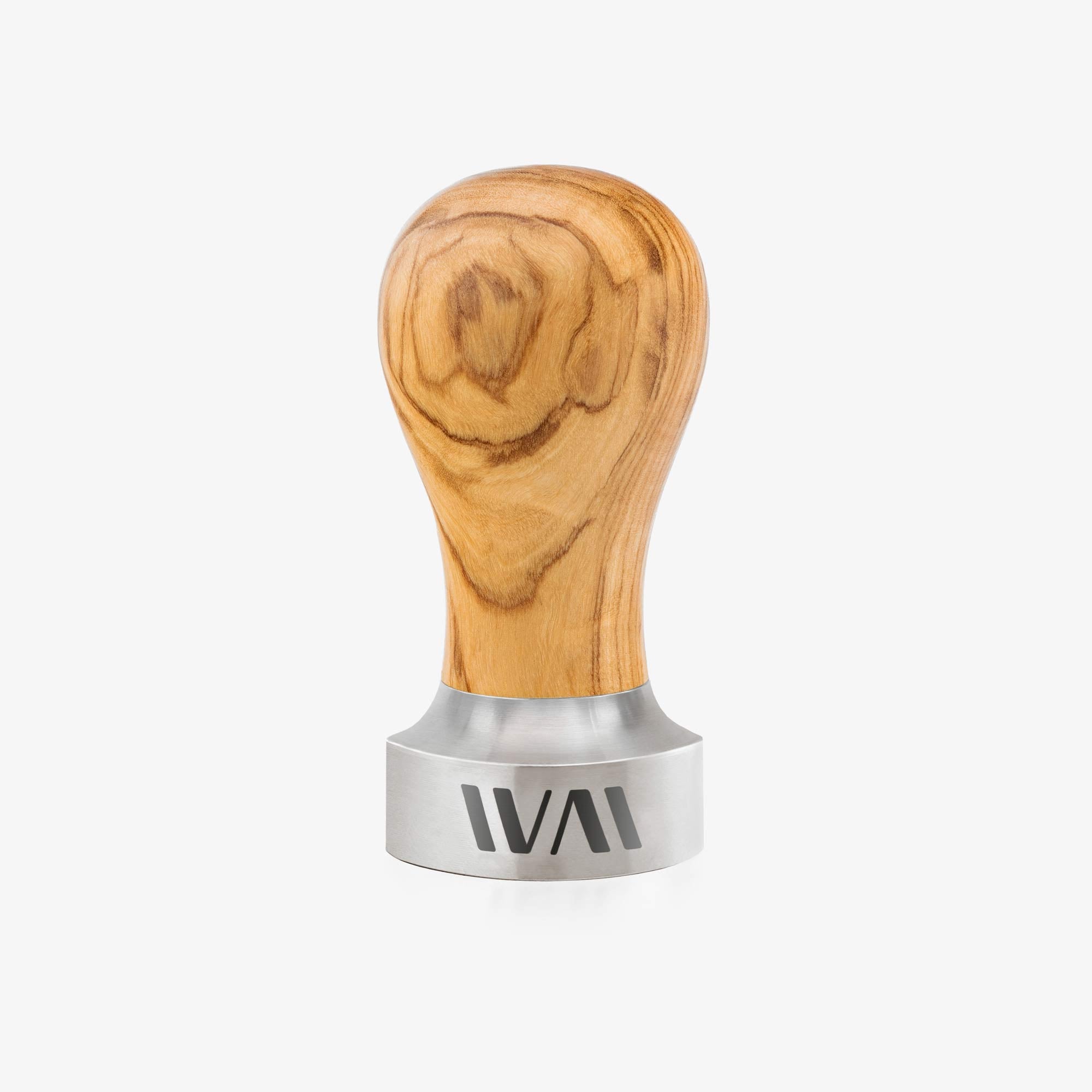
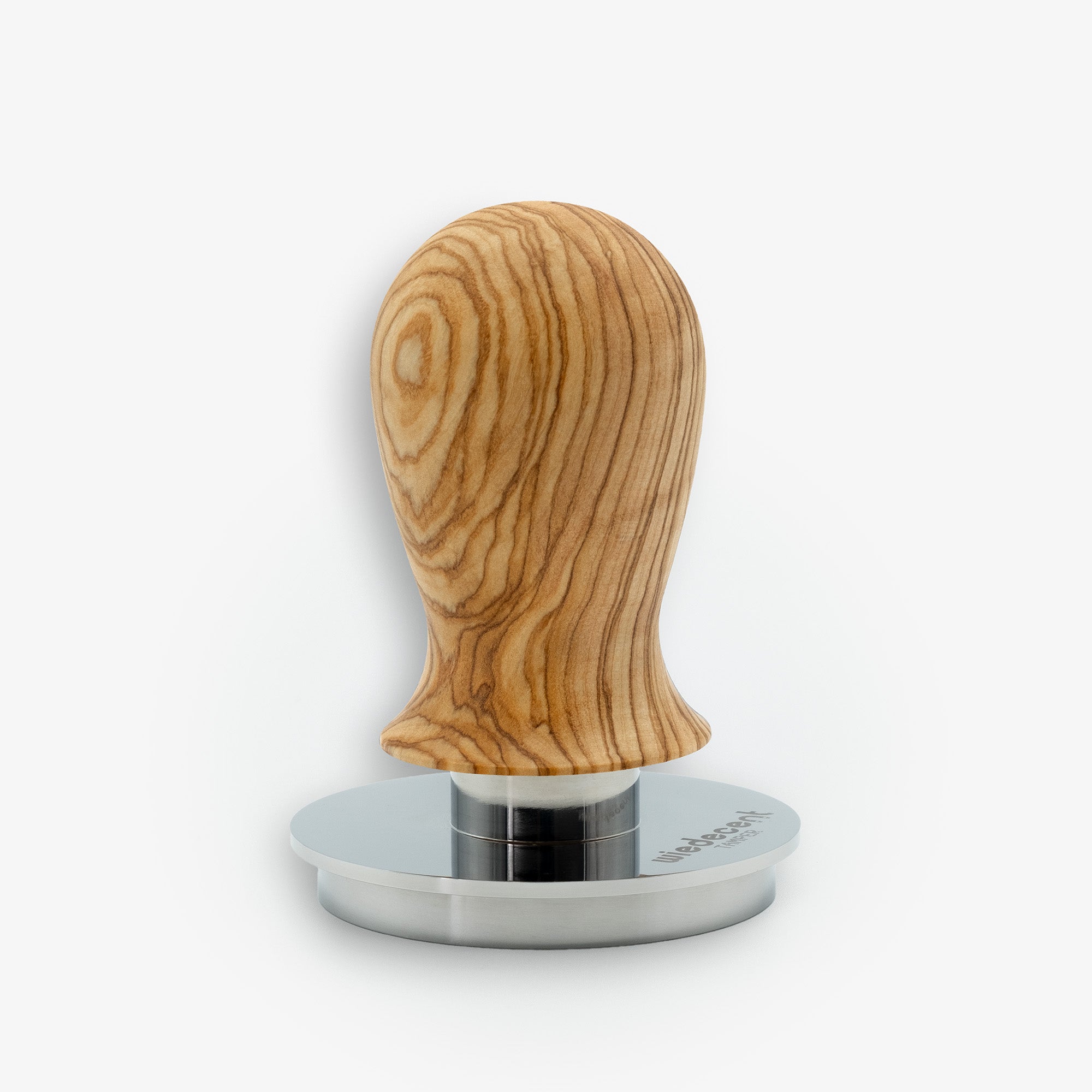
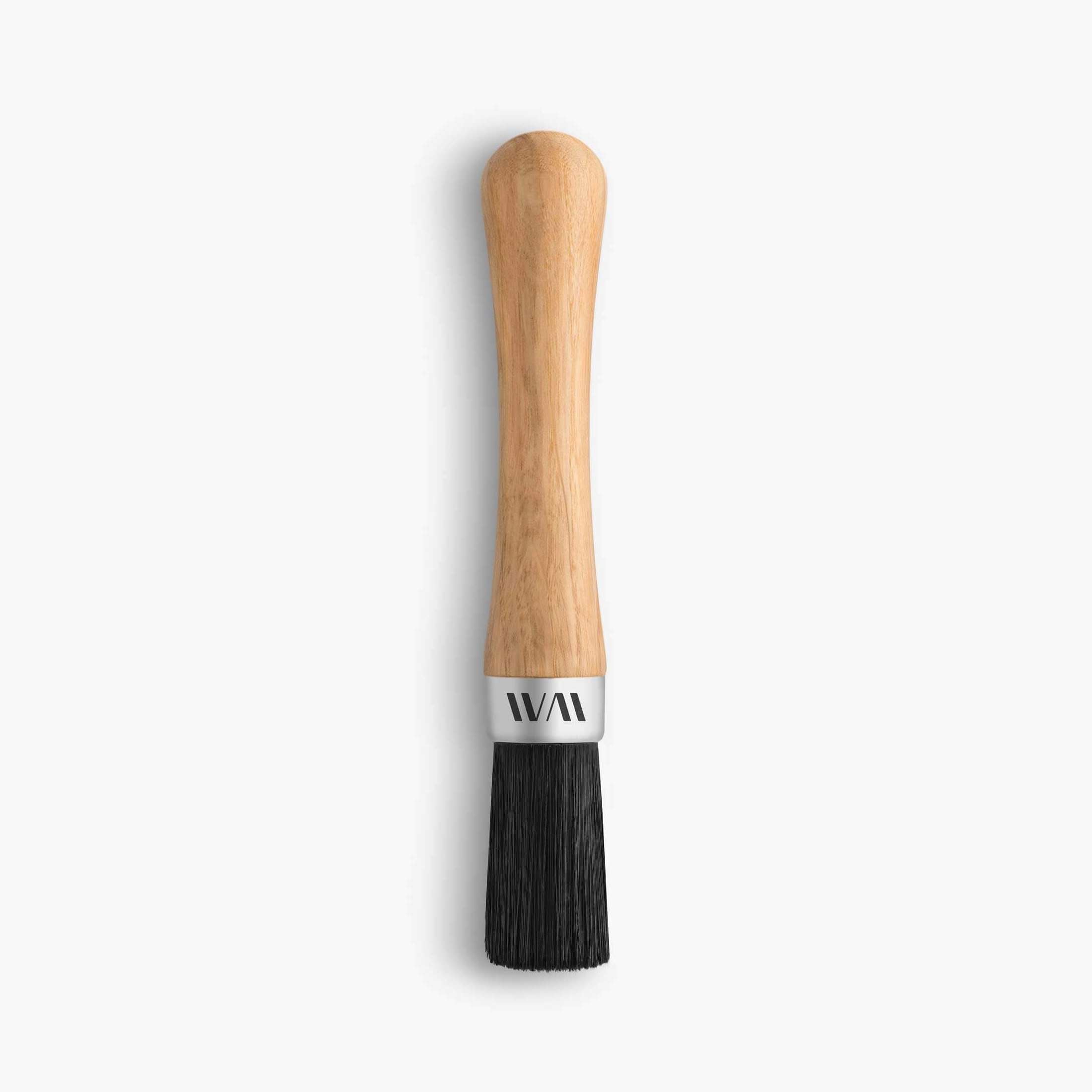
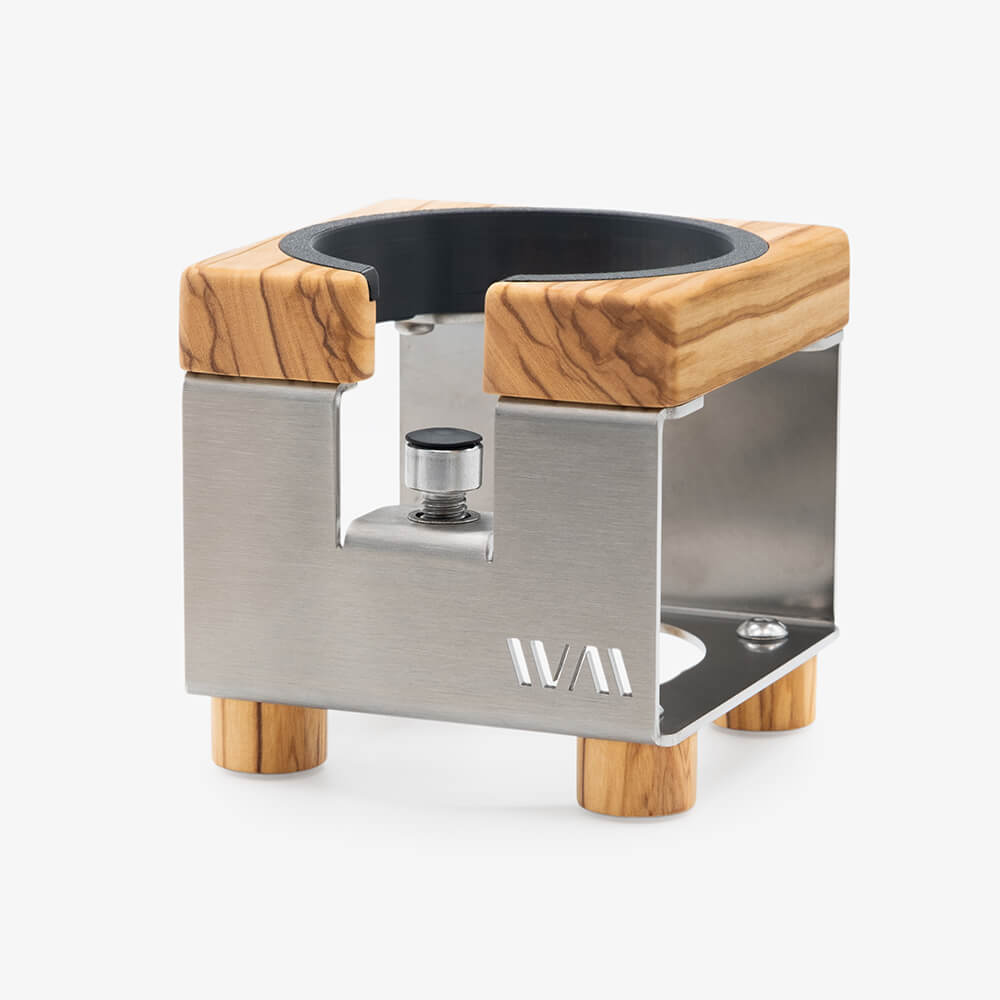
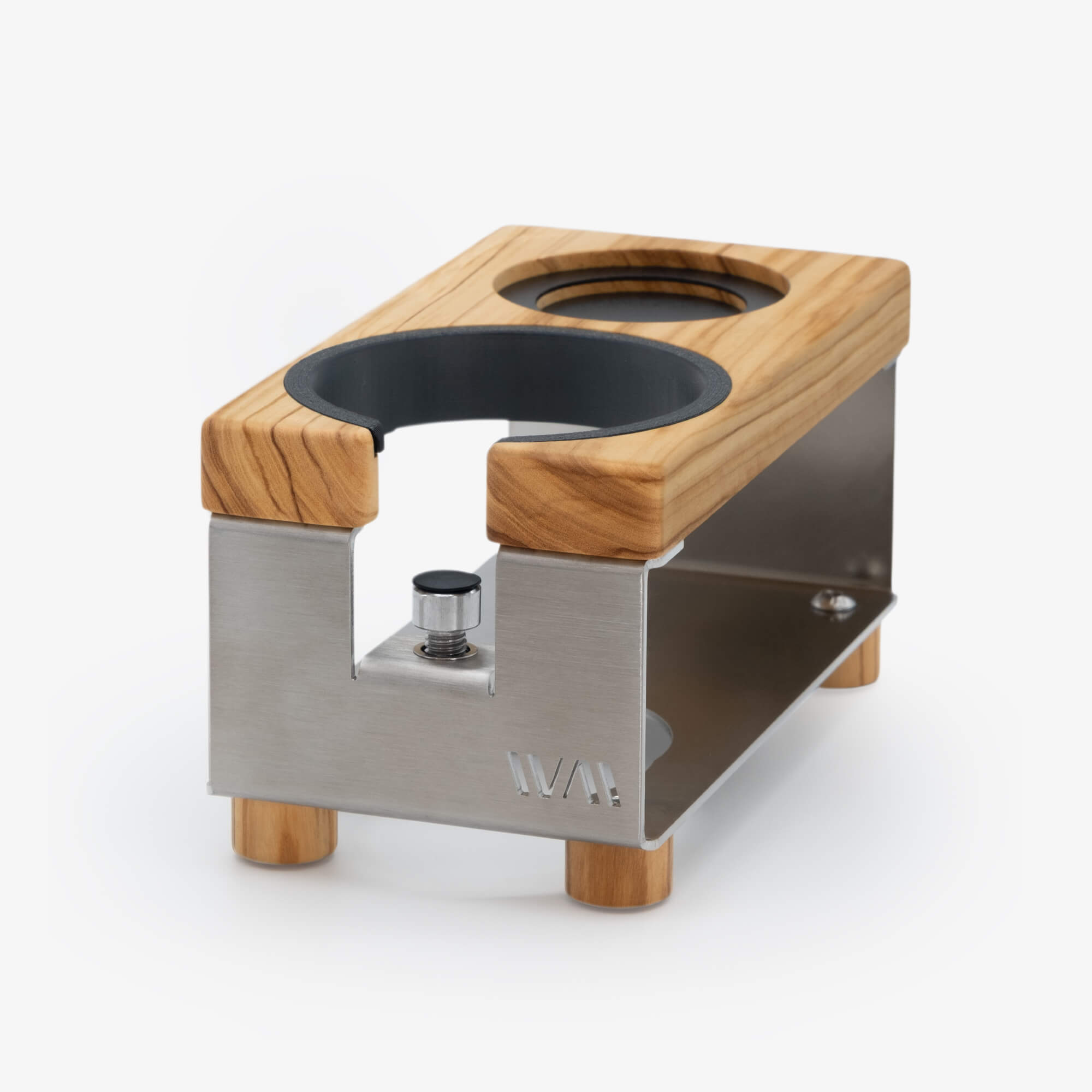
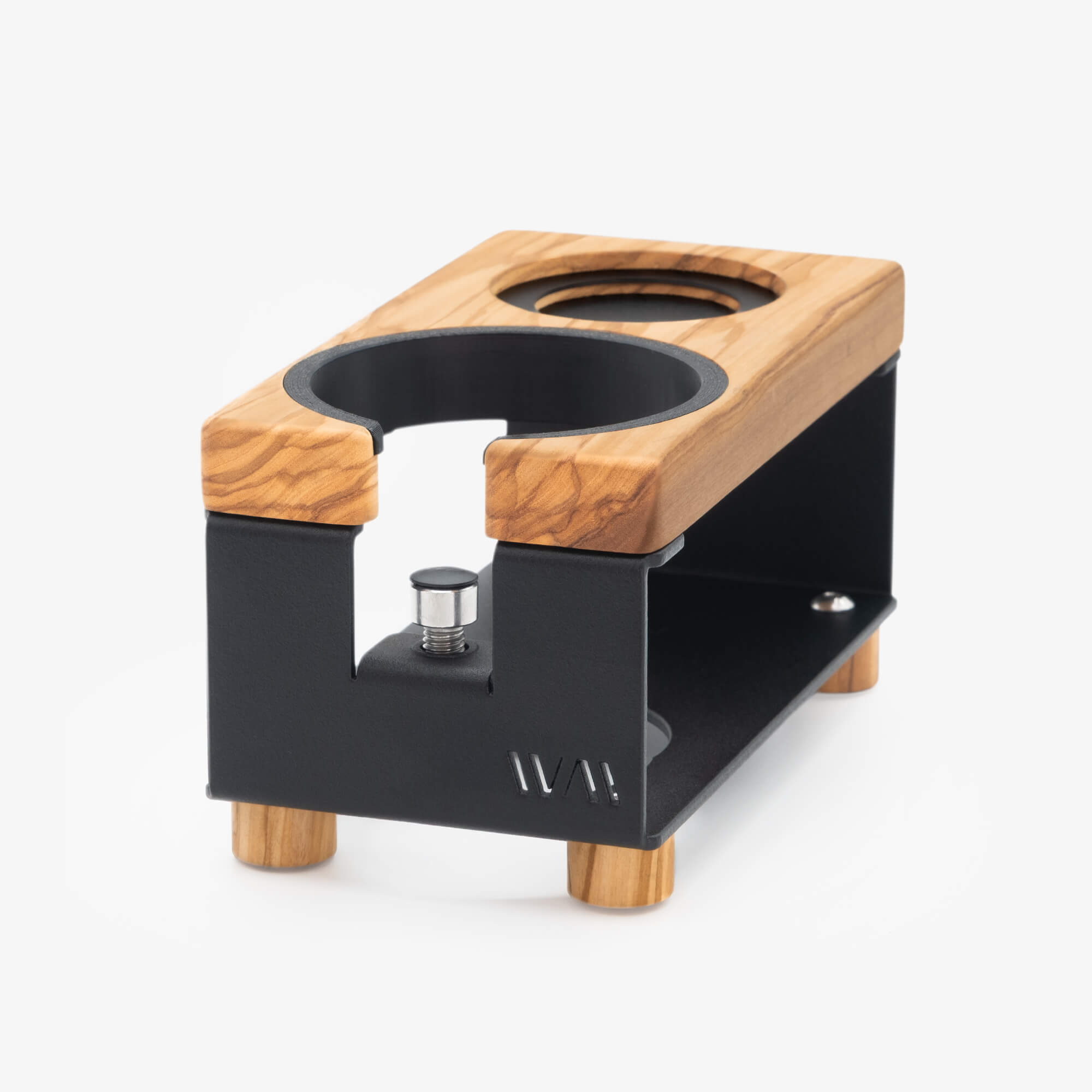
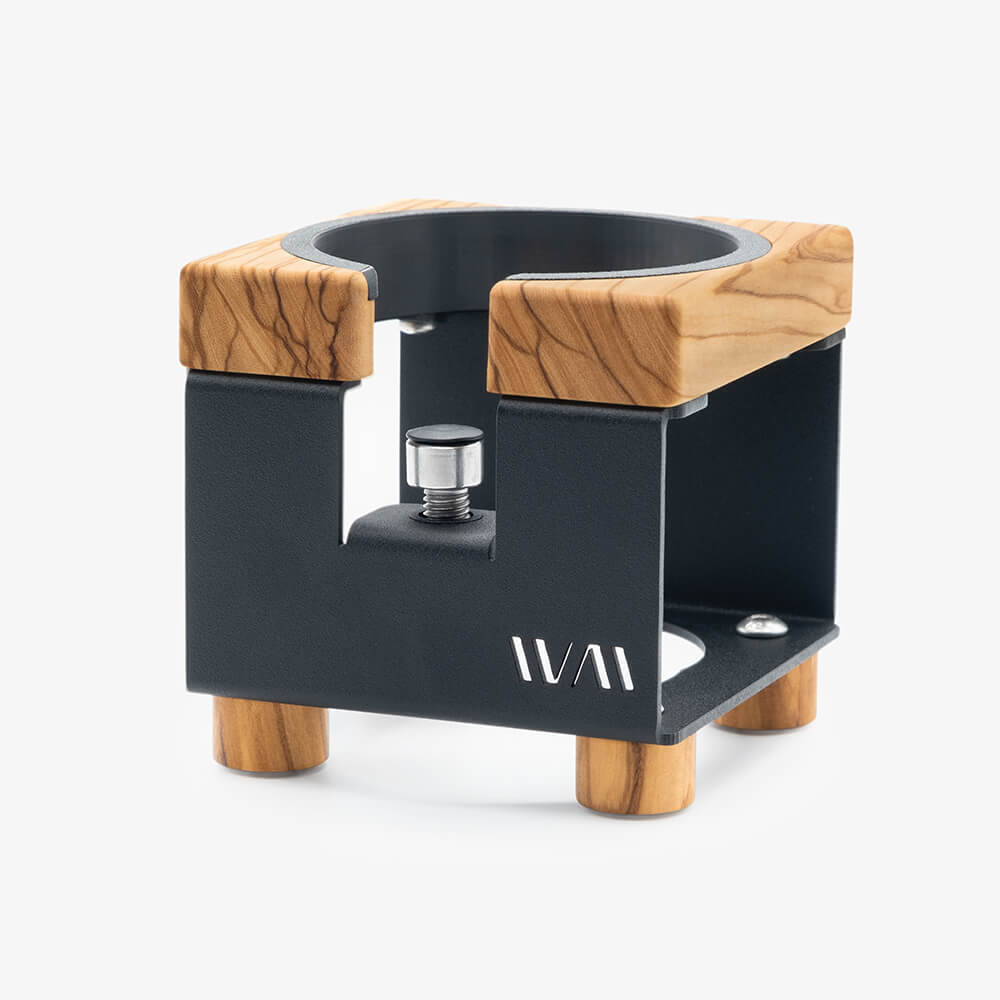
Upgrade für die Bezzera
Das Set richtet sich an anspruchsvolle Home Baristas und Büros, die ihre Espressomaschine optisch und funktional aufwerten möchten – ohne technische Eingriffe an der Maschine. Hochwertige Materialien, präzise Verarbeitung und zeitloses Design stehen im Fokus.


If you have any questions, please feel free to contact us at any time. We will get back to you as soon as possible, within 24 hours on weekdays.
-
Shipping info
We ship all products the same day if ordered before 1pm.
-
Support
We will also be there to support you and advise you after your purchase. If you have any questions about the product you purchased from us, please contact us.
-
Contact
Email : hello@naturbohne.de
Téléphone : 07454 / 870 48 64
Frequently Asked Questions
I bought a new coffee grinder from Naturbohne and there are coffee residues in it.
Please note: Some manufacturers test their coffee grinders before shipping, which means that small coffee residues or bean residues can occasionally be found in the grinder. This procedure is used to test functionality and is considered a quality feature. Of course, we only sell new products - unless expressly stated otherwise.
Static charge – coffee grounds spray out from the side
With some coffee grinders, the ground coffee can become statically charged and spray out of the portafilter at the side. This means that not all of the ground coffee gets into the portafilter, which can lead to uneven extraction. Our recommendation: Use a dosing funnel to ensure that all of the ground coffee is precisely fed into the portafilter - for optimal espresso enjoyment.
What is dead space in coffee grinders?
Conventional coffee grinders often leave a so-called dead space in which coffee residues accumulate. These residues can not only affect the freshness, but also lead to old and fresh coffee grounds being mixed, which negatively affects the taste. In contrast, single dose grinders have a well-thought-out design that eliminates the dead space. Each portion is ground individually and precisely so that no residues are left behind - for a consistently pure and full-bodied coffee experience.
Which portafilter fits my espresso machine?
When choosing the right portafilter for your portafilter machine, it is important to know that each manufacturer develops its own brewing group - the most well-known is the Faema E61. However, this does not mean that any portafilter will fit without any problems. An incompatible portafilter can leak, which will have a direct negative impact on the quality of your espresso. We therefore recommend using either the portafilter originally supplied or one that is explicitly stated to be compatible with your machine. This will ensure that the pressure is optimally built up and the espresso is perfectly extracted.
Can I visit you or pick up the goods personally?
Yes, of course, you are welcome to come by and look at our products by appointment. We would be happy to advise you personally. The best thing to do is to send us an email with a few suggested appointment times.
We are located 5 minutes from the motorway between Stuttgart and Lake Constance on the edge of the Black Forest.
Important note, first use coffee grinders
Another little tip for the perfect start with your new mill:
You will get the best grinding result after you have ground about 1-2 kg of beans. It is best to use a few cheap beans so that the grinder can work optimally. And if you are wondering what you can do with the bean flour - it is perfect plant fertilizer! 🌿
It contains nitrogen, potassium, sulfur and phosphorus and is a real nutrient bomb for your plants.
Pouvez-vous effectuer un calibrage offset sur ma machine à porte-filtre ?
Il existe plusieurs arguments contre un calibrage d’offset sur les machines à levier Lelit, en particulier pour des modèles comme la Lelit Bianca. Ceux-ci concernent surtout la complexité et les limites de l’offset comme solution unique aux problèmes de température :
- Fluctuations et instabilité de la température. L’offset prend en compte une différence constante entre la température de la chaudière et celle de l’extraction. En pratique, des variations de température peuvent survenir, par exemple après de longs temps d’arrêt ou lors d’extractions continues. Ainsi, la température réelle d’extraction n’est pas toujours précisément prévisible.
- Dépendance aux conditions ambiantes. Des facteurs comme la température de la pièce, l’humidité de l’air et l’état de la machine (par exemple, le temps de chauffe) influencent fortement la température d’extraction. Un offset fixe ne peut pas compenser dynamiquement ces variables, ce qui peut entraîner des résultats imprécis.
- Perte de chaleur lors des périodes d’inactivité. Après une longue pause, le groupe d’extraction refroidit et la machine a besoin de temps pour revenir à la température souhaitée. Un offset correctement réglé ne peut pas compenser cela, d’où la nécessité de mesures supplémentaires comme un « cooling flush ».
- Calibrages incorrects en usine. Sur certains modèles Lelit, il a été constaté que l’offset est souvent mal réglé en usine (par exemple, 4 à 8 degrés trop bas sur la Lelit Bianca). Cela nécessite un recalibrage manuel par un professionnel, ce qui peut être compliqué pour les utilisateurs finaux.
- Malentendus dans l’utilisation. De nombreux utilisateurs sont déconcertés par des informations contradictoires sur le réglage de l’offset, ce qui peut entraîner de mauvais réglages. Par exemple, on s’attend souvent à ce que l’offset résolve à lui seul tous les problèmes de température, alors qu’il ne constitue qu’une partie d’un système plus complexe.
Conclusion
Le calibrage de l’offset est un outil utile, mais il ne doit pas être considéré isolément. Une combinaison d’un contrôle PID précis, d’un entretien régulier et de techniques adaptées (par exemple, des « spülshots ») est nécessaire pour obtenir des résultats d’extraction optimaux.
Do you have any more questions?
Contact
If you have any questions about our products, please write to us here or use the chat function.