

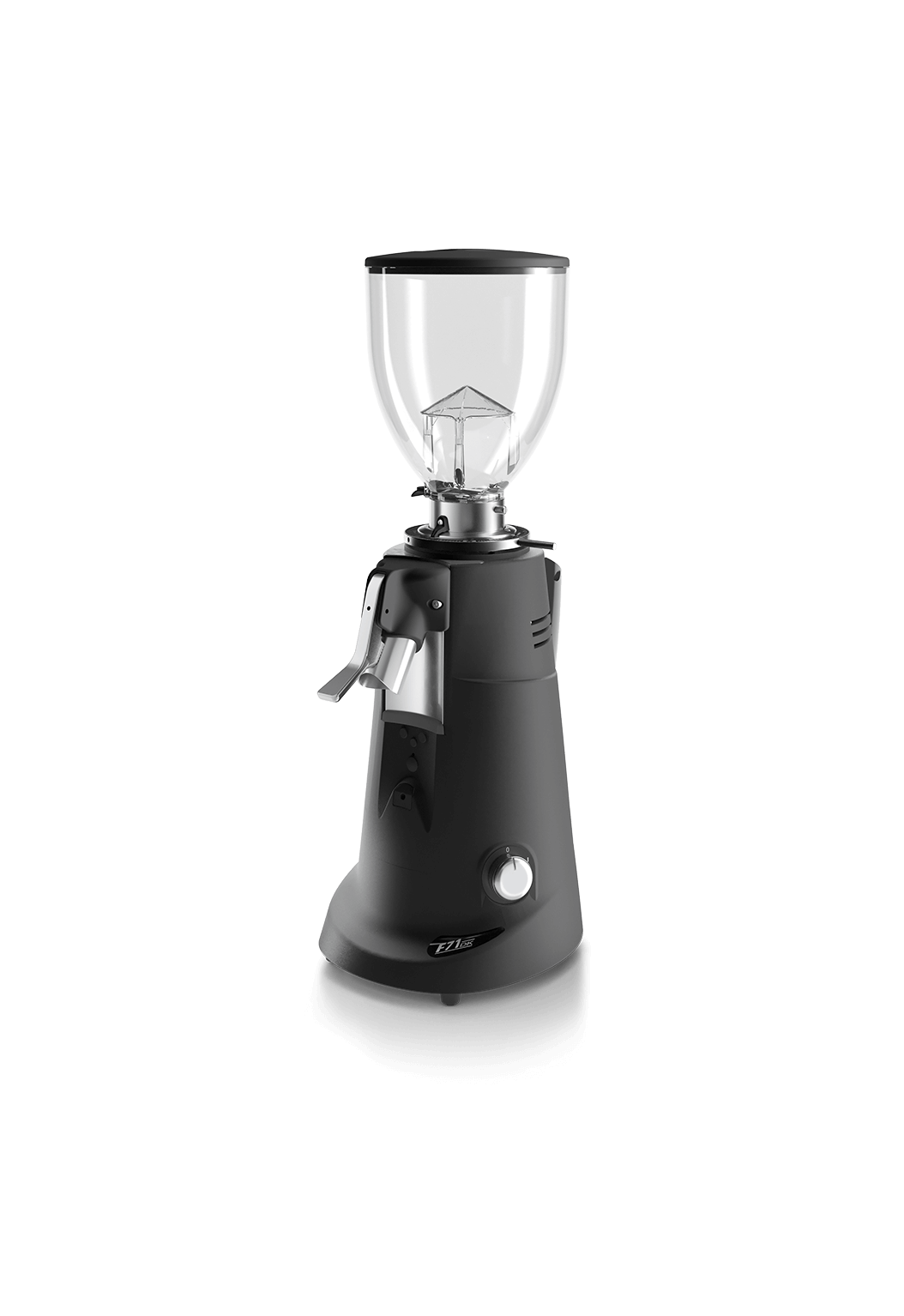
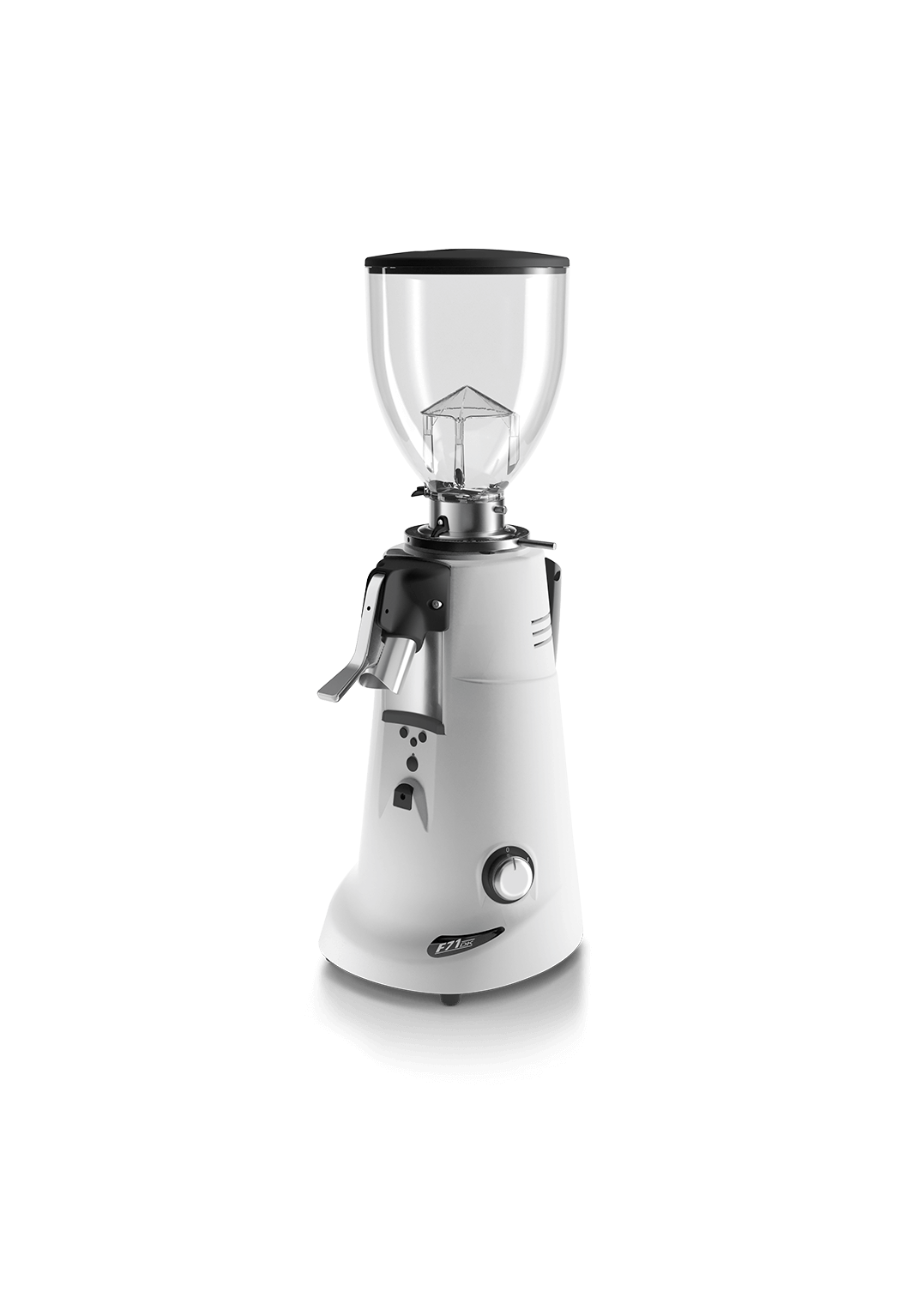
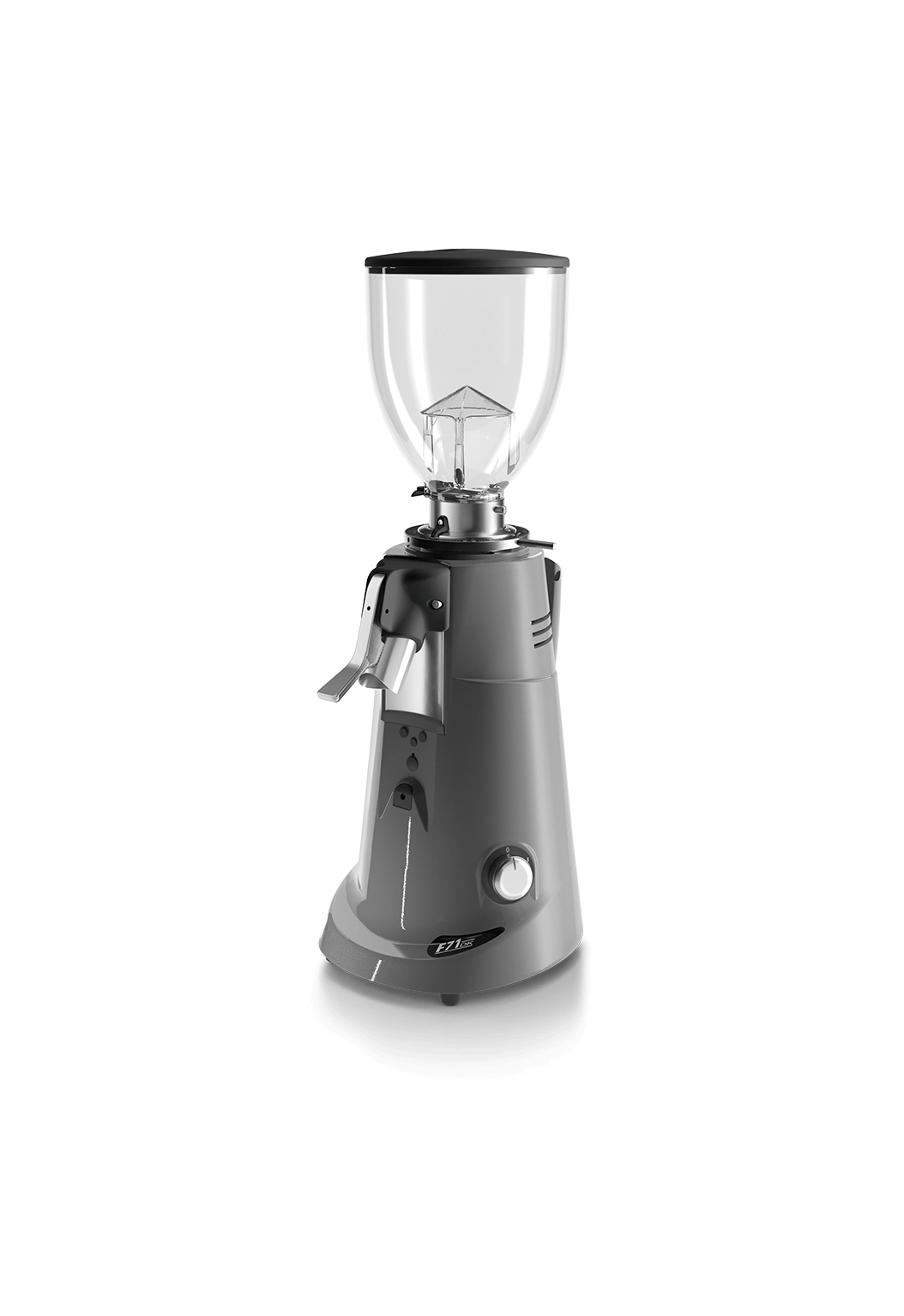
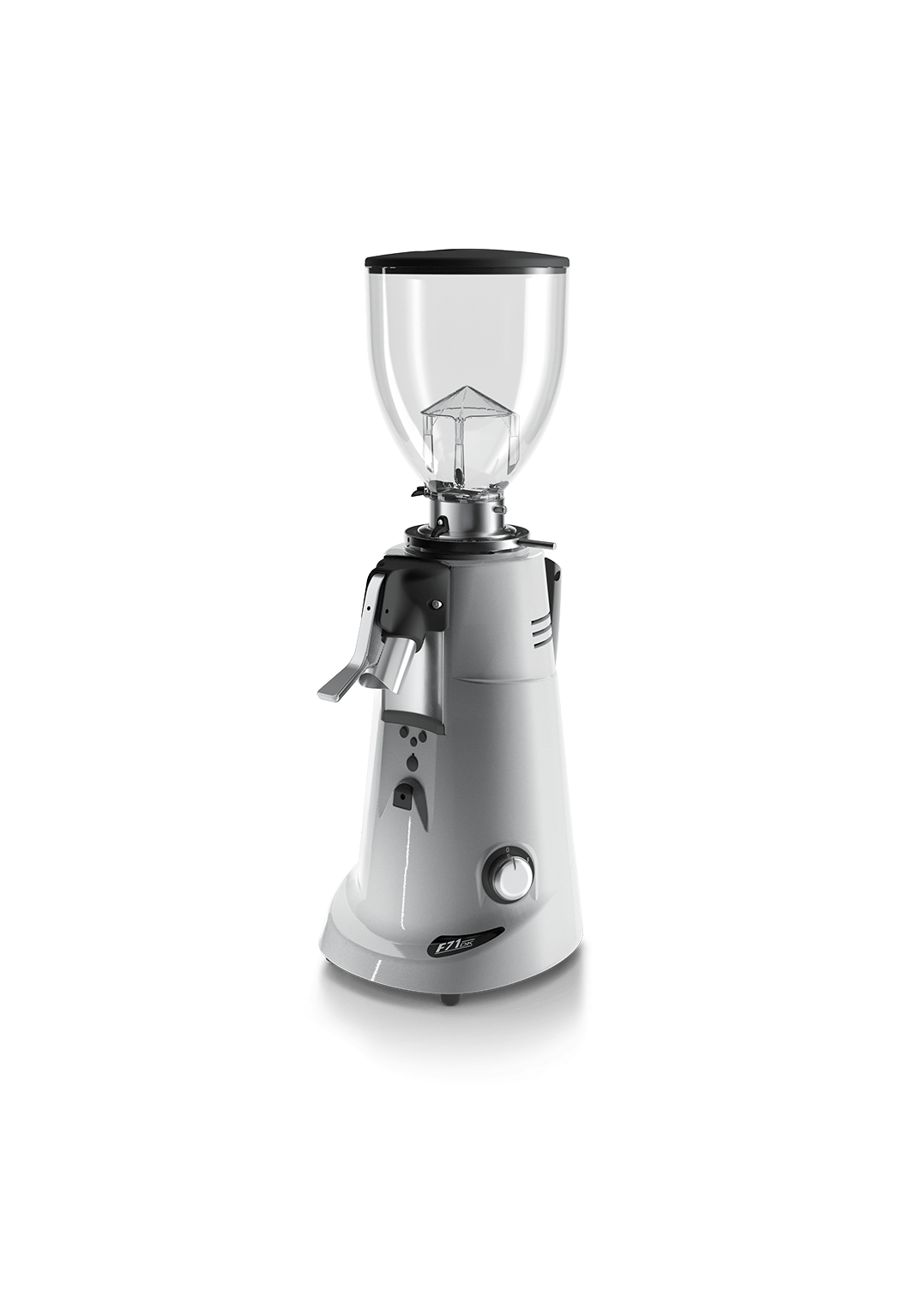
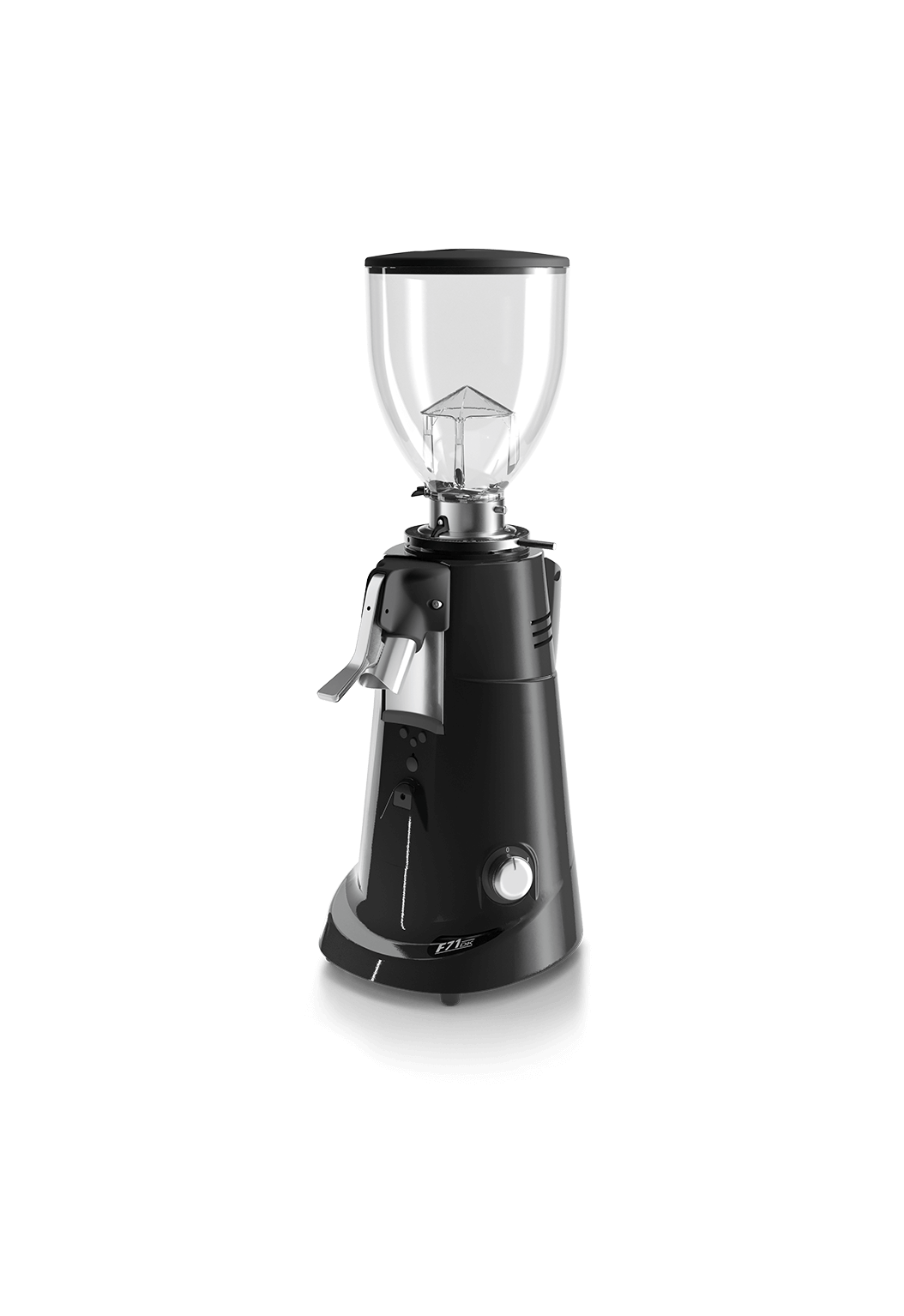
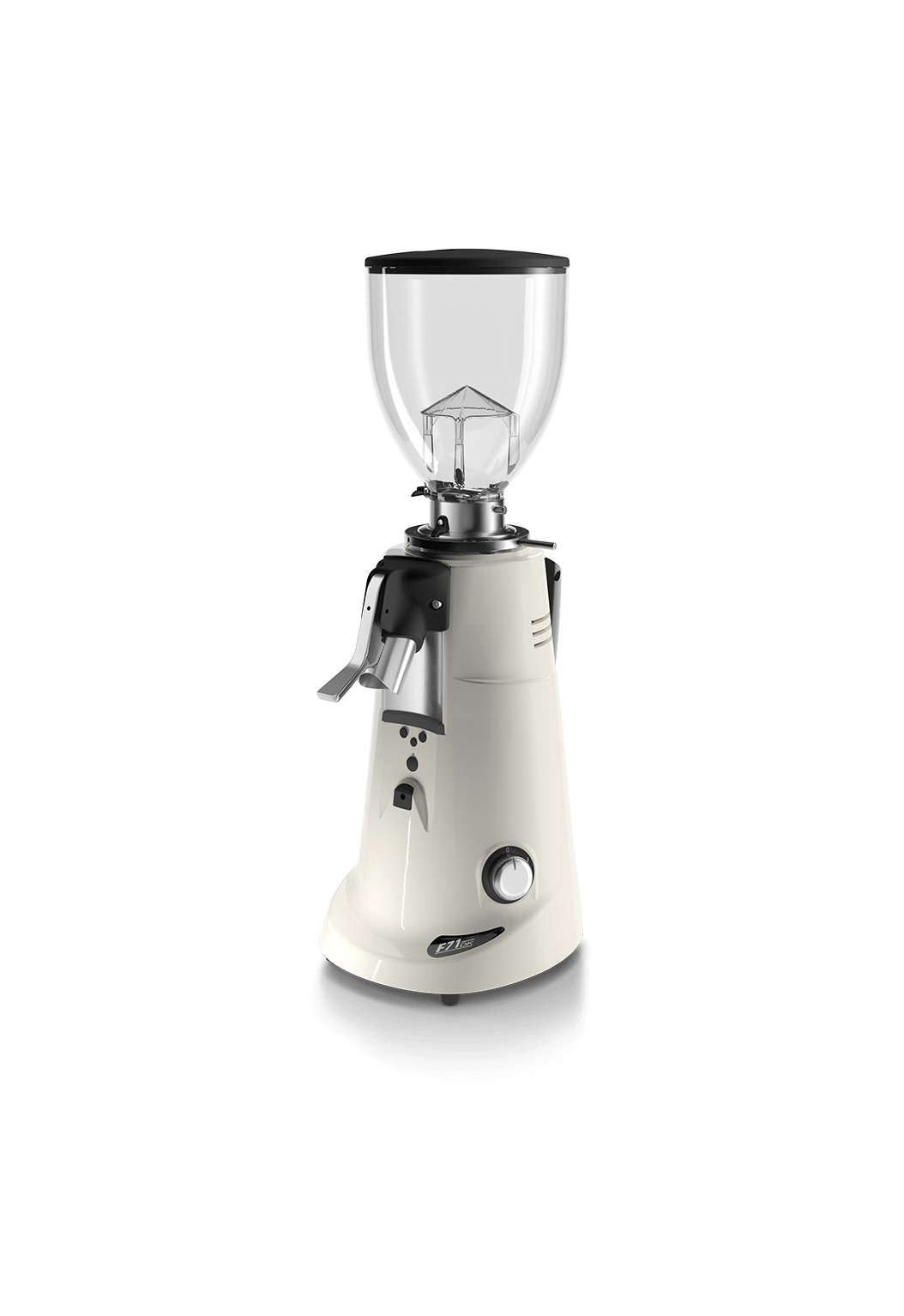
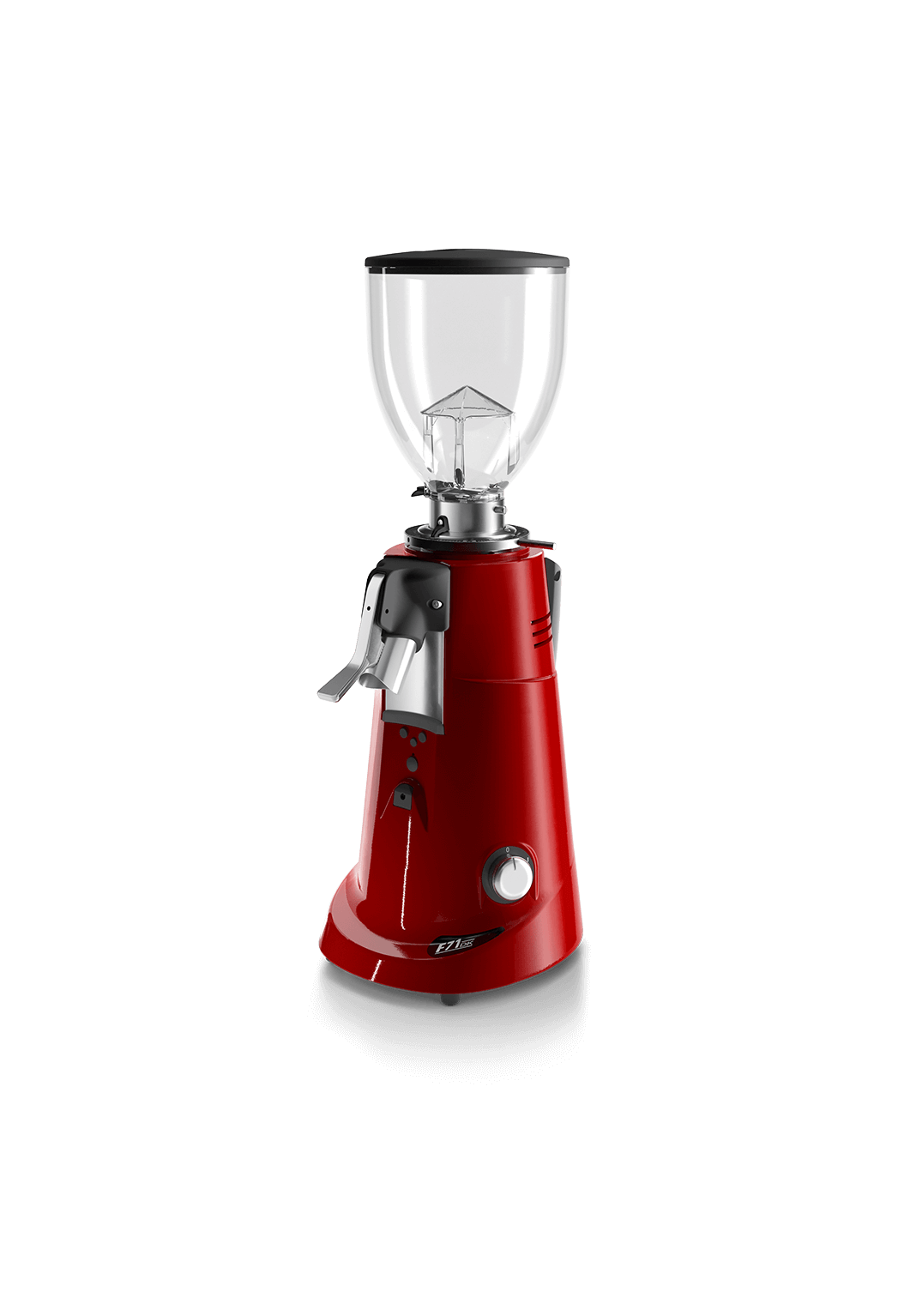
Fiorenzato F71 DK
🚚 Spese di spedizione nell’UE: 34 €
Costi di spedizione UE, vedi condizioni di spedizione.
excluding VAT, excluding shipping costs
Finanzieren ab 92,42 € / Monat* mit
🚚 Spese di spedizione nell’UE: 34 €
Costi di spedizione UE, vedi condizioni di spedizione.
Fiorenzato F71 DK
Bestellungen können derzeit noch zum angezeigten Preis aufgegeben werden. Für einzelne Hersteller (z. B. Mahlkönig, Eureka, Rocket Espresso) wurden Preisanpassungen für das kommende Jahr angekündigt. Der aktuell angezeigte Preis gilt für Bestellungen, die jetzt eingehen.
Fiorenzato F71 DK - Macinacaffè professionale conico per le esigenze più elevate
Affidatevi alla massima efficienza e a un sapore ancora più pieno: Fiorenzato F71 DK è il macinacaffè professionale per tutti coloro che apprezzano la qualità costante, la durata e il gusto perfetto nei bar, nei ristoranti o nell'impegnativa vita quotidiana di un barista.
- Macinacaffè a macine coniche Ø 71 mm: macinatura delicata e rispettosa del gusto con distribuzione uniforme delle particelle, ideale per volumi elevati e uso intensivo.
-
Opzioni di macinazione:
- Dischi di macinazione M340: In acciaio M340, sicuro per gli alimenti, assicurano risultati di macinatura precisi e un sapore equilibrato.
- Dischi di macinazione Dark-T®: Dischi di macinazione rivestiti in titanio - usura estremamente ridotta, durata fino a 5 volte superiore, macinazione ancora più uniforme e fredda, ideali per le esigenze professionali più elevate.
- Potente motore da 850 watt: garantisce risultati costanti anche in caso di funzionamento continuo e ad alta frequenza.
- Regolazione micrometrica infinita della macinatura: per la massima flessibilità, dall'espresso al caffè filtro.
- Grande contenitore per i chicchi: capacità di 1,5 kg per un lavoro ininterrotto.
- Struttura robusta e solida: Alloggiamento robusto, peso di circa 20 kg, per un appoggio sicuro anche nella frenetica vita quotidiana del bar.
Vantaggi del macinino conico:
- Ridotto sviluppo di calore - preserva maggiormente gli aromi e gli oli essenziali del caffè.
- Macinatura efficiente, veloce e particolarmente silenziosa
- Risultati di macinatura perfetti, anche con chicchi e impostazioni diverse
Dati tecnici:
- Potenza del motore: 850 watt
- Macinino conico Ø 71 mm - a scelta tra M340 o Dark-T
- Velocità: circa 420 giri/min (50 Hz) - 500 giri/min (60 Hz)
- Contenitore dei chicchi: 1,5 kg
- Peso: circa 20 kg
- Dimensioni: circa 255 x 745 x 320 mm (L x A x P)
La Fiorenzato F71 DK combina una tecnologia di macinazione all'avanguardia, una lavorazione professionale e una durata senza compromessi. Perfetto per le esigenze più elevate: scegliete il vostro macinino personalizzato e godetevi un nuovo livello di perfezione del caffè!
Configurate e ordinate ora nel negozio - per ottenere sempre i migliori risultati di macinatura, proprio come li volete voi!
Angaben zum Hersteller
Upgrade per la tua macchina a leva
Accessori adatti
If you have any questions, please feel free to contact us at any time. We will get back to you as soon as possible, within 24 hours on weekdays.
-
Shipping info
We ship all products the same day if ordered before 1pm.
-
Support
We will also be there to support you and advise you after your purchase. If you have any questions about the product you purchased from us, please contact us.
-
Contatti
Email: hello@naturbohne.de
Telefon: 07454 / 870 48 64
Frequently Asked Questions
I bought a new coffee grinder from Naturbohne and there are coffee residues in it.
Please note: Some manufacturers test their coffee grinders before shipping, which means that small coffee residues or bean residues can occasionally be found in the grinder. This procedure is used to test functionality and is considered a quality feature. Of course, we only sell new products - unless expressly stated otherwise.
Static charge – coffee grounds spray out from the side
With some coffee grinders, the ground coffee can become statically charged and spray out of the portafilter at the side. This means that not all of the ground coffee gets into the portafilter, which can lead to uneven extraction. Our recommendation: Use a dosing funnel to ensure that all of the ground coffee is precisely fed into the portafilter - for optimal espresso enjoyment.
What is dead space in coffee grinders?
Conventional coffee grinders often leave a so-called dead space in which coffee residues accumulate. These residues can not only affect the freshness, but also lead to old and fresh coffee grounds being mixed, which negatively affects the taste. In contrast, single dose grinders have a well-thought-out design that eliminates the dead space. Each portion is ground individually and precisely so that no residues are left behind - for a consistently pure and full-bodied coffee experience.
Which portafilter fits my espresso machine?
When choosing the right portafilter for your portafilter machine, it is important to know that each manufacturer develops its own brewing group - the most well-known is the Faema E61. However, this does not mean that any portafilter will fit without any problems. An incompatible portafilter can leak, which will have a direct negative impact on the quality of your espresso. We therefore recommend using either the portafilter originally supplied or one that is explicitly stated to be compatible with your machine. This will ensure that the pressure is optimally built up and the espresso is perfectly extracted.
Can I visit you or pick up the goods personally?
Yes, of course, you are welcome to come by and look at our products by appointment. We would be happy to advise you personally. The best thing to do is to send us an email with a few suggested appointment times.
We are located 5 minutes from the motorway between Stuttgart and Lake Constance on the edge of the Black Forest.
Important note, first use coffee grinders
Another little tip for the perfect start with your new mill:
You will get the best grinding result after you have ground about 1-2 kg of beans. It is best to use a few cheap beans so that the grinder can work optimally. And if you are wondering what you can do with the bean flour - it is perfect plant fertilizer! 🌿
It contains nitrogen, potassium, sulfur and phosphorus and is a real nutrient bomb for your plants.
Könnt ihr bei meiner Siebträgermaschine eine Offset Kalibrierung durchführen ?
Es gibt einige Argumente, die gegen eine Offset-Kalibrierung bei Lelit-Siebträgermaschinen sprechen, insbesondere bei Modellen wie der Lelit Bianca. Diese beziehen sich vor allem auf die Komplexität und die Limitierungen des Offsets als alleinige Lösung für Temperaturprobleme:
- Temperaturschwankungen und Instabilität. Der Offset berücksichtigt eine konstante Differenz zwischen Kesseltemperatur und Brühtemperatur. In der Praxis können jedoch Temperaturschwankungen auftreten, z. B. durch längere Standzeiten oder kontinuierliches Brühen. Dadurch ist die tatsächliche Brühtemperatur nicht immer präzise vorhersehbar.
- Abhängigkeit von Umgebungsbedingungen. Faktoren wie Raumtemperatur, Luftfeuchtigkeit und der Zustand der Maschine (z. B. Aufheizzeit) beeinflussen die Brühtemperatur erheblich. Ein fester Offset kann diese Variablen nicht dynamisch ausgleichen, was zu ungenauen Ergebnissen führen kann.
- Wärmeverlust bei Standzeiten. Nach längeren Pausen kühlt die Brühgruppe ab, und die Maschine benötigt Zeit, um wieder auf die gewünschte Temperatur zu kommen. Ein korrekt eingestellter Offset kann dies nicht kompensieren, weshalb zusätzliche Maßnahmen wie ein “Cooling Flush” nötig sind.
- Fehlkalibrierungen ab Werk. Bei einigen Lelit-Modellen wurde festgestellt, dass der Offset ab Werk oft ungenau eingestellt ist (z. B. 4–8 Grad zu niedrig bei der Lelit Bianca). Dies erfordert eine manuelle Nachkalibrierung durch Fachpersonal, was für Endnutzer kompliziert sein kann.
- Missverständnisse in der Anwendung. Viele Nutzer sind durch widersprüchliche Informationen zur Offset-Einstellung verunsichert, was zu Fehlanpassungen führen kann. Beispielsweise wird oft erwartet, dass der Offset allein alle Temperaturprobleme löst, obwohl er nur ein Teil eines komplexeren Systems ist.
Fazit
Die Offset-Kalibrierung ist ein nützliches Werkzeug, aber sie sollte nicht isoliert betrachtet werden. Eine Kombination aus präziser PID-Steuerung, regelmäßiger Wartung und angepassten Techniken (z. B. Spülshots) ist notwendig, um optimale Brühergebnisse zu erzielen.
Do you have any more questions?
Contatti
If you have any questions about our products, please write to us here or use the chat function.