


Bezzera Aria Classic MN e TOP in acciaio inossidabile – Macchina per caffè con portafiltro E61 e doppio circuito
excluding VAT, excluding shipping costs
Finanzieren ab 53,72 € / Monat* mit
🚚 Spese di spedizione nell’UE: 49 €
Costi di spedizione UE, vedi condizioni di spedizione.
🚚 Spese di spedizione nell’UE: 49 €
Costi di spedizione UE, vedi condizioni di spedizione.
Bezzera Aria Classic MN e TOP in acciaio inossidabile – Macchina per caffè con portafiltro E61 e doppio circuito
Macchina per caffè espresso compatta E61 a doppio circuito (scambiatore di calore) – due varianti tra cui scegliere La Bezzera Aria combina l'iconico gruppo erogatore E61 con la tecnologia a doppio circuito/scambiatore di calore, consentendoti di preparare l'espresso e montare il latte contemporaneamente. Scegli MN per un funzionamento classico e diretto o TOP per un maggiore comfort e una sensazione di maggiore tranquillità grazie alla pompa rotativa. Nota: entrambe le varianti condividono l'idea di base: doppio circuito + E61. La differenza più importante nell'uso quotidiano è il tipo di pompa e quindi la sensazione di rumorosità/comfort. Macinacaffè consigliati per Aria: Fiorenzato, Mahlkönig, Eureka. MN è l'ideale se cerchi una tecnologia classica e robusta e il volume non è un criterio fondamentale. TOP è particolarmente adatto se hai una cucina aperta, vuoi lavorare in modo più silenzioso al mattino o prepari spesso più bevande di seguito. La Aria è a doppio circuito (scambiatore di calore/HX). Ciò significa che puoi preparare un espresso e montare il latte contemporaneamente, senza tempi di attesa. Sì, è proprio per questo che è stato creato un sistema a scambiatore di calore. Questo è uno dei motivi principali per cui molti baristi domestici scelgono una macchina a doppio circuito. Come valore indicativo si considerano 10-15 minuti (TOP) o 20-25 minuti (MN). Per ottenere la massima costanza, tuttavia, è consigliabile un riscaldamento completo, in particolare a causa del massiccio gruppo di erogazione E61. Molti utenti effettuano un breve prelievo a vuoto prima dell'espresso per rimuovere l'acqua surriscaldata dallo scambiatore di calore. Questo spesso garantisce risultati più costanti, soprattutto dopo lunghi periodi di inattività. Sì, Aria è progettata per le bevande a base di latte. La tecnica è fondamentale: scaricare brevemente l'acqua di condensa, quindi texturizzare in modo pulito (pori fini, lucido). In questo modo è molto più facile preparare cappuccino e latte art. Nell'uso quotidiano, molti utenti ritengono che le pompe rotative siano notevolmente più silenziose e "fluide". Se il livello di rumorosità è un criterio importante, il modello TOP è spesso la scelta migliore. No. Entrambe le varianti funzionano con un serbatoio e possono quindi essere installate in modo flessibile. Per un'estrazione costante è fondamentale un macinacaffè preciso. Raccomandazioni del produttore (a seconda del budget/delle esigenze): Fiorenzato, Mahlkönig, Eureka. Sì, se ti piace il flusso di lavoro con il portafiltro. Con bilancia, timer, chicchi freschi e un po' di routine, Aria offre rapidamente ottimi risultati. Espresso, americano e bevande a base di latte come cappuccino, latte macchiato o flat white, grazie alla tecnologia a doppio circuito senza tempi di conversione. Nella routine quotidiana: pulizia rapida (portafiltro/gruppo erogatore/lancia vapore), risciacquo regolare e attenzione alla qualità dell'acqua. Ciò mantiene stabili le prestazioni e prolunga la durata. Nella pratica, spesso il macinacaffè è il fattore che incide maggiormente sulla qualità. Una macchina potente con un macinacaffè debole limita notevolmente il gusto e la costanza. Classico: preriscaldare a sufficienza, trovare il giusto grado di macinatura, utilizzare una dose/uscita costante e sciacquare brevemente dopo il tempo di riposo. Un flusso di lavoro ripetibile è più importante che "provare e riprovare" continuamente. In caso di uso frequente, più bevande consecutive o ambienti sensibili al rumore, la variante TOP è spesso la scelta più comoda.Bezzera Aria – la classica qualità dell'espresso italiano per la vita quotidiana a casa
Panoramica delle differenze
Caratteristica
Classic MN Manuale
Classic Top MN
Pompa
Pompa a vibrazione
Pompa rotativa
Tempo di riscaldamento (valore indicativo)
circa 20–25 minuti
circa 10-15 minuti
Potenza
1200 W
1500 W
Alimentazione idrica
Funzionamento con serbatoio
Funzionamento con serbatoio
Dimensioni (L×P×A)
251 × 428 × 411 mm
250 × 425 × 425 mm
Peso
circa 24 kg
circa 20 kg
Per chi?
Modello base classico, doppio circuito potente senza fronzoli
Comfort e funzionamento silenzioso, ideale per cucine aperte / uso frequente
Come ottenere il meglio da Aria
Vai alla collezione di macinacaffèDomande frequenti
Qual è la Bezzera Aria giusta per te: MN o TOP?
La Bezzera Aria è a doppio circuito o a doppia caldaia?
Posso davvero preparare un espresso e montare il latte contemporaneamente?
Per quanto tempo devo preriscaldare la Bezzera Aria?
Devo eseguire un lavaggio (Cooling Flush) prima di ogni erogazione con una macchina a doppio circuito?
Quanto è potente la lancia vapore: è sufficiente per la latte art?
La pompa rotativa è davvero più silenziosa della pompa a vibrazione?
Ho bisogno di un allacciamento fisso all'acqua?
Quale macinacaffè è adatto alla Bezzera Aria?
La Aria è adatta anche ai principianti?
Quali bevande posso preparare con Aria?
Quanto è impegnativa la manutenzione di una macchina E61?
Cosa è più importante: la macchina o il macinacaffè?
Come posso evitare che l'espresso risulti amaro o acido?
Quale variante è più conveniente in caso di uso frequente o di più persone?
Ulteriori informazioni
Angaben zum Hersteller
Upgrade für die Bezzera
Das Set richtet sich an anspruchsvolle Home Baristas und Büros, die ihre Espressomaschine optisch und funktional aufwerten möchten – ohne technische Eingriffe an der Maschine. Hochwertige Materialien, präzise Verarbeitung und zeitloses Design stehen im Fokus.


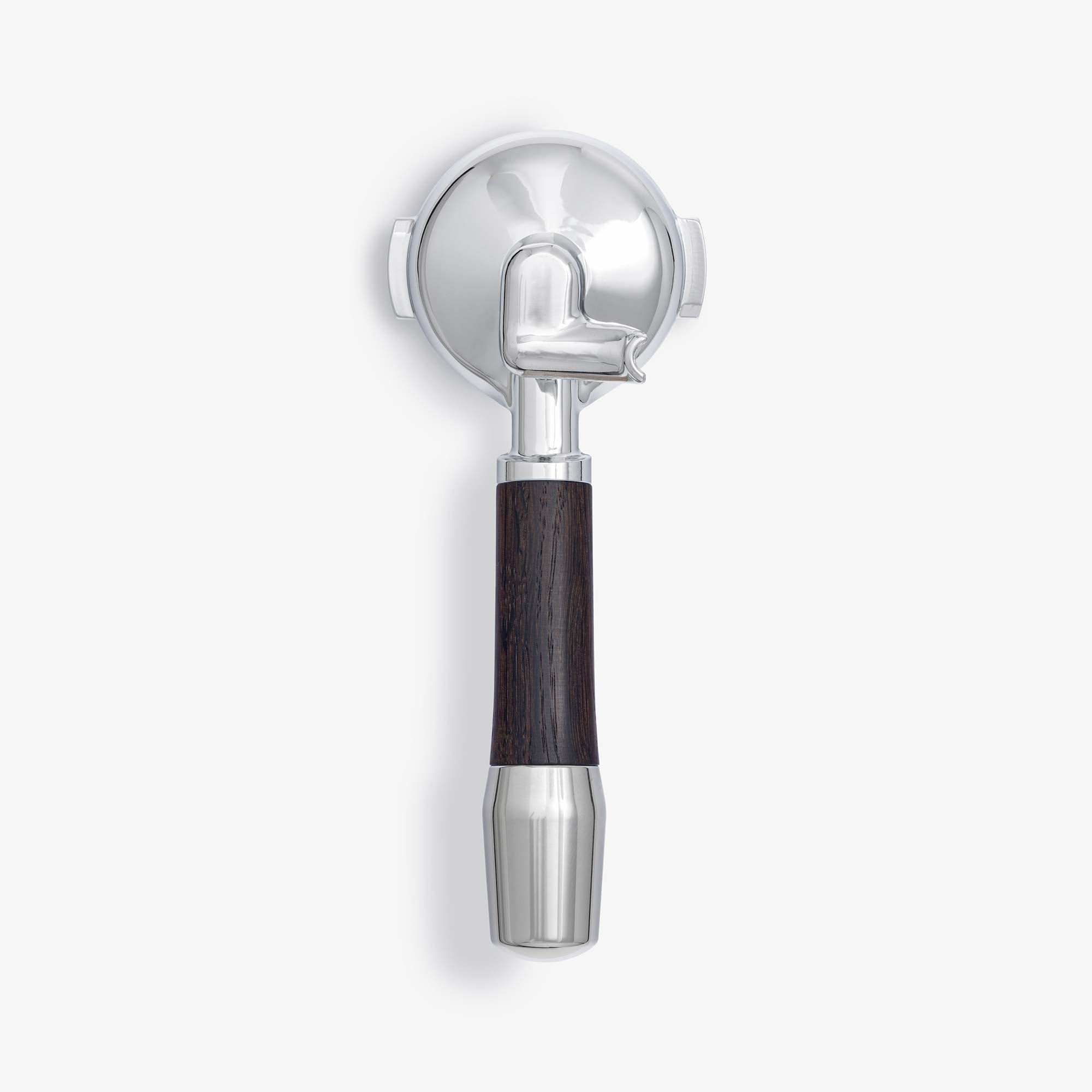
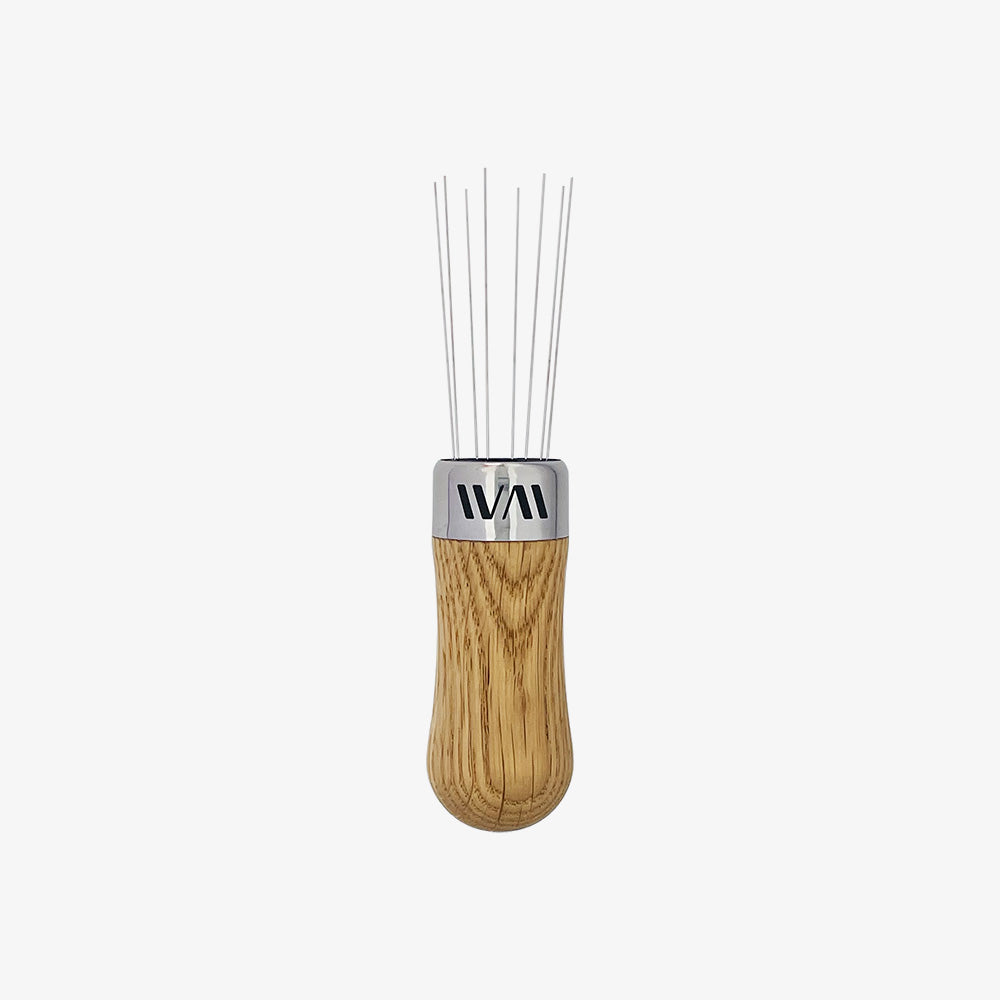
Strumento di distribuzione Wiedemann WDT
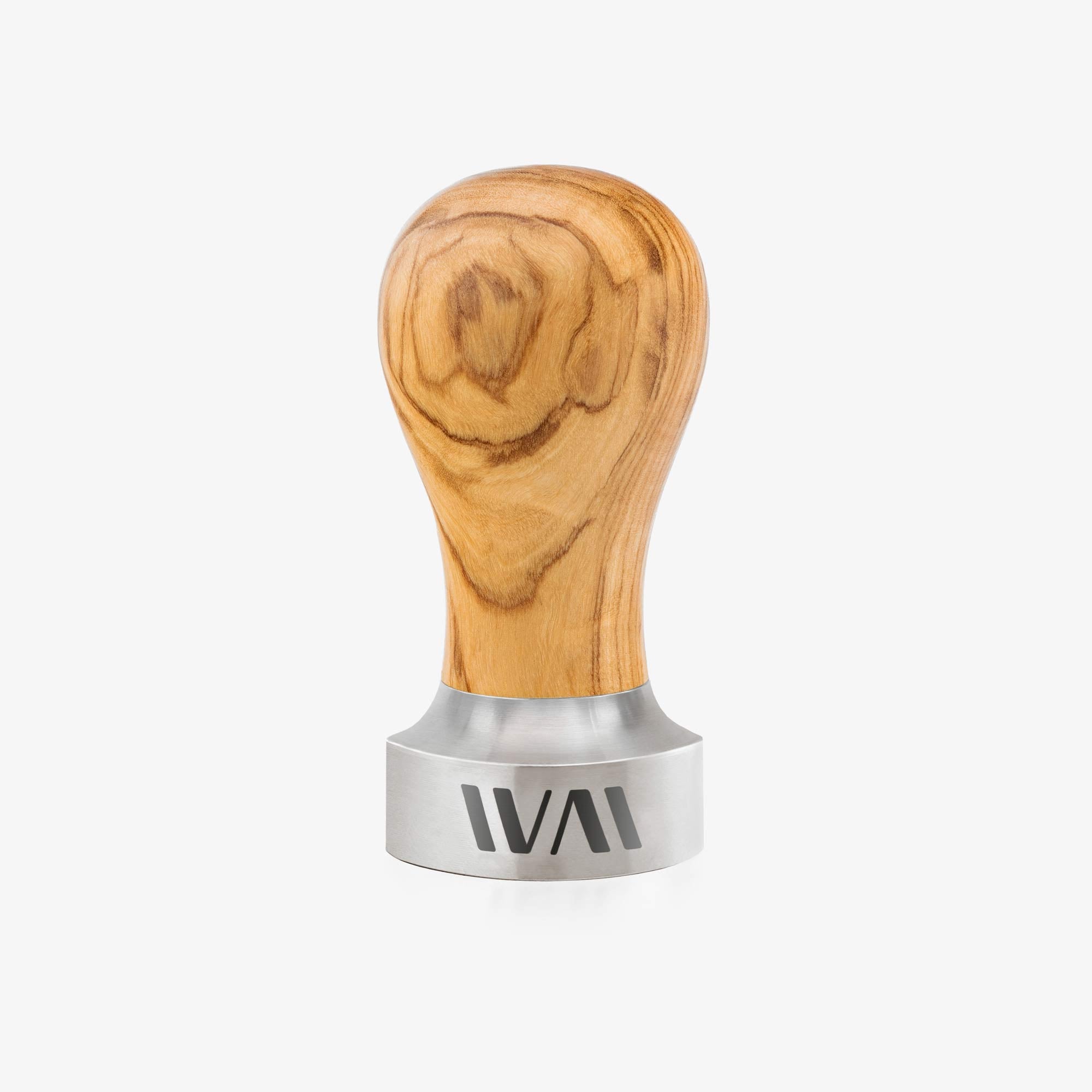
Manomentro di precisione Wiedemann
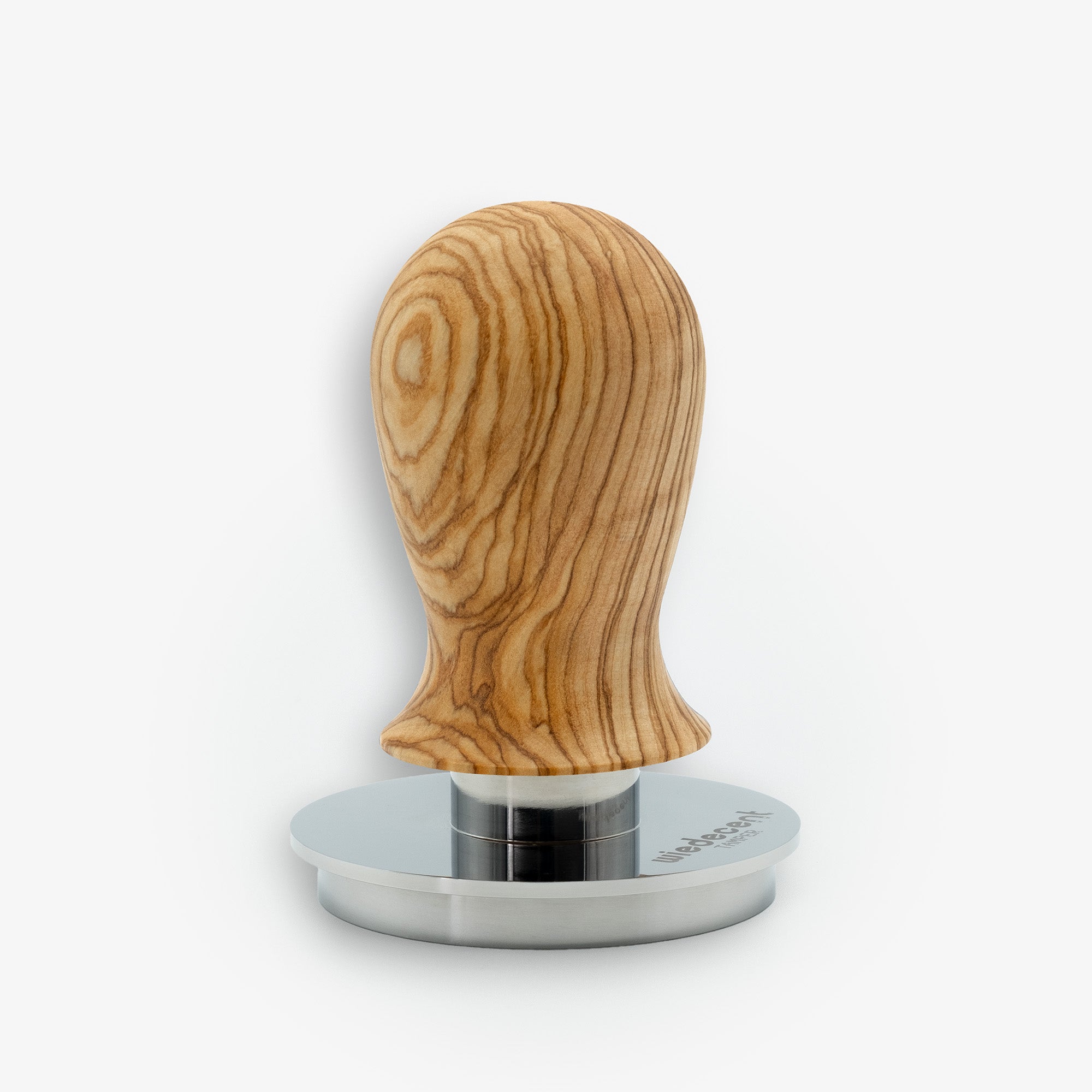
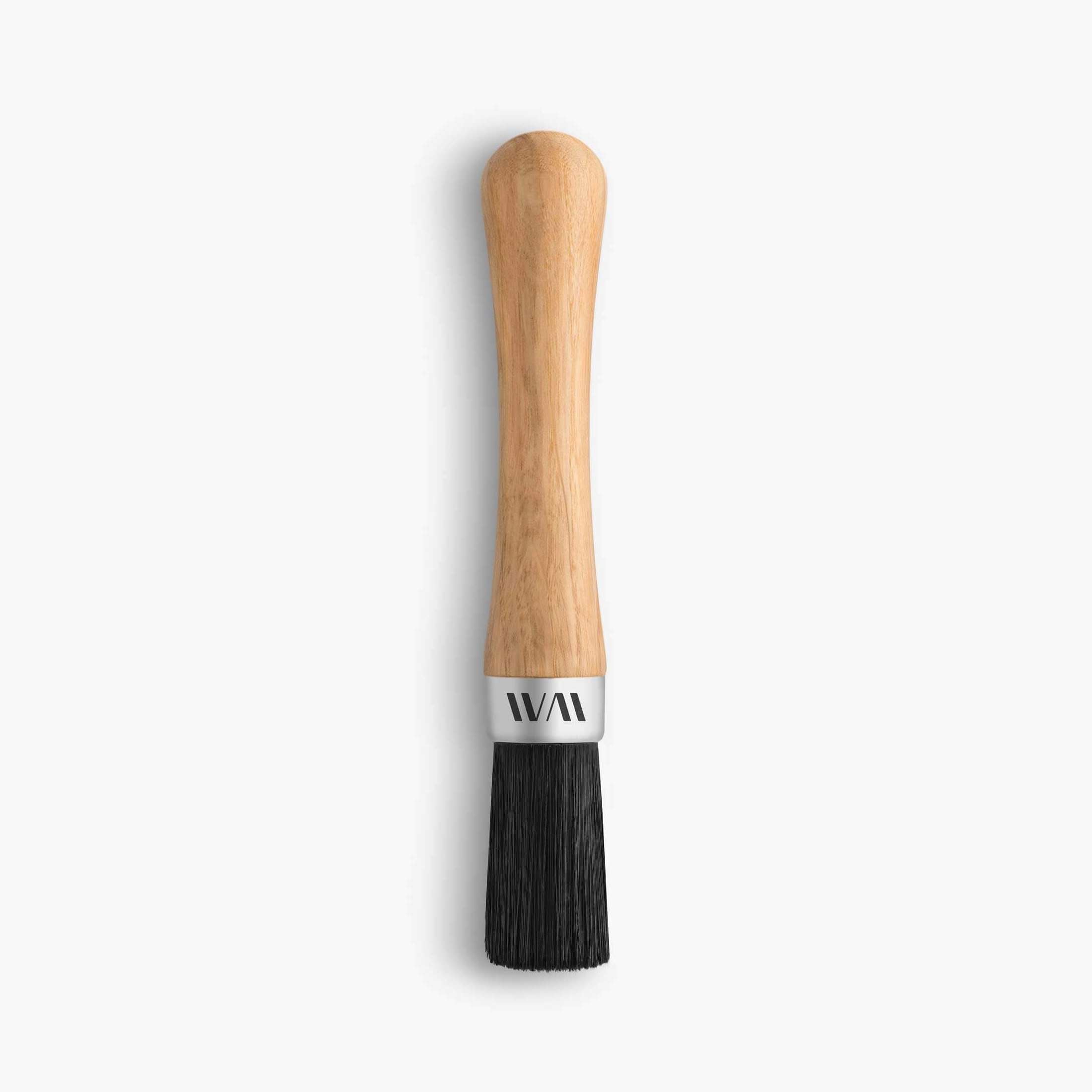
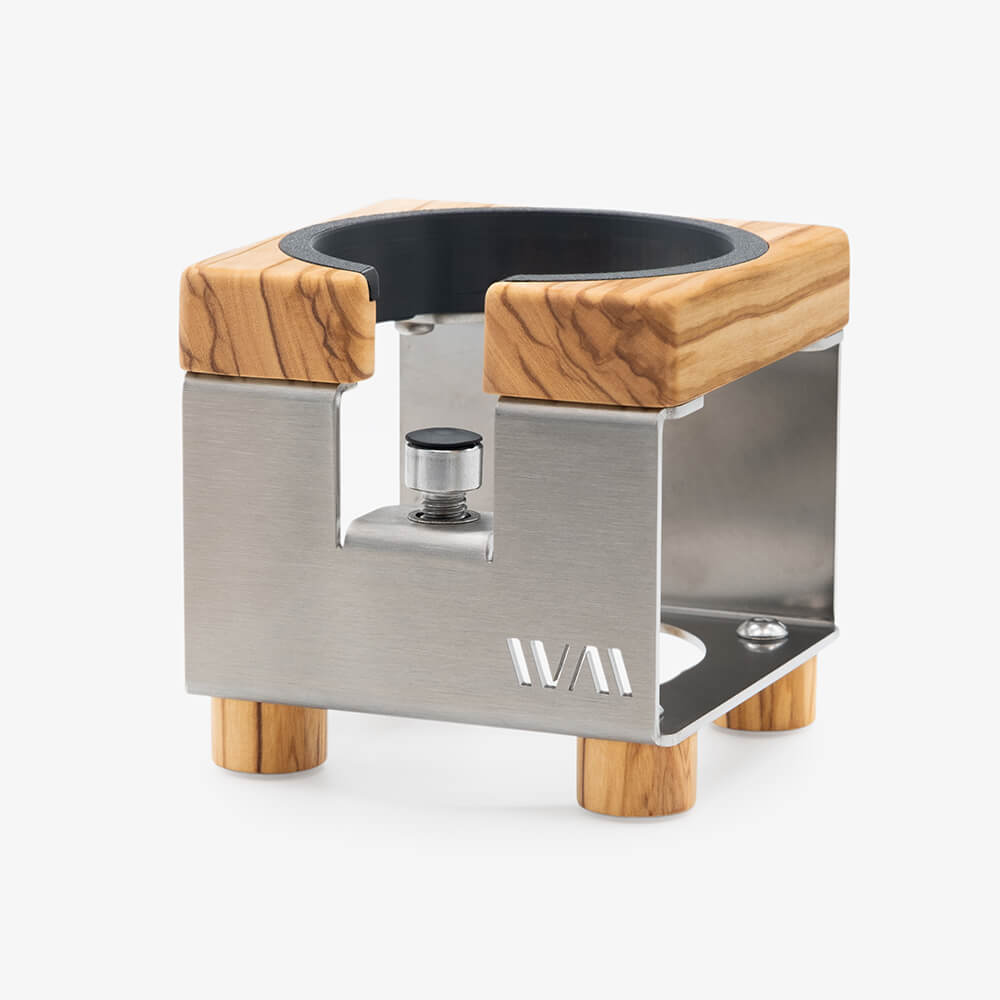
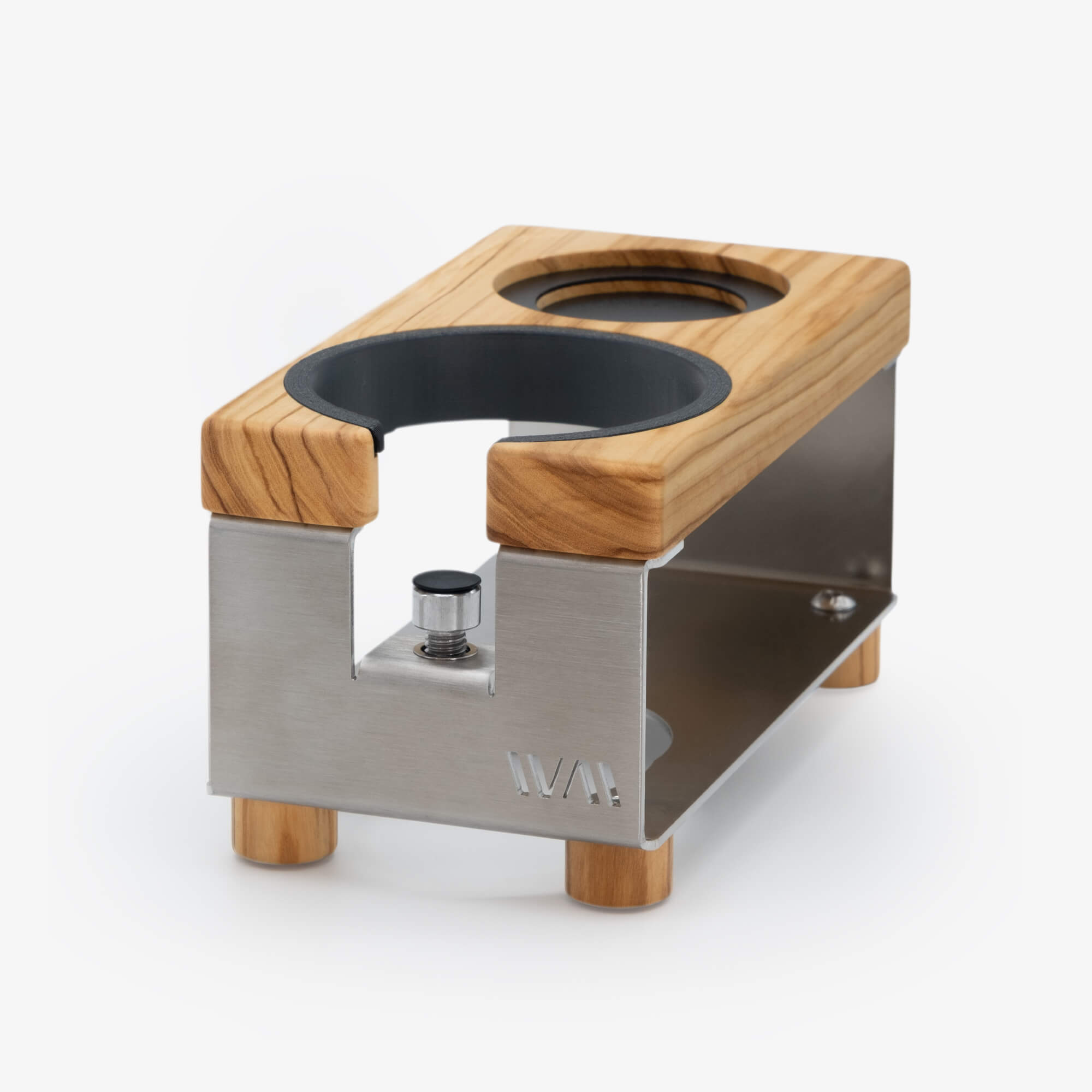
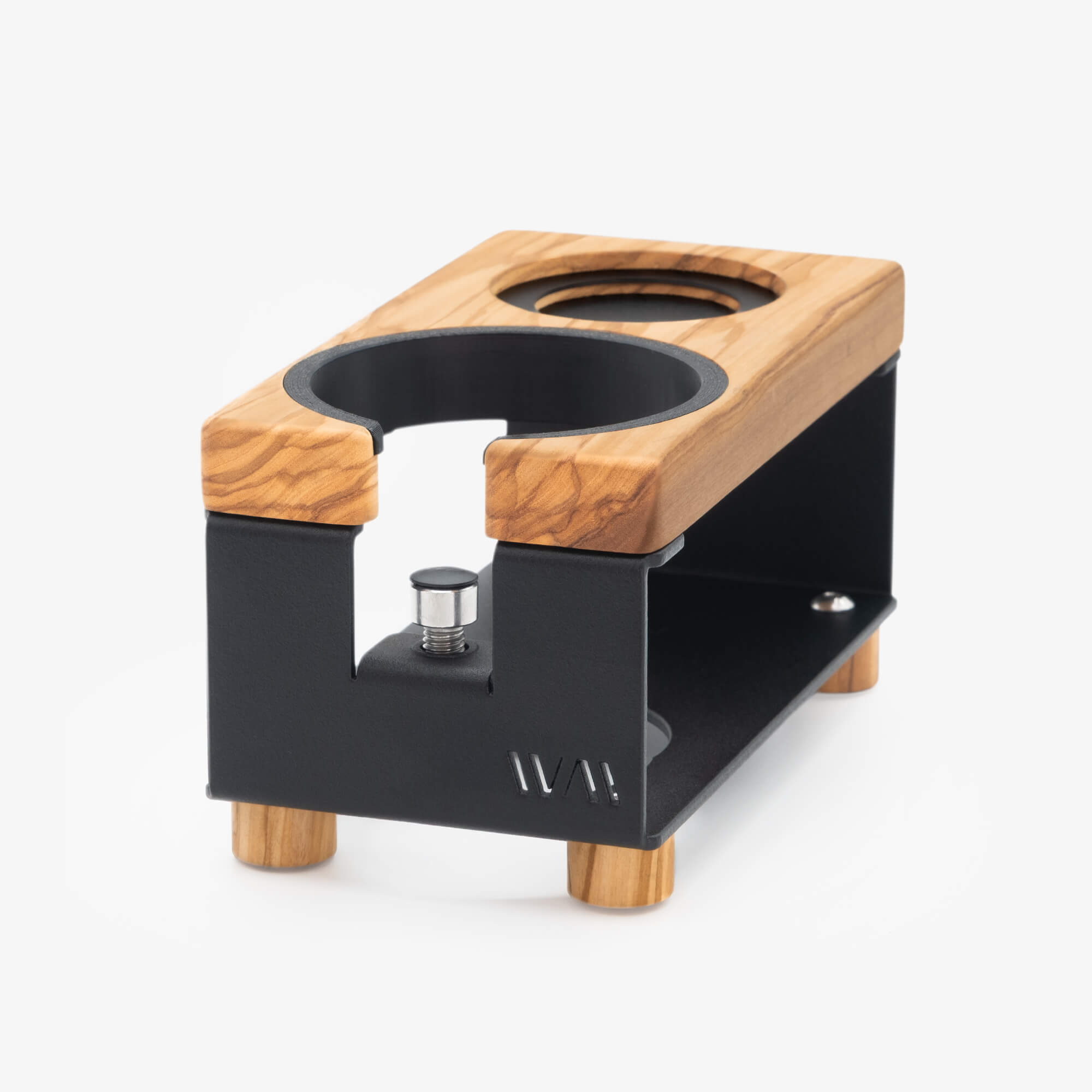
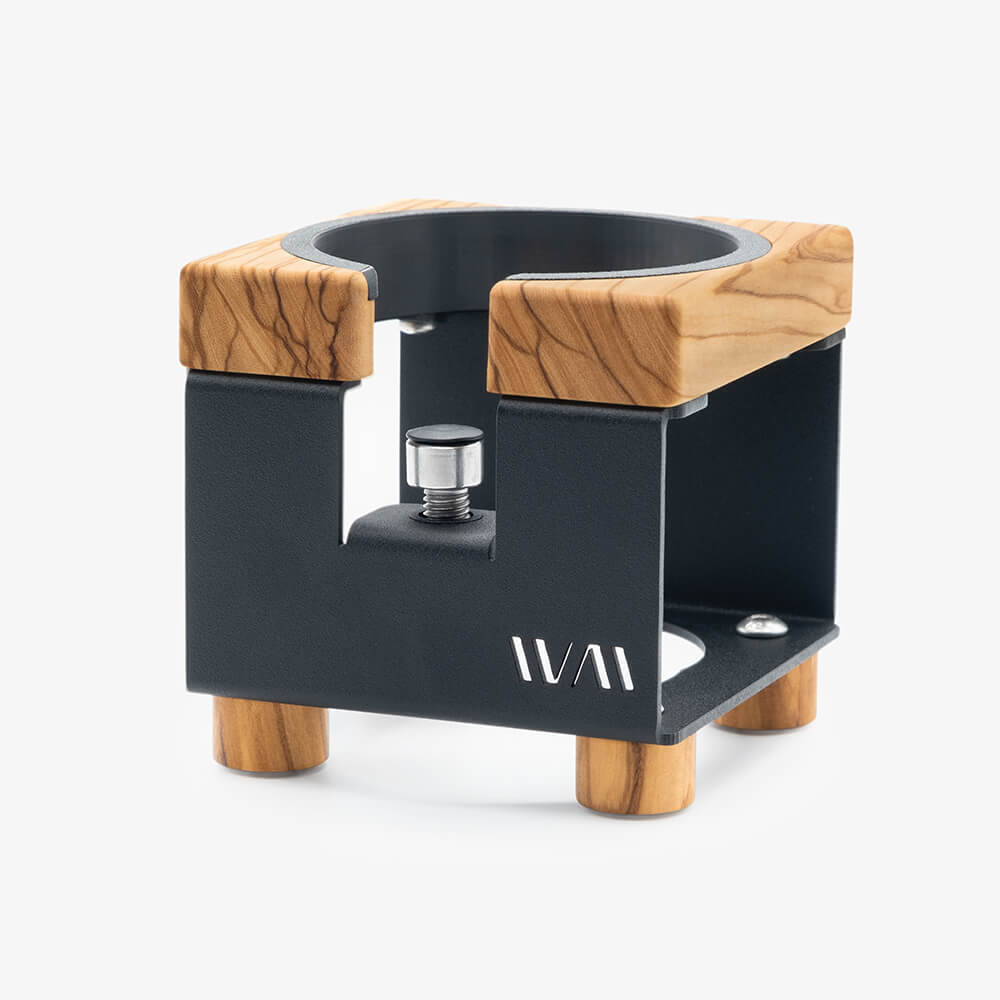
Upgrade für die Bezzera Espressomaschine
Passendes Zubehör für Bezzera
If you have any questions, please feel free to contact us at any time. We will get back to you as soon as possible, within 24 hours on weekdays.
-
Shipping info
We ship all products the same day if ordered before 1pm.
-
Support
We will also be there to support you and advise you after your purchase. If you have any questions about the product you purchased from us, please contact us.
-
Contatti
Email: hello@naturbohne.de
Telefon: 07454 / 870 48 64
Frequently Asked Questions
I bought a new coffee grinder from Naturbohne and there are coffee residues in it.
Please note: Some manufacturers test their coffee grinders before shipping, which means that small coffee residues or bean residues can occasionally be found in the grinder. This procedure is used to test functionality and is considered a quality feature. Of course, we only sell new products - unless expressly stated otherwise.
Static charge – coffee grounds spray out from the side
With some coffee grinders, the ground coffee can become statically charged and spray out of the portafilter at the side. This means that not all of the ground coffee gets into the portafilter, which can lead to uneven extraction. Our recommendation: Use a dosing funnel to ensure that all of the ground coffee is precisely fed into the portafilter - for optimal espresso enjoyment.
What is dead space in coffee grinders?
Conventional coffee grinders often leave a so-called dead space in which coffee residues accumulate. These residues can not only affect the freshness, but also lead to old and fresh coffee grounds being mixed, which negatively affects the taste. In contrast, single dose grinders have a well-thought-out design that eliminates the dead space. Each portion is ground individually and precisely so that no residues are left behind - for a consistently pure and full-bodied coffee experience.
Which portafilter fits my espresso machine?
When choosing the right portafilter for your portafilter machine, it is important to know that each manufacturer develops its own brewing group - the most well-known is the Faema E61. However, this does not mean that any portafilter will fit without any problems. An incompatible portafilter can leak, which will have a direct negative impact on the quality of your espresso. We therefore recommend using either the portafilter originally supplied or one that is explicitly stated to be compatible with your machine. This will ensure that the pressure is optimally built up and the espresso is perfectly extracted.
Can I visit you or pick up the goods personally?
Yes, of course, you are welcome to come by and look at our products by appointment. We would be happy to advise you personally. The best thing to do is to send us an email with a few suggested appointment times.
We are located 5 minutes from the motorway between Stuttgart and Lake Constance on the edge of the Black Forest.
Important note, first use coffee grinders
Another little tip for the perfect start with your new mill:
You will get the best grinding result after you have ground about 1-2 kg of beans. It is best to use a few cheap beans so that the grinder can work optimally. And if you are wondering what you can do with the bean flour - it is perfect plant fertilizer! 🌿
It contains nitrogen, potassium, sulfur and phosphorus and is a real nutrient bomb for your plants.
Könnt ihr bei meiner Siebträgermaschine eine Offset Kalibrierung durchführen ?
Es gibt einige Argumente, die gegen eine Offset-Kalibrierung bei Lelit-Siebträgermaschinen sprechen, insbesondere bei Modellen wie der Lelit Bianca. Diese beziehen sich vor allem auf die Komplexität und die Limitierungen des Offsets als alleinige Lösung für Temperaturprobleme:
- Temperaturschwankungen und Instabilität. Der Offset berücksichtigt eine konstante Differenz zwischen Kesseltemperatur und Brühtemperatur. In der Praxis können jedoch Temperaturschwankungen auftreten, z. B. durch längere Standzeiten oder kontinuierliches Brühen. Dadurch ist die tatsächliche Brühtemperatur nicht immer präzise vorhersehbar.
- Abhängigkeit von Umgebungsbedingungen. Faktoren wie Raumtemperatur, Luftfeuchtigkeit und der Zustand der Maschine (z. B. Aufheizzeit) beeinflussen die Brühtemperatur erheblich. Ein fester Offset kann diese Variablen nicht dynamisch ausgleichen, was zu ungenauen Ergebnissen führen kann.
- Wärmeverlust bei Standzeiten. Nach längeren Pausen kühlt die Brühgruppe ab, und die Maschine benötigt Zeit, um wieder auf die gewünschte Temperatur zu kommen. Ein korrekt eingestellter Offset kann dies nicht kompensieren, weshalb zusätzliche Maßnahmen wie ein “Cooling Flush” nötig sind.
- Fehlkalibrierungen ab Werk. Bei einigen Lelit-Modellen wurde festgestellt, dass der Offset ab Werk oft ungenau eingestellt ist (z. B. 4–8 Grad zu niedrig bei der Lelit Bianca). Dies erfordert eine manuelle Nachkalibrierung durch Fachpersonal, was für Endnutzer kompliziert sein kann.
- Missverständnisse in der Anwendung. Viele Nutzer sind durch widersprüchliche Informationen zur Offset-Einstellung verunsichert, was zu Fehlanpassungen führen kann. Beispielsweise wird oft erwartet, dass der Offset allein alle Temperaturprobleme löst, obwohl er nur ein Teil eines komplexeren Systems ist.
Fazit
Die Offset-Kalibrierung ist ein nützliches Werkzeug, aber sie sollte nicht isoliert betrachtet werden. Eine Kombination aus präziser PID-Steuerung, regelmäßiger Wartung und angepassten Techniken (z. B. Spülshots) ist notwendig, um optimale Brühergebnisse zu erzielen.
Do you have any more questions?
Contatti
If you have any questions about our products, please write to us here or use the chat function.