

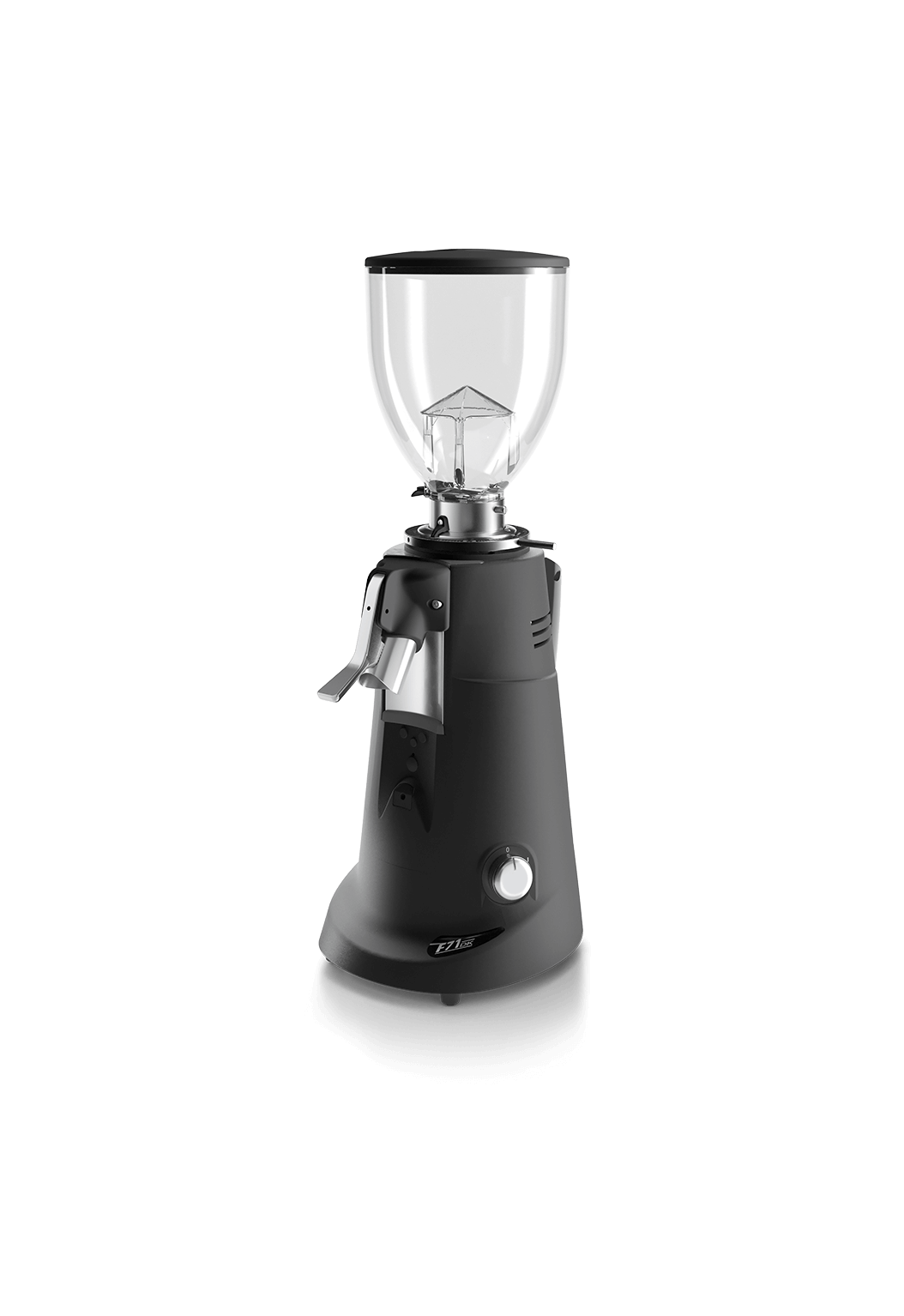
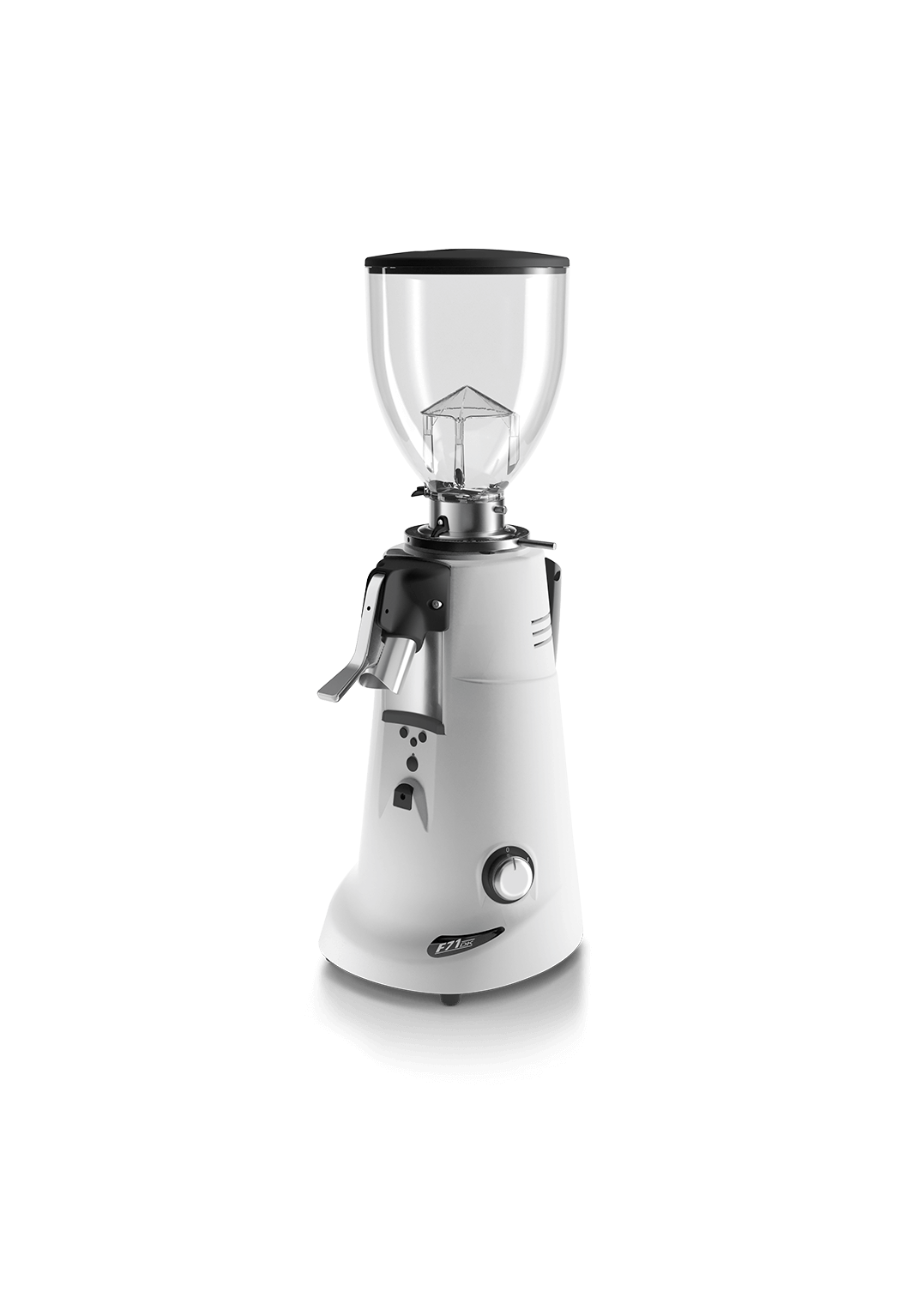
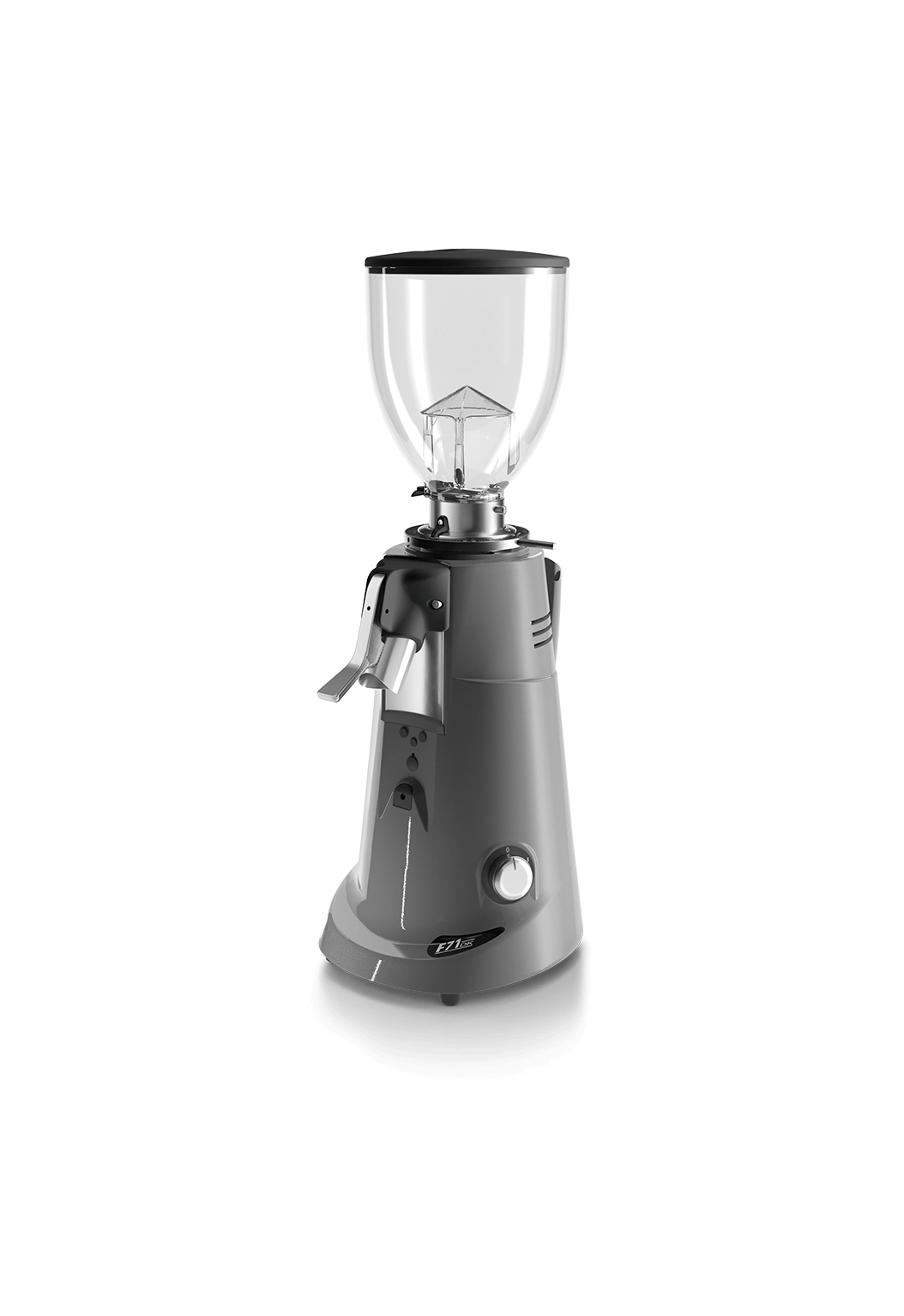
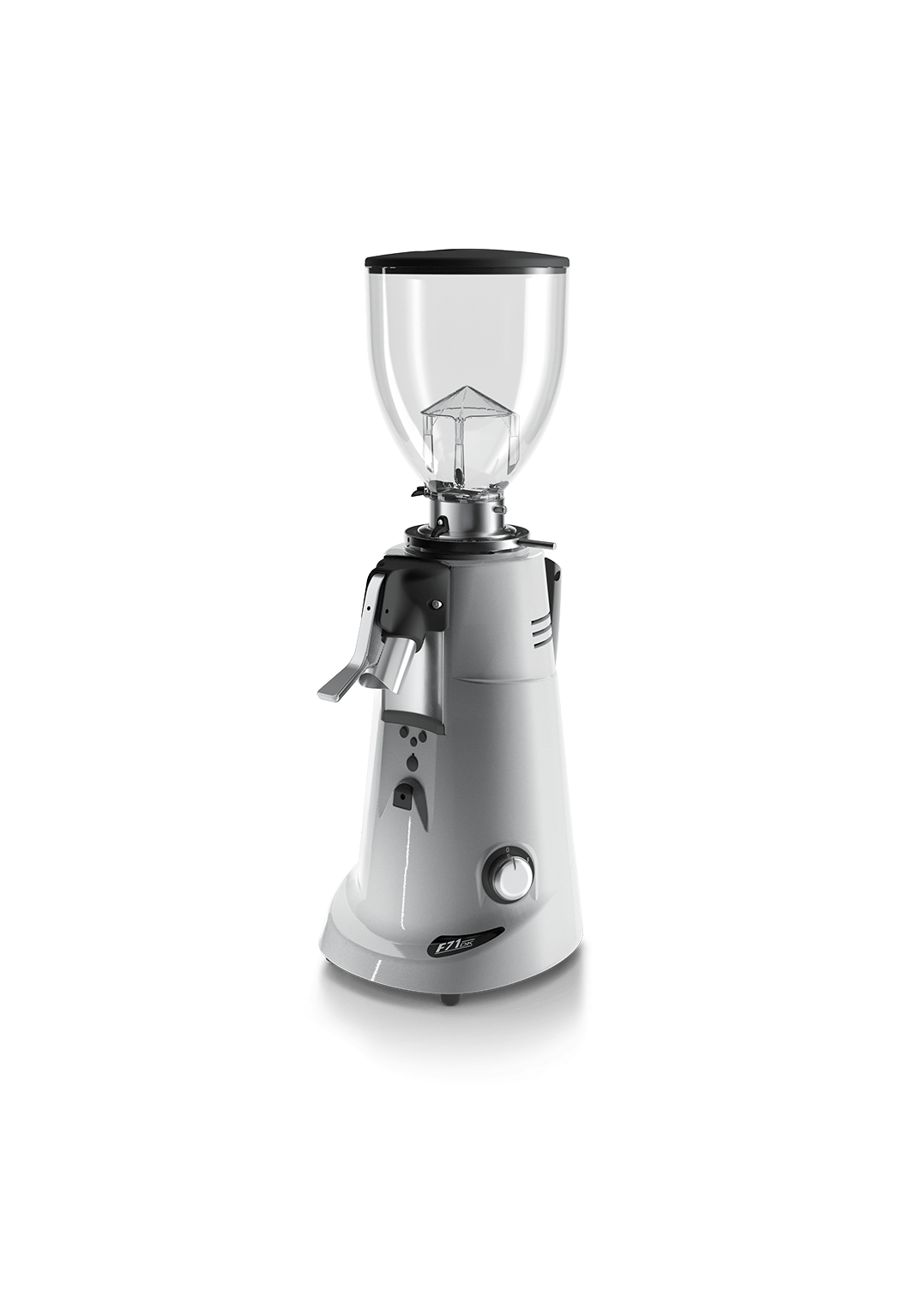
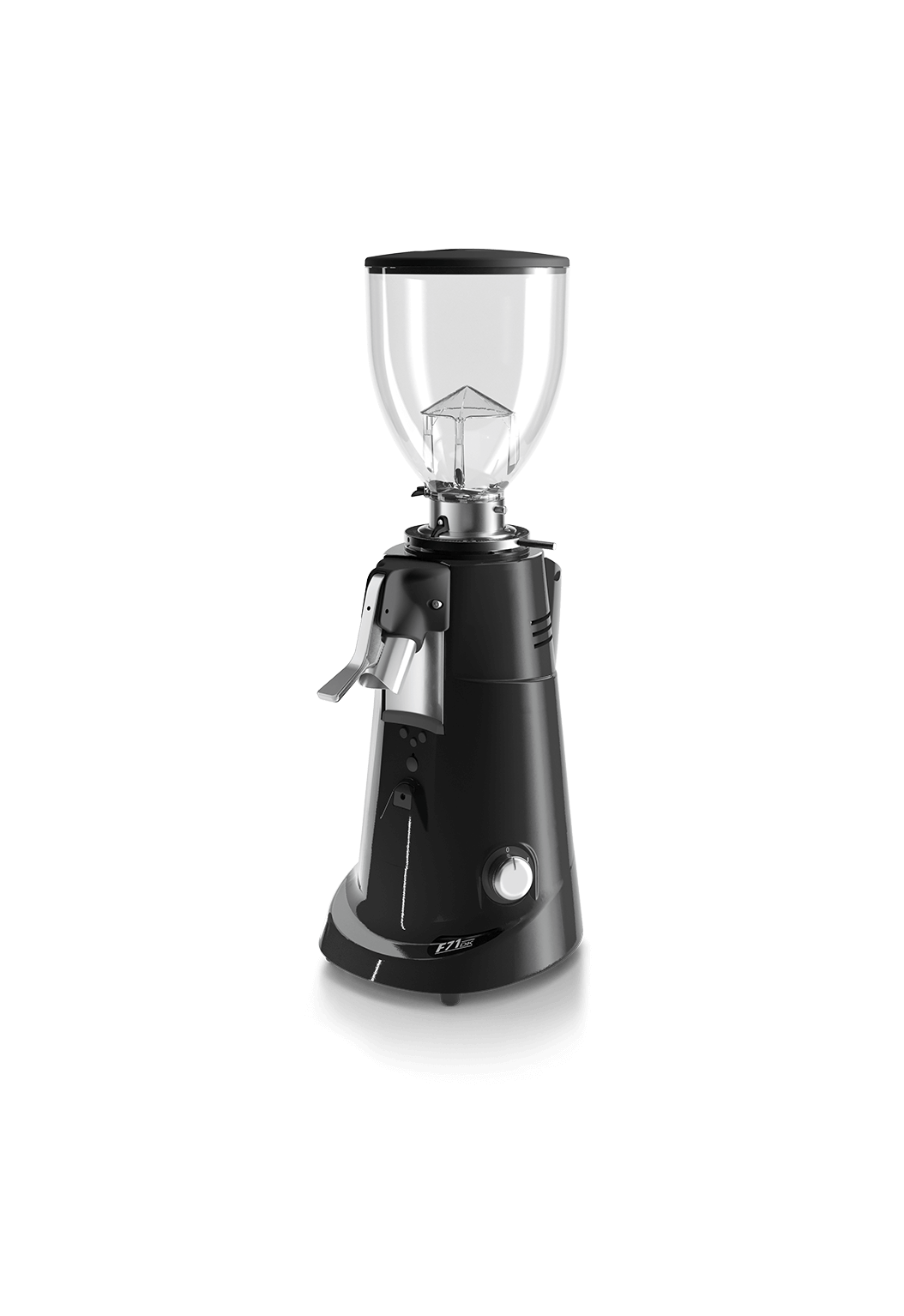
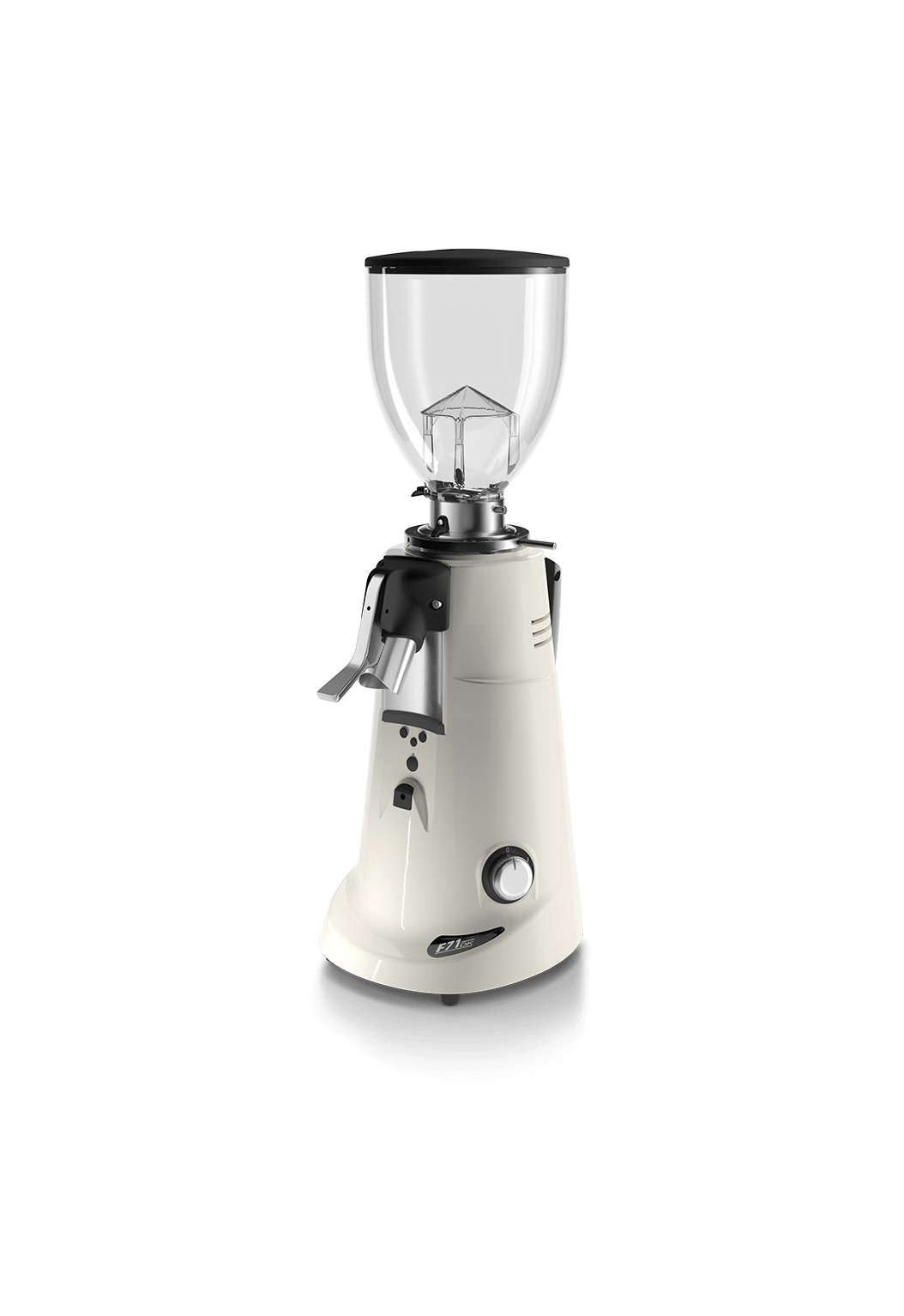
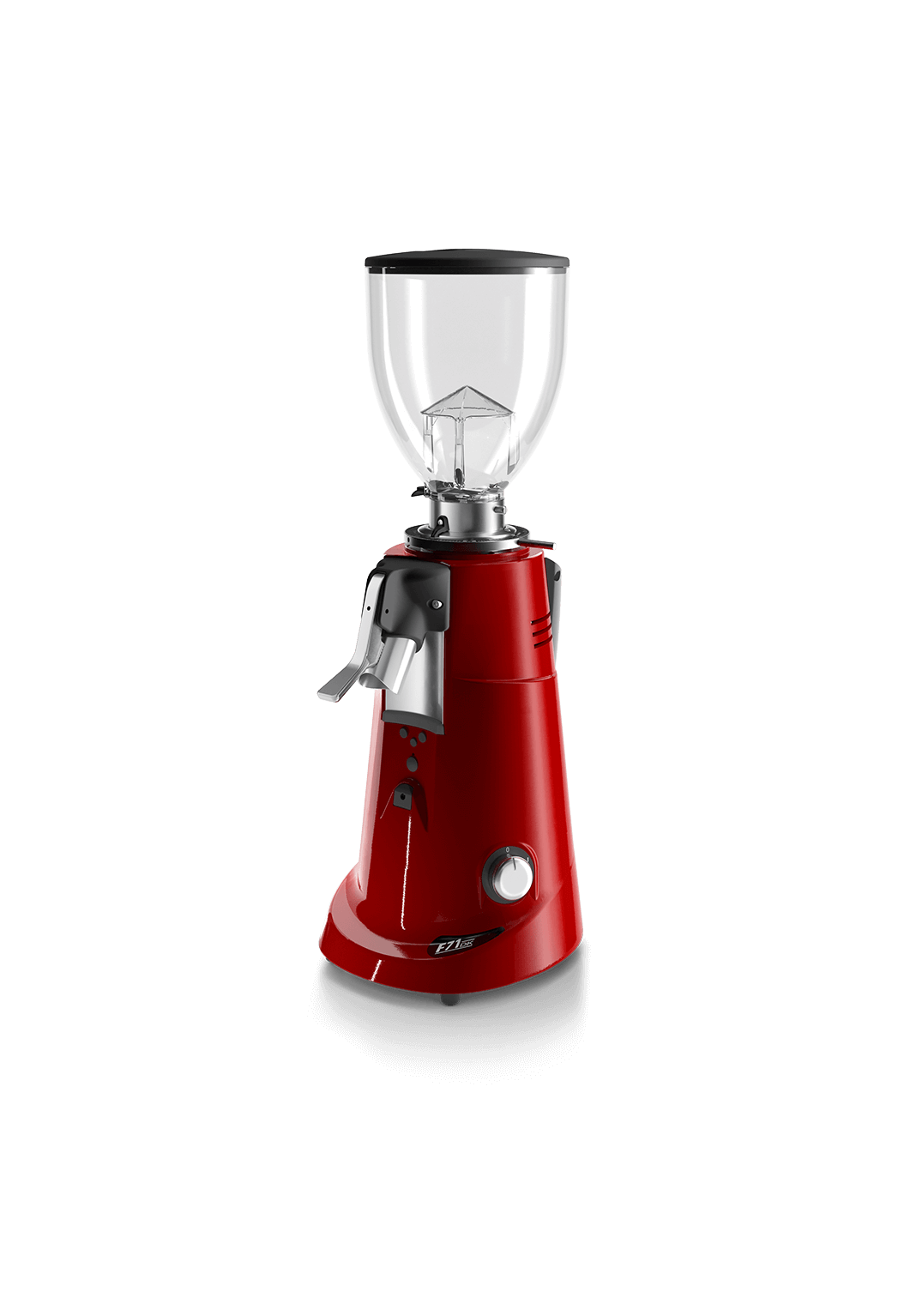
Fiorenzato F71 DK
🚚 Livraison dans l’UE : 34 €
Frais de livraison UE, voir conditions de livraison.
hors TVA
Finanzieren ab 64,53 € / Monat* mit
🚚 Livraison dans l’UE : 34 €
Frais de livraison UE, voir conditions de livraison.
Fiorenzato F71 DK
Bestellungen können derzeit noch zum angezeigten Preis aufgegeben werden. Für einzelne Hersteller (z. B. Mahlkönig, Eureka, Rocket Espresso) wurden Preisanpassungen für das kommende Jahr angekündigt. Der aktuell angezeigte Preis gilt für Bestellungen, die jetzt eingehen.
Fiorenzato F71 DK – Moulin à café professionnel conique pour les exigences les plus élevées
Misez sur une efficacité maximale et un arôme encore plus intense : La Fiorenzato F71 DK est le moulin professionnel pour tous ceux qui, en café, restaurant ou dans la vie exigeante de barista, recherchent une qualité constante, une grande longévité et une saveur parfaite.
- Moulin conique Ø 71 mm : Mouture douce préservant les arômes avec une répartition homogène des particules – idéal pour de grands volumes et une utilisation intensive.
-
Options de moulin :
- Meules M340 : Acier M340 de qualité alimentaire, assure un résultat de mouture précis et un arôme équilibré.
- Meules Dark-T® : Meules revêtues de titane – extrêmement résistantes à l’usure, jusqu’à 5 fois plus longue durée de vie, mouture encore plus homogène et plus froide, idéale pour les exigences professionnelles les plus élevées.
- Moteur puissant de 850 watts : Garantit des résultats constants même en fonctionnement continu et à haute fréquence.
- Réglage micrométrique continu de la mouture : Pour une flexibilité maximale – de l’espresso au café filtre.
- Grand réservoir à grains : Capacité de 1,5 kg pour un travail ininterrompu.
- Construction robuste et massive : Carrosserie stable, env. 20 kg, pour une stabilité parfaite même dans l'agitation d'un café.
Avantages du moulin conique :
- Développement thermique réduit – préserve davantage d’arômes et d’huiles essentielles du café
- Mouture efficace, rapide et particulièrement silencieuse
- Des résultats de mouture parfaits, même avec des grains et réglages variables
Données techniques :
- Puissance du moteur : 850 watts
- Meules coniques Ø 71 mm – au choix M340 ou Dark-T®
- Vitesse de rotation : env. 420 tr/min (50 Hz) – 500 tr/min (60 Hz)
- Conteneur de haricots : 1,5 kg
- Poids : env. 20 kg
- Dimensions : env. 255 x 745 x 320 mm (l x h x p)
La Fiorenzato F71 DK associe une technologie de mouture de pointe, une qualité de fabrication professionnelle et une durabilité sans compromis. Parfaite pour les exigences les plus élevées – choisissez votre moulin selon vos envies et savourez un café d’une nouvelle perfection !
Configurez et commandez maintenant dans la boutique – pour des résultats de mouture constamment optimaux, selon vos exigences !
Informations sur le fabricant
Chiffon de bar Natur Bohne 40x40
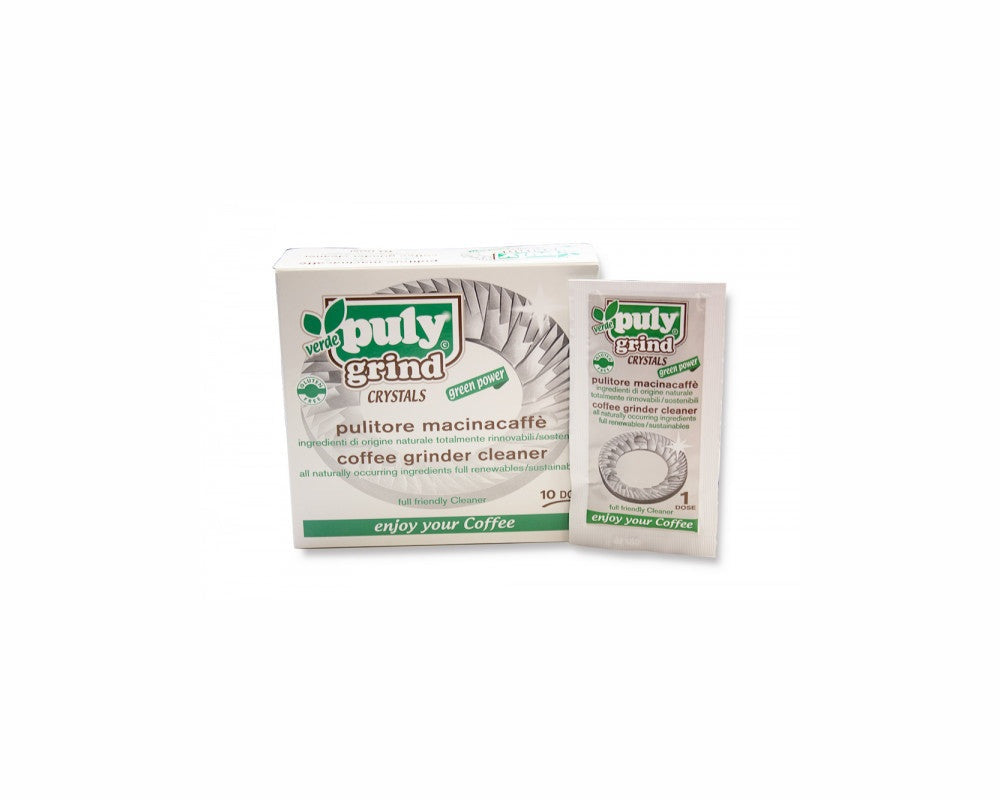
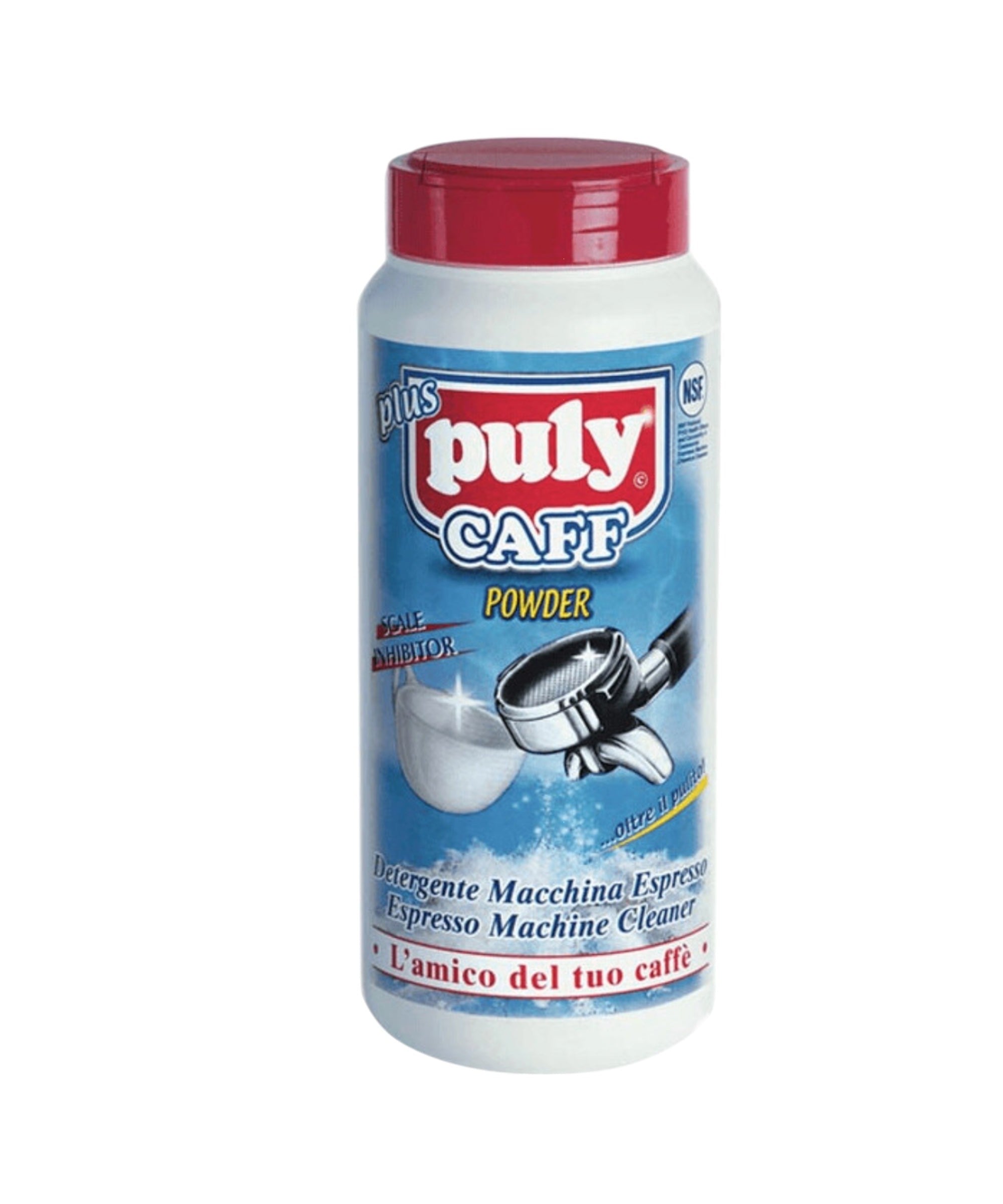
Puly Grind nettoyant pour moulin 10x15g
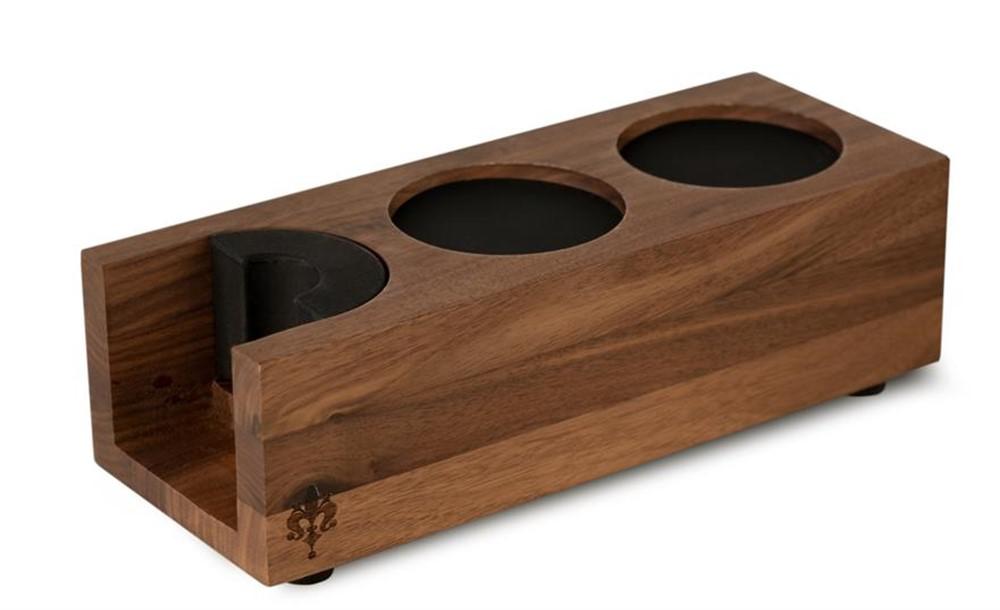
Eureka Tamper Station (double)
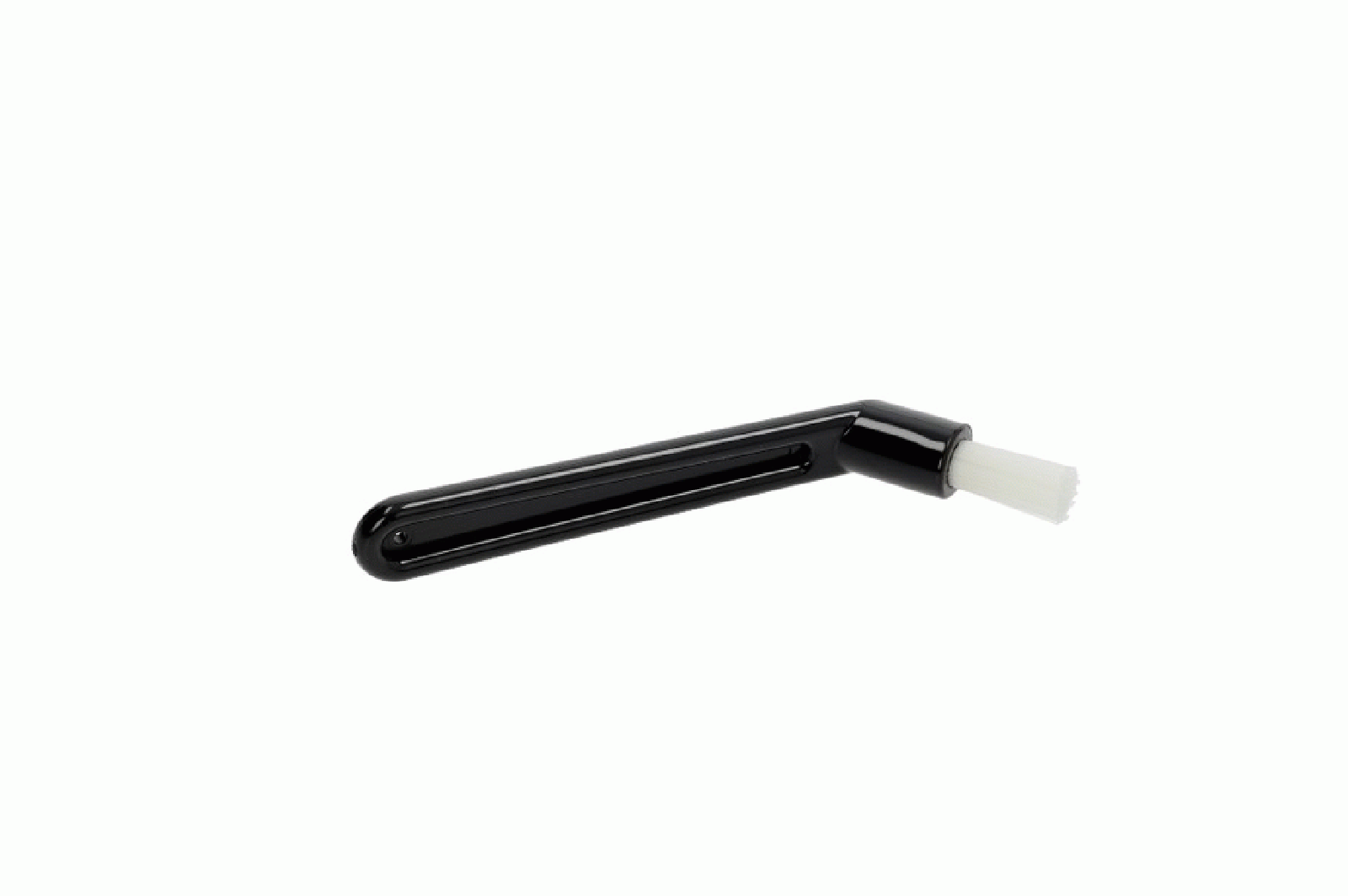
Outil de distribution WDT Wiedemann
Mise à niveau pour votre machine à porte-filtre
Accessoires adaptés
Si vous avez des questions, n'hésitez pas à nous contacter à tout moment. Nous vous répondrons dans les plus brefs délais, sous 24h les jours ouvrables.
-
Infos livraison
Nous expédions tous les produits le jour même pour toute commande passée avant 13h00.
-
Support
Même après ton achat, nous restons à tes côtés pour te conseiller. Si tu as des questions concernant le produit acheté chez nous, contacte-nous.
-
Contact
Email : hello@naturbohne.de
Téléphone : 07454 / 870 48 64
Questions fréquentes
J'ai acheté un nouveau moulin à café chez Naturbohne et il y a des résidus de café dedans.
Attention : certains fabricants testent leurs moulins à café avant expédition, ce qui peut parfois entraîner la présence de petits résidus de café ou de grains dans le moulin. Cette procédure est utilisée pour tester la fonctionnalité et est considérée comme une fonctionnalité de qualité. Bien entendu, nous vendons uniquement des produits neufs, sauf indication contraire expresse.
Charge statique – la mouture de café s'éparpille sur les côtés
Avec certains moulins à café, il peut arriver que le marc de café se charge statiquement et soit projeté sur le côté du porte-filtre. Par conséquent, tout le marc de café n’atteint pas le porte-filtre, ce qui peut entraîner une extraction inégale. Notre recommandation : utilisez un entonnoir doseur pour garantir que tout le marc de café soit introduit avec précision dans le porte-filtre – pour un plaisir optimal de l'espresso.
Qu'est-ce que l'espace mort dans les moulins à café ?
Les moulins à café conventionnels laissent souvent un espace mort dans lequel s'accumulent les résidus de café. Ces résidus peuvent non seulement affecter la fraîcheur, mais également provoquer un mélange de marc de café ancien et frais, ce qui affecte négativement le goût. En revanche, les broyeurs à dose unique présentent une conception sophistiquée qui élimine les espaces morts. Chaque portion est moulue individuellement et avec précision afin qu'aucun résidu ne reste - pour une expérience de café toujours pure et corsée.
Quel porte-filtre convient à ma machine à espresso ?
Lors du choix du porte-filtre adapté à votre machine à café, il est important de savoir que chaque fabricant développe son propre groupe de brassage – le plus connu est le Faema E61. Cependant, cela ne signifie pas que n’importe quel porte-filtre s’adaptera sans problème. Un porte-filtre incompatible peut fuir, ce qui aura un impact négatif direct sur la qualité de votre expresso. Nous vous recommandons donc d'utiliser soit le porte-filtre fourni à l'origine, soit un porte-filtre explicitement indiqué comme compatible avec votre machine. Cela garantit que la pression est générée de manière optimale et que l'espresso est parfaitement extrait.
Puis-je aussi vous rendre visite ou retirer la marchandise en personne ?
Oui, bien sûr, vous êtes les bienvenus pour venir découvrir nos produits sur rendez-vous. Nous serions heureux de vous conseiller personnellement. La meilleure chose à faire est de nous envoyer un courriel avec quelques dates suggérées.
Nous sommes situés à 5 minutes de l'autoroute entre Stuttgart et le lac de Constance, en bordure de la Forêt-Noire.
Remarque importante, première utilisation des moulins à café
Un autre petit conseil pour un démarrage parfait avec votre nouveau moulin :
Vous obtiendrez le meilleur résultat de mouture après avoir moulu environ 1 à 2 kg de grains. Il est préférable d'utiliser quelques haricots bon marché pour que le moulin puisse fonctionner de manière optimale. Et si vous vous demandez ce que vous pouvez faire avec la farine de haricots, c'est un engrais végétal parfait ! 🌿
Il contient de l'azote, du potassium, du soufre et du phosphore et constitue une véritable bombe nutritive pour vos plantes.
Pouvez-vous effectuer un calibrage offset sur ma machine à porte-filtre ?
Il existe plusieurs arguments contre un calibrage d’offset sur les machines à levier Lelit, en particulier pour des modèles comme la Lelit Bianca. Ceux-ci concernent surtout la complexité et les limites de l’offset comme solution unique aux problèmes de température :
- Fluctuations et instabilité de la température. L’offset prend en compte une différence constante entre la température de la chaudière et celle de l’extraction. En pratique, des variations de température peuvent survenir, par exemple après de longs temps d’arrêt ou lors d’extractions continues. Ainsi, la température réelle d’extraction n’est pas toujours précisément prévisible.
- Dépendance aux conditions ambiantes. Des facteurs comme la température de la pièce, l’humidité de l’air et l’état de la machine (par exemple, le temps de chauffe) influencent fortement la température d’extraction. Un offset fixe ne peut pas compenser dynamiquement ces variables, ce qui peut entraîner des résultats imprécis.
- Perte de chaleur lors des périodes d’inactivité. Après une longue pause, le groupe d’extraction refroidit et la machine a besoin de temps pour revenir à la température souhaitée. Un offset correctement réglé ne peut pas compenser cela, d’où la nécessité de mesures supplémentaires comme un « cooling flush ».
- Calibrages incorrects en usine. Sur certains modèles Lelit, il a été constaté que l’offset est souvent mal réglé en usine (par exemple, 4 à 8 degrés trop bas sur la Lelit Bianca). Cela nécessite un recalibrage manuel par un professionnel, ce qui peut être compliqué pour les utilisateurs finaux.
- Malentendus dans l’utilisation. De nombreux utilisateurs sont déconcertés par des informations contradictoires sur le réglage de l’offset, ce qui peut entraîner de mauvais réglages. Par exemple, on s’attend souvent à ce que l’offset résolve à lui seul tous les problèmes de température, alors qu’il ne constitue qu’une partie d’un système plus complexe.
Conclusion
Le calibrage de l’offset est un outil utile, mais il ne doit pas être considéré isolément. Une combinaison d’un contrôle PID précis, d’un entretien régulier et de techniques adaptées (par exemple, des « spülshots ») est nécessaire pour obtenir des résultats d’extraction optimaux.
As-tu encore des questions ?
Contact
Si tu as encore des questions sur nos produits, écris-nous ici ou utilise la fonction de chat.