


Eureka Atlas 85 Nero Opaco – Moulin à espresso professionnel équipé de meules plates de 85 mm
hors TVA
Finanzieren ab 46,62 € / Monat* mit
🚚 Livraison dans l’UE : 34 €
Frais de livraison UE, voir conditions de livraison.
🚚 Livraison dans l’UE : 34 €
Frais de livraison UE, voir conditions de livraison.
Eureka Atlas 85 Nero Opaco – Moulin à espresso professionnel équipé de meules plates de 85 mm
Bestellungen können derzeit noch zum angezeigten Preis aufgegeben werden. Für einzelne Hersteller (z. B. Mahlkönig, Eureka, Rocket Espresso) wurden Preisanpassungen für das kommende Jahr angekündigt. Der aktuell angezeigte Preis gilt für Bestellungen, die jetzt eingehen.
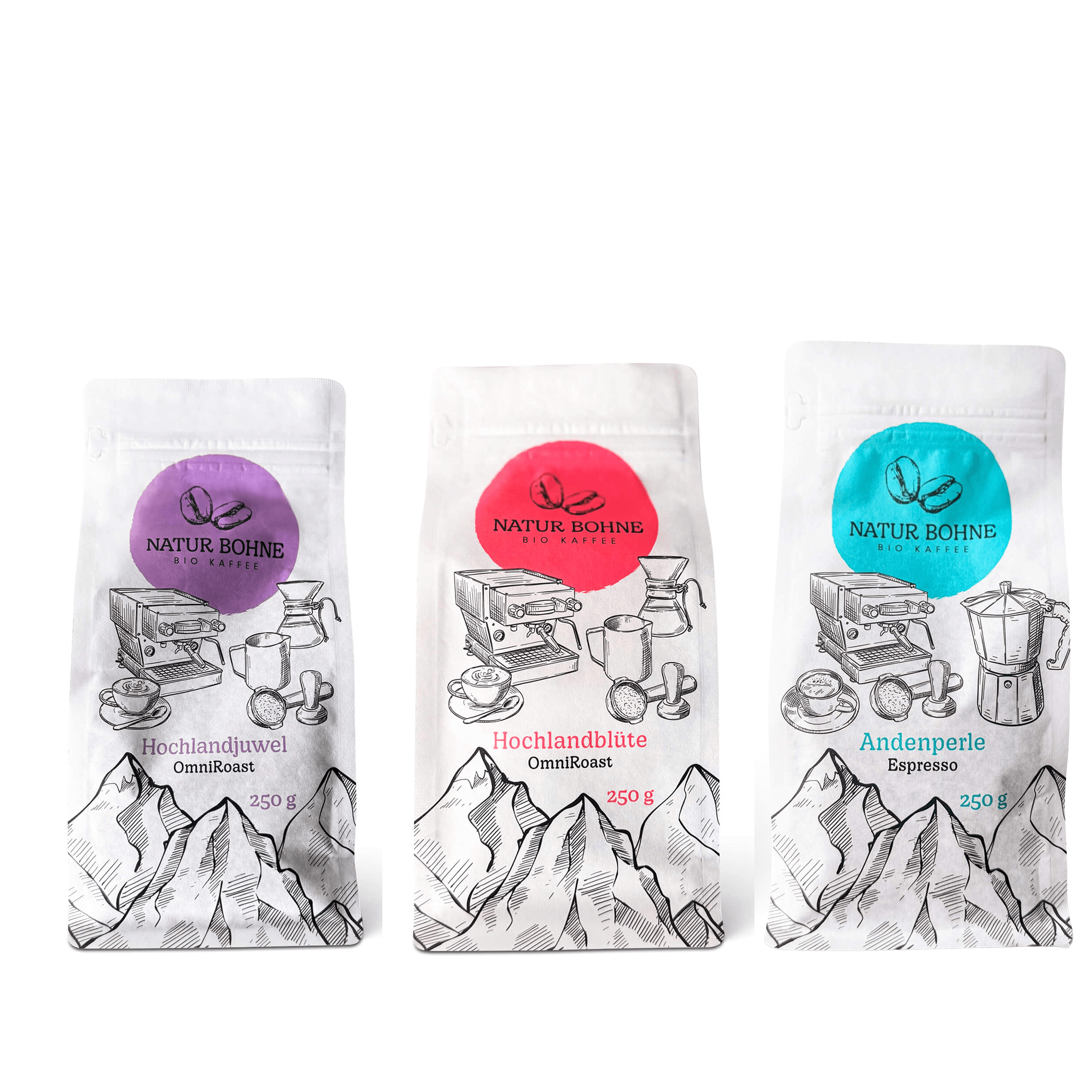
Duo parfait : Eureka Specialita 16CR & lot Espresso Naturbohne

Duo parfait pour savourer le café
Découvrez le plaisir du café au plus haut niveau avec notre ensemble exclusif comprenant le moulin à espresso Eureka Mignon Specialita 16CR et nos grains de café soigneusement sélectionnés, certifiés bio et Demeter.
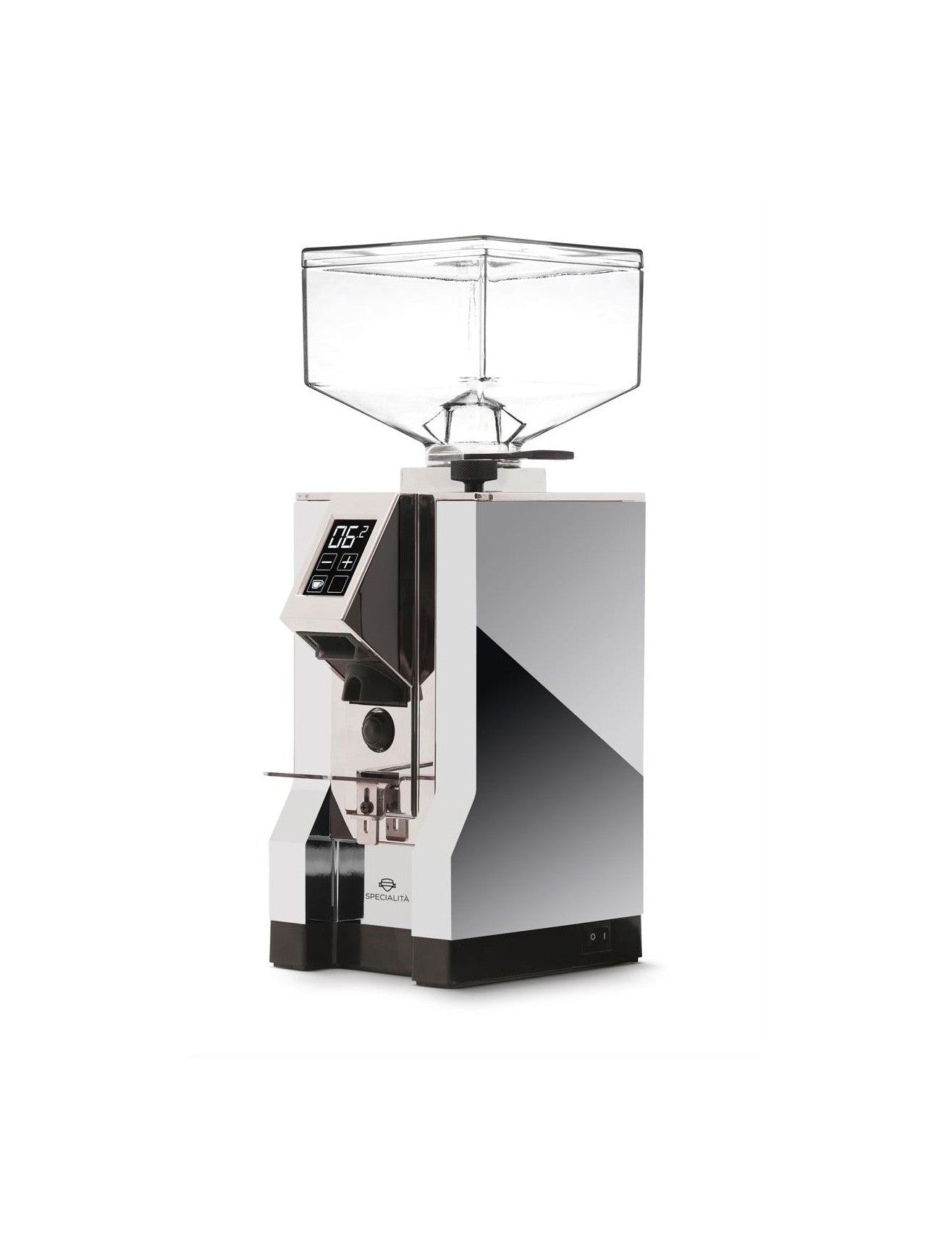
Moulin à café Eureka Specialita 16 CR
Eureka Atlas 85 Nero Opaco – Leistungsstarke Café-Mühle mit 85 mm Flachmahlscheiben
Die Eureka Atlas 85 in der Ausführung Nero Opaco ist eine professionelle On-Demand-Espressomühle für Café-Betriebe, Gastronomie und anspruchsvolle Heimbaristas mit hohem Tagesdurchsatz. Mit ihren 85 mm Flachmahlscheiben aus gehärtetem Stahl und 510 W Motorleistung liefert sie eine Mahlgeschwindigkeit von 7–8,5 g/s – ein Doppelshot ist damit in rund 2,1 bis 2,6 Sekunden gemahlen. Die Atlas 85 wird in Florenz, Italien, gefertigt und kombiniert kommerzielle Bauqualität mit präziser Bedienlogik.
85 mm Flachmahlscheiben für höchste Mahlqualität bei hohem Durchsatz
Die 85 mm Flachmahlscheiben aus gehärtetem Stahl bieten eine deutlich größere Mahlfläche als kompaktere Profi-Mühlen. Das Ergebnis: gleichmäßigeres Mahlbild, geringere spezifische Wärmeentwicklung pro Gramm Kaffee und thermische Reserven für intensive Back-to-Back-Bezüge im Café-Alltag.
Touch-Display mit drei programmierbaren Dosen
Das mehrfarbige Touch-Display ermöglicht das Programmieren von Dosierzeiten für Single, Double und manuelle Dauerdosierung. Helligkeit, Hintergrundfarbe, Standby-Timer und Sprachauswahl sind individuell konfigurierbar. Ein integrierter Dosiszähler protokolliert jede Ausgabe und unterstützt einen kontrollierten Workflow im Gastronomieeinsatz.
Mikrometrische Mahlgradverstellung – stufenlos und exakt
Die patentierte mikrometrische, stufenlose Mahlgradeinstellung erlaubt feinste Korrekturen, ohne den Workflow zu unterbrechen. So passen Sie den Mahlgrad exakt an Bohne, Röstung und Brühprofil an – essenziell für Specialty-Coffee-Profile mit hoher Wiederholgenauigkeit.
Direktantrieb mit 510 W Leistung und 1.350 U/min
Der direktangetriebene Motor liefert mit 510 W EU-Leistungsaufnahme (220–240 V / 50 Hz) und 1.350 U/min die nötige Drehmomentreserve für hohen Durchsatz. Der Direktantrieb arbeitet ohne Getriebe – das reduziert Vibrationen, Wärmeentwicklung und Verschleiß.
ACE System gegen Klumpenbildung und elektrostatische Aufladung
Das von Eureka entwickelte ACE System (Anti Clumps & Electrostaticity) reduziert die statische Aufladung des Mahlguts und minimiert Klumpenbildung im Auswurf. Das Ergebnis ist ein gleichmäßiger Bezug und ein sauberer Arbeitsplatz – auch bei hoher Schlagzahl.
Silent Technology – spürbar leiser im Betrieb
Die Eureka Silent Technology basiert auf einem Anti-Vibrations-Konzept und reduziert das Mahlgeräusch laut Hersteller um etwa 20 dB gegenüber konventionellen Mühlen. Eine konkrete dB(A)-Angabe für die Atlas 85 wird von Eureka nicht ausgewiesen.
Hands-Free-Siebträgergabel mit integrierter Beleuchtung
Die höhenverstellbare Hands-Free-Siebträgergabel hält den Siebträger sicher in Position und ermöglicht beidhändiges Arbeiten. Die integrierte LED-Beleuchtung sorgt für saubere Sicht beim Dosieren – ein entscheidender Komfortfaktor im Café-Betrieb.
Großer Bohnenbehälter und High-Speed Maintenance
Mit 1,4 kg Fassungsvermögen ist der Bohnenbehälter auf hohen Tagesdurchsatz ausgelegt. Das High-Speed-Maintenance-Konzept erleichtert die Wartung und den Mahlscheibenwechsel – Eureka empfiehlt eine Prüfung alle 250 kg Kaffeedurchsatz – ein wichtiger Faktor für die langfristige Wirtschaftlichkeit im gewerblichen Einsatz.
Für wen ist die Eureka Atlas 85 die richtige Wahl?
Die Atlas 85 richtet sich an Café-Betriebe, Restaurants, Gastronomie mit hohem Bezugsaufkommen, Eventcatering sowie Pro-Heimbaristas mit mehr als 15 Bezügen pro Tag. Im Vergleich zur kompakteren Atlas 65 mahlt sie einen Doppelshot rund 1,5 bis 2 Sekunden schneller und bietet höhere thermische Reserven bei intensiven Bezugs-Peaks.
Für moderaten Durchsatz im Heimbarista-, Office- oder Boutique-Café-Einsatz empfehlen wir die kompaktere Eureka Atlas 65 mit 65 mm Mahlscheiben.
Kaufberater: Eureka Atlas 65 oder Atlas 85 – welche Mühle passt zu Ihnen?
Die Atlas-Range von Eureka deckt mit der Atlas 65 und der Atlas 85 zwei unterschiedliche Einsatzbereiche ab. Beide Mühlen teilen Bauphilosophie, Bedienlogik und Technologien wie ACE System, Silent Technology und Hands-Free-Siebträgergabel. Der entscheidende Unterschied liegt in Mahlscheibengröße, Motorleistung und Durchsatzkapazität.
Direkter Vergleich auf einen Blick
| fonctionnalité | Atlas 65 | Atlas 85 |
|---|---|---|
| Disques de meulage | 65 mm, Flach, gehärteter Stahl | 85 mm, Flach, gehärteter Stahl |
| Motorleistung (EU) | 360 W | 510 W |
| Drehzahl Mahlscheiben | 1.370 U/min | 1.350 U/min |
| Vitesse de mouture | 4,0–5,5 g/s | 7,0–8,5 g/s |
| Mahlzeit Doppelshot (18 g) | ca. 3,3–4,5 s | ca. 2,1–2,6 s |
| Max. Mahlzeit (Ton) | 30 s | 30 s |
| Abkühlzeit (Toff) | 270 s | 280 s |
| récipient à haricots | 1,4 kg | 1,4 kg |
| Nettogewicht | 12 kg | 15,5 kg |
| Dimensions (H × L × P) | 652 × 227 × 262 mm | 652 × 227 × 262 mm |
| Mahlgradverstellung | Micrométrique, continu | Micrométrique, continu |
| Touch-Display | Ja, mehrfarbig | Ja, mehrfarbig |
| Dosierungen | 3 + Manuell | 3 + Manuell |
| ACE System | Oui | Oui |
| Silent Technology | Oui | Oui |
| Hands-Free-Gabel mit LED | Oui | Oui |
| Wartungsintervall Mahlscheiben | 250 kg | 250 kg |
Empfehlung nach Nutzungsprofil
| Nutzungsprofil | Tagesdurchsatz | Recommandation |
|---|---|---|
| Heimbarista | 1–5 Shots/Tag | Atlas 65 ist die wirtschaftlichere Wahl. Atlas 85 nur als Komfort-Upgrade sinnvoll. |
| Pro-Heimbarista | 5–20 Shots/Tag | Atlas 65 reicht aus. Atlas 85 reduziert Wartezeiten bei Gästen und Back-to-Back-Bezügen merklich. |
| Kleines Café / Eventcatering | 20–60 Shots/Tag | Atlas 85 empfohlen – höhere thermische Reserven und rund 65 % mehr Mahlgeschwindigkeit beim Peaking. |
| Mittelgroßes Café | 60–150 Shots/Tag | Atlas 85 ist die richtige Wahl. Atlas 65 wird hier grenzwertig. |
| Hochlast-Café | >150 Shots/Tag kontinuierlich | Beide Atlas-Modelle stoßen an Grenzen. Dedizierte Gastro-Mühlen wie Mahlkönig E65S empfehlenswert. |
Wann lohnt sich der Aufpreis zur Atlas 85?
Drei klare Kriterien sprechen für die Atlas 85:
- Mahlzeit als messbarer Engpass: Ab rund 15–20 Shots pro Tag spart die Atlas 85 täglich 20–40 Sekunden Mahlzeit. Subjektiv merklich wird der Geschwindigkeitsvorteil ab 30 Bezügen pro Tag.
- Thermische Reserve: Bei gleicher Leistungsaufnahme verteilt die Atlas 85 die Wärme auf eine größere Mahlfläche. Bei Back-to-Back-Bezügen läuft sie thermisch stabiler.
- Workflow-Komfort: 2,1–2,6 s Mahlzeit pro Doppelshot statt 3,3–4,5 s ist im Daily-Driver-Betrieb spürbar – besonders wenn Gäste am Tresen warten.
Faustregel: Wer regelmäßig mehr als 10–15 Doppelshots am Stück ohne Pause mahlen möchte oder einen kleinen Café-Betrieb führt, profitiert messbar von der Atlas 85. Reine Heimbaristas mit 1–5 Bezügen täglich erhalten primär Komfort und thermische Reserven – qualitativ unterscheidet sich das Mahlbild beider Modelle nicht.
Was beide Mühlen NICHT bieten
- Kein Blow-Up-System für nahezu retentionsfreies Single-Dose-Mahlen (dies bietet z. B. die Atom Specialty 65)
- Keine 10-Jahres-Motor-Garantie – diese gilt ausschließlich für ausgewählte Mignon-Modelle
- Keinen verstellbaren Auslauf
- Pas de dosage basé sur le poids (Grind-by-Weight) – les deux fonctionnent avec une minuterie
Technische Spezifikation
| Fabricant | Eureka |
|---|---|
| Modèle | Atlas 85 |
| Exécution | Nero Opaco (Mattschwarz) |
| Artikelnummer | EHA85001 |
| EAN | nicht öffentlich verifiziert |
| Mahlscheibentyp | Flachmahlscheiben |
| Mahlscheibendurchmesser | 85 mm |
| Mahlscheibenmaterial | Gehärteter Stahl |
| Vitesse de mouture | 7,0–8,5 g/s |
| Motordrehzahl (EU) | 1.350 U/min |
| Motorleistung (EU) | 510 W (bei 220–240 V / 50 Hz) |
| Antrieb | Direktantrieb (ohne Getriebe) |
| Alimentation électrique | Einphasig |
| Mahlgradverstellung | Mikrometrisch, stufenlos (Eureka-Patent) |
| pilotage | Elektronisch, mehrfarbiges Touch-Display |
| Dosiermodus | Grind-by-Time (Single / Double / Manuell) |
| Dosiszähler | Ja, integriert |
| Bohnenbehältervolumen | 1,4 kg (Herstellerseite)* |
| Siebträgergabel | Hands-Free, höhenverstellbar, mit LED-Beleuchtung |
| Verstellbarer Auslauf | Non |
| Spezial-Technologien | ACE System, Silent Technology, High-Speed Maintenance |
| volume | Silent Technology, ca. 20 dB leiser als konventionelle Mühlen (Herstellerangabe); kein absoluter dB(A)-Wert für die Atlas 85 dokumentiert |
| Max. Mahlzeit pro Vorgang (Ton) | 30 Sekunden |
| Empfohlene Abkühlzeit (Toff) | 280 Sekunden |
| Tension | 220–240 V |
| fréquence | 50 Hz |
| Stand-by-Modus | Ja, im Menü konfigurierbar |
| Largeur | 227 mm |
| Tiefe | 262 mm |
| Höhe | 652 mm (Herstellerseite)* |
| Nettogewicht | 15,5 kg |
| Bruttogewicht inkl. Verpackung | non disponible |
| Wartungsintervall Mahlscheiben | Prüfung alle 250 kg Kaffeedurchsatz empfohlen |
| Origine | Made in Italy (Florenz) |
* Datenkonflikt zwischen Eureka-Produktseite und offiziellem Atlas Range User Manual: Das Handbuch nennt 711 mm Höhe und 2,0 kg Hopper-Kapazität. Auf dieser Produktseite werden die Werte der aktuellen Eureka-Produktseite ausgewiesen.
Contenu de la livraison
- Eureka Atlas 85 Espressomühle in Nero Opaco
- Bohnenbehälter 1,4 kg mit Deckel
- Siebträgergabel (Hands-Free, höhenverstellbar)
- Netzkabel
- Mehrsprachiges Handbuch
Weiteres Zubehör wie Reinigungspinsel oder Tampermatte ist nicht im offiziellen Lieferumfang dokumentiert. Lieferumfang vor Veröffentlichung mit dem Distributor abgleichen.
Häufig gestellte Fragen zur Eureka Atlas 85
Für welche Einsatzbereiche eignet sich die Atlas 85?
Die Atlas 85 ist als kommerzielle On-Demand-Mühle konzipiert und eignet sich für Café-Betriebe, Restaurants, Gastronomie mit hohem Bezugsaufkommen, Eventcatering sowie Pro-Heimbaristas mit mehr als 15 Bezügen pro Tag. Das Eureka-Handbuch klassifiziert die Atlas-Modelle für gewerbliche Anwendungen wie Restaurants, Kantinen und Bäckereien, jedoch nicht für kontinuierlichen Serienbetrieb mit über 150 Shots pro Stunde.
Worin unterscheidet sich die Atlas 85 von der Atlas 65?
Die Atlas 85 verfügt über 85 mm Flachmahlscheiben (Atlas 65: 65 mm), 510 W Motorleistung (Atlas 65: 360 W) und eine Mahlgeschwindigkeit von 7–8,5 g/s (Atlas 65: 4–5,5 g/s). Ein Doppelshot ist mit der Atlas 85 in 2,1 bis 2,6 Sekunden gemahlen – rund 1,5 bis 2 Sekunden schneller als bei der Atlas 65. Zudem bietet sie höhere thermische Reserven bei intensiven Back-to-Back-Bezügen.
Welche Farbausführungen sind verfügbar?
Eureka bietet die Atlas 85 in drei offiziellen Farbausführungen an: Nero Opaco (Mattschwarz), Bianco (Weiß) und Rosso Ferrari (Ferrari-Rot). Bei Naturbohne führen wir derzeit die Ausführung Nero Opaco.
Wie laut ist die Atlas 85 im Betrieb?
Eureka gibt keinen absoluten Dezibel-Wert für die Atlas 85 an. Die integrierte Silent Technology reduziert das Mahlgeräusch laut Hersteller um etwa 20 dB gegenüber konventionellen Mühlen. Durch den Direktantrieb arbeitet die Mühle zudem vibrationsärmer als getriebebasierte Modelle.
Wie oft müssen die Mahlscheiben gewechselt werden?
Eureka empfiehlt, die Mahlscheiben alle 250 kg Kaffeedurchsatz auf Verschleiß zu prüfen und gegebenenfalls zu tauschen. Für die Wartung sollten ausschließlich Eureka-Originalersatzteile verwendet werden. REPA fungiert seit Juni 2025 als Global Master Distributor für Eureka-Ersatzteile.
Wie viele Shots pro Tag kann die Atlas 85 verarbeiten?
Eureka veröffentlicht keine offizielle tägliche Kapazitätsangabe. Auf Basis der technischen Parameter (Ton 30 s, Toff 280 s) ist die Atlas 85 für intensiven Café-Betrieb mit bis zu rund 150 Shots pro Tag praxistauglich. Für kontinuierlichen Hochlast-Betrieb mit mehr als 150 Shots pro Stunde sind dedizierte Gastro-Mühlen wie Mahlkönig E65S oder vergleichbare Modelle besser geeignet.
Hat die Atlas 85 ein Blow-Up- oder Single-Dose-System?
Nein. Die Atlas 85 ist eine klassische On-Demand-Mühle nach dem Grind-by-Time-Prinzip mit Bohnenbehälter und ACE System gegen Klumpenbildung. Ein Blow-Up-System für nahezu retentionsfreies Single-Dose-Mahlen ist nicht Teil der Atlas-Ausstattung.
Gilt die 10-Jahres-Motor-Garantie von Eureka auch für die Atlas 85?
Nein. Die seit 06.06.2025 von Eureka ausgelobte 10-Jahres-Motor-Garantie gilt ausschließlich für ausgewählte Mignon-Modelle und umfasst die Atlas-Serie nicht. Für die Atlas 85 greift die gesetzliche Gewährleistung gemäß deutschem und europäischem Recht über Naturbohne.
Informations sur le fabricant
* Bonität vorausgesetzt. Ratenbeispiel für PayPal Ratenzahlung: effektiver Jahreszins 12,49 % p.a., fester Sollzinssatz 11,80 % p.a., Laufzeit 24 Monate. Genaue Konditionen und Gesamtkosten werden im nächsten Schritt von PayPal angezeigt. Angebot gültig nur für Kunden mit Wohnsitz in Deutschland. Weitere Infos zur Bonitätsprüfung.
Si vous avez des questions, n'hésitez pas à nous contacter à tout moment. Nous vous répondrons dans les plus brefs délais, sous 24h les jours ouvrables.
-
Informations sur l'expédition
Nous expédions tous les produits le jour même s'ils sont commandés avant 13h.
-
Soutien
Nous serons également là pour vous accompagner et vous conseiller après votre achat. Si vous avez des questions sur le produit que vous avez acheté chez nous, veuillez nous contacter.
-
Contact
Email : [email protected]
Téléphone : 07454 / 870 48 64
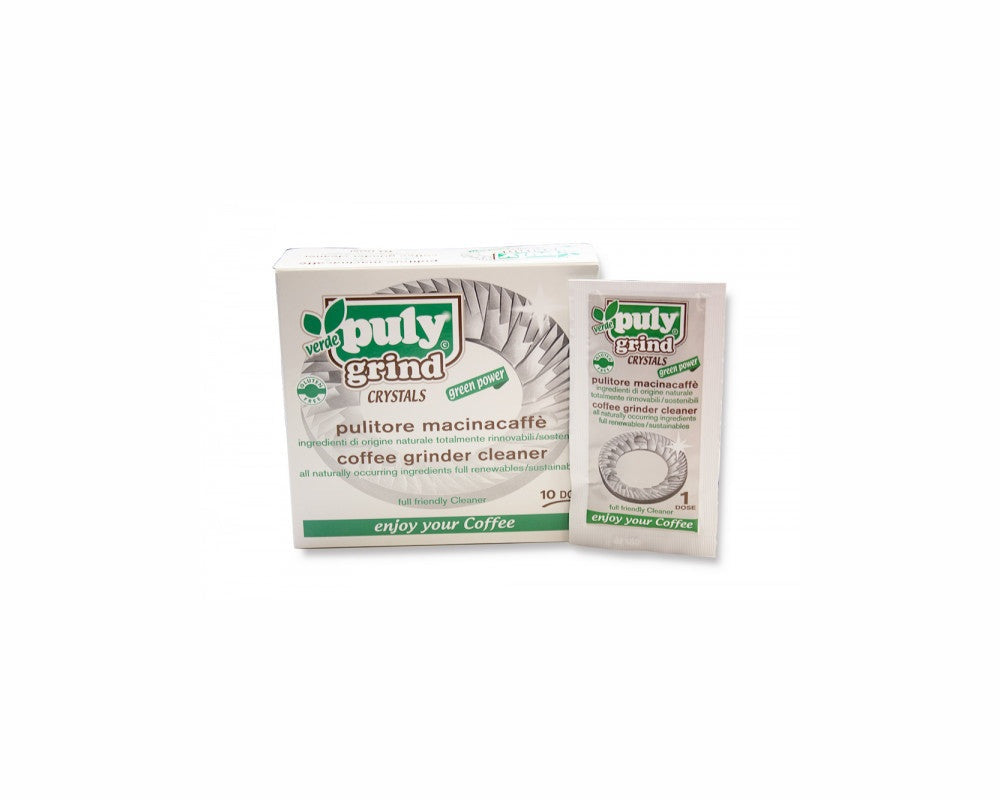
Puly Grind nettoyant pour moulin 10x15g
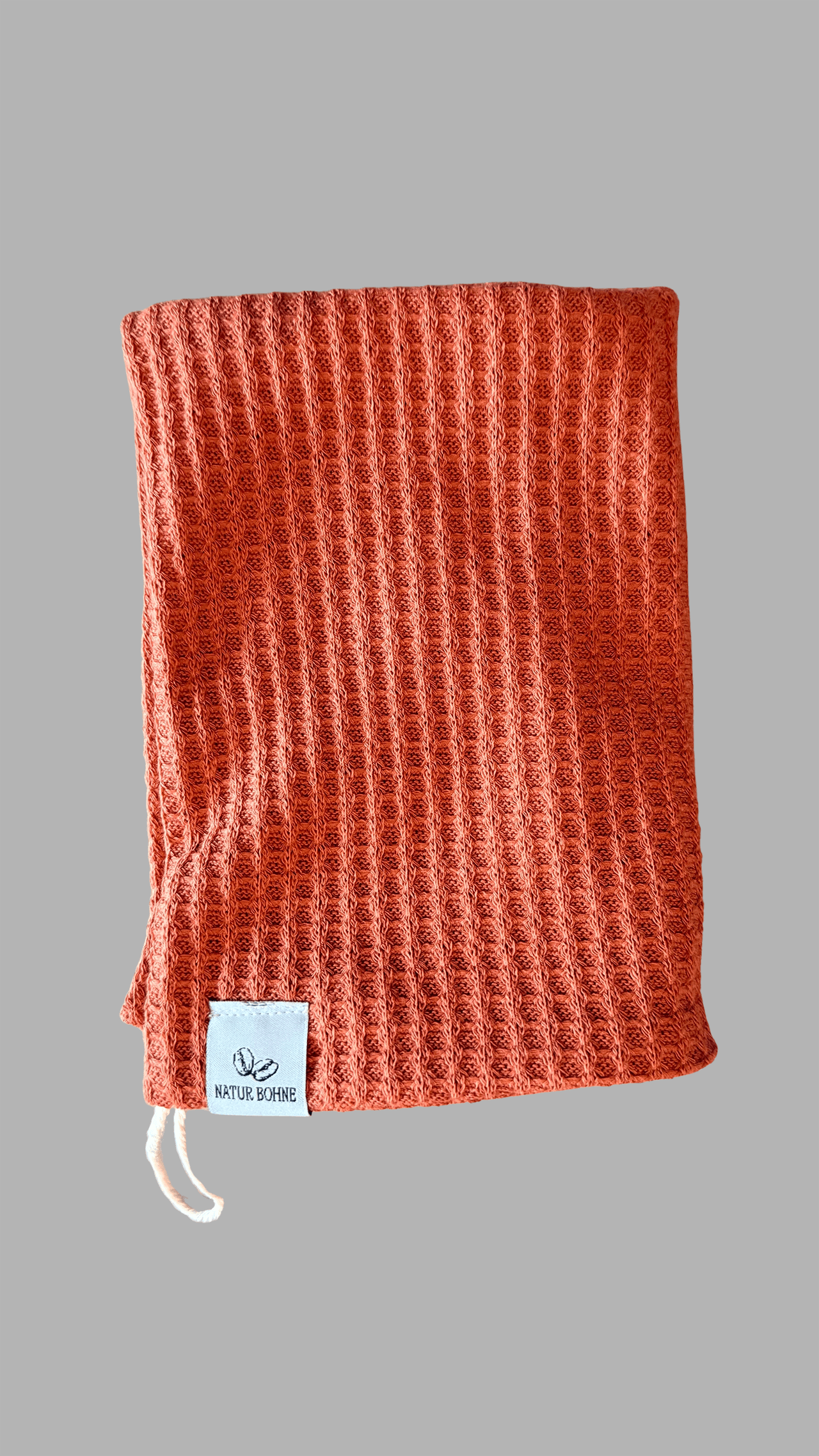
Chiffon de bar Natur Bohne 40x40
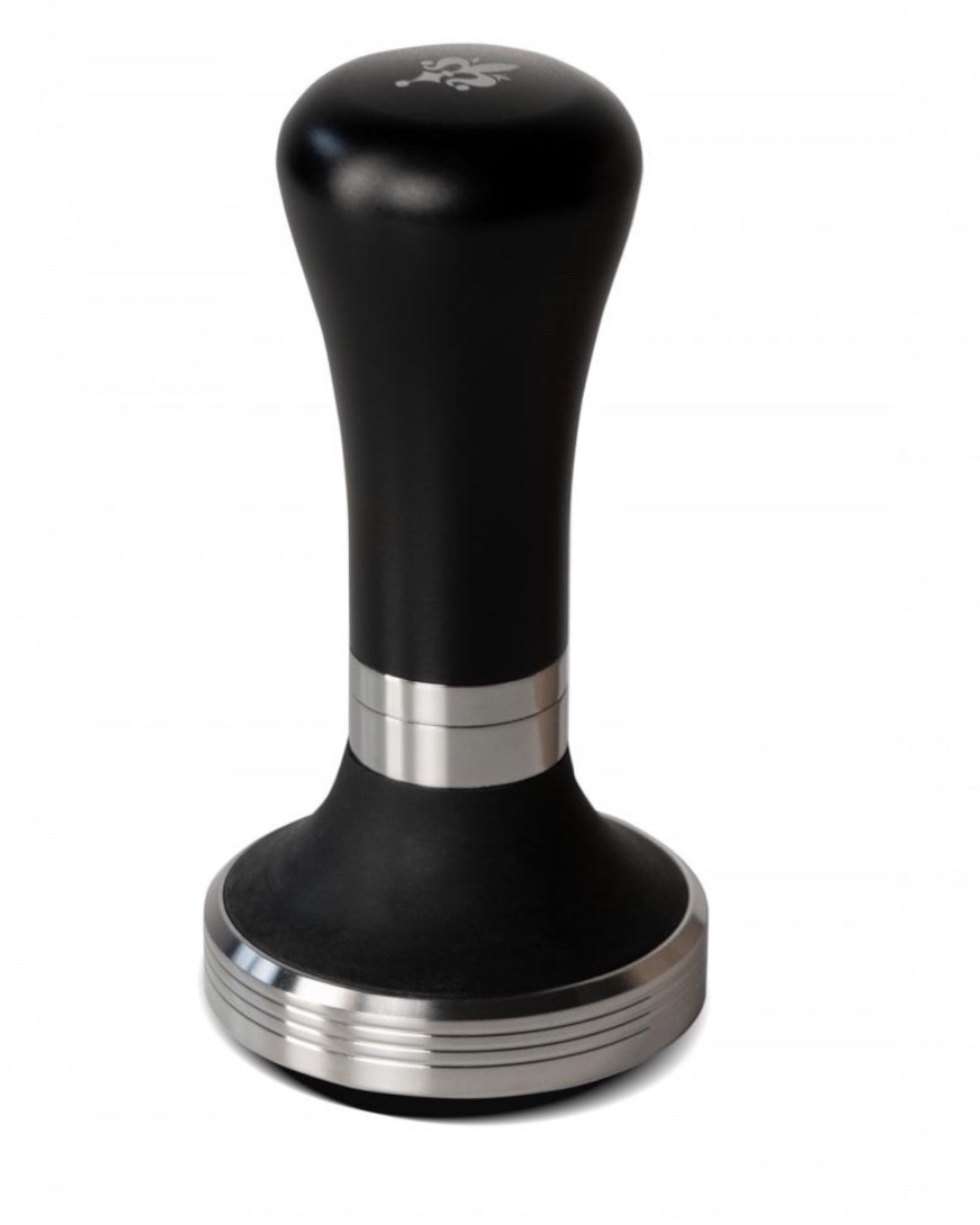
Tamper Eureka Extra Léger Noir 58mm
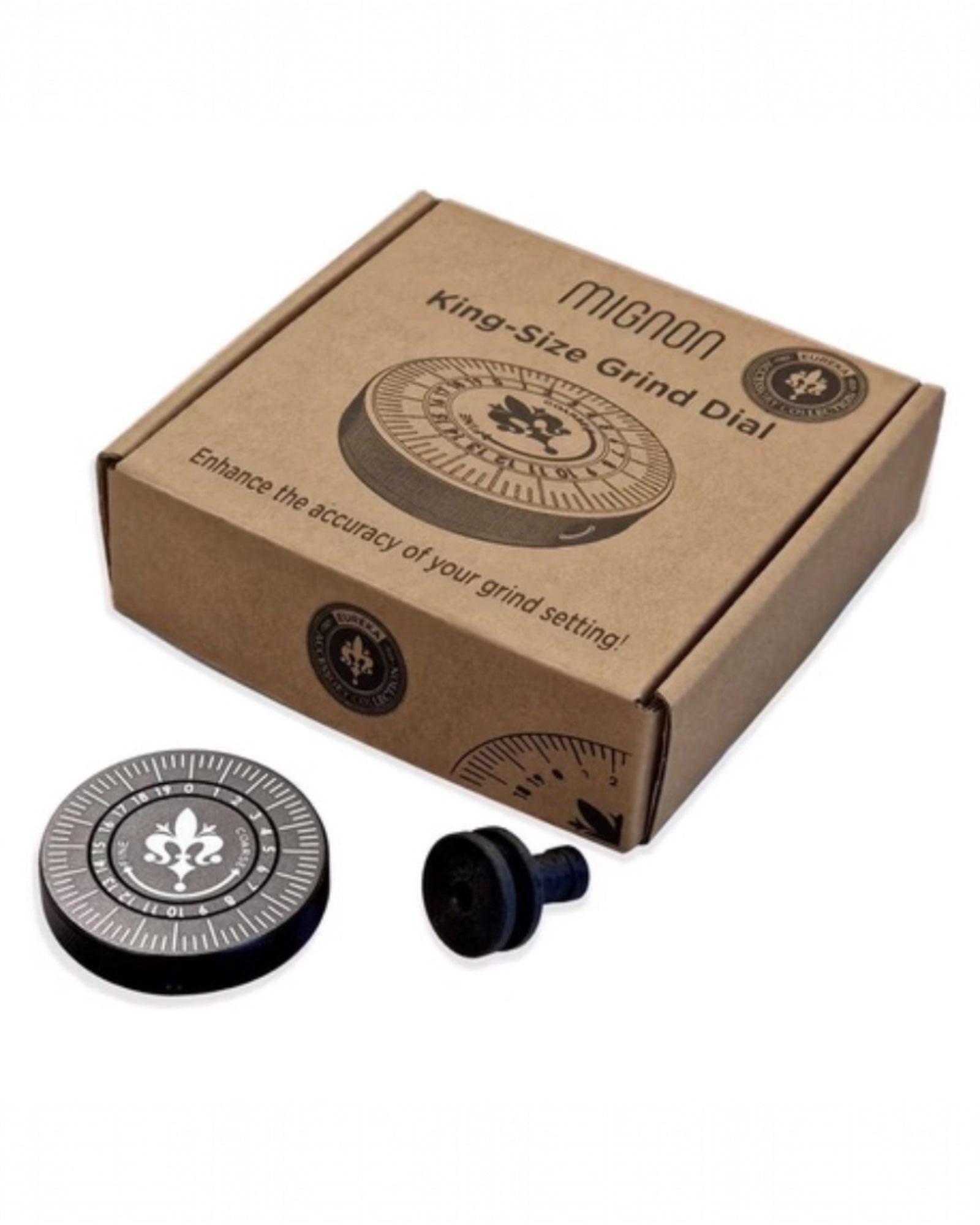
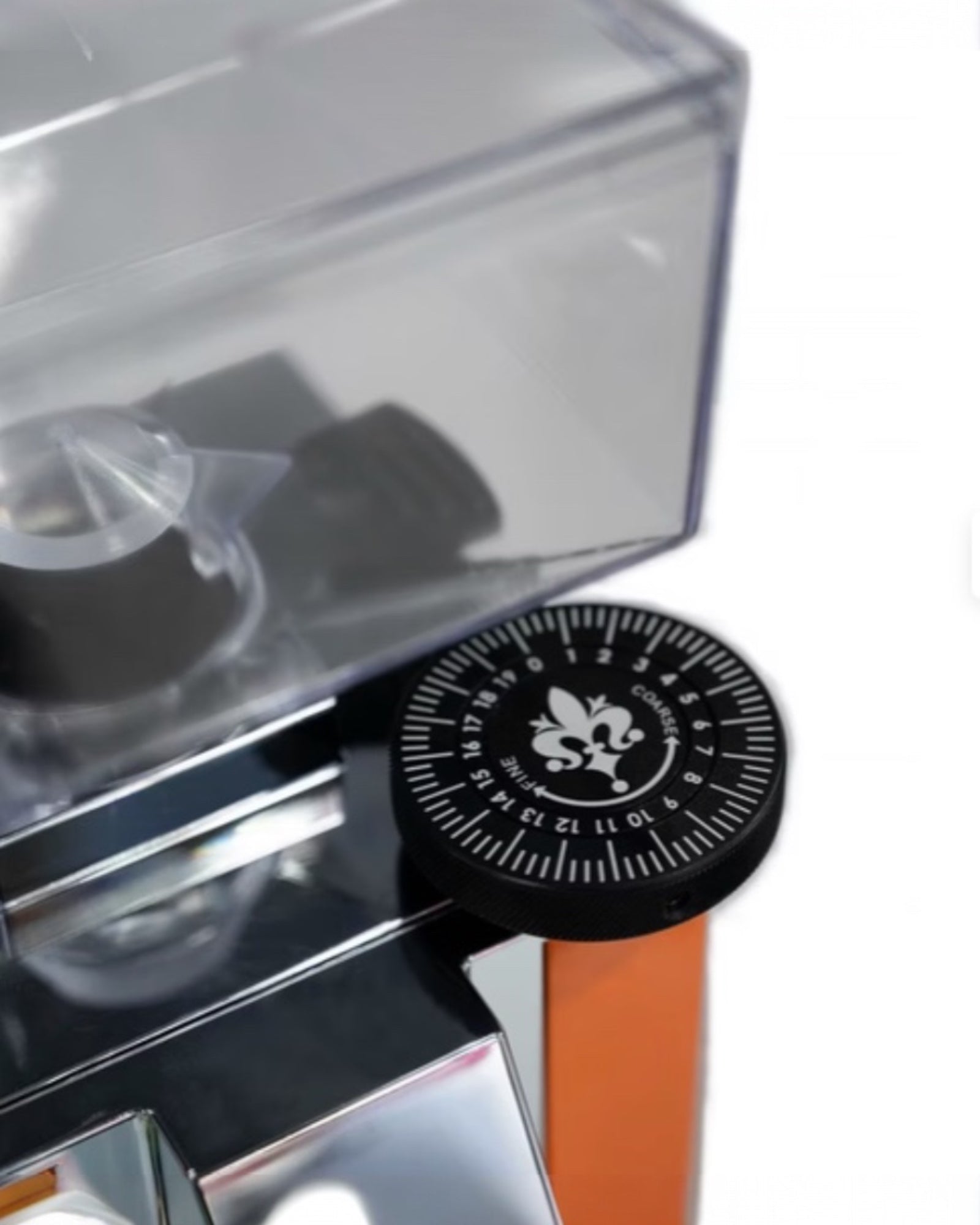
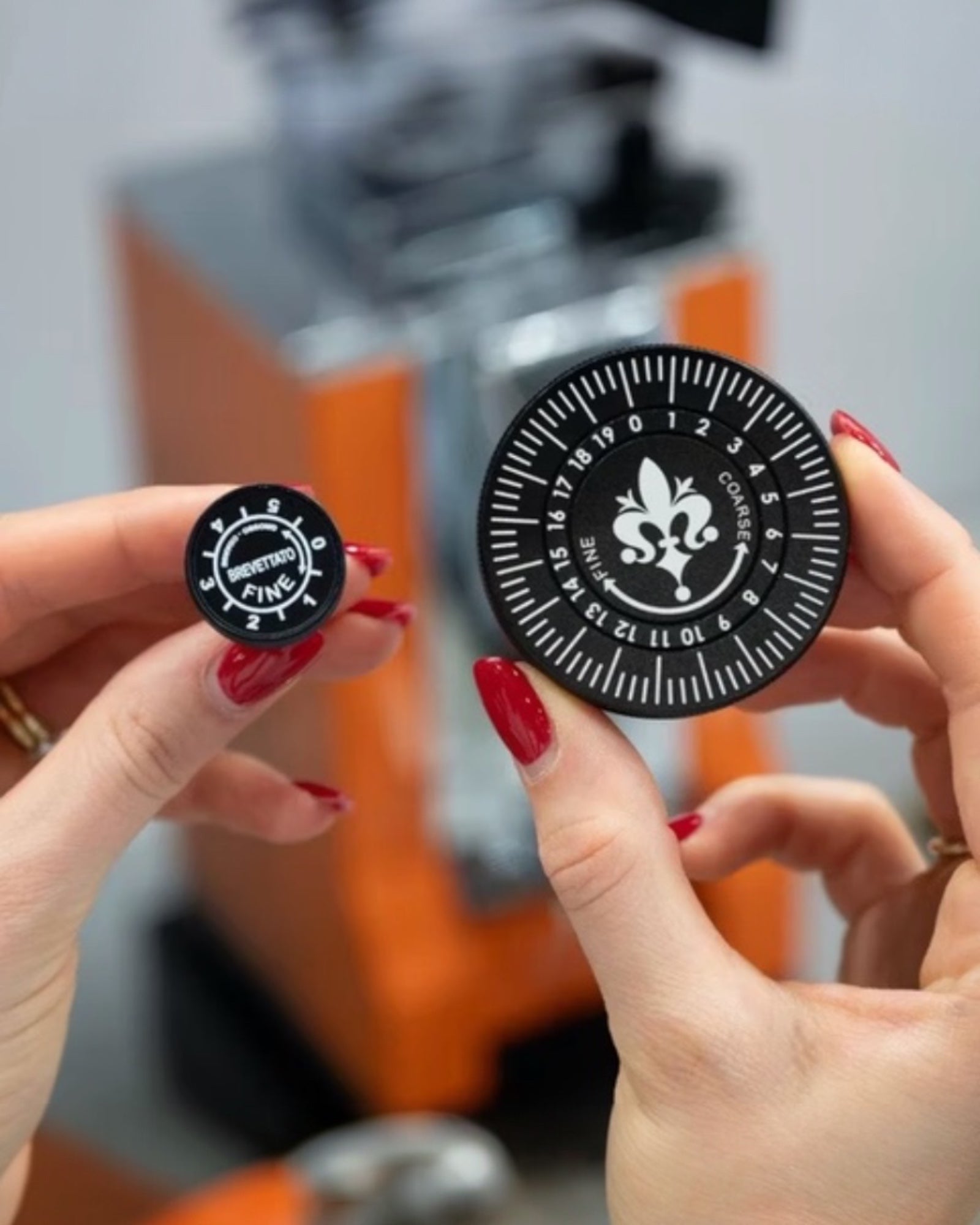
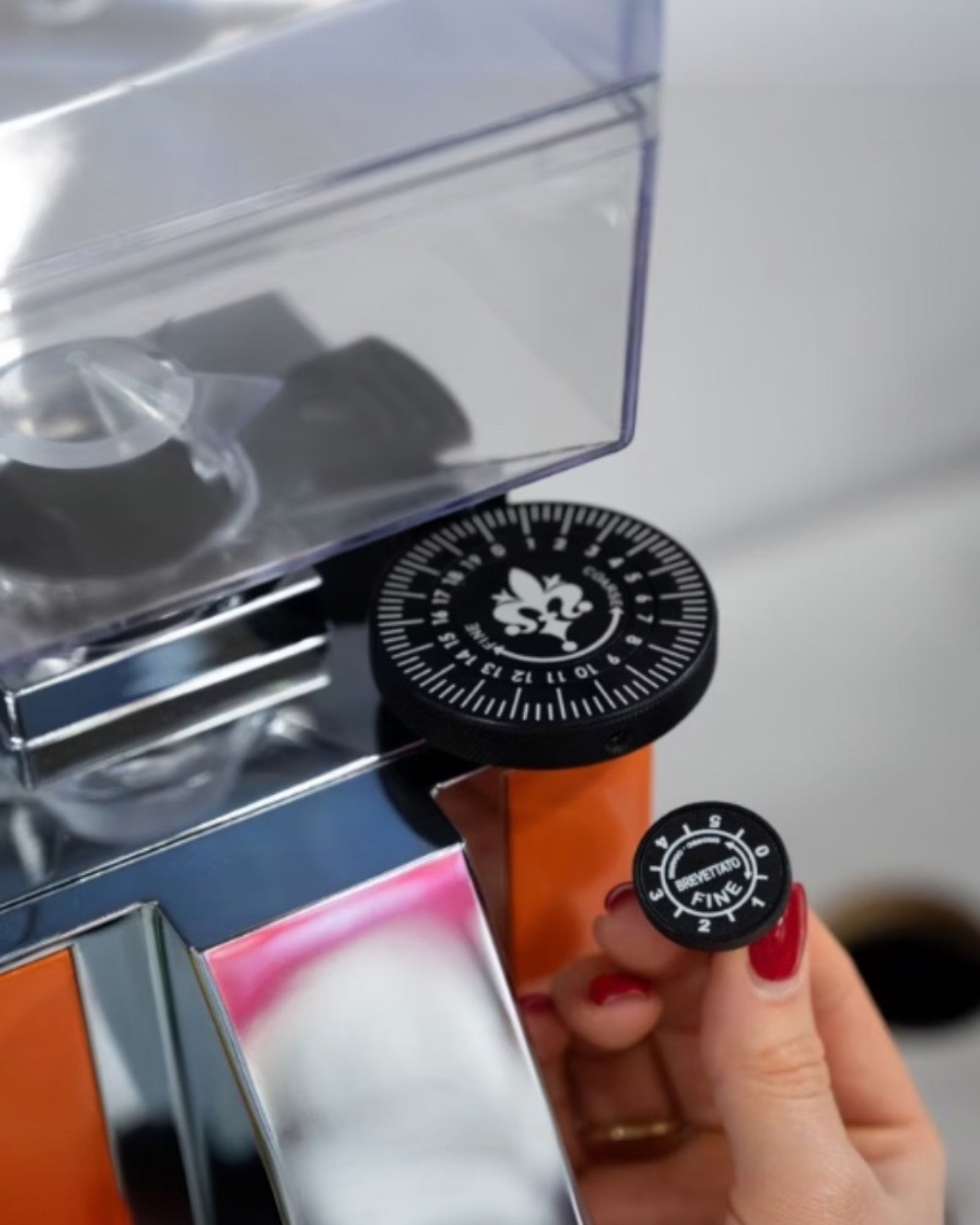
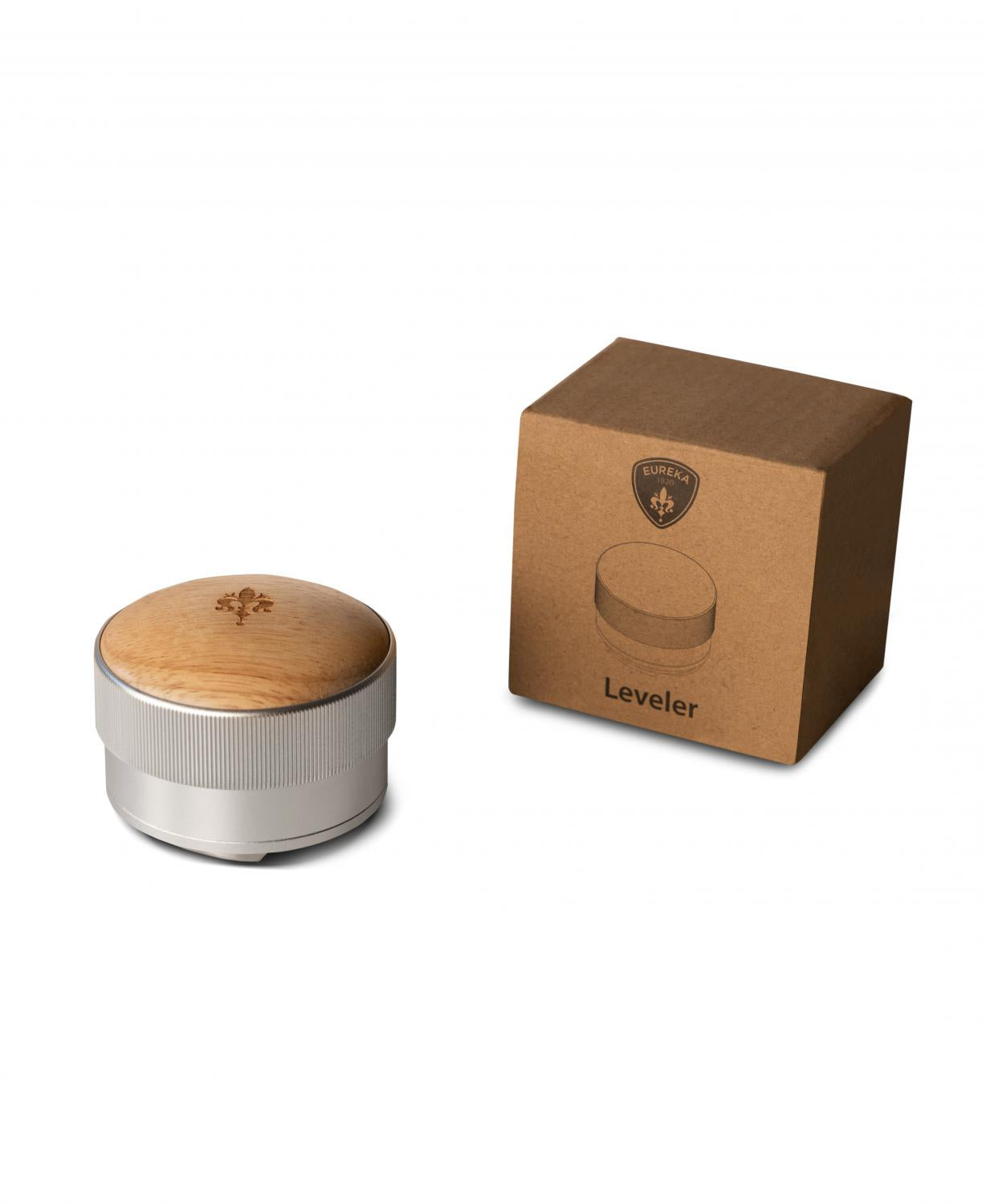
Accessoires adaptés pour votre Specialita
Mise à niveau Specialita
Questions fréquemment posées
J'ai acheté un nouveau moulin à café chez Naturbohne et il y a des résidus de café dedans.
Attention : certains fabricants testent leurs moulins à café avant expédition, ce qui peut parfois entraîner la présence de petits résidus de café ou de grains dans le moulin. Cette procédure est utilisée pour tester la fonctionnalité et est considérée comme une fonctionnalité de qualité. Bien entendu, nous vendons uniquement des produits neufs, sauf indication contraire expresse.
Charge statique – le marc de café jaillit sur le côté
Avec certains moulins à café, il peut arriver que le marc de café se charge statiquement et soit projeté sur le côté du porte-filtre. Par conséquent, tout le marc de café n’atteint pas le porte-filtre, ce qui peut entraîner une extraction inégale. Notre recommandation : utilisez un entonnoir doseur pour garantir que tout le marc de café soit introduit avec précision dans le porte-filtre – pour un plaisir optimal de l'espresso.
Qu'est-ce que l'espace mort dans les moulins à café ?
Les moulins à café conventionnels laissent souvent un espace mort dans lequel s'accumulent les résidus de café. Ces résidus peuvent non seulement affecter la fraîcheur, mais également provoquer un mélange de marc de café ancien et frais, ce qui affecte négativement le goût. En revanche, les broyeurs à dose unique présentent une conception sophistiquée qui élimine les espaces morts. Chaque portion est moulue individuellement et avec précision afin qu'aucun résidu ne reste - pour une expérience de café toujours pure et corsée.
Quel porte-filtre convient à ma machine à expresso ?
Lors du choix du porte-filtre adapté à votre machine à café, il est important de savoir que chaque fabricant développe son propre groupe de brassage – le plus connu est le Faema E61. Cependant, cela ne signifie pas que n’importe quel porte-filtre s’adaptera sans problème. Un porte-filtre incompatible peut fuir, ce qui aura un impact négatif direct sur la qualité de votre expresso. Nous vous recommandons donc d'utiliser soit le porte-filtre fourni à l'origine, soit un porte-filtre explicitement indiqué comme compatible avec votre machine. Cela garantit que la pression est générée de manière optimale et que l'espresso est parfaitement extrait.
Puis-je vous rendre visite ou récupérer les marchandises personnellement ?
Oui, bien sûr, vous êtes les bienvenus pour venir découvrir nos produits sur rendez-vous. Nous serions heureux de vous conseiller personnellement. La meilleure chose à faire est de nous envoyer un courriel avec quelques dates suggérées.
Nous sommes situés à 5 minutes de l'autoroute entre Stuttgart et le lac de Constance, en bordure de la Forêt-Noire.
Remarque importante, utilisez d'abord des moulins à café
Un autre petit conseil pour un démarrage parfait avec votre nouveau moulin :
Vous obtiendrez le meilleur résultat de mouture après avoir moulu environ 1 à 2 kg de grains. Il est préférable d'utiliser quelques haricots bon marché pour que le moulin puisse fonctionner de manière optimale. Et si vous vous demandez ce que vous pouvez faire avec la farine de haricots, c'est un engrais végétal parfait ! 🌿
Il contient de l'azote, du potassium, du soufre et du phosphore et constitue une véritable bombe nutritive pour vos plantes.
Pouvez-vous effectuer un calibrage offset sur ma machine à porte-filtre ?
Il existe plusieurs arguments contre un calibrage d’offset sur les machines à levier Lelit, en particulier pour des modèles comme la Lelit Bianca. Ceux-ci concernent surtout la complexité et les limites de l’offset comme solution unique aux problèmes de température :
- Fluctuations et instabilité de la température. L’offset prend en compte une différence constante entre la température de la chaudière et celle de l’extraction. En pratique, des variations de température peuvent survenir, par exemple après de longs temps d’arrêt ou lors d’extractions continues. Ainsi, la température réelle d’extraction n’est pas toujours précisément prévisible.
- Dépendance aux conditions ambiantes. Des facteurs comme la température de la pièce, l’humidité de l’air et l’état de la machine (par exemple, le temps de chauffe) influencent fortement la température d’extraction. Un offset fixe ne peut pas compenser dynamiquement ces variables, ce qui peut entraîner des résultats imprécis.
- Perte de chaleur lors des périodes d’inactivité. Après une longue pause, le groupe d’extraction refroidit et la machine a besoin de temps pour revenir à la température souhaitée. Un offset correctement réglé ne peut pas compenser cela, d’où la nécessité de mesures supplémentaires comme un « cooling flush ».
- Calibrages incorrects en usine. Sur certains modèles Lelit, il a été constaté que l’offset est souvent mal réglé en usine (par exemple, 4 à 8 degrés trop bas sur la Lelit Bianca). Cela nécessite un recalibrage manuel par un professionnel, ce qui peut être compliqué pour les utilisateurs finaux.
- Malentendus dans l’utilisation. De nombreux utilisateurs sont déconcertés par des informations contradictoires sur le réglage de l’offset, ce qui peut entraîner de mauvais réglages. Par exemple, on s’attend souvent à ce que l’offset résolve à lui seul tous les problèmes de température, alors qu’il ne constitue qu’une partie d’un système plus complexe.
Conclusion
Le calibrage de l’offset est un outil utile, mais il ne doit pas être considéré isolément. Une combinaison d’un contrôle PID précis, d’un entretien régulier et de techniques adaptées (par exemple, des « spülshots ») est nécessaire pour obtenir des résultats d’extraction optimaux.
Avez-vous d’autres questions ?
Contact
Si vous avez des questions sur nos produits, écrivez-nous ici ou utilisez la fonction chat.