

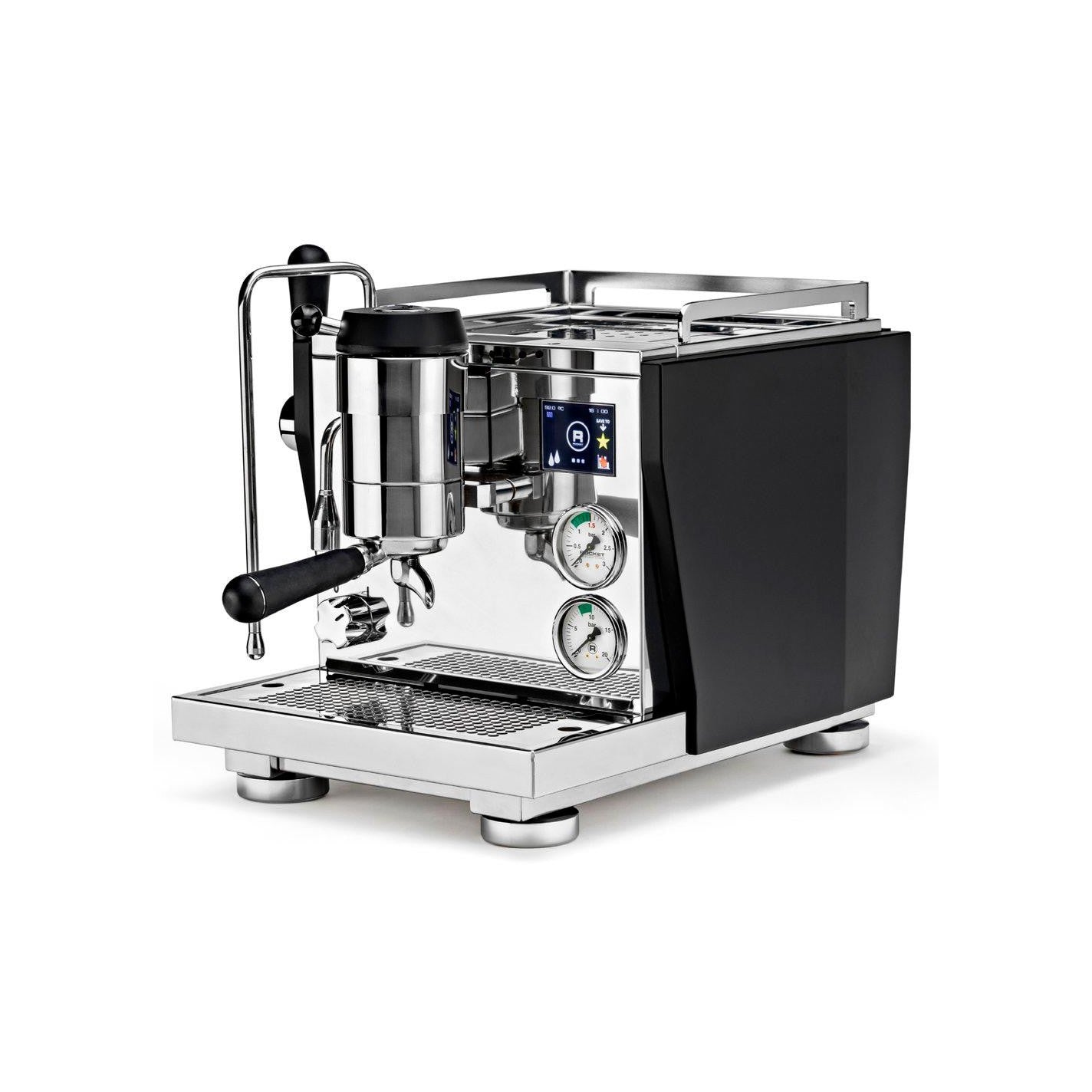
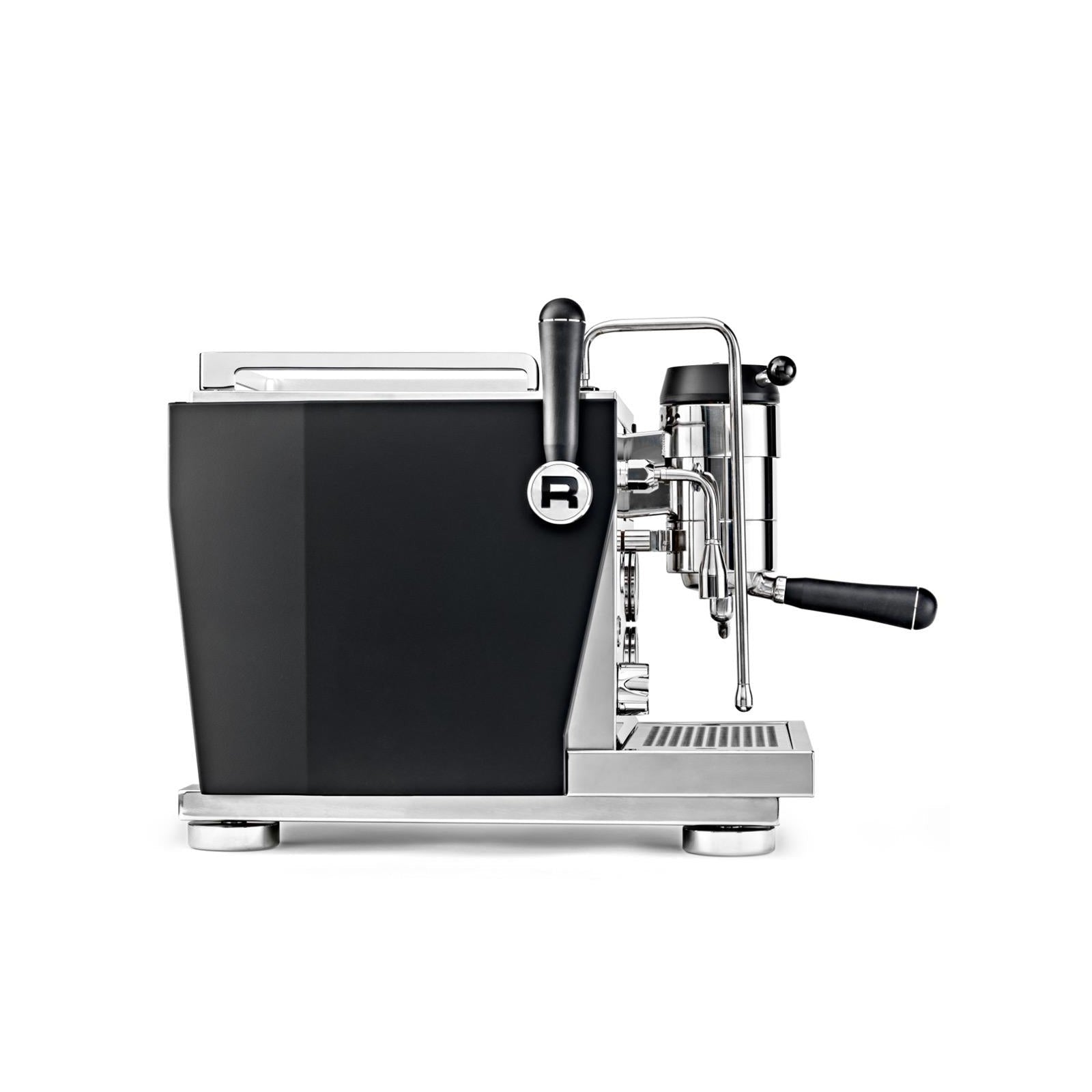
Rocket Espresso Rocket R Nine One +++Ausstellungsstück+++
incl. VAT, excluding shipping costs
Finanzieren ab 212,66 € / Monat* mit
🚚 Shipping within EU: 99 €
EU shipping costs, see shipping policy.
🚙 📱 Please provide your phone number for delivery coordination.
🚚 Shipping within EU: 99 €
EU shipping costs, see shipping policy.
🚙 📱 Please provide your phone number for delivery coordination.
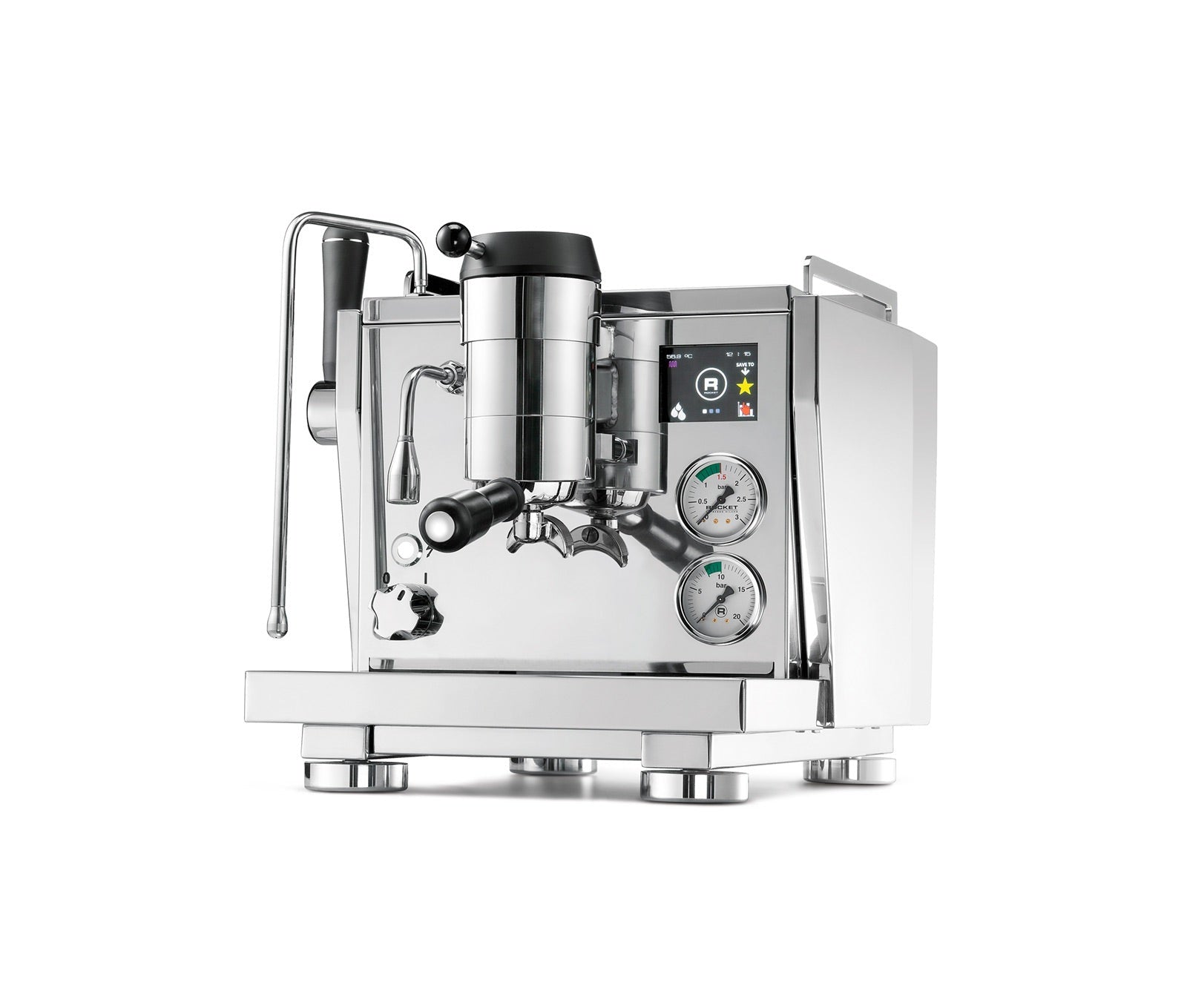
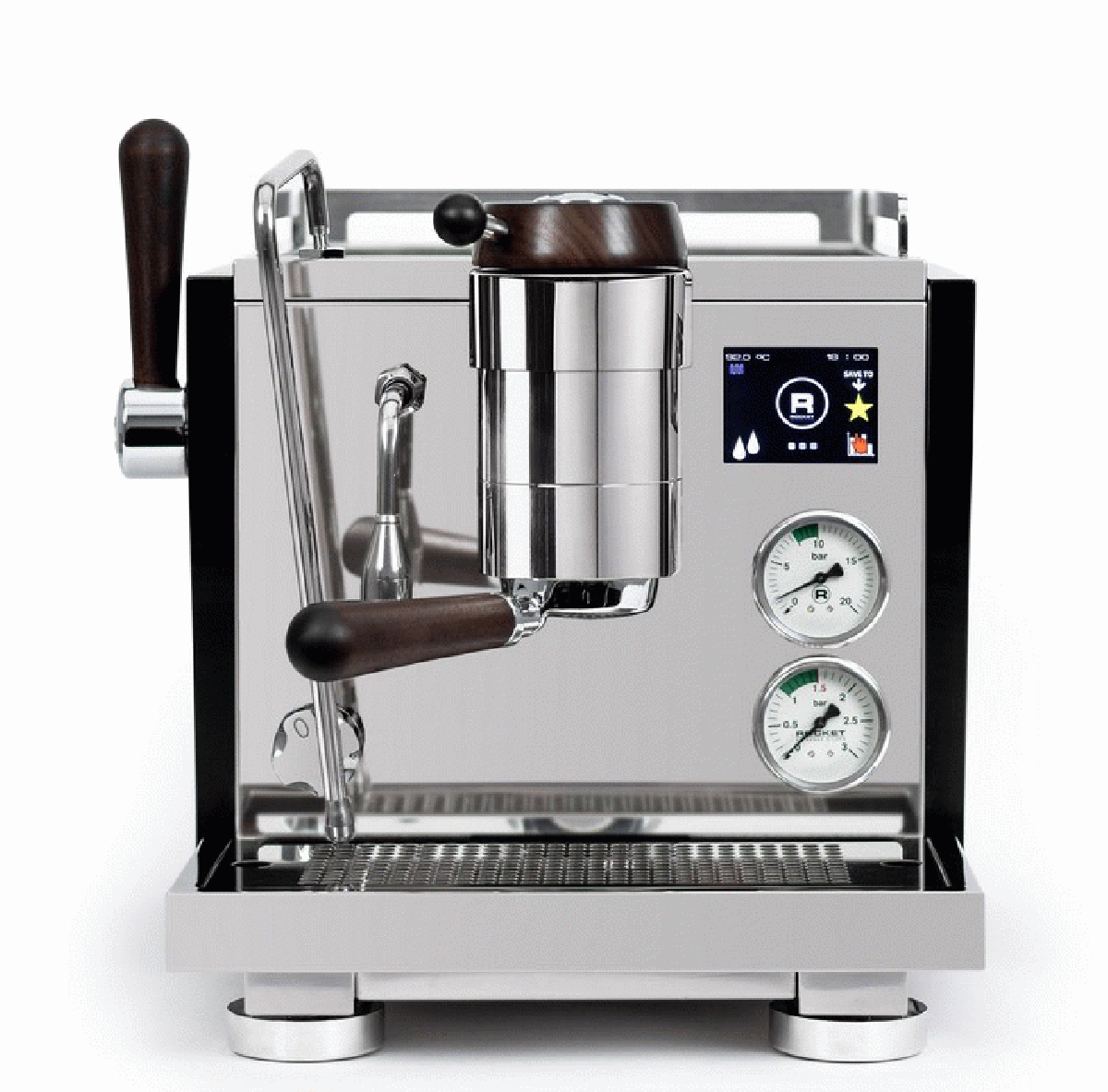
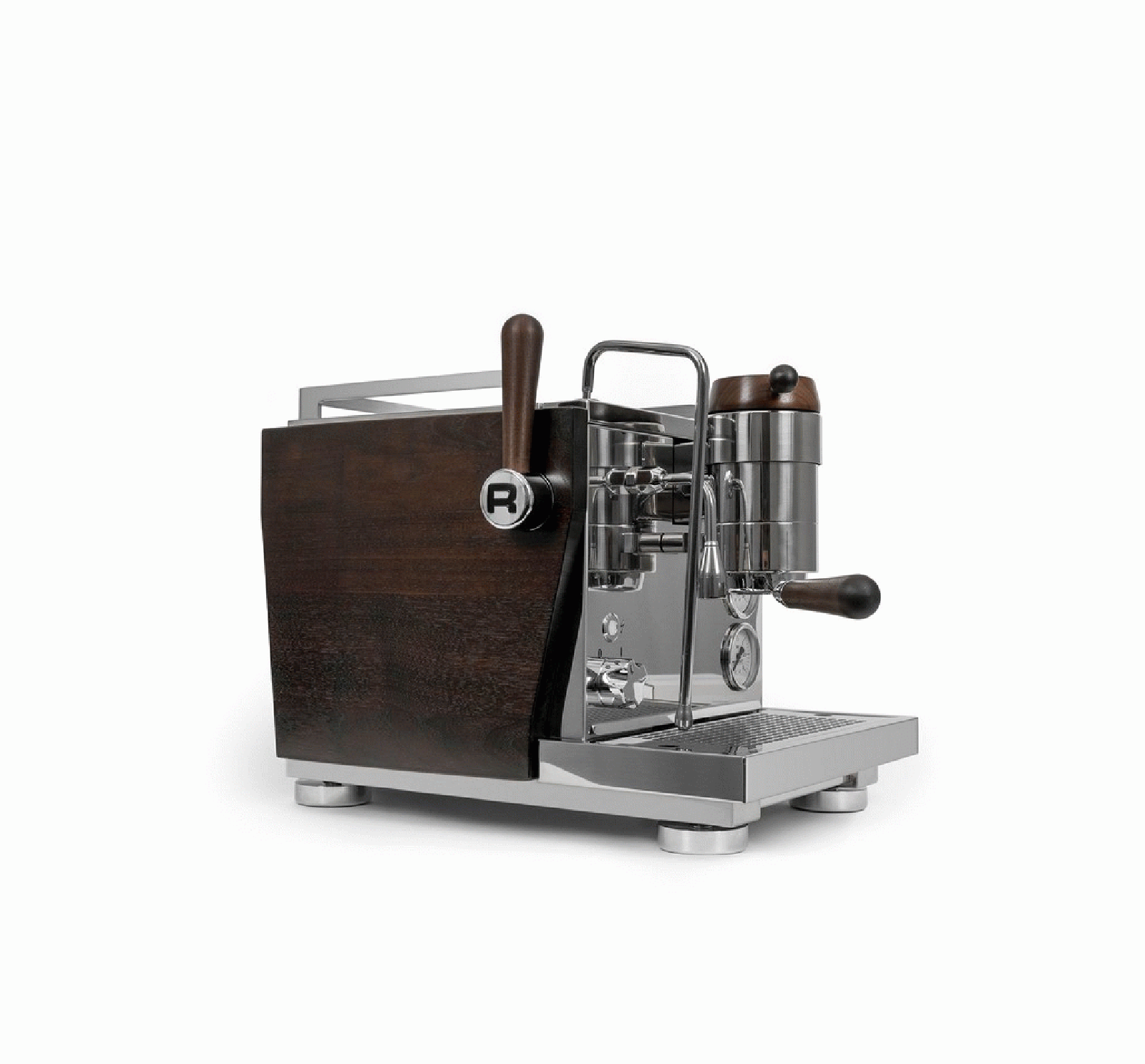
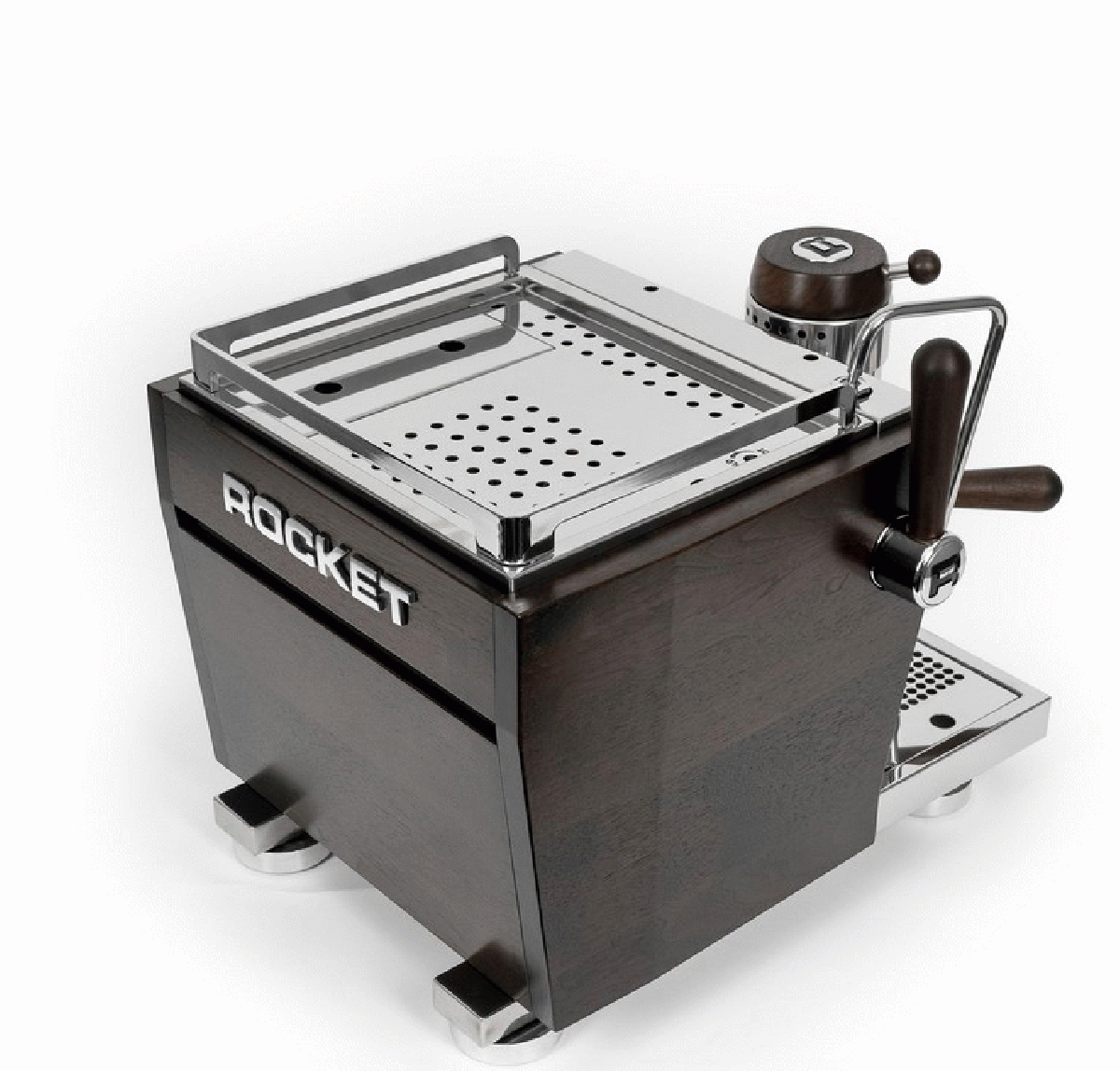
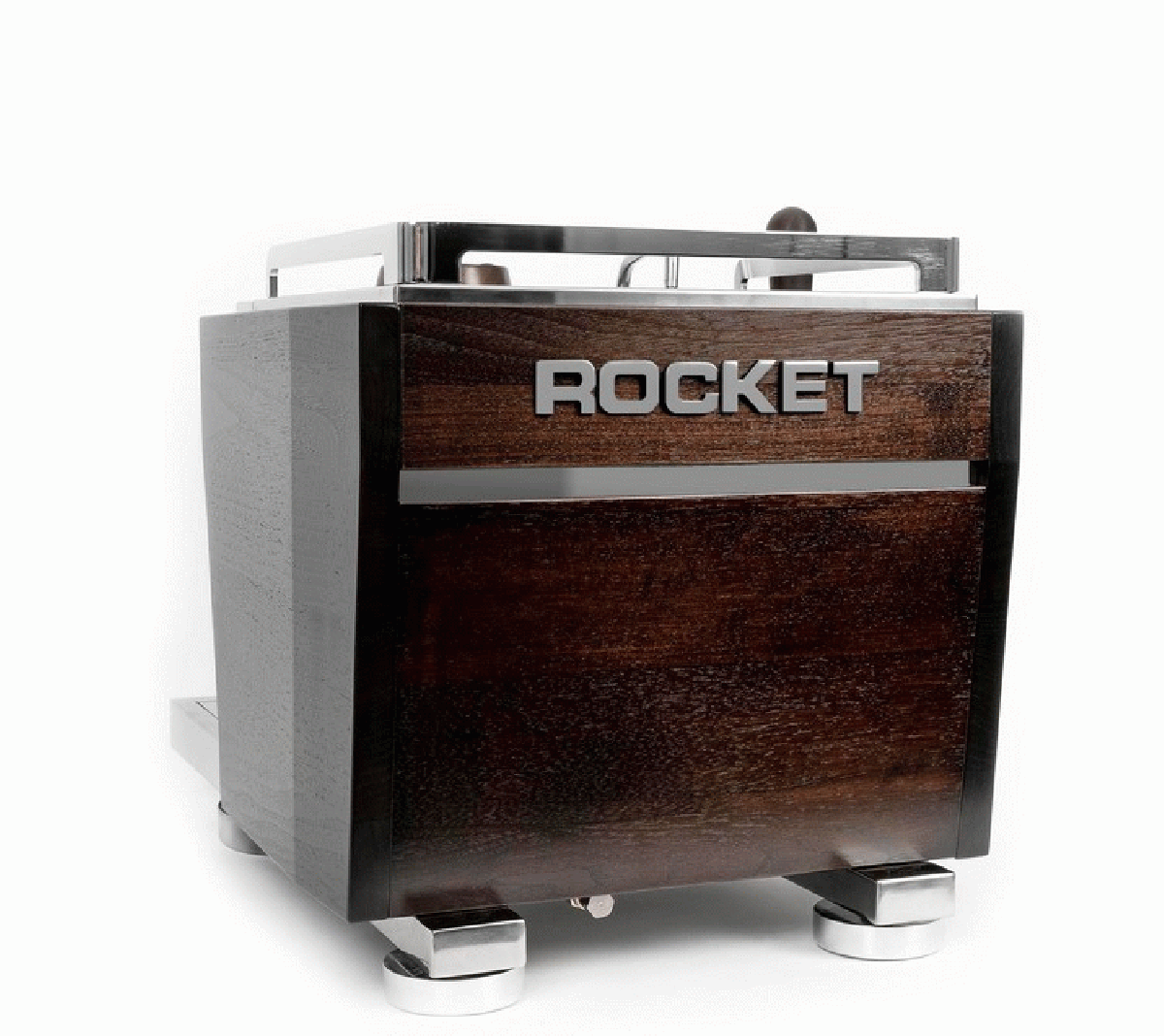
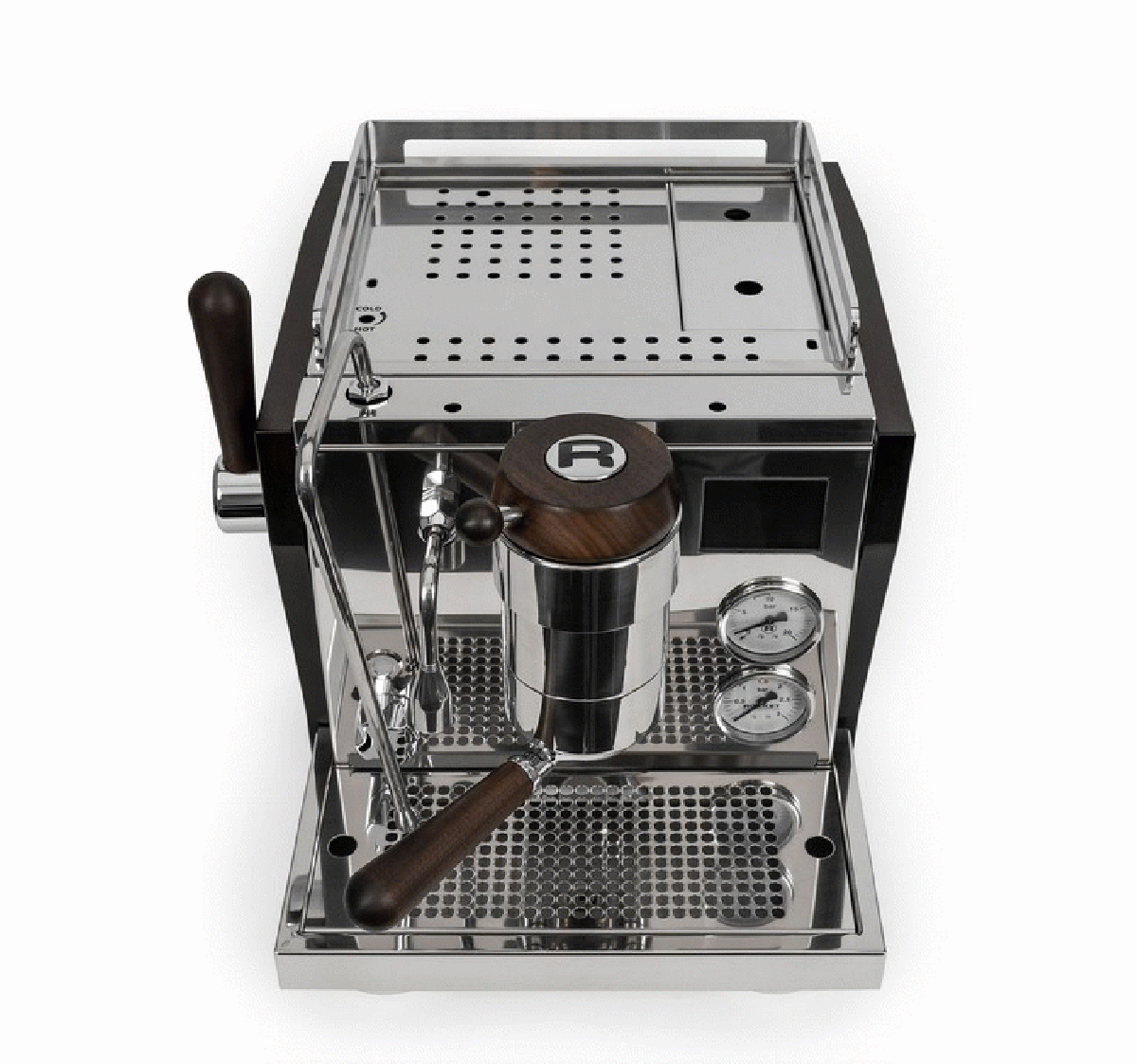
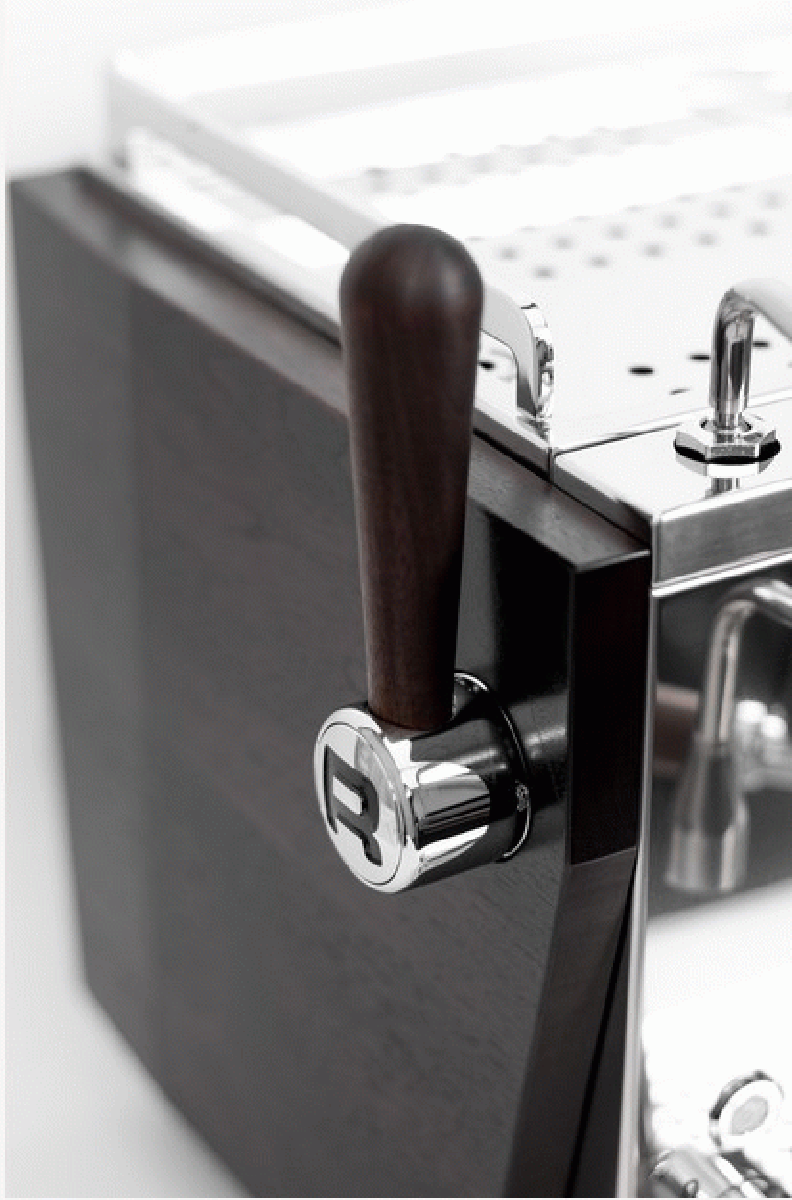
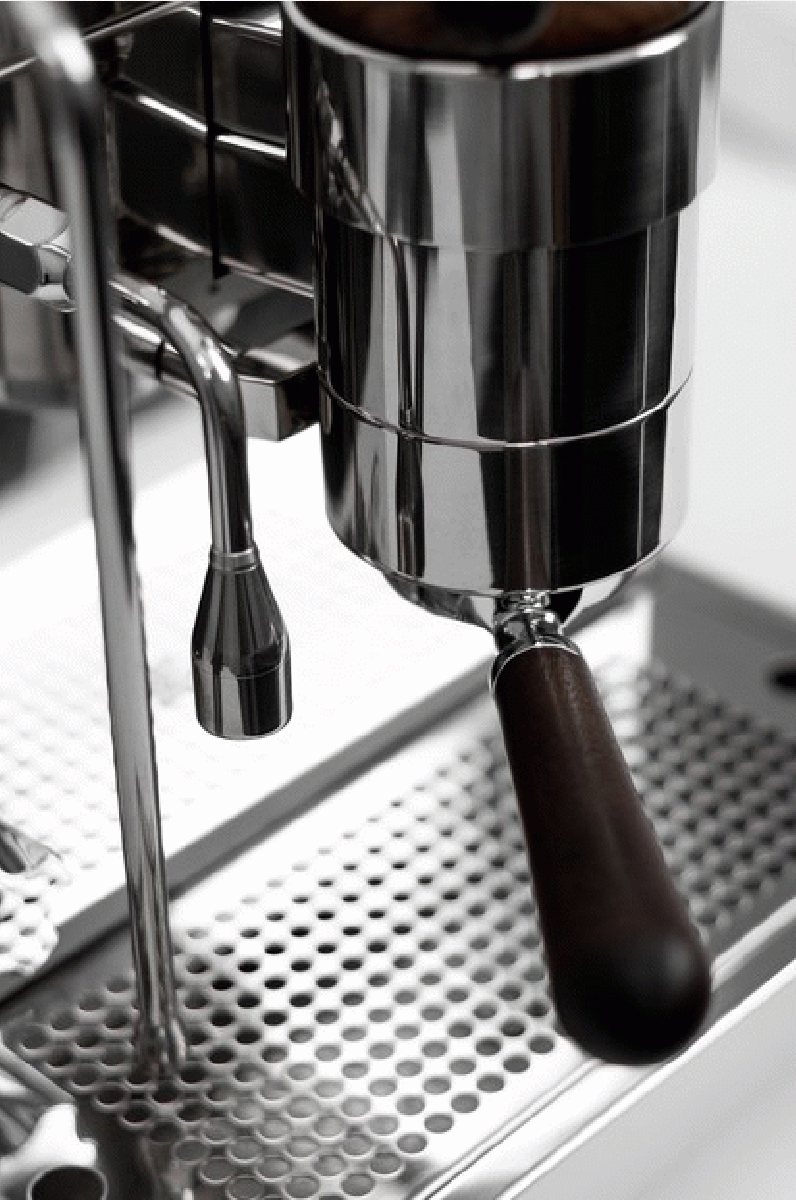
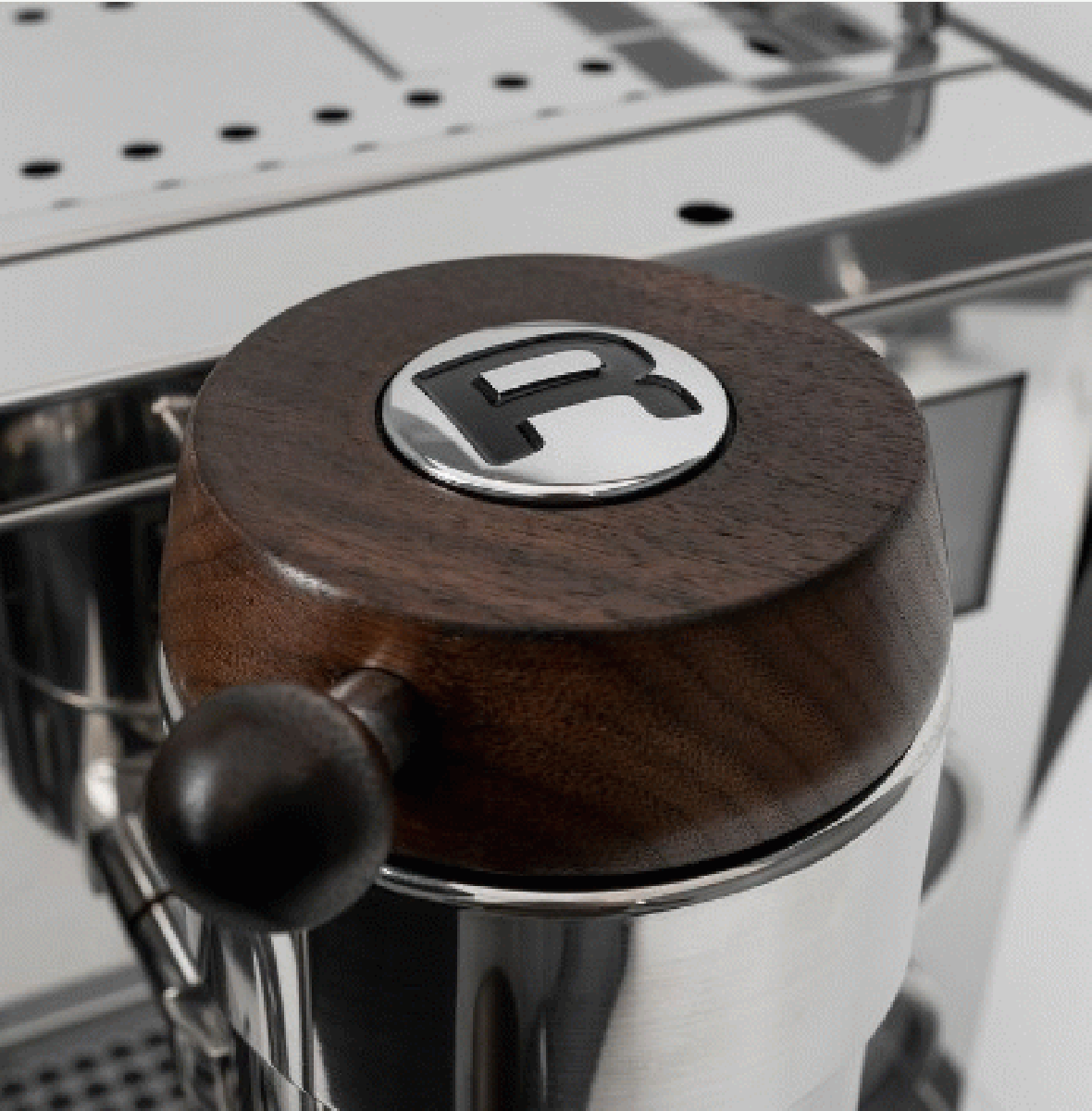
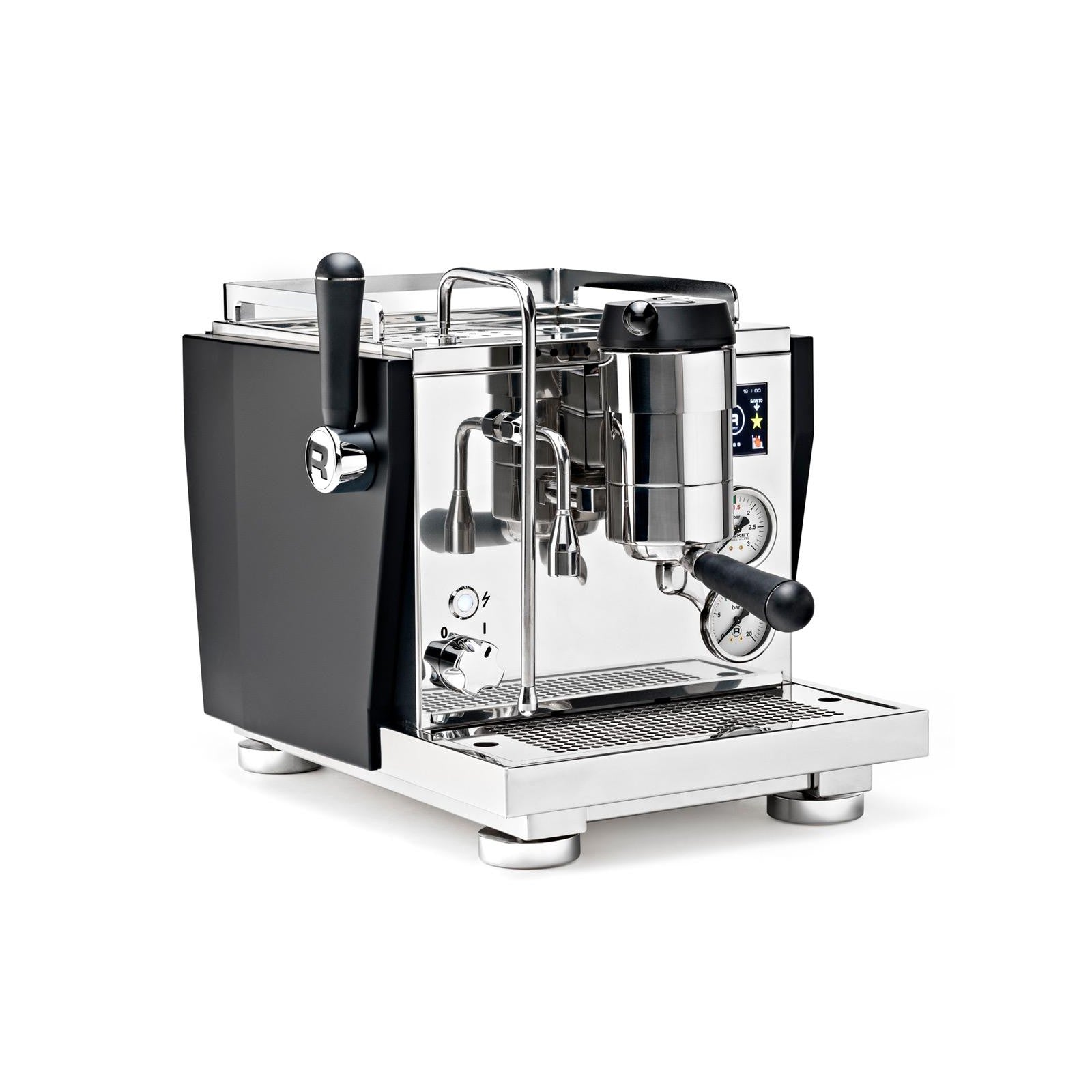
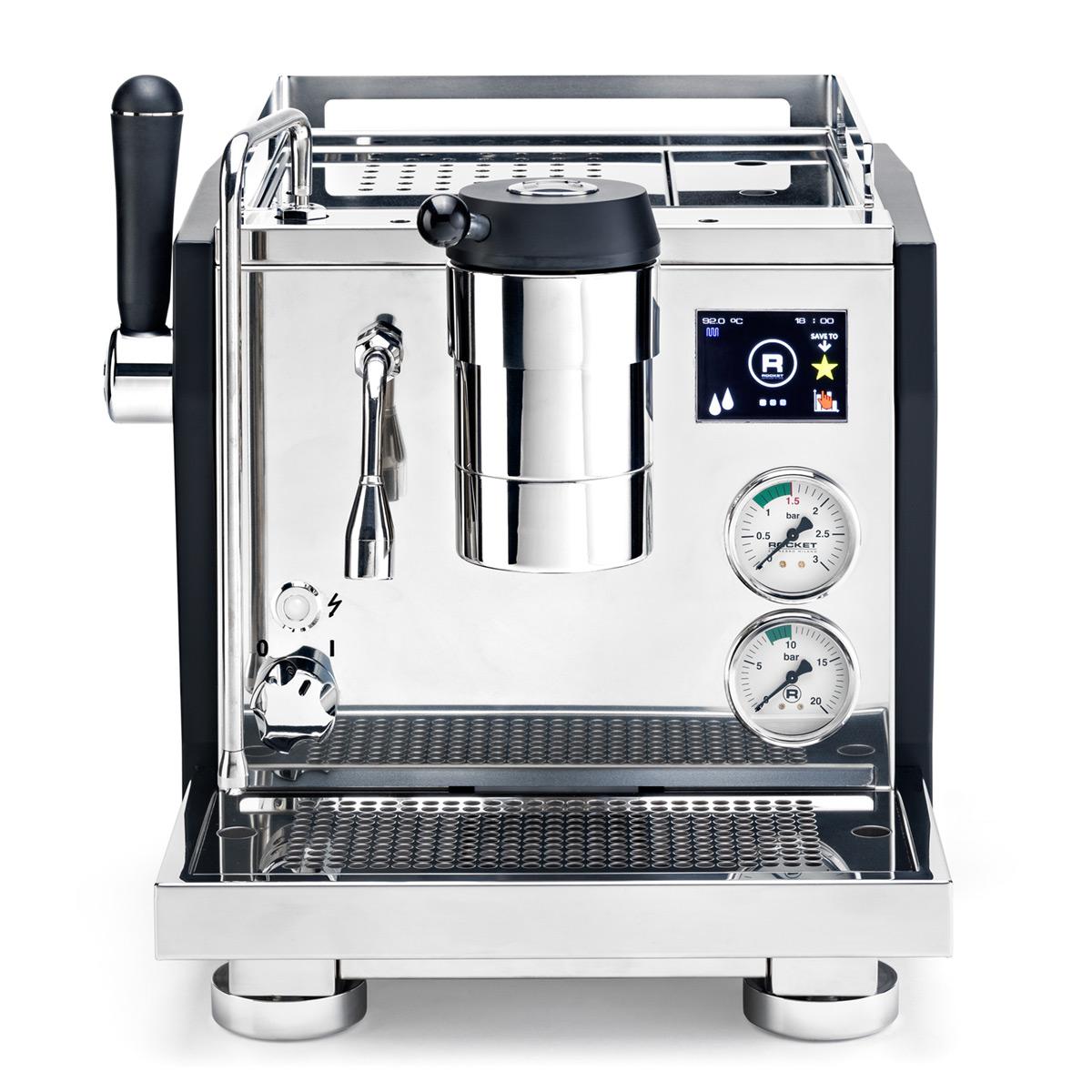
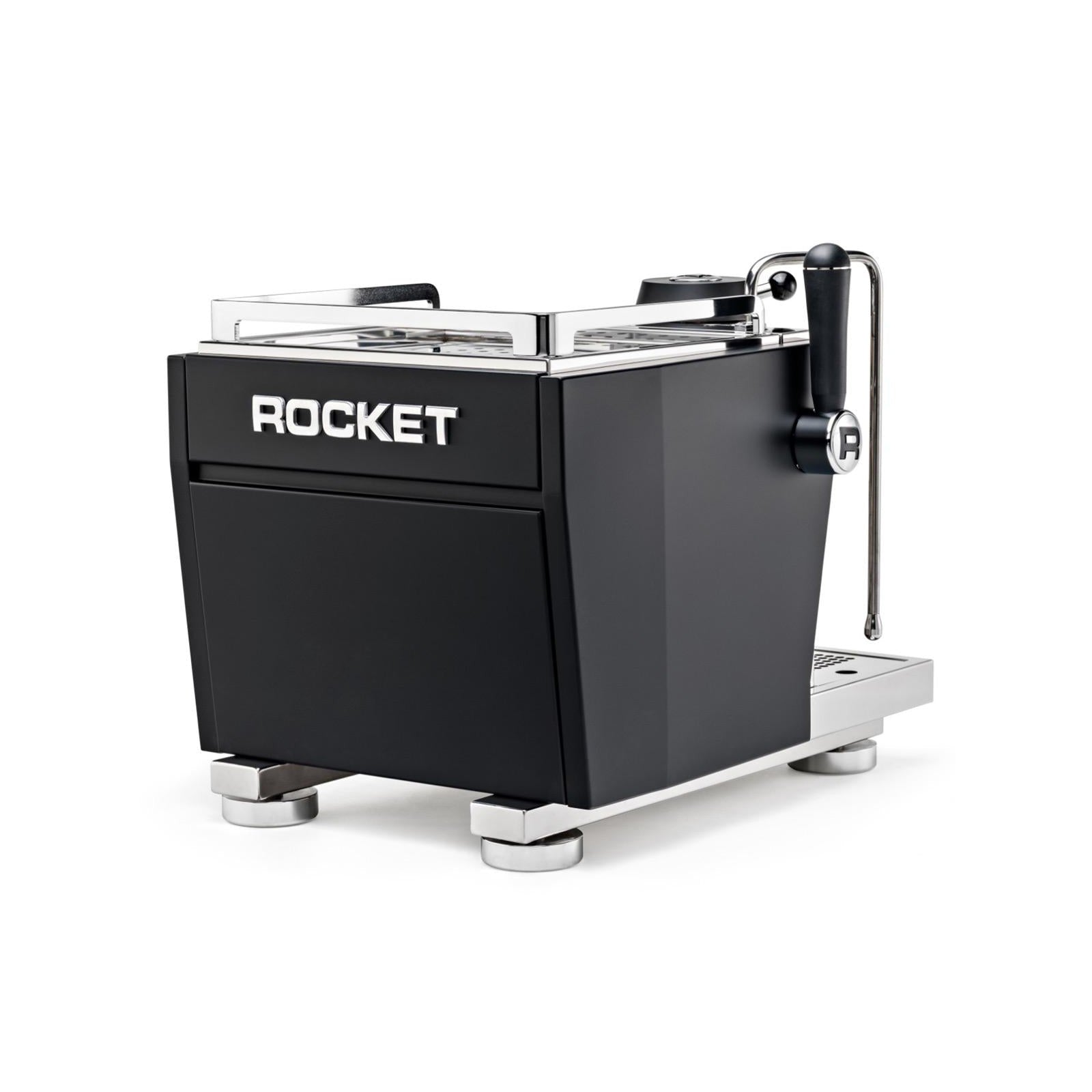
The Rocket R Nine One was originally developed for commercial use and is now also available for discerning home baristas. It combines the advantages of a dual boiler system with the innovative power of electronic pressure profiling and intuitive operation via a color touch display. With a permanently installed pressure profile or manual control via a paddle, even complex brewing profiles can be easily implemented. Whether in an upscale home, office, or small café – the R Nine One takes full control, reliable temperature stability, and the iconic Rocket design to a new level. Anyone who wants to get more out of every bean can't go past this machine. Conclusion: The Rocket R Nine One combines the technology of commercial machines with the design and flexibility of home use. Ideal for perfectionists and professionals who want to get the most out of every bean.Rocket R Nine One – Precision and performance at a professional level
Dieses Produkt ist ein Ausstellungsstück. Die Verpackung wurde bereits geöffnet, das Gerät ist jedoch technisch einwandfrei und originalverpackt. Es kann leichte Gebrauchsspuren aufweisen.
Sie erhalten die volle Herstellergarantie von 2 Jahren.
Bitte beachten Sie: Der Umtausch ist ausgeschlossen. Selbstverständlich gilt Ihr gesetzliches Gewährleistungsrecht im Falle eines Defekts bei Erhalt.
Bei Fragen zum Zustand dieses Einzelstücks schreiben Sie uns gerne eine E-Mail – wir helfen Ihnen transparent weiter.Special features
Technical data
Machine type
Dual boiler with PID & pressure profiling
Brewing group
Saturated brewing group, stainless steel
coffee kettle
1.9 l stainless steel, 1200 W
steam boiler
3.6 l stainless steel, 1400 W
pump
Rotary pump, variably adjustable
Water connection
Water tank (2.6 l) or mains water
Operation
Touch display + manual paddle
Dimensions (WxDxH)
41 x 50.5 x 43 cm
Weight
47 kg
Performance
max. 1600 W
Heating time
Espresso: approx. 10 minutes, total: approx. 20 minutes
Brewing pressure profiling
Manual or automatic, 5 profiles can be saved
Scope of delivery
Detalhes do fabricante
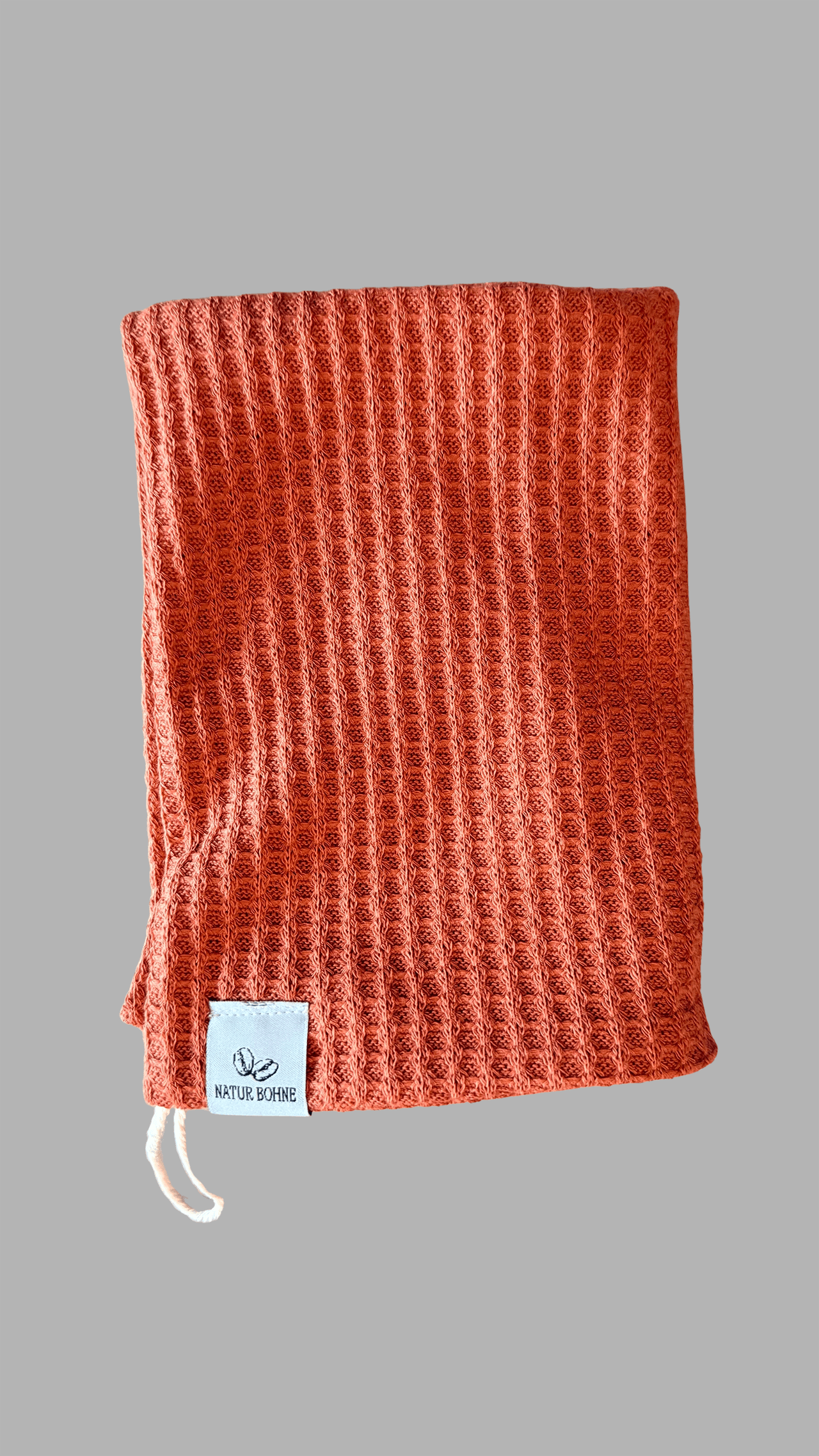
Natural Bean Barista Cloth 40x40
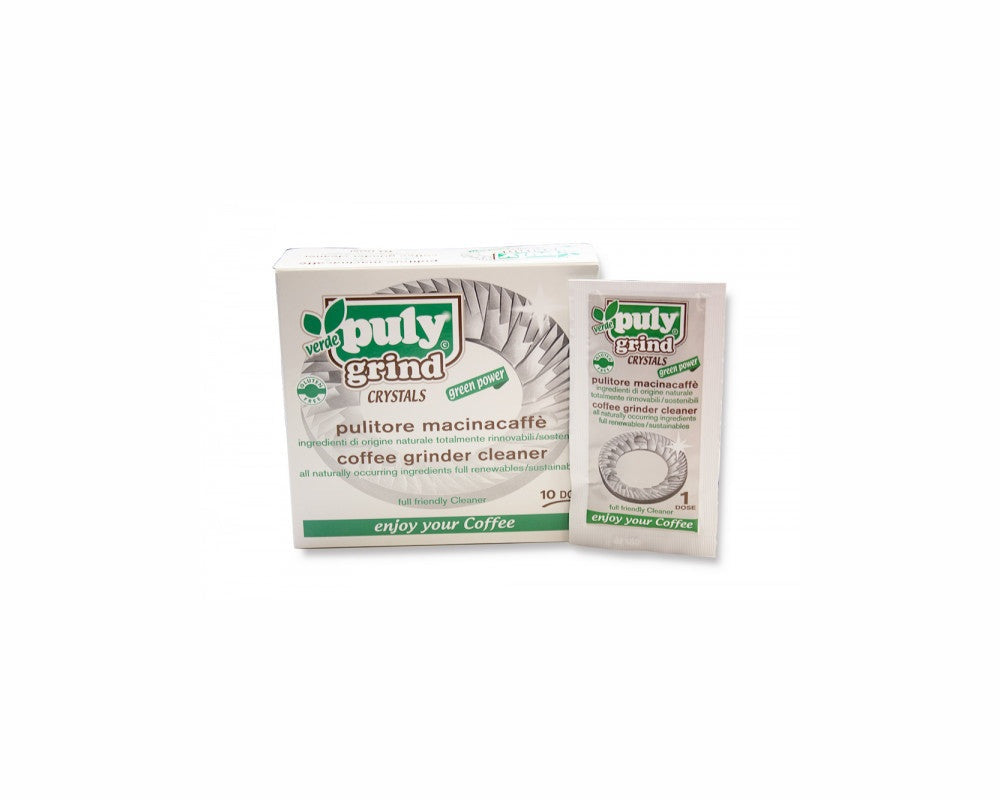
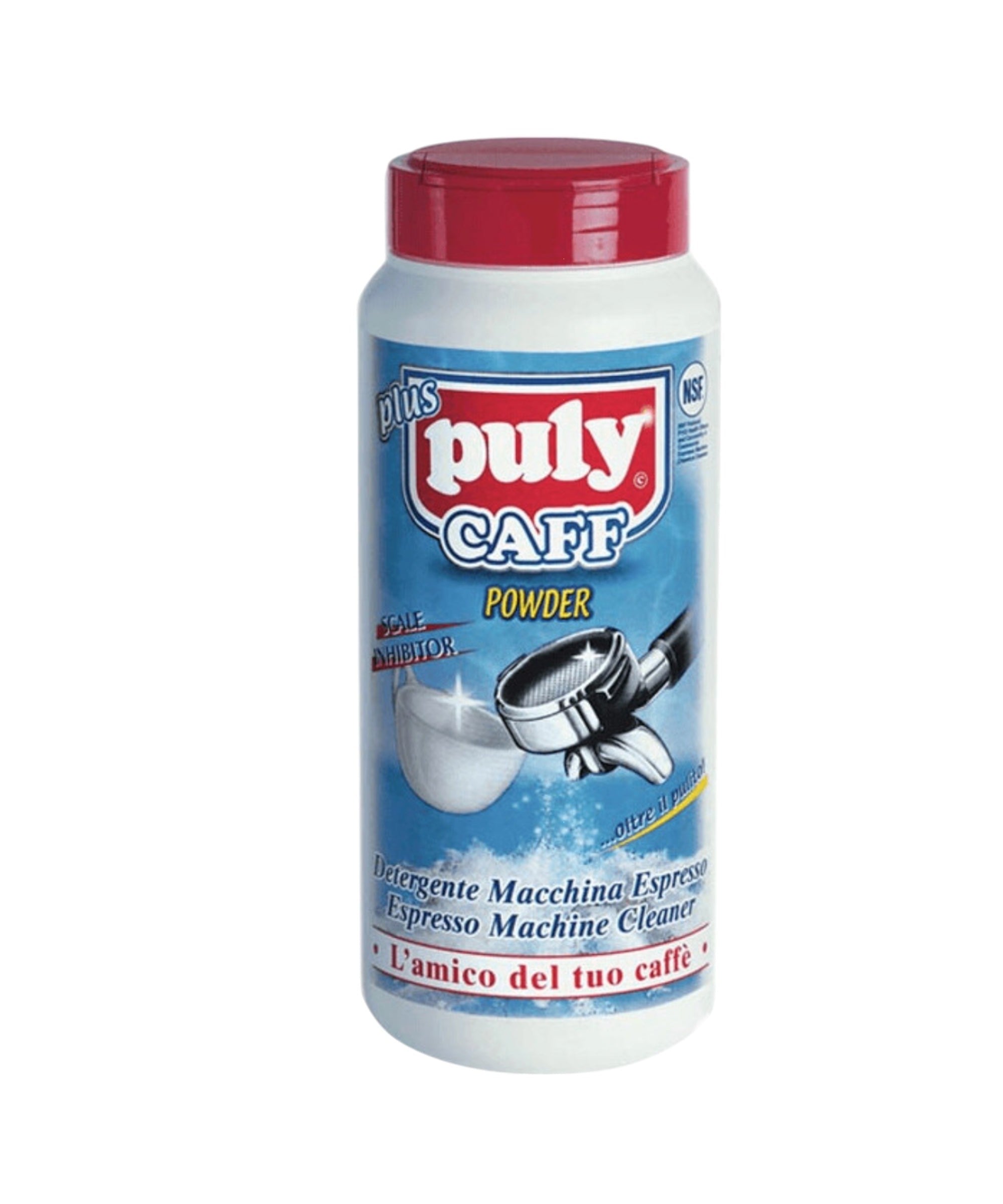
Puly Grind mill cleaner 10x15g
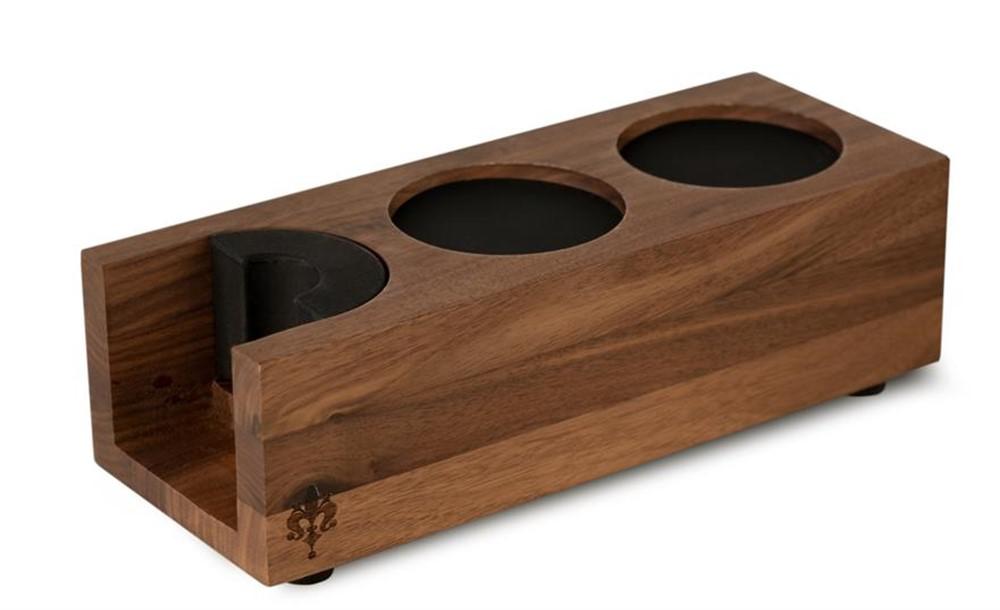
Eureka Tamper Station (double)
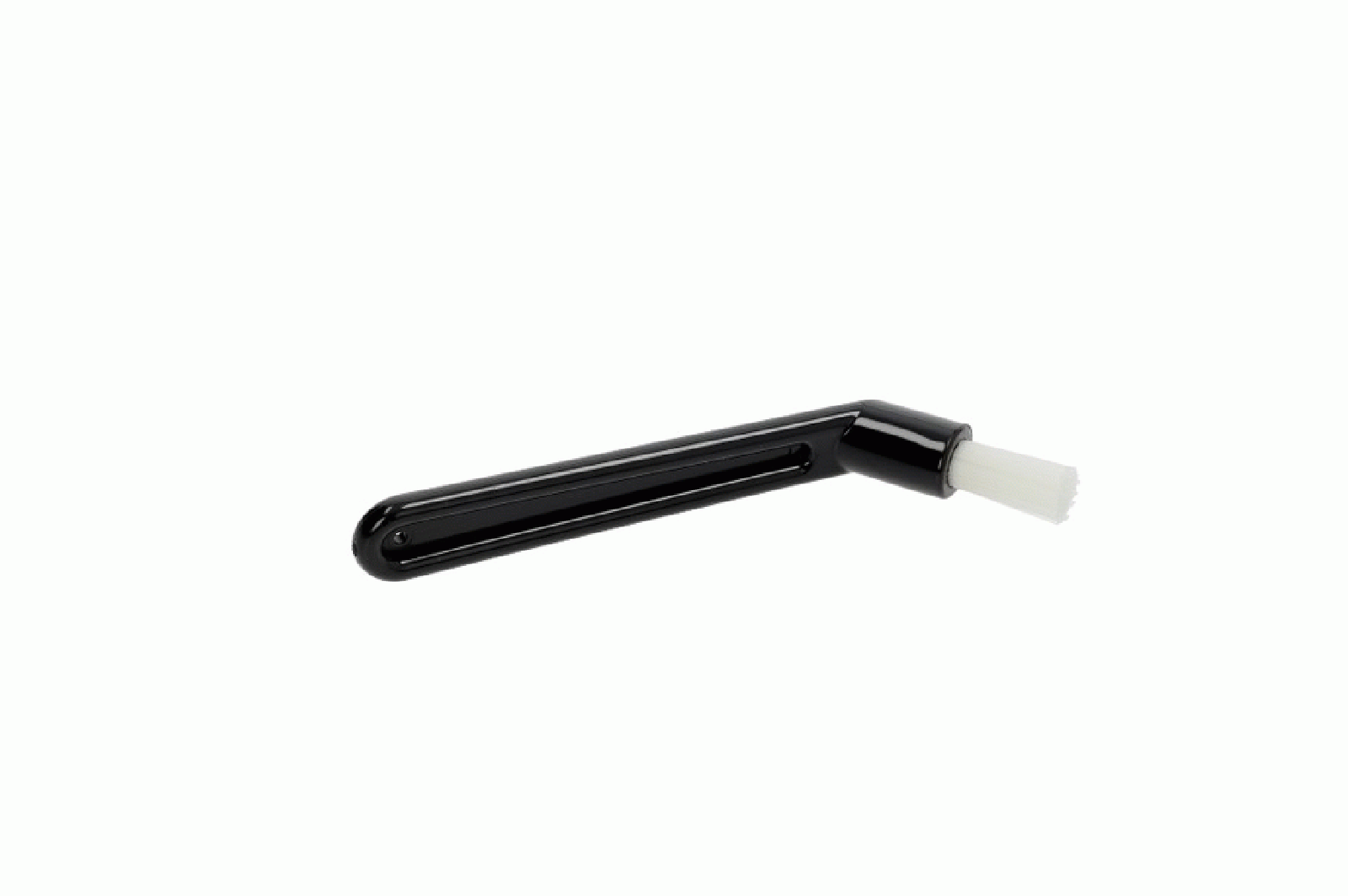
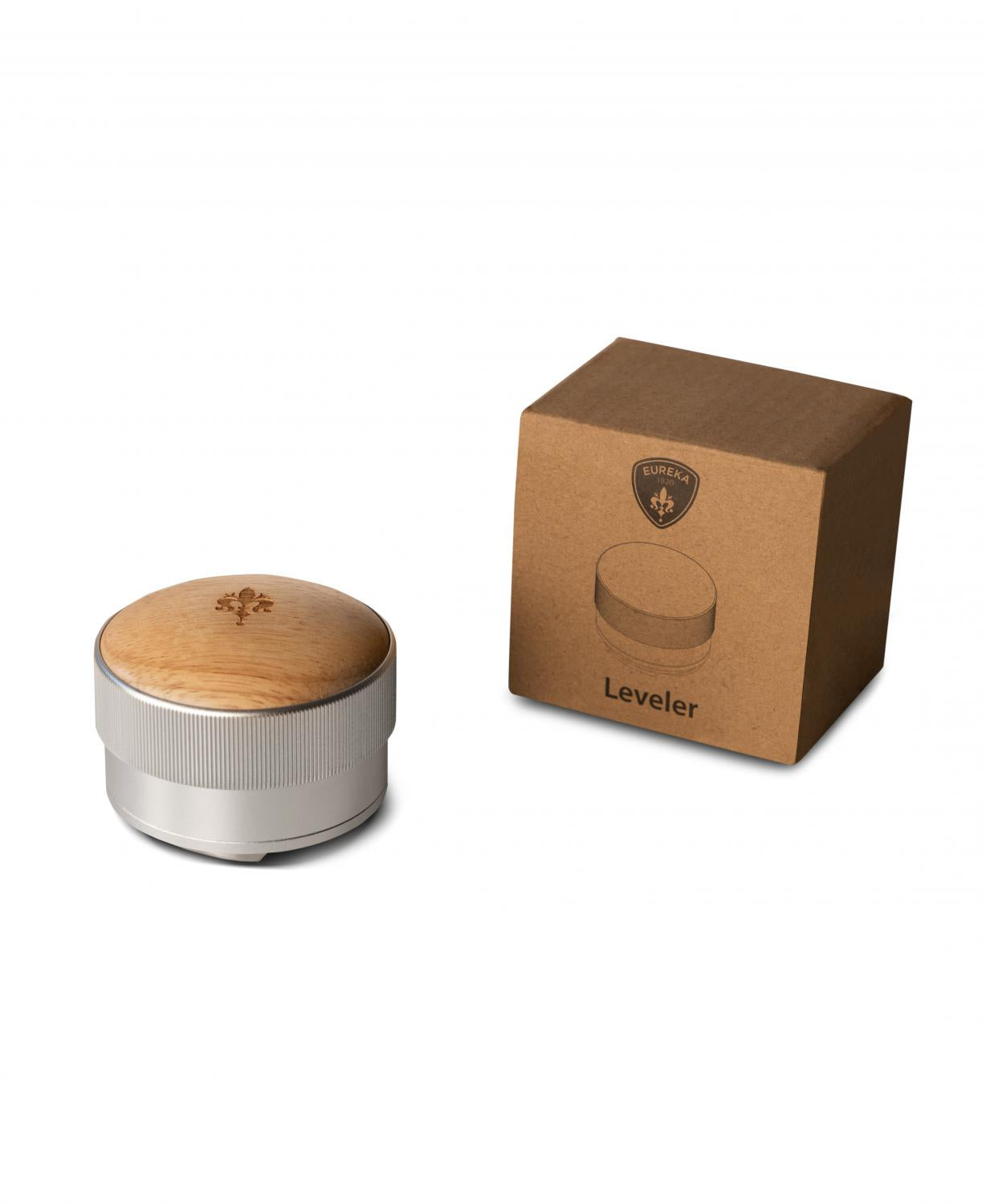
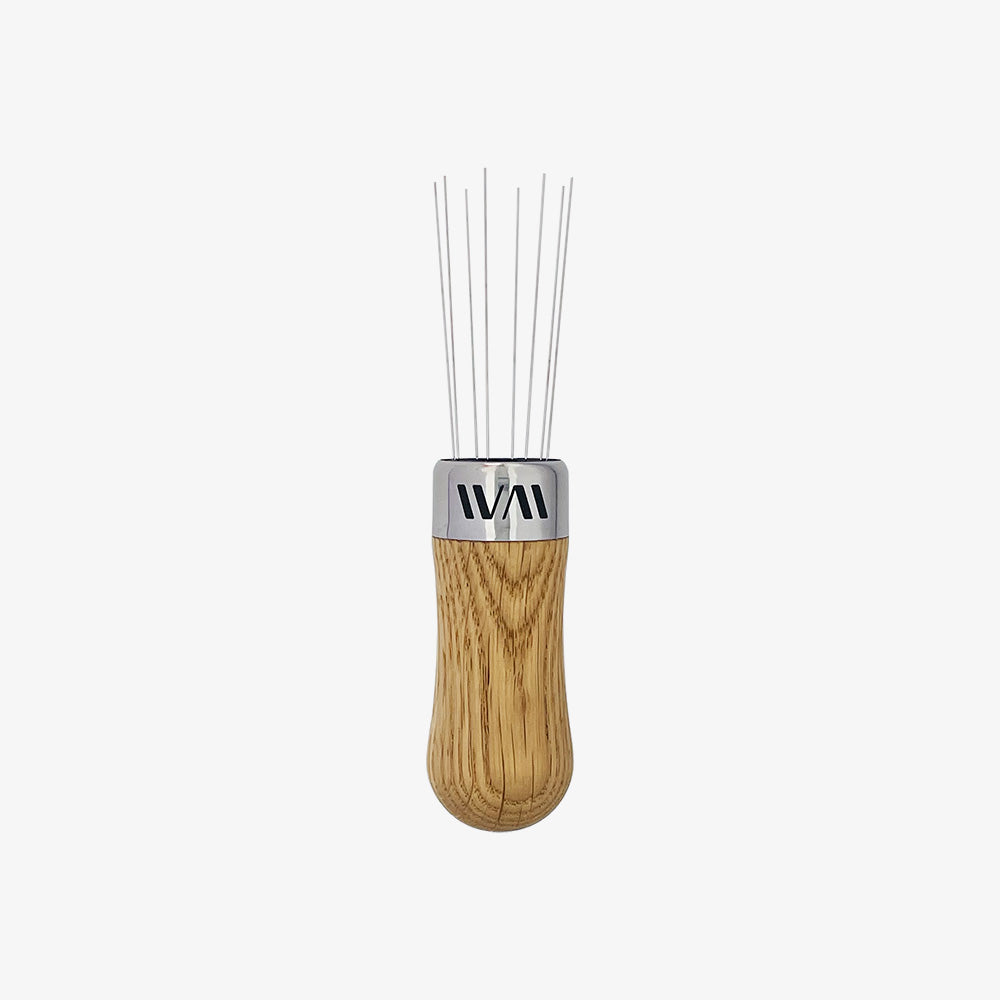
Wiedemann WDT Distribution Tool
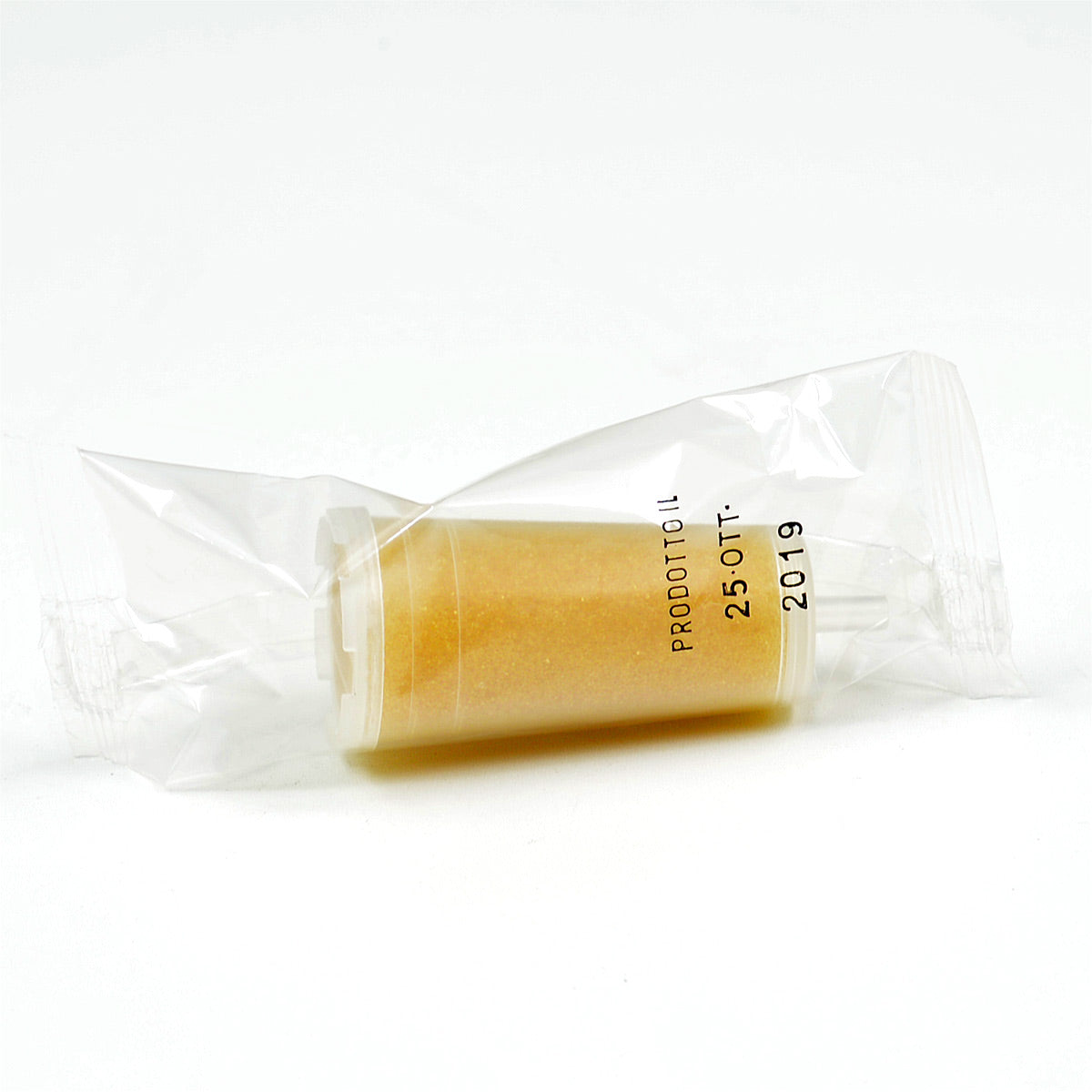
Upgrade for your portafilter machine
Matching accessories
If you have any questions, please feel free to contact us at any time. We will get back to you as soon as possible, within 24 hours on weekdays.
-
Shipping info
We ship all products the same day if ordered before 1pm.
-
Apoio
We will also be there to support you and advise you after your purchase. If you have any questions about the product you purchased from us, please contact us.
-
Contact
Correio eletrónico: hello@naturbohne.de
Telefone: 07454 / 870 48 64
Frequently Asked Questions
I bought a new coffee grinder from Naturbohne and there are coffee residues in it.
Please note: Some manufacturers test their coffee grinders before shipping, which means that small coffee residues or bean residues can occasionally be found in the grinder. This procedure is used to test functionality and is considered a quality feature. Of course, we only sell new products - unless expressly stated otherwise.
Static charge – coffee grounds spray out from the side
With some coffee grinders, the ground coffee can become statically charged and spray out of the portafilter at the side. This means that not all of the ground coffee gets into the portafilter, which can lead to uneven extraction. Our recommendation: Use a dosing funnel to ensure that all of the ground coffee is precisely fed into the portafilter - for optimal espresso enjoyment.
What is dead space in coffee grinders?
Conventional coffee grinders often leave a so-called dead space in which coffee residues accumulate. These residues can not only affect the freshness, but also lead to old and fresh coffee grounds being mixed, which negatively affects the taste. In contrast, single dose grinders have a well-thought-out design that eliminates the dead space. Each portion is ground individually and precisely so that no residues are left behind - for a consistently pure and full-bodied coffee experience.
Which portafilter fits my espresso machine?
When choosing the right portafilter for your portafilter machine, it is important to know that each manufacturer develops its own brewing group - the most well-known is the Faema E61. However, this does not mean that any portafilter will fit without any problems. An incompatible portafilter can leak, which will have a direct negative impact on the quality of your espresso. We therefore recommend using either the portafilter originally supplied or one that is explicitly stated to be compatible with your machine. This will ensure that the pressure is optimally built up and the espresso is perfectly extracted.
Can I visit you or pick up the goods personally?
Yes, of course, you are welcome to come by and look at our products by appointment. We would be happy to advise you personally. The best thing to do is to send us an email with a few suggested appointment times.
We are located 5 minutes from the motorway between Stuttgart and Lake Constance on the edge of the Black Forest.
Important note, first use coffee grinders
Another little tip for the perfect start with your new mill:
You will get the best grinding result after you have ground about 1-2 kg of beans. It is best to use a few cheap beans so that the grinder can work optimally. And if you are wondering what you can do with the bean flour - it is perfect plant fertilizer! 🌿
It contains nitrogen, potassium, sulfur and phosphorus and is a real nutrient bomb for your plants.
Podem efetuar uma calibração de desvio na minha máquina de porta-filtros?
Existem alguns argumentos contra a calibração offset para as máquinas de porta-filtros Lelit, especialmente para modelos como a Lelit Bianca. Estes argumentos prendem-se principalmente com a complexidade e as limitações do offset como única solução para os problemas de temperatura:
- Flutuações de temperatura e instabilidade. O offset tem em conta uma diferença constante entre a temperatura da caldeira e a temperatura de fabrico da cerveja. Na prática, porém, podem ocorrer flutuações de temperatura, por exemplo, devido a tempos de repouso mais longos ou ao fabrico contínuo de cerveja. Como resultado, a temperatura real de fermentação nem sempre pode ser prevista com precisão.
- Dependência das condições ambientais. Factores como a temperatura ambiente, a humidade e o estado da máquina (por exemplo, o tempo de aquecimento) têm uma influência significativa na temperatura de infusão. Um desvio fixo não pode compensar dinamicamente estas variáveis, o que pode levar a resultados inexactos.
- Perda de calor durante os tempos de paragem. Após pausas mais longas, o grupo de cerveja arrefece e a máquina precisa de tempo para voltar à temperatura desejada. Um offset corretamente ajustado não pode compensar este facto, pelo que são necessárias medidas adicionais como um "cooling flush".
- Calibrações de fábrica incorrectas. Em alguns modelos Lelit, verificou-se que a compensação de fábrica é frequentemente definida de forma incorrecta (por exemplo, 4-8 graus demasiado baixos na Lelit Bianca). Isto requer uma recalibração manual por pessoal especializado, o que pode ser complicado para os utilizadores finais.
- Mal-entendidos na aplicação. Muitos utilizadores ficam confusos com informações contraditórias sobre a definição do desvio, o que pode levar a ajustes incorrectos. Por exemplo, muitas vezes espera-se que o offset por si só resolva todos os problemas de temperatura, embora seja apenas uma parte de um sistema mais complexo.
Conclusão
A calibração do desvio é uma ferramenta útil, mas não deve ser considerada isoladamente. É necessária uma combinação de controlo preciso do PID, manutenção regular e técnicas personalizadas (por exemplo, injecções de enxaguamento) para obter os melhores resultados de fabrico de cerveja.
Do you have any more questions?
Contact
If you have any questions about our products, please write to us here or use the chat function.