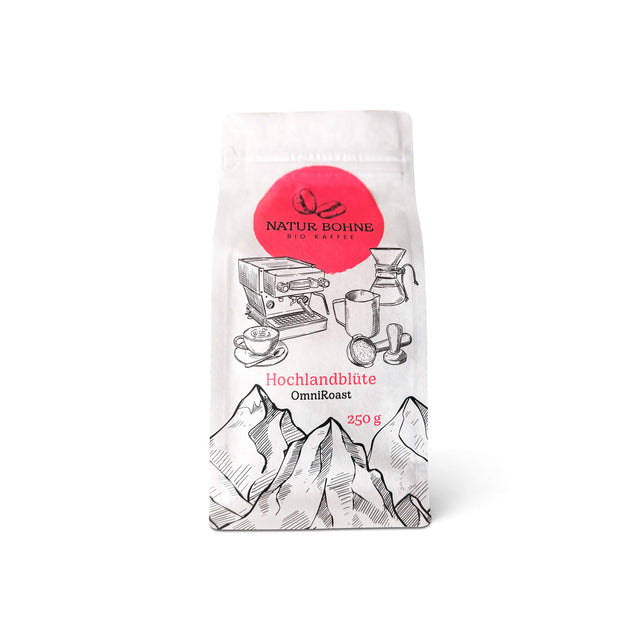
Hochlandblüte Organic Coffee Ethiopia Sidamo, WashedFloral on the first sip, followed by bright fruit with notes of red berries and cherry, clear and sweet in the finish.
Start recipe: 17-18 g → 34-43 g (1:2 to 1:2.5) in 27-30 s

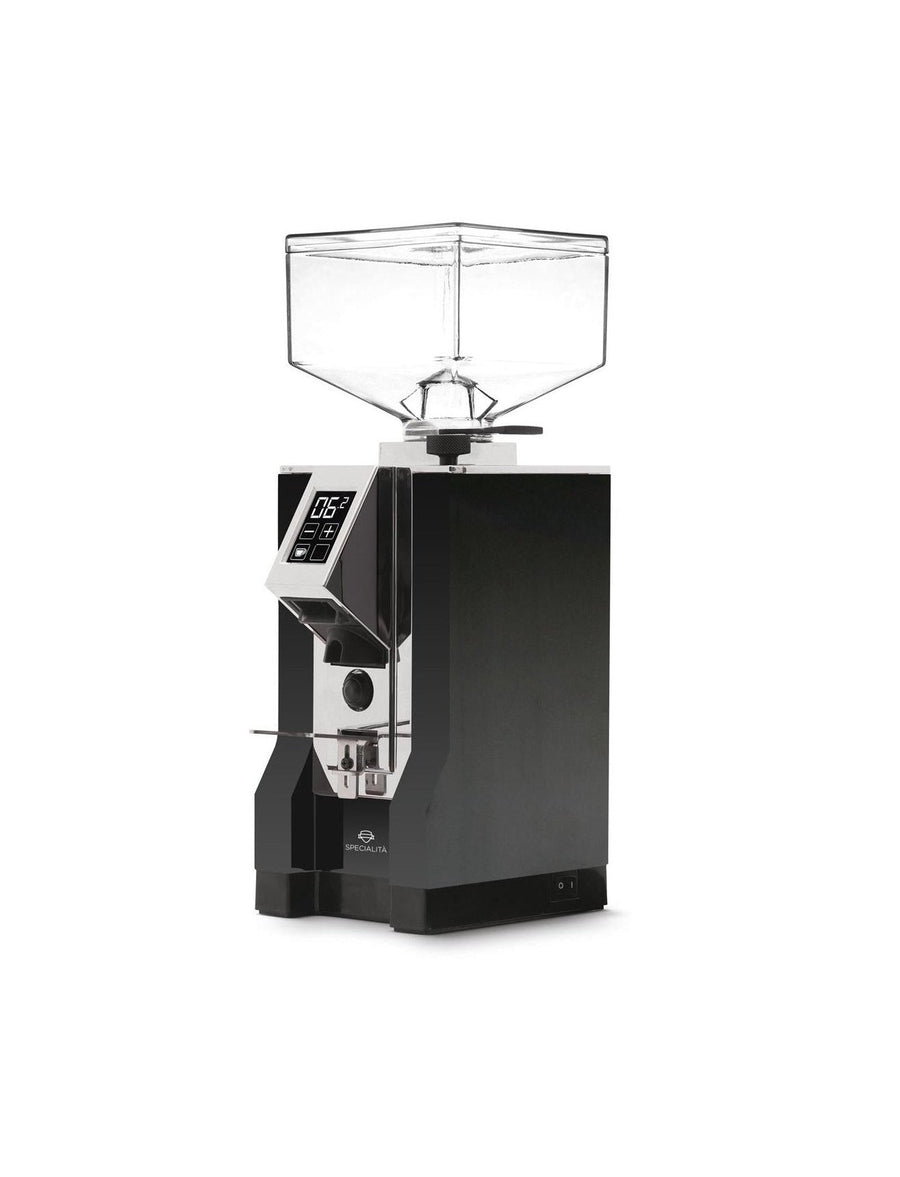
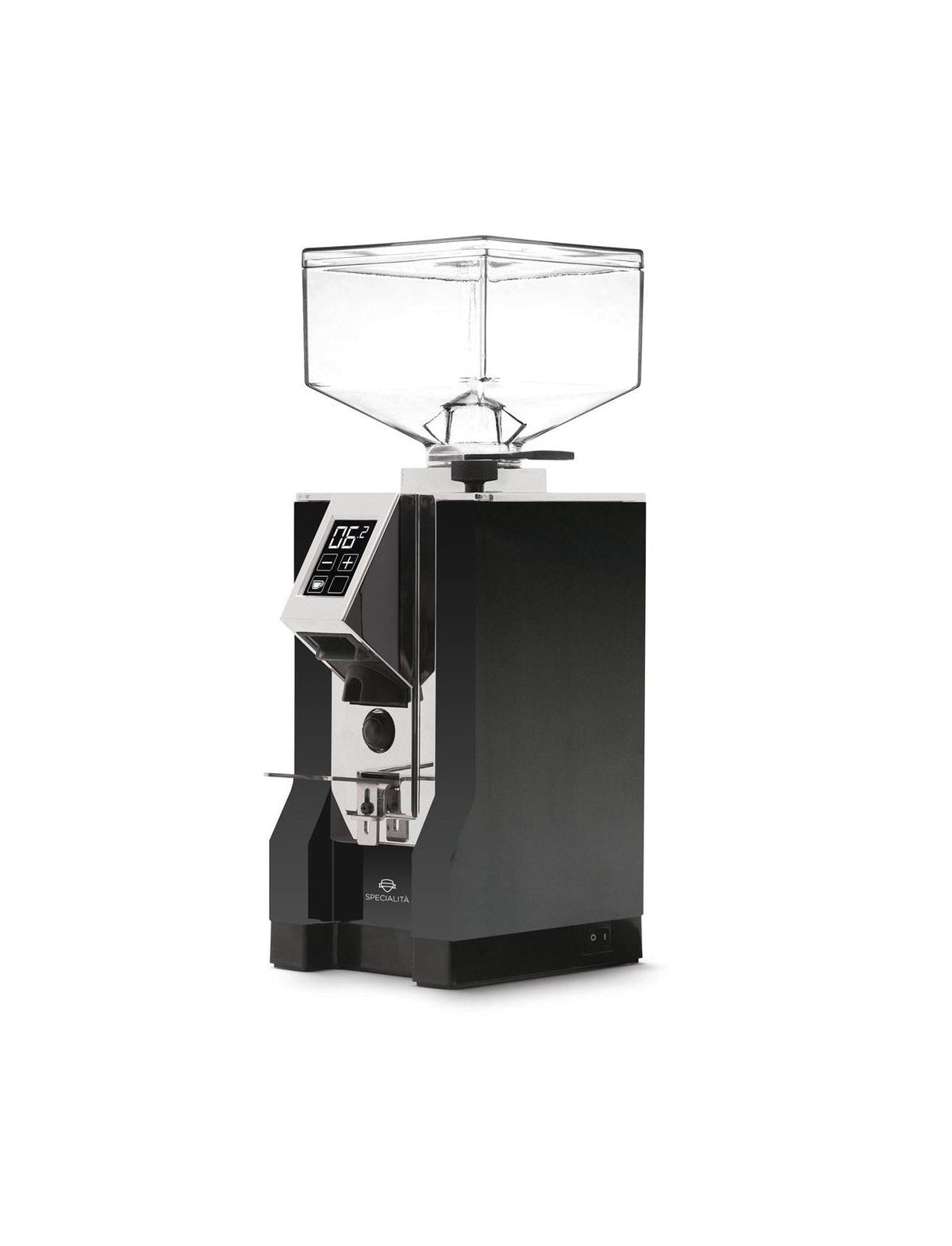
The beans sit in the hopper, ground on demand. This is the faster way when the same variety is always running.
The diameter of the grinding burrs determines how many revolutions are needed for the same amount of coffee.
Flat burrs grind with two parallel rings and deliver a tight particle size distribution.
The grinder grinds for a set time.
A large hopper means less frequent refilling.
The beans sit in the hopper and are ground on demand.
The grinder output indicates how much ground coffee comes out per second.
The manufacturer's guideline for how much coffee the burrs can handle before they should be replaced.
A sound-insulated housing and a decoupled motor reduce grinding noise.
The numbers from the data sheet, in the order that matters. A faster grinder does not grind better, it only grinds more.
The larger the burrs, the fewer revolutions are needed for the same amount of coffee. The grounds heat up less, and heat in the ground coffee costs aroma. Installed are Flat hardened steel.
Manufacturer specification for when the burrs should be replaced. Dull burrs are not noticeable by the grind appearance, but only by taste.
For 18 g of coffee, calculated from 1,8 g per second. For a single drink you hardly notice it: brewing and milk foam take longer than grinding.
These are 216 square centimeters of counter that are permanently occupied. At 35 cm height you need space above it for refilling.
All values come from the data sheet of this device. If a specification is missing, it is not listed here.
The same values by which you filter and compare in the shop. Is something missing? Write to us, we'll add it.
The beans sit in the hopper and are ground on demand. This is the faster way in everyday life, especially if the same coffee is used all the time. A full hopper, however, means that the beans at the bottom are exposed to the air for longer.
The diameter of the grinding burrs determines how many revolutions are needed for the same amount of coffee. Larger burrs need fewer revolutions, the grind warms up less, and heat in the grind reduces aroma.
Flat burrs grind with two parallel rings and deliver a tight particle size distribution. You do not recognize dull burrs by appearance but by the fact that the shot runs faster than usual.
A large hopper means less frequent refilling. Bear in mind that beans age in it: anything that stays in the hopper for longer than a few days loses aroma, no matter how good the grinder is.
The grinder grinds for a set time. That is quick for everyday use, but you have to readjust it when the bean changes or when the grind size changes, because then a different amount will flow in the same time.
The grinder output indicates how much ground coffee comes out per second. For a single drink you hardly notice it, as extraction and milk determine the time. You only feel it when many drinks are made back to back.
A sound-insulated housing and a decoupled motor reduce grinding noise. The grinder is still not quiet, but the difference is clearly noticeable in the morning in an open-plan kitchen.
Manufacturer: Eureka · EUREKA, Conti Valerio S.r.l., Via Luigi Longo 39/41, 50019 Sesto Fiorentino (FI), Italy, www.eureka.co.it/en, [email protected]
Three varieties that we have dialed in on exactly this machine. Start recipe included.
All coffee beans in our range are organic.
Hochlandblüte Organic Coffee Ethiopia Sidamo, WashedFloral on the first sip, followed by bright fruit with notes of red berries and cherry, clear and sweet in the finish.
Start recipe: 17-18 g → 34-43 g (1:2 to 1:2.5) in 27-30 s
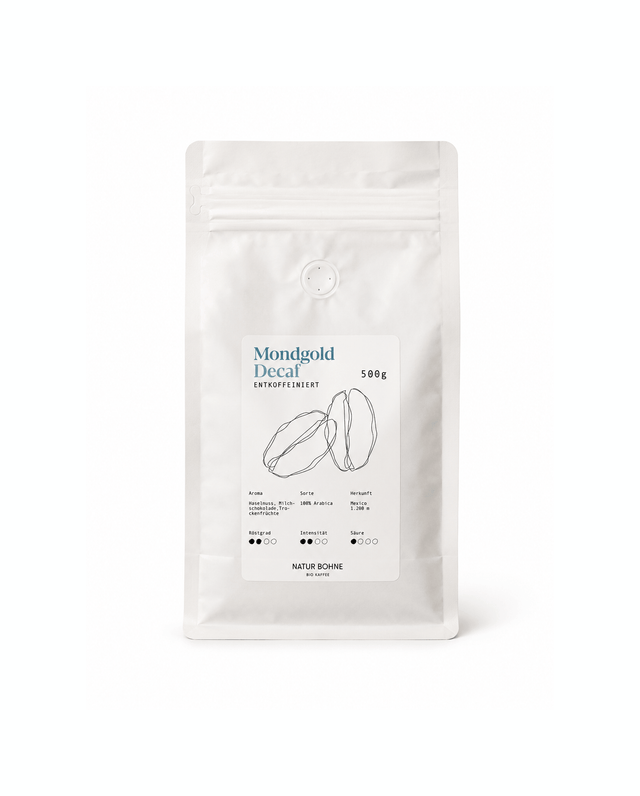
Mondgold Decaf, decaffeinated organic coffee from ChiapasSweetness of cane sugar on the first sip, followed by hazelnut and milk chocolate, with dried fruits and a light citrus note in the finish.
Start recipe: 18 g → 36 g in 25 s
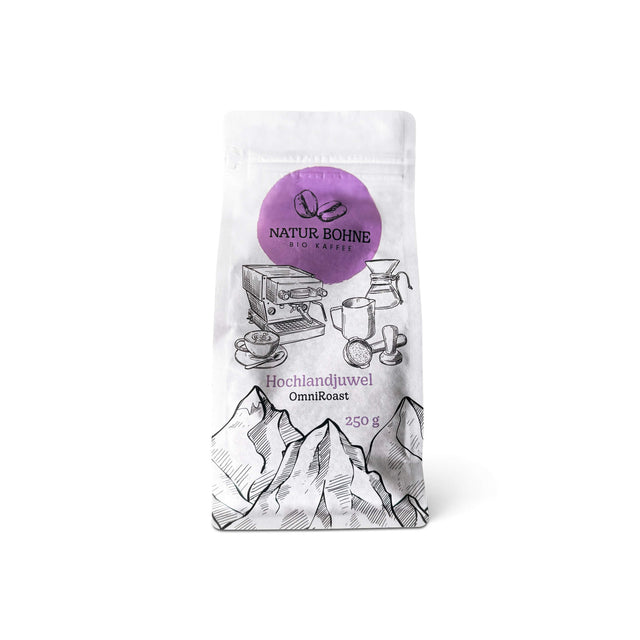
Hochlandjuwel organic coffee Ethiopia Guji, NaturalTastes like berry compote with a chocolate finish. Rosehip and cherry on the first sip, followed by pronounced blueberry, dark chocolate in the finish.
Start recipe: 17-18 g → 34-43 g (1:2 to 1:2.5) in 27-30 s
Beans ship free with the machine and come from the same roast week.
Eureka Tamper Extra Light Black 58mmA simple tamper in standard size. More important than the weight is that it fills the basket: if there is space at the rim, the water will find its way there.
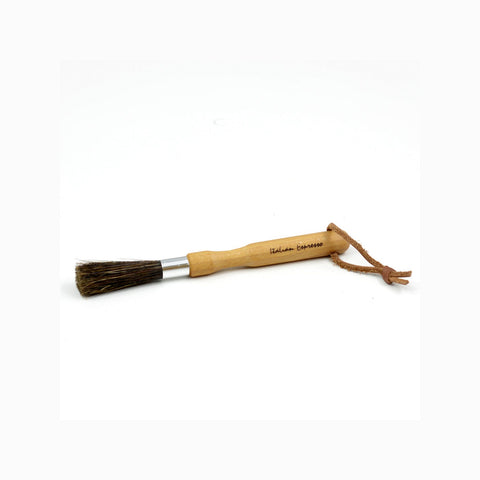
Grinder brush for coffee grinderGround coffee stays in the grind chute and goes stale there. A quick pass with the brush after each grind is enough.
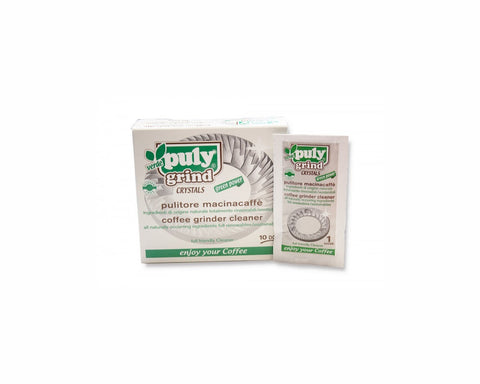
Puly Grind Grinder Cleaner 10x15gCoffee oils coat the burrs and shift the grind size without you seeing it. Every few weeks, run a bag through the grinder.
You write to us, not the manufacturer. We organize pickup, repair and return shipping.
Seals, shower screens, pumps in stock. Maintenance service recommended after two years.
* Creditworthiness required. Installment example PayPal Installments: effective annual interest rate 12,49 % p. a., fixed nominal interest rate 11,80 % p. a., term 24 months. PayPal shows terms and total costs in the next step. Only for customers resident in Germany.
A principal diferença entre o moinho de café Eureka Specialita 16 CR e a variante como peça de exposição reside no estado do produto. A versão de exposição tem a embalagem já aberta e pode apresentar ligeiros sinais de uso, mas está tecnicamente em perfeitas condições e inclui a garantia completa do fabricante de dois anos. A troca está excluída, enquanto os direitos legais de garantia permanecem.
A decisão entre o Eureka Specialita 16 CR e o moinho Eureka Specialita 15BL depende das suas necessidades individuais. A Specialita 16 CR é uma peça de exposição que está tecnicamente em perfeitas condições e oferece garantia do fabricante de 2 anos. A Specialita 15BL, por outro lado, é um modelo relacionado e pode ter funções ou características de design diferentes que lhe possam interessar. Seria útil comparar as características e funções específicas de ambos os modelos para tomar a melhor decisão para o seu uso.
O moinho de café Eureka Specialita 16 CR é mais adequado para preparar espresso, pois é especializado para esse fim. É menos recomendado para café filtrado porque as definições de moagem são principalmente concebidas para espresso.
A Eureka não fornece uma retenção oficial para a série Mignon. Testes práticos mostram na Specialità cerca de 0,3-0,6 g de retenção de troca (Exchange-Retention) (resíduos de moagem do shot anterior). No modo Bellows ou RDT a retenção real situa-se abaixo de 0,2 g. Como comparação: a Mignon Single Dose Pro tem por design <0,1 g graças ao sistema Upper-Blind-Burr. Para o dial-in com cafés alternados, a rotina de purga (descartar 2-3 g) é padrão; a Specialità não é um moinho Single Dose.
Um problema típico na Eureka Specialita e na Eureka Mignon XL é que o moinho deixa de responder e o ecrã mostra apenas os 2 símbolos. Nesse caso, o bloqueio de teclas está ativado. Para desativá‑lo proceda da seguinte forma:
Em modelos como a Eureka Mignon (p.ex. Specialità) o bloqueio de teclas é normalmente um bloqueio do temporizador ativado acidentalmente. Normalmente resolve‑se muito facilmente pressionando simultaneamente os dois símbolos quadrados (ou os dois botões do temporizador) no ecrã tátil durante cerca de 20 segundos.

Write to us if you are unsure about the selection. We roast ourselves and drink what we sell.