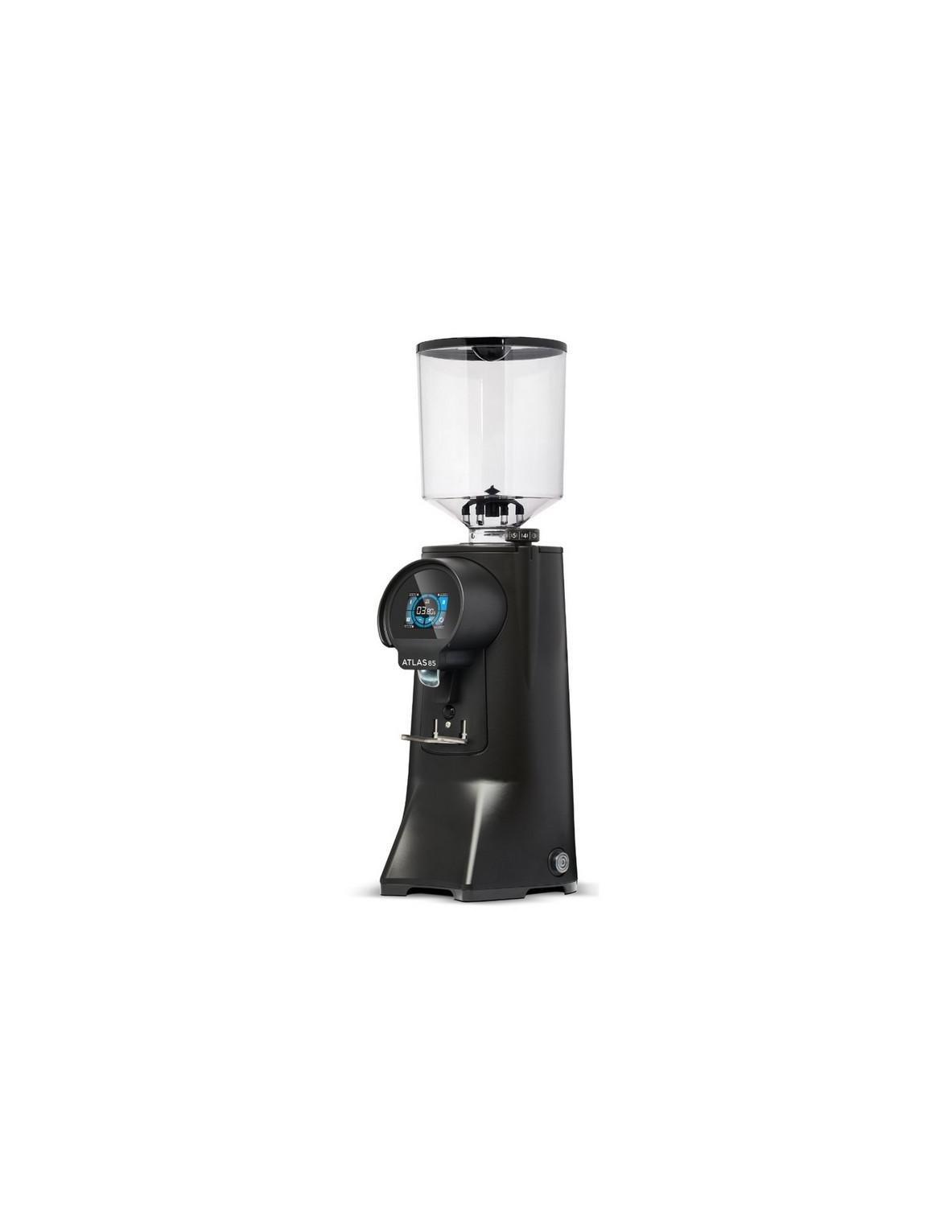
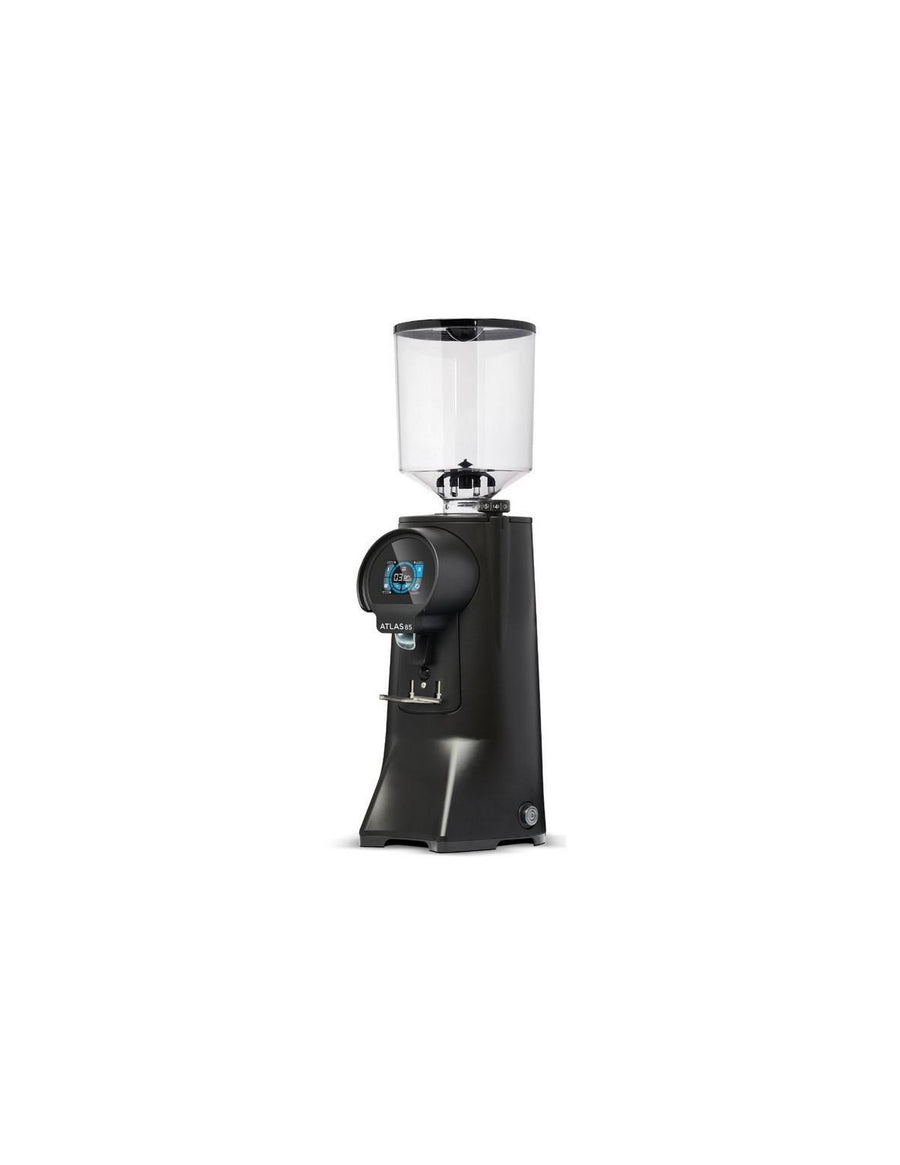
Eureka Atlas 65 Nero Opaco – Professional espresso grinder with 65 mm flat burrs
incl. VAT, excluding shipping costs
Finanzieren ab 43,25 € / Monat* mit
🚚 Shipping within EU: 34 €
EU shipping costs, see shipping policy.
🚚 Shipping within EU: 34 €
EU shipping costs, see shipping policy.

Eureka Atlas 65 Nero Opaco – Professional espresso grinder with 65 mm flat burrs
Orders can currently be placed at the displayed price. For some manufacturers (e.g. Mahlkönig, Eureka, Rocket Espresso), price adjustments have been announced for next year. The current price applies to orders placed now.
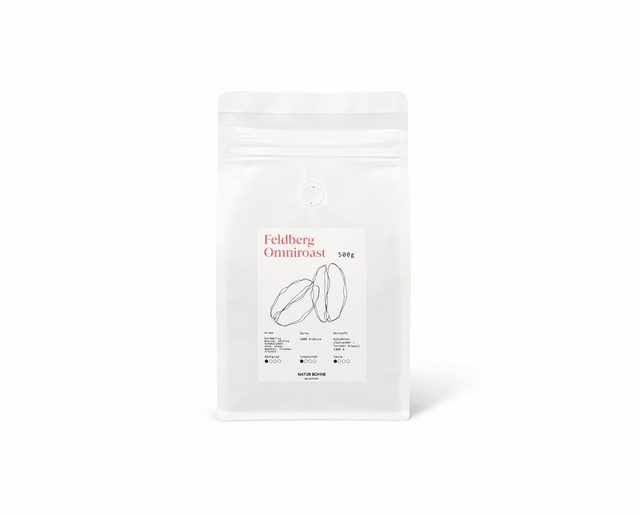
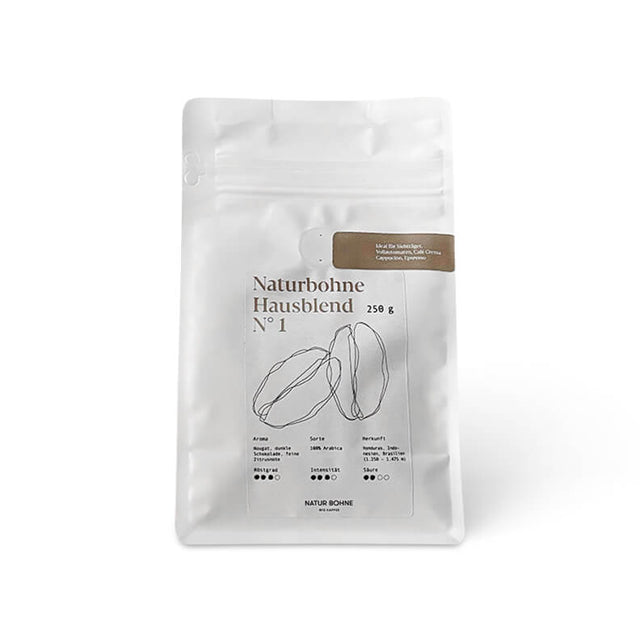
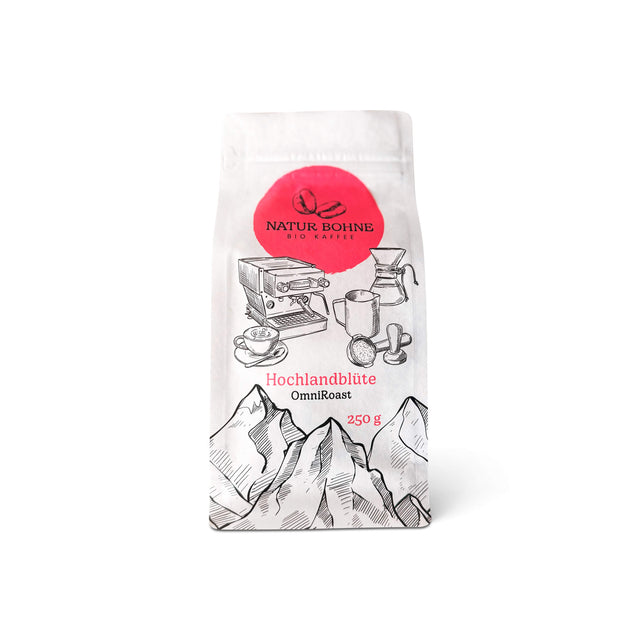
Perfect duo: Eureka Specialita 16CR & Naturbohne Espresso bundle

Perfect duo for coffee enjoyment
Experience coffee enjoyment at the highest level with our exclusive bundle featuring the Eureka Mignon Specialita 16CR espresso grinder and our carefully selected organic and Demeter-certified coffee beans.
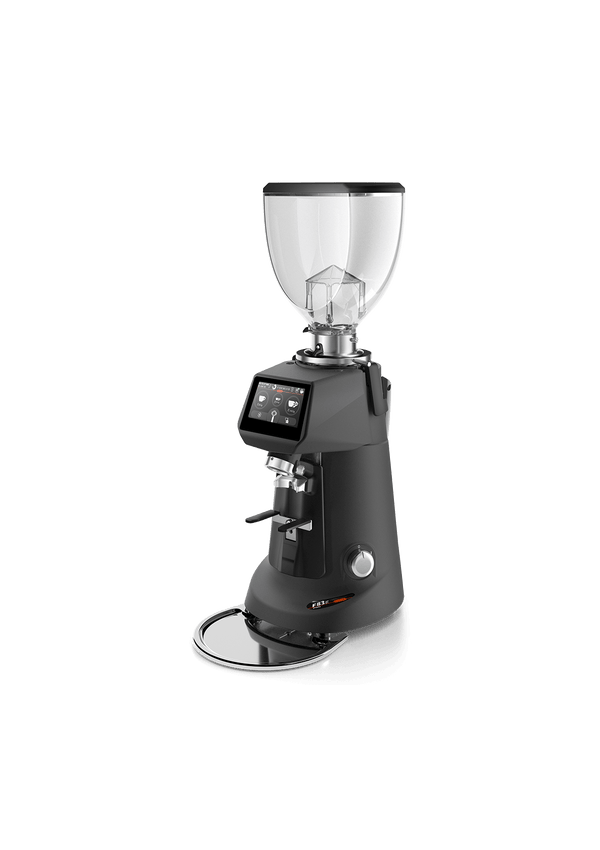
Eureka Atlas 65 Nero Opaco – Professional espresso grinder for discerning home baristas and the foodservice industry
The Eureka Atlas 65 in the Nero Opaco finish is a professional espresso grinder designed without compromise for grind quality, precision, and ease of use. With its 65 mm flat grinding discs made of hardened steel, it delivers an exceptionally consistent grind—the essential prerequisite for reproducible, aromatically balanced espressos.
Precise dosing via touch display
The electronic control system with touchscreen display allows for easy programming of two dosing times (single and double) as well as manual continuous dosing. An integrated dose counter logs the output and helps you precisely control your workflow—whether in a commercial setting or at home.
Micrometric grind adjustment—stepless and precise
The stepless, micrometric grind adjustment allows for the finest corrections without interrupting your workflow. This lets you precisely tailor the grind to the bean, roast, and brew profile—ideal for single-serve brews that demand high repeatability.
Direct drive with ample torque reserve
The direct-drive motor, operating at 1,370 rpm with 360 W of power, achieves a grinding speed of 4–5.5 g/s. The direct drive operates without a gearbox—reducing vibrations, heat buildup in the ground coffee, and wear. An ideal combination for intensive use.
Large bean hopper and integrated portafilter lighting
With a 1.4 kg capacity, the bean hopper is designed for high daily throughput. The integrated LED lighting at the portafilter spout ensures a clear view during dosing—a detail that provides noticeable convenience in daily use.
Who is the Eureka Atlas 65 the right choice for?
The Atlas 65 is aimed at experienced home baristas, small food service establishments, office coffee stations, and specialty coffee bars looking for a professional grinder with compact dimensions, high grind quality, and convenient operation. It’s the ideal companion for high-end portafilter machines.
Buying Guide: Eureka Atlas 65 or Atlas 85—which grinder is right for you?
Eureka’s Atlas range covers two different application areas with the Atlas 65 and the Atlas 85. Both grinders share the same design philosophy, operating logic, and technologies such as the ACE System, Silent Technology, and hands-free portafilter fork. The key differences lie in the size of the grinding discs, motor power, and throughput capacity.
Direct Comparison at a Glance
| Feature | Atlas 65 | Atlas 85 |
|---|---|---|
| Grinding discs | 65 mm, flat, hardened steel | 85 mm, flat, hardened steel |
| Motor power (EU) | 360 W | 510 W |
| Grinding disc speed | 1,370 rpm | 1,350 rpm |
| Grinding speed | 4.0–5.5 g/s | 7.0–8.5 g/s |
| Grind time for a double shot (18 g) | approx. 3.3–4.5 s | approx. 2.1–2.6 s |
| Max. meal (clay) | 30 s | 30 s |
| Cooling time (Toff) | 270 s | 280 s |
| Bean hopper | 1.4 kg | 1.4 kg |
| Net weight | 12 kg | 15.5 kg |
| Dimensions (H × W × D) | 652 × 227 × 262 mm | 652 × 227 × 262 mm |
| Grind adjustment | Micrometric, stepless | Micrometric, stepless |
| Touchscreen | Yes, multicolor | Yes, multicolor |
| Dosages | 3 + Manual | 3 + Manual |
| ACE System | Yes | Yes |
| Silent Technology | Yes | Yes |
| Hands-Free Fork with LED | Yes | Yes |
| Maintenance Interval for Grinding Discs | 250 kg | 250 kg |
Recommendation based on usage profile
| Usage profile | Daily throughput | Recommendation |
|---|---|---|
| Home Barista | 1–5 shots/day | The Atlas 65 is the more economical choice. The Atlas 85 is only worth it as a convenience upgrade. |
| Pro Home Barista | 5–20 shots/day | The Atlas 65 is sufficient. The Atlas 85 significantly reduces wait times for guests and during back-to-back service. |
| Small Café / Event Catering | 20–60 shots/day | Atlas 85 recommended—higher thermal reserves and approximately 65% faster grinding speed during peaking. |
| Medium-sized café | 60–150 shots/day | The Atlas 85 is the right choice. The Atlas 65 is borderline here. |
| High-volume café | >150 shots/day continuously | Both Atlas models are reaching their limits. Dedicated commercial grinders such as the Mahlkönig E65S are recommended. |
When is it worth paying the extra cost for the Atlas 85?
Three clear criteria speak in favor of the Atlas 85:
- Grinding time as a measurable bottleneck: Starting at around 15–20 shots per day, the Atlas 85 saves 20–40 seconds in grinding time daily. The speed advantage becomes subjectively noticeable at 30 shots per day or more.
- Thermal reserve: With the same power consumption, the Atlas 85 distributes heat over a larger grinding surface. It operates with greater thermal stability during back-to-back shots.
- Workflow convenience: A grind time of 2.1–2.6 seconds per double shot instead of 3.3–4.5 seconds is noticeable in daily use—especially when customers are waiting at the counter.
Rule of thumb: Anyone who regularly wants to grind more than 10–15 double shots in a row without a break, or who runs a small café, will see measurable benefits from the Atlas 85. Home baristas who grind 1–5 shots daily primarily gain convenience and thermal reserves—there’s no difference in grind quality between the two models.
What both grinders DO NOT offer
- No blow-up system for virtually retention-free single-dose grinding (this is offered, for example, by the Atom Specialty 65)
- No 10-year motor warranty—this applies exclusively to select Mignon models
- No adjustable spout
- No scale-based (grind-by-weight) dosing—both operate on a timer
Technical Specifications
| Manufacturer | Eureka |
|---|---|
| Model | Atlas 65 |
| Finish | Nero Opaco (Matte Black) |
| Item Number | EHA65001 |
| EAN | EHA65001 |
| Grinding Disc Type | Flat grinding discs |
| Grinding disc diameter | 65 mm |
| Grinding disc material | Hardened steel |
| Grinding speed | 4–5.5 g/s |
| Motor speed | 1,370 rpm |
| Motor power | 360 W |
| Drive | Direct drive (no gearbox) |
| Grind adjustment | Micrometric, stepless |
| Control | Electronic, touchscreen display |
| Dosing | Programmable (Single / Double / Manual) |
| Dose counter | Yes, built-in |
| Bean hopper capacity | 1.4 kg |
| Portafilter lighting | Built-in LED |
| Intended use | Home baristas, offices, small food service establishments |
| Voltage | 230 V / 50 Hz |
| Dimensions (H × W × D) | Not available—please verify |
| Weight | Not available – please verify |
| Volume | Not available – please verify |
Package Contents
- Eureka Atlas 65 Espresso Grinder in Nero Opaco
- 1.4 kg bean hopper with lid
- Portafilter holder / drip tray
- Cleaning brush
- Power cord
- User manual
Note: Please verify the exact contents of the package against the original Eureka packaging before publication.
Frequently Asked Questions About the Eureka Atlas 65
Which portafilter machines is the Eureka Atlas 65 suitable for?
The Atlas 65 is a professional-grade espresso grinder that pairs well with high-end single-circuit, dual-circuit, and dual-boiler machines. It is particularly well-suited for machines with an E61 brew group and for setups where grinding precision and reproducibility are paramount.
How do the Atlas 65 and Atlas 75 differ?
The main difference lies in the diameter of the burrs. The Atlas 65 uses 65 mm flat burrs, while the Atlas 75 features 75 mm flat burrs. Larger discs generally result in cooler grinding, higher throughput, and potentially an even more consistent grind—while the Atlas 65 remains more compact and energy-efficient.
Is the grind adjustment truly stepless?
Yes. The micrometric adjustment allows for very fine, stepless corrections. This makes it possible to make even the smallest adjustments to the grind size—essential for single-origin espressos and specialty profiles.
How loud is the Atlas 65 when in operation?
Specific decibel values are not consistently documented by the manufacturer (not available). However, thanks to its direct drive, the grinder operates with significantly less vibration than gear-driven models, which subjectively results in quieter operation.
Can the Atlas 65 be used in continuous operation in the foodservice industry?
Yes, the Atlas 65 is designed for professional use and is suitable for small to medium-sized foodservice establishments, coffee bars, and office coffee stations with high volume.
Do the grinding discs get hot?
Thanks to the direct drive without a gearbox and the moderate speed of 1,370 rpm for a 65-mm grinder, heat generation in the ground coffee remains low. This preserves the aromas of delicate specialty roasts.
Angaben zum Hersteller
* Bonität vorausgesetzt. Ratenbeispiel für PayPal Ratenzahlung: effektiver Jahreszins 12,49 % p.a., fester Sollzinssatz 11,80 % p.a., Laufzeit 24 Monate. Genaue Konditionen und Gesamtkosten werden im nächsten Schritt von PayPal angezeigt. Angebot gültig nur für Kunden mit Wohnsitz in Deutschland. Weitere Infos zur Bonitätsprüfung.
If you have any questions, please feel free to contact us at any time. We will get back to you as soon as possible, within 24 hours on weekdays.
-
Shipping info
We ship all products the same day if ordered before 1pm.
-
Support
We will also be there to support you and advise you after your purchase. If you have any questions about the product you purchased from us, please contact us.
-
Contact
Email: hello@naturbohne.de
Telefon: 07454 / 870 48 64
Puly Grind mill cleaner 10x15g
Natural Bean Barista Cloth 40x40
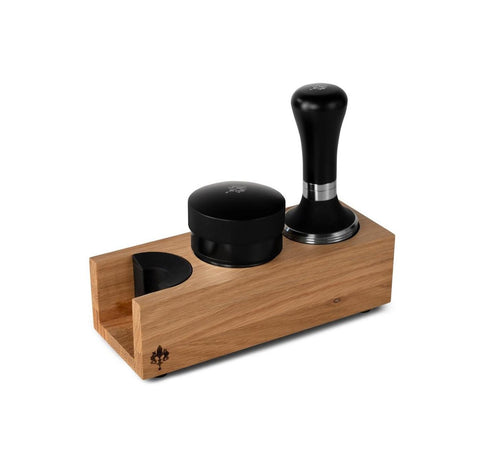
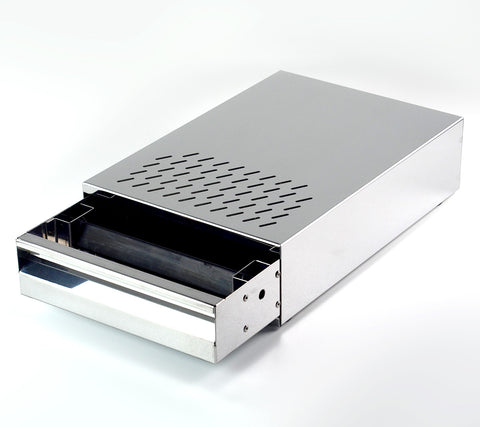
Matching accessories for your Specialita
Specialita upgrade
Frequently Asked Questions
I bought a new coffee grinder from Naturbohne and there are coffee residues in it.
Please note: Some manufacturers test their coffee grinders before shipping, which means that small coffee residues or bean residues can occasionally be found in the grinder. This procedure is used to test functionality and is considered a quality feature. Of course, we only sell new products - unless expressly stated otherwise.
Static charge – coffee grounds spray out from the side
With some coffee grinders, the ground coffee can become statically charged and spray out of the portafilter at the side. This means that not all of the ground coffee gets into the portafilter, which can lead to uneven extraction. Our recommendation: Use a dosing funnel to ensure that all of the ground coffee is precisely fed into the portafilter - for optimal espresso enjoyment.
What is dead space in coffee grinders?
Conventional coffee grinders often leave a so-called dead space in which coffee residues accumulate. These residues can not only affect the freshness, but also lead to old and fresh coffee grounds being mixed, which negatively affects the taste. In contrast, single dose grinders have a well-thought-out design that eliminates the dead space. Each portion is ground individually and precisely so that no residues are left behind - for a consistently pure and full-bodied coffee experience.
Which portafilter fits my espresso machine?
When choosing the right portafilter for your portafilter machine, it is important to know that each manufacturer develops its own brewing group - the most well-known is the Faema E61. However, this does not mean that any portafilter will fit without any problems. An incompatible portafilter can leak, which will have a direct negative impact on the quality of your espresso. We therefore recommend using either the portafilter originally supplied or one that is explicitly stated to be compatible with your machine. This will ensure that the pressure is optimally built up and the espresso is perfectly extracted.
Can I visit you or pick up the goods personally?
Yes, of course, you are welcome to come by and look at our products by appointment. We would be happy to advise you personally. The best thing to do is to send us an email with a few suggested appointment times.
We are located 5 minutes from the motorway between Stuttgart and Lake Constance on the edge of the Black Forest.
Important note, first use coffee grinders
Another little tip for the perfect start with your new mill:
You will get the best grinding result after you have ground about 1-2 kg of beans. It is best to use a few cheap beans so that the grinder can work optimally. And if you are wondering what you can do with the bean flour - it is perfect plant fertilizer! 🌿
It contains nitrogen, potassium, sulfur and phosphorus and is a real nutrient bomb for your plants.
Könnt ihr bei meiner Siebträgermaschine eine Offset Kalibrierung durchführen ?
Es gibt einige Argumente, die gegen eine Offset-Kalibrierung bei Lelit-Siebträgermaschinen sprechen, insbesondere bei Modellen wie der Lelit Bianca. Diese beziehen sich vor allem auf die Komplexität und die Limitierungen des Offsets als alleinige Lösung für Temperaturprobleme:
- Temperaturschwankungen und Instabilität. Der Offset berücksichtigt eine konstante Differenz zwischen Kesseltemperatur und Brühtemperatur. In der Praxis können jedoch Temperaturschwankungen auftreten, z. B. durch längere Standzeiten oder kontinuierliches Brühen. Dadurch ist die tatsächliche Brühtemperatur nicht immer präzise vorhersehbar.
- Abhängigkeit von Umgebungsbedingungen. Faktoren wie Raumtemperatur, Luftfeuchtigkeit und der Zustand der Maschine (z. B. Aufheizzeit) beeinflussen die Brühtemperatur erheblich. Ein fester Offset kann diese Variablen nicht dynamisch ausgleichen, was zu ungenauen Ergebnissen führen kann.
- Wärmeverlust bei Standzeiten. Nach längeren Pausen kühlt die Brühgruppe ab, und die Maschine benötigt Zeit, um wieder auf die gewünschte Temperatur zu kommen. Ein korrekt eingestellter Offset kann dies nicht kompensieren, weshalb zusätzliche Maßnahmen wie ein “Cooling Flush” nötig sind.
- Fehlkalibrierungen ab Werk. Bei einigen Lelit-Modellen wurde festgestellt, dass der Offset ab Werk oft ungenau eingestellt ist (z. B. 4–8 Grad zu niedrig bei der Lelit Bianca). Dies erfordert eine manuelle Nachkalibrierung durch Fachpersonal, was für Endnutzer kompliziert sein kann.
- Missverständnisse in der Anwendung. Viele Nutzer sind durch widersprüchliche Informationen zur Offset-Einstellung verunsichert, was zu Fehlanpassungen führen kann. Beispielsweise wird oft erwartet, dass der Offset allein alle Temperaturprobleme löst, obwohl er nur ein Teil eines komplexeren Systems ist.
Fazit
Die Offset-Kalibrierung ist ein nützliches Werkzeug, aber sie sollte nicht isoliert betrachtet werden. Eine Kombination aus präziser PID-Steuerung, regelmäßiger Wartung und angepassten Techniken (z. B. Spülshots) ist notwendig, um optimale Brühergebnisse zu erzielen.
Do you have any more questions?
Contact
If you have any questions about our products, please write to us here or use the chat function.