


Bezzera Nini PID PM Portafilter Machine – Dual-Circuit Manual with PID
incl. VAT
Finanzieren ab 84,72 € / Monat* mit
🚚 Shipping within EU: 49 €
EU shipping costs, see shipping policy.
🚚 Shipping within EU: 49 €
EU shipping costs, see shipping policy.
Bezzera Nini PID PM Portafilter Machine – Dual-Circuit Manual with PID
Model Year 2026
Bezzera Nini PID PM – Manual Control Meets PID Precision
The Bezzera Nini PID PM is designed for a specific target audience: purists who love manual shot handling but don’t want to sacrifice modern temperature control and upgradeability. The machine combines the manual start/stop operation of the PM variant with digital PID temperature control, an integrated shot timer, and the option to retrofit the Bezzera Flow Control Kit.
Manual Digital Temperature Control
The front-mounted PID panel regulates the brew temperature with precision and consistency. When changing beans frequently, using light roasts, or brewing consecutive shots, this stability pays off directly in the cup. The integrated shot timer displays the extraction time in seconds—a feature missing from the non-PID version.
The Flow Control Option
For the first time, Bezzera is offering a Flow Control Kit for the BZ brew group—approved exclusively for PID versions. This enables manual pressure and flow modulation during extraction. The PID PM also features a sensor mount for compatible third-party sensors.
Manual brewing remains manual
PM stands for “Push Manual.” The brew is started and stopped via a push button—there is no automatic volumetric control. You continue to work with a scale and shot timer, but now with digitally controlled temperature and optional flow control.
Same compact platform
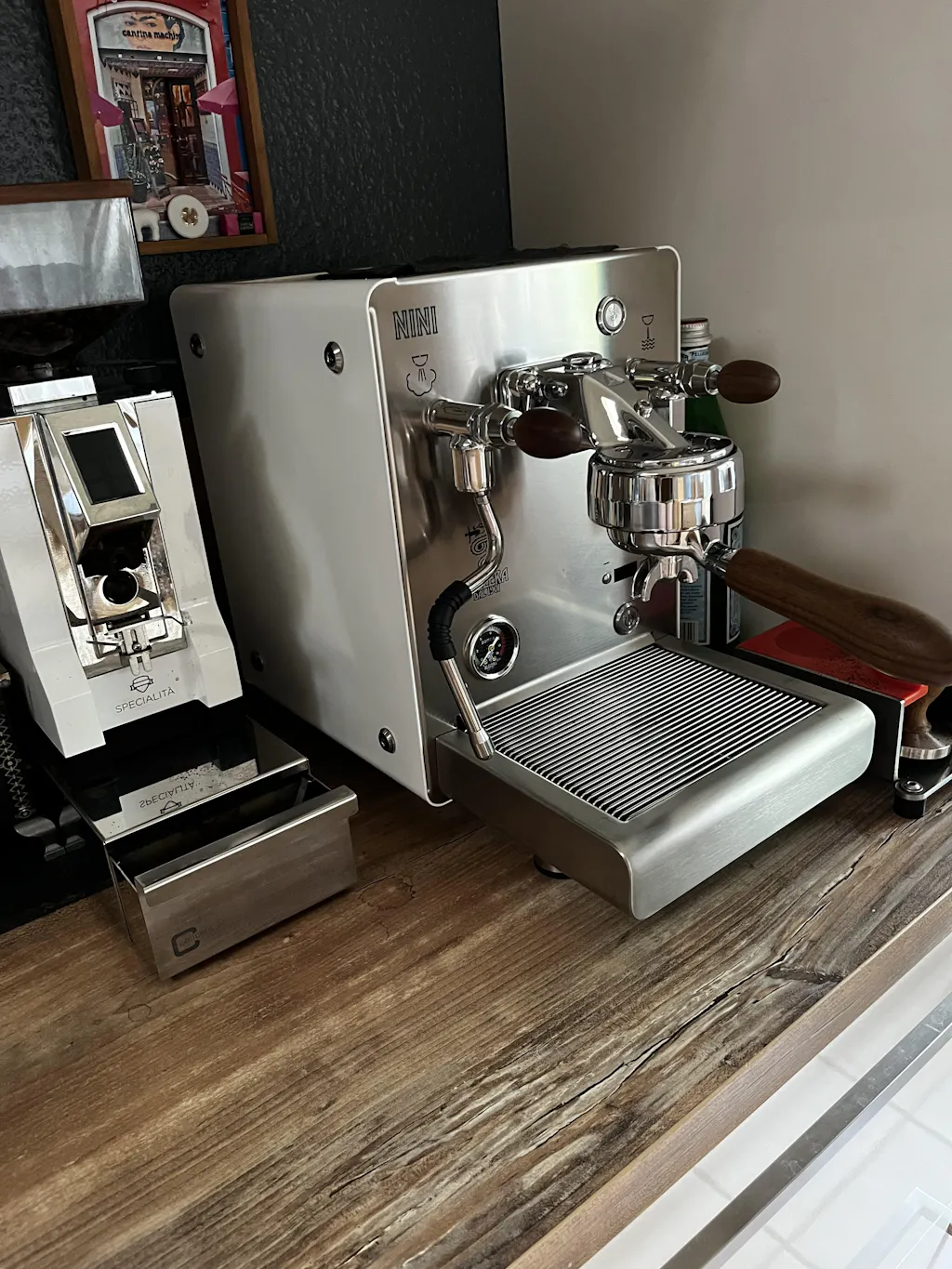
1.5-liter copper boiler, heated BZ brew group (58 mm), ULKA vibration pump, 3-liter tank, approx. 10-minute heat-up time, externally adjustable OPV. Dimensions: 250 × 447.5 × 365 mm, 20 kg net weight, AISI 304 stainless steel housing with powder coating. Available in matte white, matte black, and matte green.
Technical Specifications
| Design | Dual-circuit (heat exchanger) |
|---|---|
| Brewing Group | Bezzera BZ, electrically heated, 58 mm |
| Boiler capacity | 1.5 liters |
| Boiler material | Copper |
| Pump type | Vibration pump (ULKA) |
| PID control | Yes (boiler) |
| Shot timer | Yes (built-in) |
| Pre-infusion | Mechanical |
| Flow Control | Optional (retrofittable) |
| Pressure sensor preparation | Yes |
| Operation mode | Manual |
| Steam power | Medium to high |
| Water connection | Water Tank |
| Water tank location | rear |
| Water tank capacity | 3 liters |
| Warm-up time | approx. 10 minutes |
| Cup warmer | passive |
| Standby mode | No |
| App control | No |
| Power consumption | 1,500 W |
| Voltage | 220–240 V / 50–60 Hz |
| Dimensions (W × D × H) | 250 × 447.5 × 365 mm |
| Weight | 20 kg net |
| Housing | AISI 304 stainless steel, powder-coated |
| Colors | Matte White (RAL 9016), Matte Black (RAL 9005), Matte Green (RAL 6003) |
| Country of manufacture | Italy |
| Warranty | 2 years |
Everyday Use
| Intended Use | Home baristas, purists |
|---|---|
| Shots per Day | Medium |
| Target Audience | Advanced home baristas |
Source: https://www.bezzera.it/uploads/prod_images/NINI/nini-low-1.pdf
What’s Included
- 1× Bezzera Nini PID PM espresso machine
- 2× portafilter (58 mm): 1× double spout, 1× single spout
- 1× single portafilter
- 1× two-cup portafilter
- 1× Blind filter basket (for backflushing)
- 1× plastic tamper (58 mm)
- 1× plastic measuring spoon
- 1× User manual (multilingual)
Which Bezzera Nini Is Right for Me? A Direct Comparison
The Bezzera Nini is available in four models based on the same mechanical platform. The only differences are in the control system and temperature regulation. Here’s how to find the right model for you:
| Feature | Nini PM | Nini DE | Nini PID PM | Nini PID DE |
|---|---|---|---|---|
| Operating Concept | Manual Start/Stop | 4 programmable dosing buttons | Manual + PID | Volumetric + PID |
| PID Temperature Control | – | – | Yes | Yes |
| Shot Timer | – | – | Yes | Yes |
| Volumetric Dosing | – | Yes (4 cup sizes) | – | Yes (4 cup sizes) |
| Flow Control Kit can be retrofitted | – | – | Yes | Yes |
| Pressure sensor preparation | – | – | Yes | Yes |
| Ideal for | Purists, beginners with a scale | Convenience-oriented users | Advanced purists | Discerning home baristas |
| Positioning | The Purist | The Classic Convenience Model | The Precise Purist | The Flagship |
Abbreviations: PM = manual control. DE = automatic dosing. PID = precise temperature + flow control option. Color options (matte white, matte black, matte green) are the same for all models.
Frequently Asked Questions About the Bezzera Nini PID PM
What does “PID PM” mean for the Bezzera Nini?
PID = digital proportional-integral-derivative temperature control. PM = “Push Manual,” manual extraction. The Nini PID PM combines manual start/stop with precise PID temperature control and an integrated shot timer.
When is the PID version worth it?
For users who frequently change bean varieties, use light roasts, or want consistent temperature across multiple consecutive shots. Additionally, only the PID version allows for retrofitting flow control.
What distinguishes the Nini PID PM from the Nini PM?
The PID PM adds digital PID temperature control, a built-in shot timer, the option for the Flow Control Kit, and press sensor readiness to the manual PM model. Manual brewing via push button remains the same.
Can I really retrofit the Flow Control Kit?
Yes. Bezzera has approved the Flow Control Kit for the BZ brew group exclusively for the PID versions. The Nini PID PM is prepared for this.
What does “pressor sensor-ready” mean?
The machine has a connection for compatible third-party pressure sensors for extraction analysis. The sensor itself is not included.
What brew group does the Nini PID PM have?
The heated Bezzera BZ brew group with a 58 mm filter basket diameter.
How long does it take to heat up?
About 10 minutes, according to the official manufacturer’s data sheet.
Is a permanent water connection possible?
No. The Nini PID PM operates exclusively with a 3-liter tank and a vibration pump.
What colors are available?
Matte white (RAL 9016), matte black (RAL 9005), and matte green (RAL 6003).
How does the Nini PID PM differ from the Nini PID DE?
The PID PM is operated manually via a push button. The PID DE adds four programmable dispensing buttons plus a stop button—automatic volumetric dispensing. The PID and Flow Control options are identical in both models.
Is the Nini PID PM suitable for milk-based drinks?
Yes. As a dual-circuit machine, it can prepare espresso and milk foam simultaneously.
Manufacturer Information
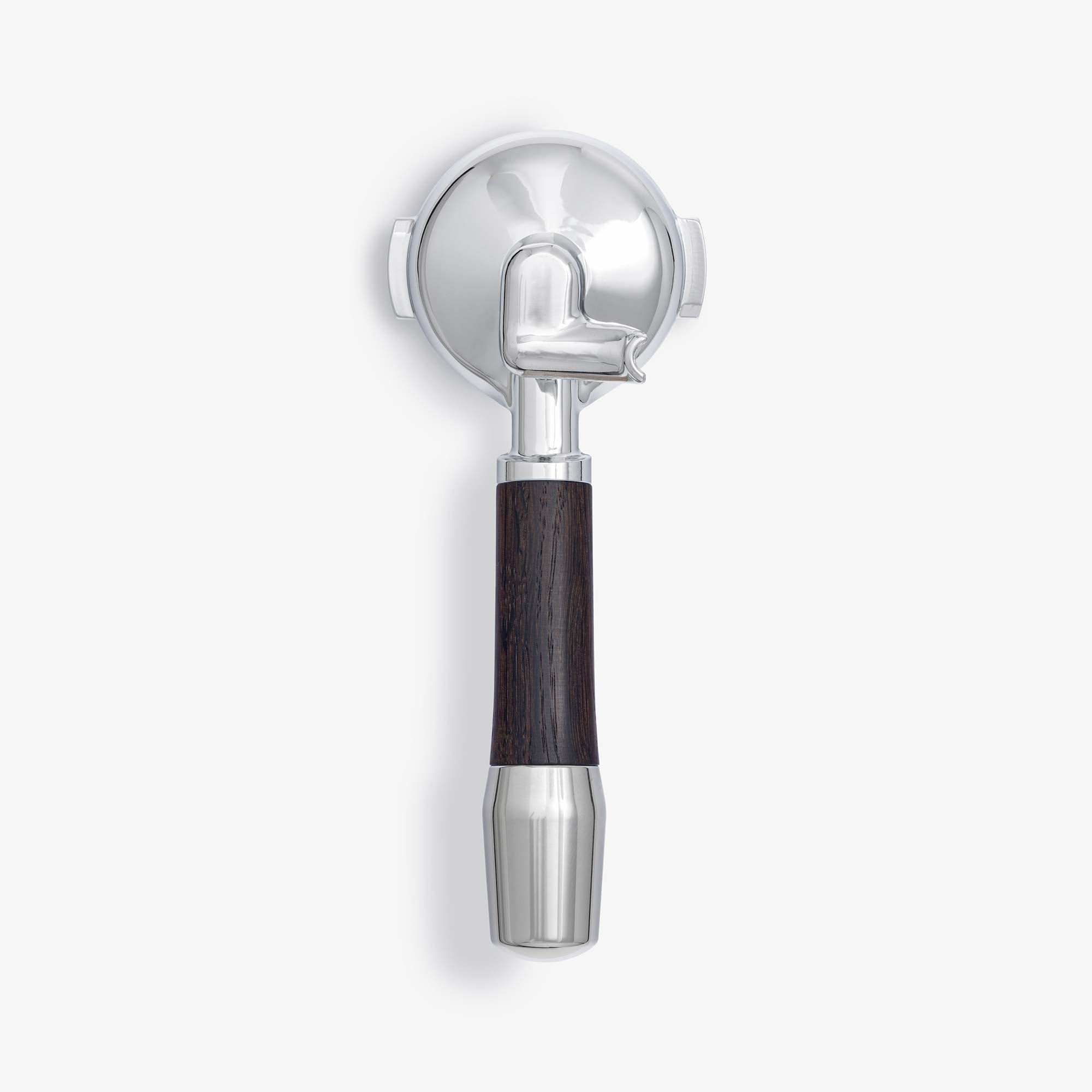
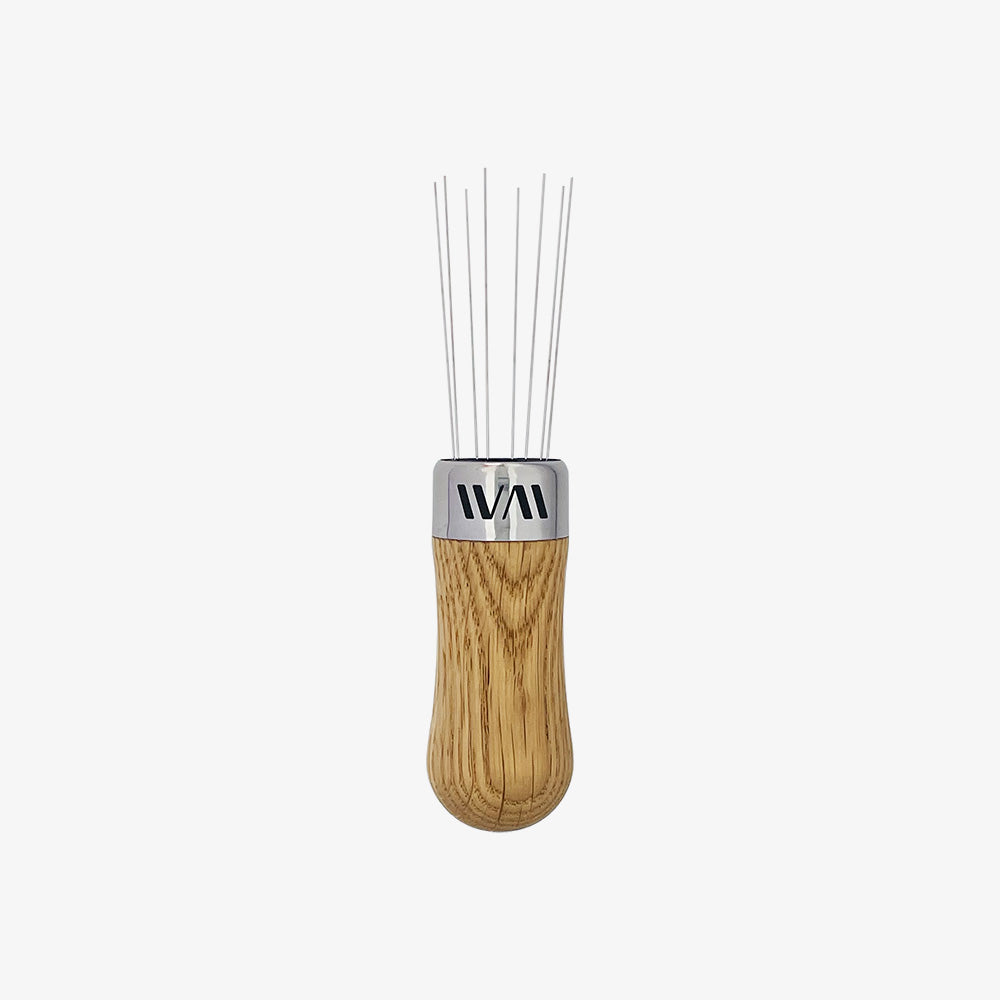
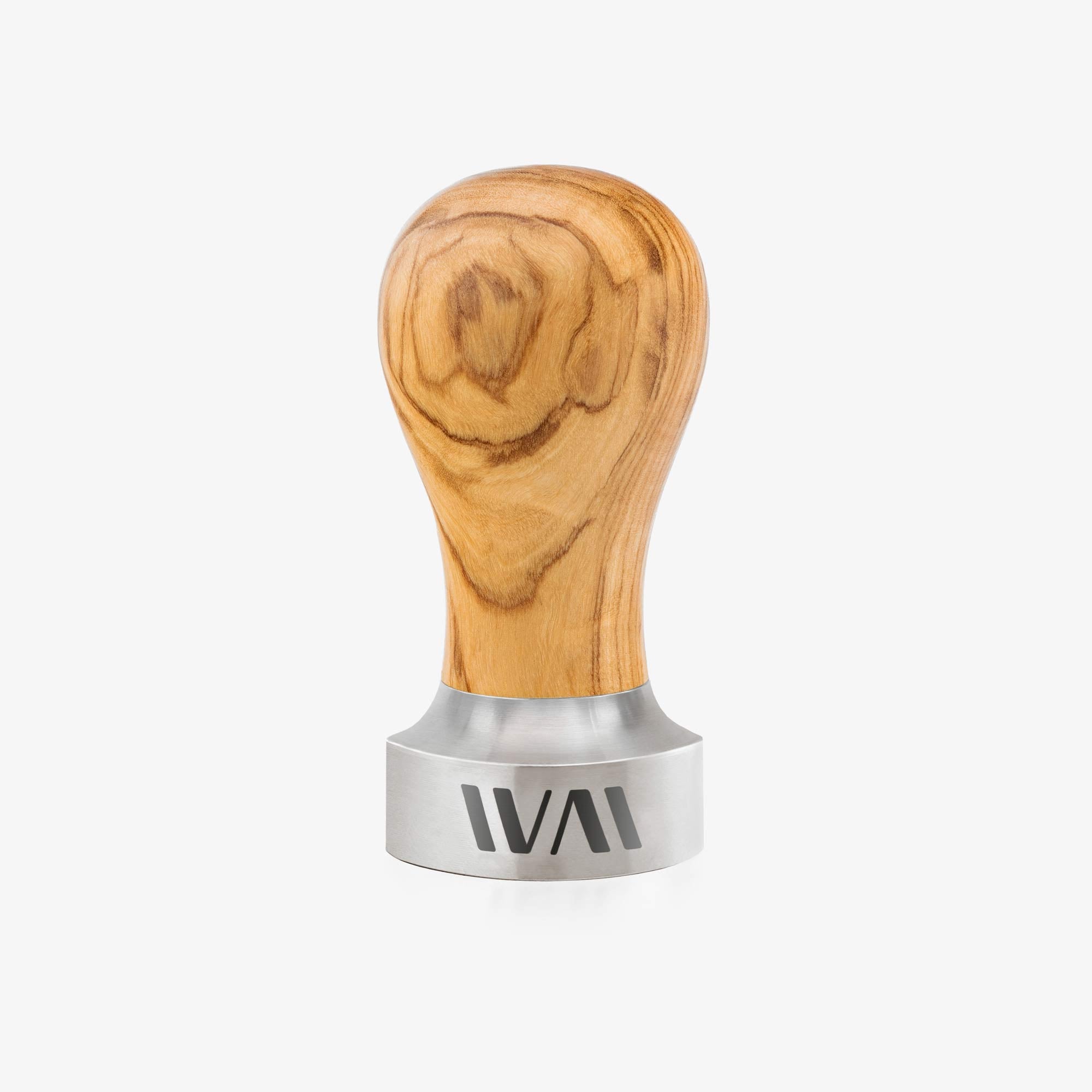
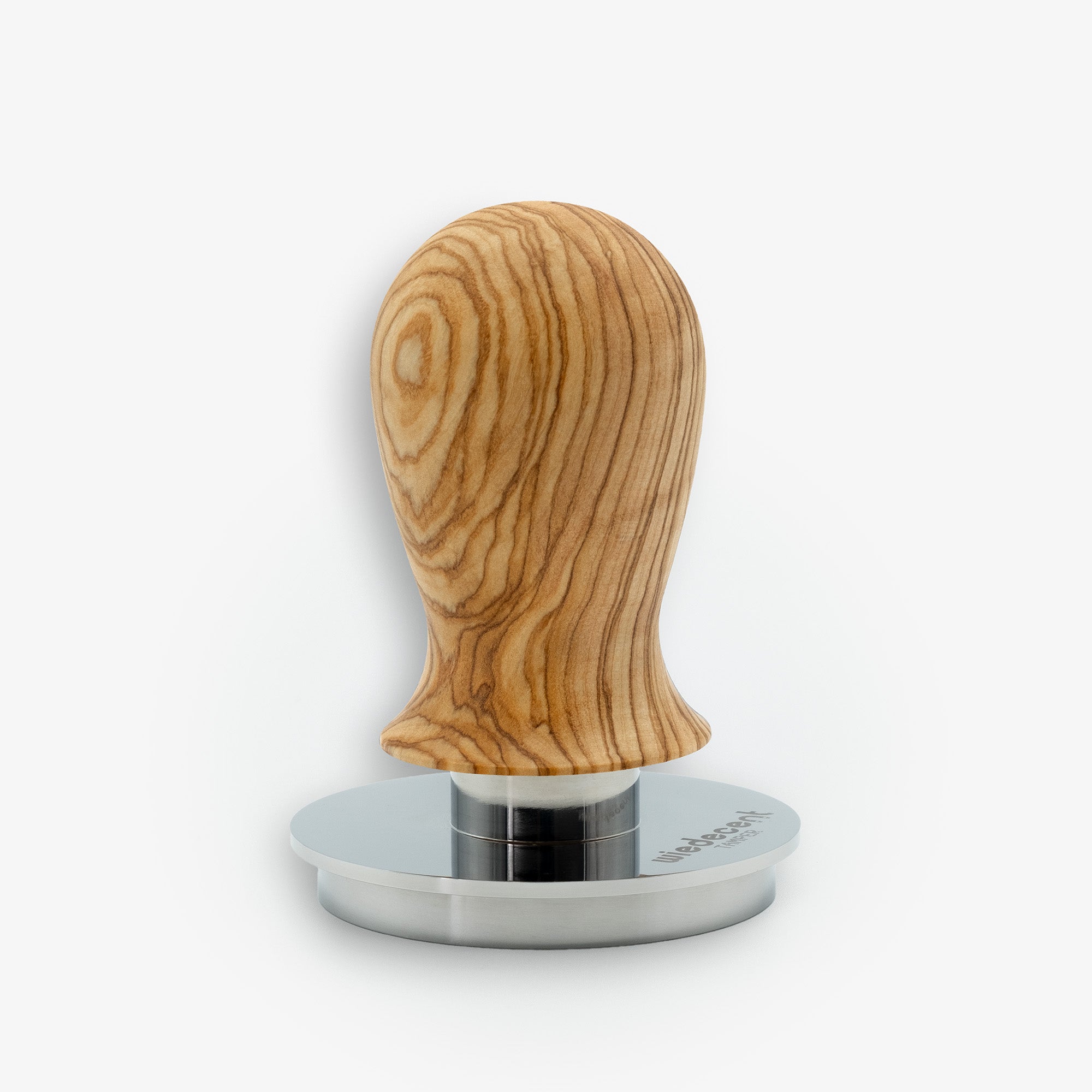
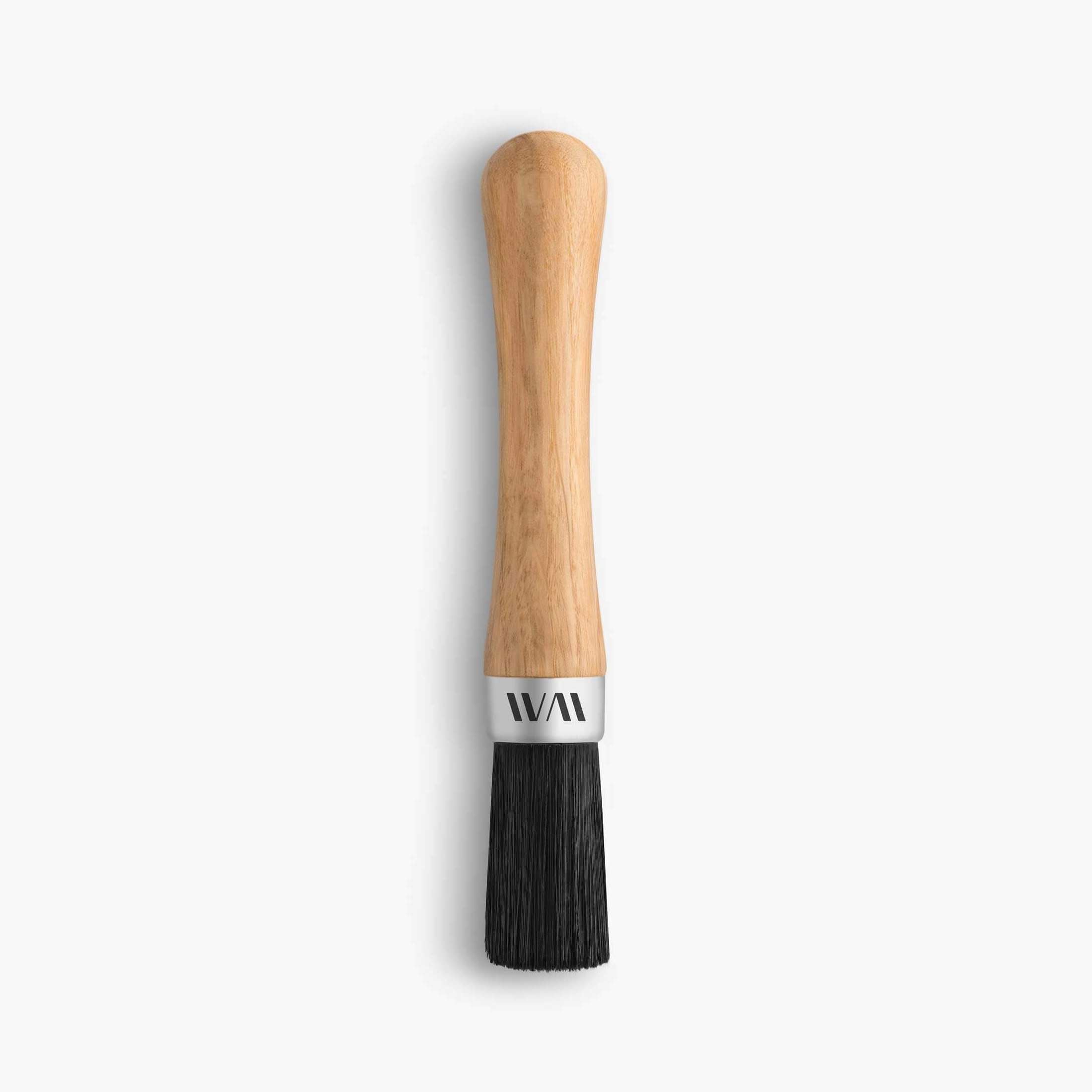
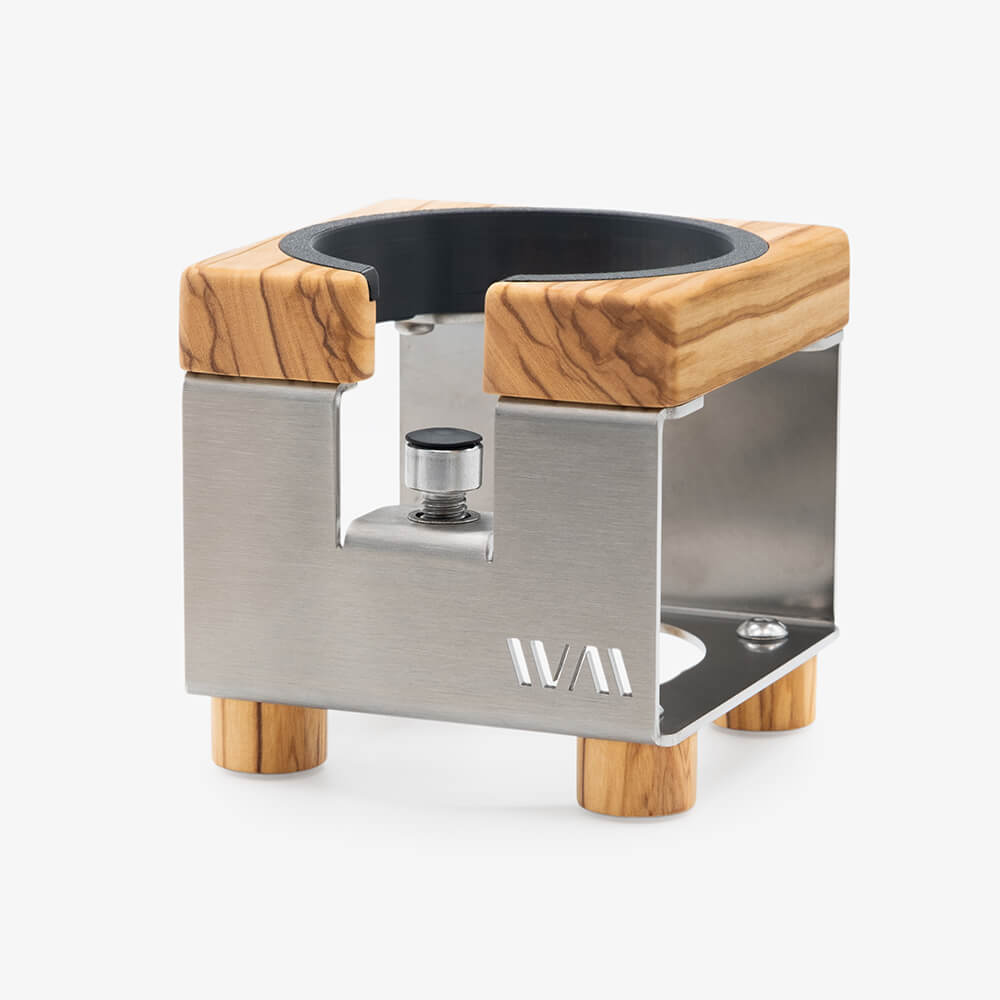
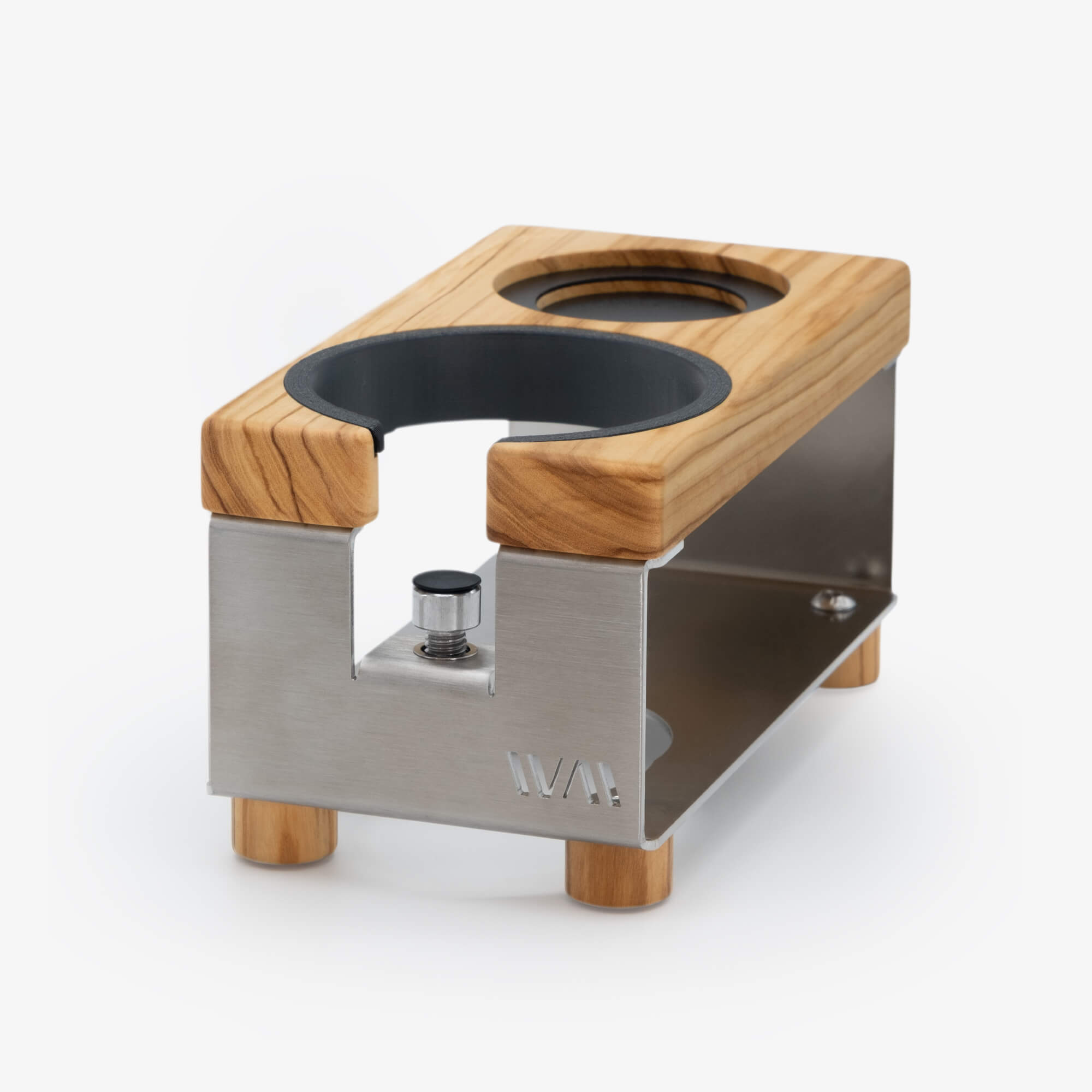
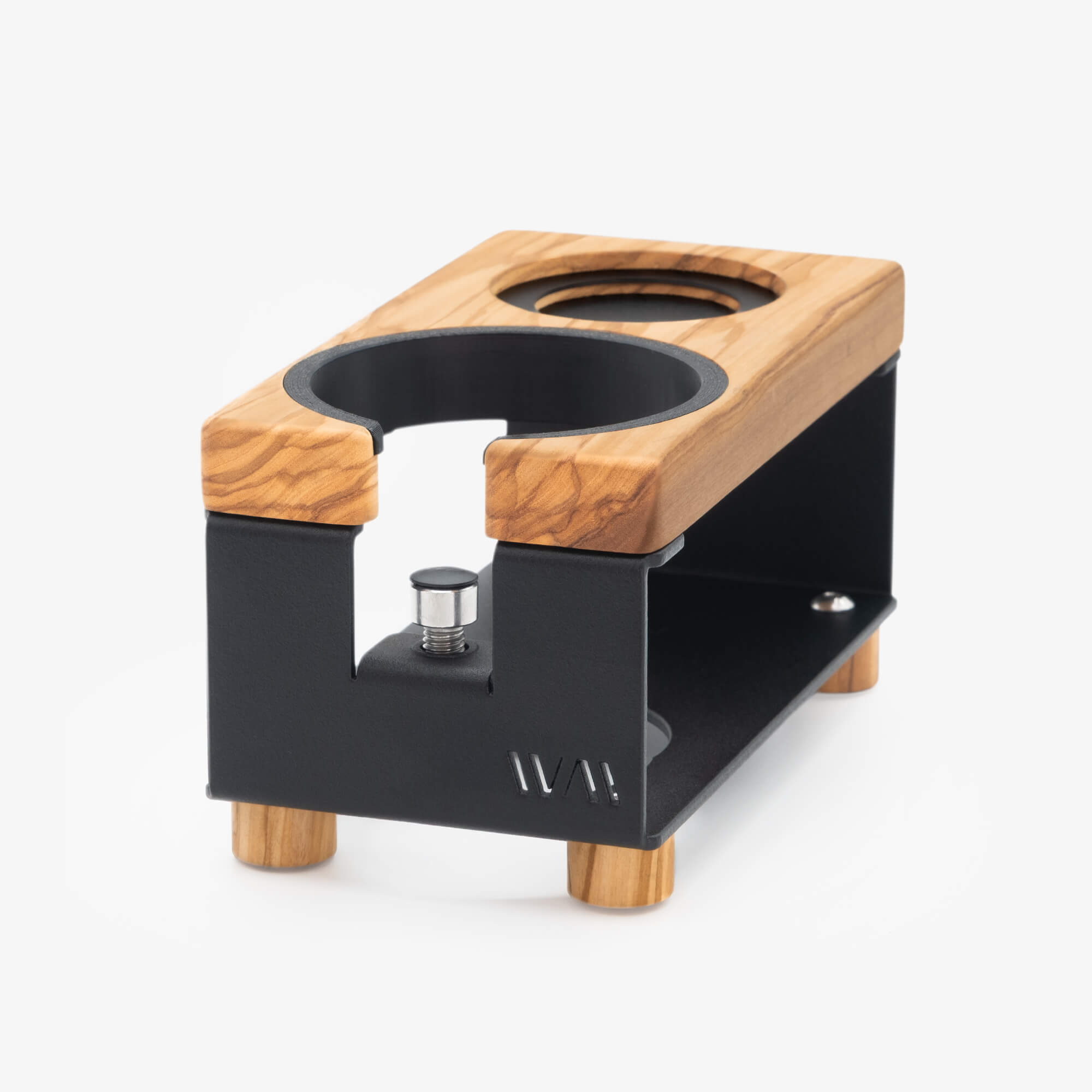
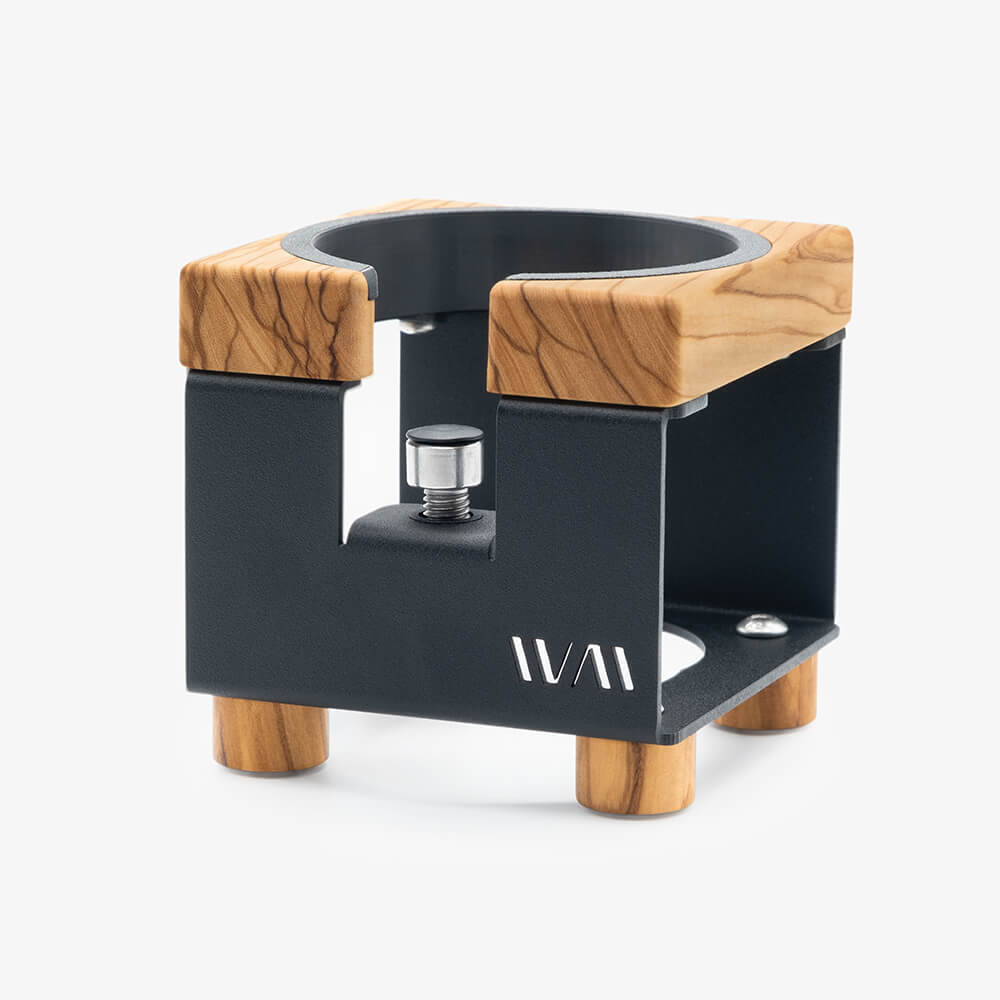
Upgrade for the Bezzera
The set is aimed at discerning home baristas and offices who want to enhance the look and functionality of their espresso machine – without making any technical modifications to the machine. The focus is on high-quality materials, precise workmanship, and timeless design.


If you have any questions, please feel free to contact us at any time. We will get back to you as soon as possible, within 24 hours on weekdays.
-
shipping info
We ship all products the same day if ordered before 1pm.
-
Support
We will also be there to support you and advise you after your purchase. If you have any questions about the product you purchased from us, please contact us.
-
contact
Email: hello@naturbohne.de
Phone: 07454 / 870 48 64
Frequently Asked Questions
I bought a new coffee grinder from Naturbohne and there are coffee residues in it.
Please note: Some manufacturers test their coffee grinders before shipping, which means that small coffee residues or bean residues can occasionally be found in the grinder. This procedure is used to test functionality and is considered a quality feature. Of course, we only sell new products - unless expressly stated otherwise.
Static charge – coffee grounds spray out from the side
With some coffee grinders, the ground coffee can become statically charged and spray out of the portafilter at the side. This means that not all of the ground coffee gets into the portafilter, which can lead to uneven extraction. Our recommendation: Use a dosing funnel to ensure that all of the ground coffee is precisely fed into the portafilter - for optimal espresso enjoyment.
What is dead space in coffee grinders?
Conventional coffee grinders often leave a so-called dead space in which coffee residues accumulate. These residues can not only affect the freshness, but also lead to old and fresh coffee grounds being mixed, which negatively affects the taste. In contrast, single dose grinders have a well-thought-out design that eliminates the dead space. Each portion is ground individually and precisely so that no residues are left behind - for a consistently pure and full-bodied coffee experience.
Which portafilter fits my espresso machine?
When choosing the right portafilter for your portafilter machine, it is important to know that each manufacturer develops its own brewing group - the most well-known is the Faema E61. However, this does not mean that any portafilter will fit without any problems. An incompatible portafilter can leak, which will have a direct negative impact on the quality of your espresso. We therefore recommend using either the portafilter originally supplied or one that is explicitly stated to be compatible with your machine. This will ensure that the pressure is optimally built up and the espresso is perfectly extracted.
Can I visit you or pick up the goods personally?
Yes, of course, you are welcome to come by and look at our products by appointment. We would be happy to advise you personally. The best thing to do is to send us an email with a few suggested appointment times.
We are located 5 minutes from the motorway between Stuttgart and Lake Constance on the edge of the Black Forest.
Important note, first use coffee grinders
Another little tip for the perfect start with your new mill:
You will get the best grinding result after you have ground about 1-2 kg of beans. It is best to use a few cheap beans so that the grinder can work optimally. And if you are wondering what you can do with the bean flour - it is perfect plant fertilizer! 🌿
It contains nitrogen, potassium, sulfur and phosphorus and is a real nutrient bomb for your plants.
Can you perform an offset calibration on my espresso machine?
There are several arguments against offset calibration in Lelit espresso machines, particularly for models like the Lelit Bianca. These primarily relate to the complexity and limitations of offset as a sole solution for temperature problems:
- Temperature Fluctuations and Instability. The offset assumes a constant difference between boiler temperature and brewing temperature. In practice, however, temperature fluctuations can occur, e.g., due to long idle times or continuous brewing. This means the actual brewing temperature is not always precisely predictable.
- Dependence on Environmental Conditions. Factors such as room temperature, humidity, and the machine's condition (e.g., heat-up time) significantly influence the brewing temperature. A fixed offset cannot dynamically compensate for these variables, which can lead to inaccurate results.
- Heat Loss During Idle Times. After longer breaks, the brew group cools down, and the machine needs time to reach the desired temperature again. A correctly set offset cannot compensate for this, which is why additional measures such as a "cooling flush" are necessary.
- Factory Miscalibrations. It has been observed in some Lelit models that the factory-set offset is often inaccurate (e.g., 4–8 degrees too low on the Lelit Bianca). This requires manual recalibration by specialist personnel, which can be complicated for end-users.
- Misunderstandings in Application. Many users are confused by conflicting information regarding offset settings, which can lead to maladjustments. For example, it is often expected that the offset alone will solve all temperature problems, even though it is only one part of a more complex system.
Conclusion
Offset calibration is a useful tool, but it should not be considered in isolation. A combination of precise PID control, regular maintenance, and adapted techniques (e.g., flushing) is necessary to achieve optimal brewing results.
Do you have any more questions?
contact
If you have any questions about our products, please write to us here or use the chat function.