

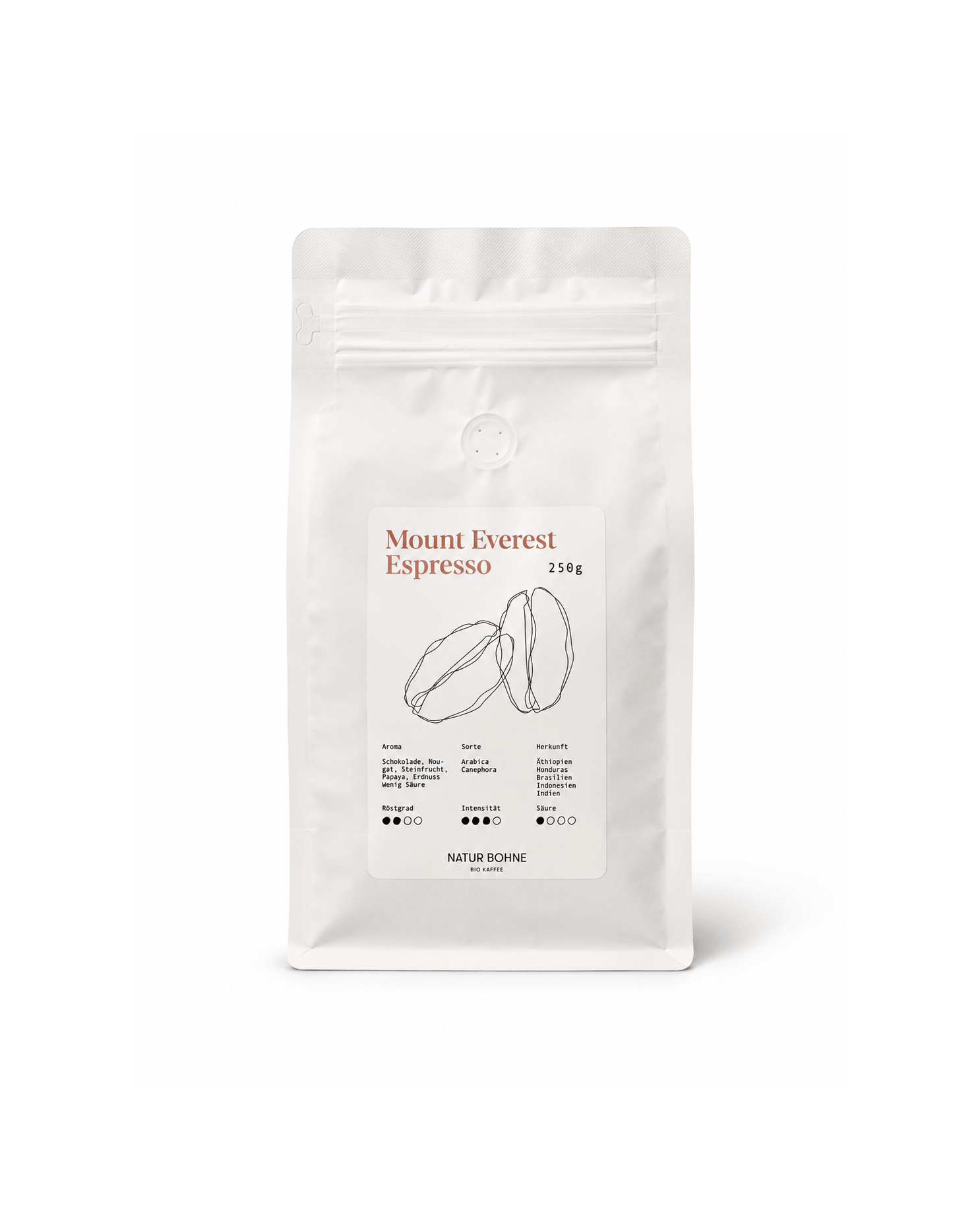

Mount Everest
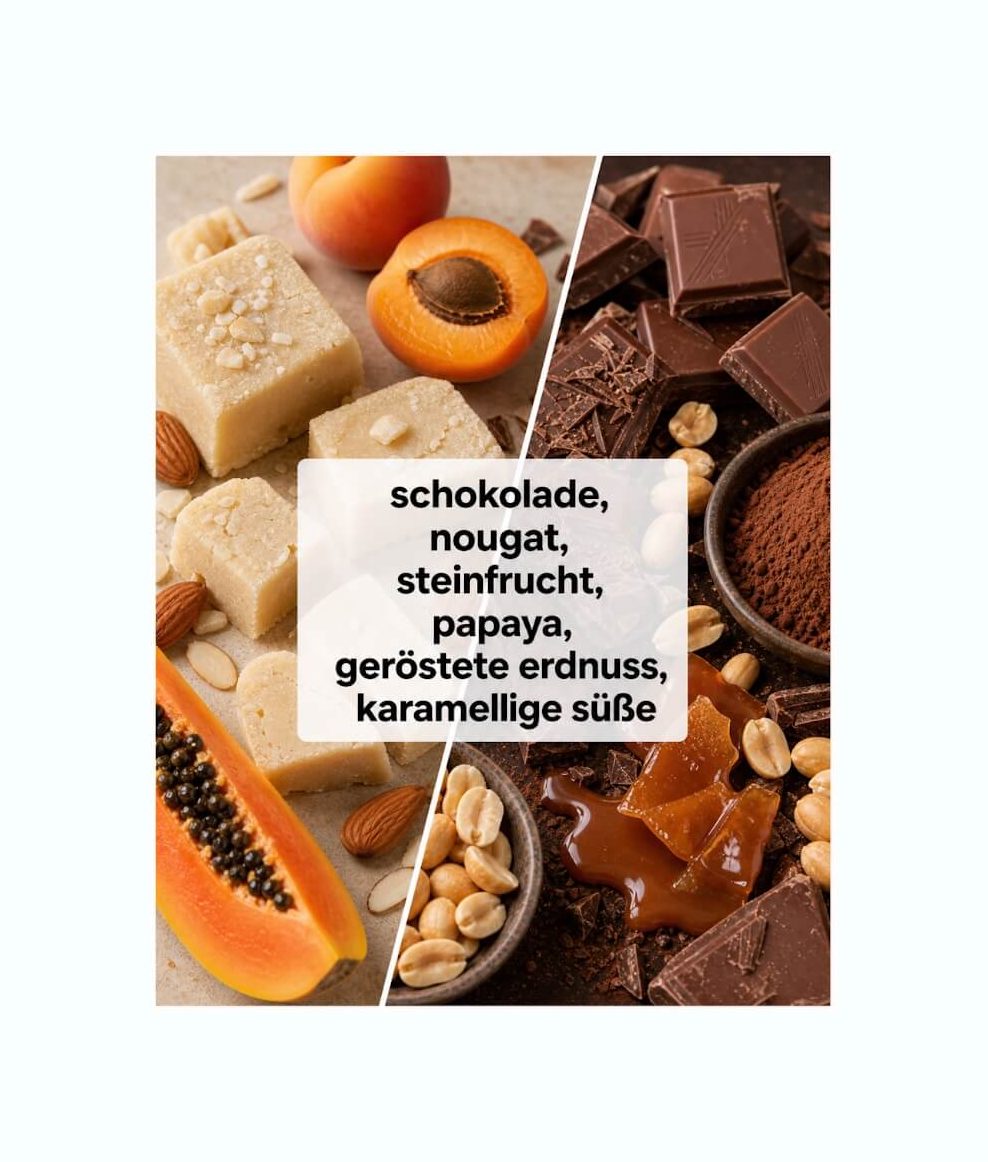
Mount Everest is our signature blend, made from beans sourced from five different regions—Brazil, Ethiopia, Honduras, Indonesia, and India. Medium roast, with notes of chocolate, nougat, stone fruit, and papaya. Low in acidity and rich in complexity, this blend is perfect for anyone looking for a coffee with depth and character.
incl. VAT excl. shipping costs .
🚚 Shipping within EU: 8 €
EU shipping costs, see shipping policy.
Taste & Details
Mount Everest


Bohnenprofil
Sorte
100% Arabica und Robusta
Röstlevel
Medium to strong
Anbaugebiet
Brasilien
Roter Catuai, Heirloom, IH-90, Parainema, Lempira, Typica, Catimor, Catuaí, Canephora
SCA Score
84
Anbauhöhe
800 – 1.200m
Was diesen Kaffee besonders macht
Mount Everest – Signature Blend from 5 Origins
Chocolate · Nougat · Stone fruit · Papaya – a medium-roast signature blend (84/100) from five origins: Brazil, Ethiopia, Honduras, Indonesia, and India. Low acidity, full-bodied, with a complex aroma. Perfect for anyone looking for depth and character in their cup.
Flavor & Uses
A layered blend: a chocolatey base from Brazil, nougat-like sweetness and a delicate crema from Indian Canephora, bright stone fruit and papaya notes from Ethiopia and Honduras, complemented by the syrupy depth of Indonesian Gayo. The medium roast allows all the components to shine through without burning the fruit or losing the chocolate. Ideal as an espresso, caffè crema, cappuccino, or flat white—in a portafilter, fully automatic machine, moka pot, or as a filter brew.
Why Mount Everest?
- Five origins from five countries—chocolate, nougat, fruit, and crema in one blend
- SCA 84/100 – an honest weighted score across all components
- Three certified organic varieties (Brazil, Ethiopia, Honduras)
- Low in acidity despite being medium-roasted – the chocolatey, nutty base takes center stage
- Versatile: works on any standard machine
- Transparent traceability down to the cooperative and farm level
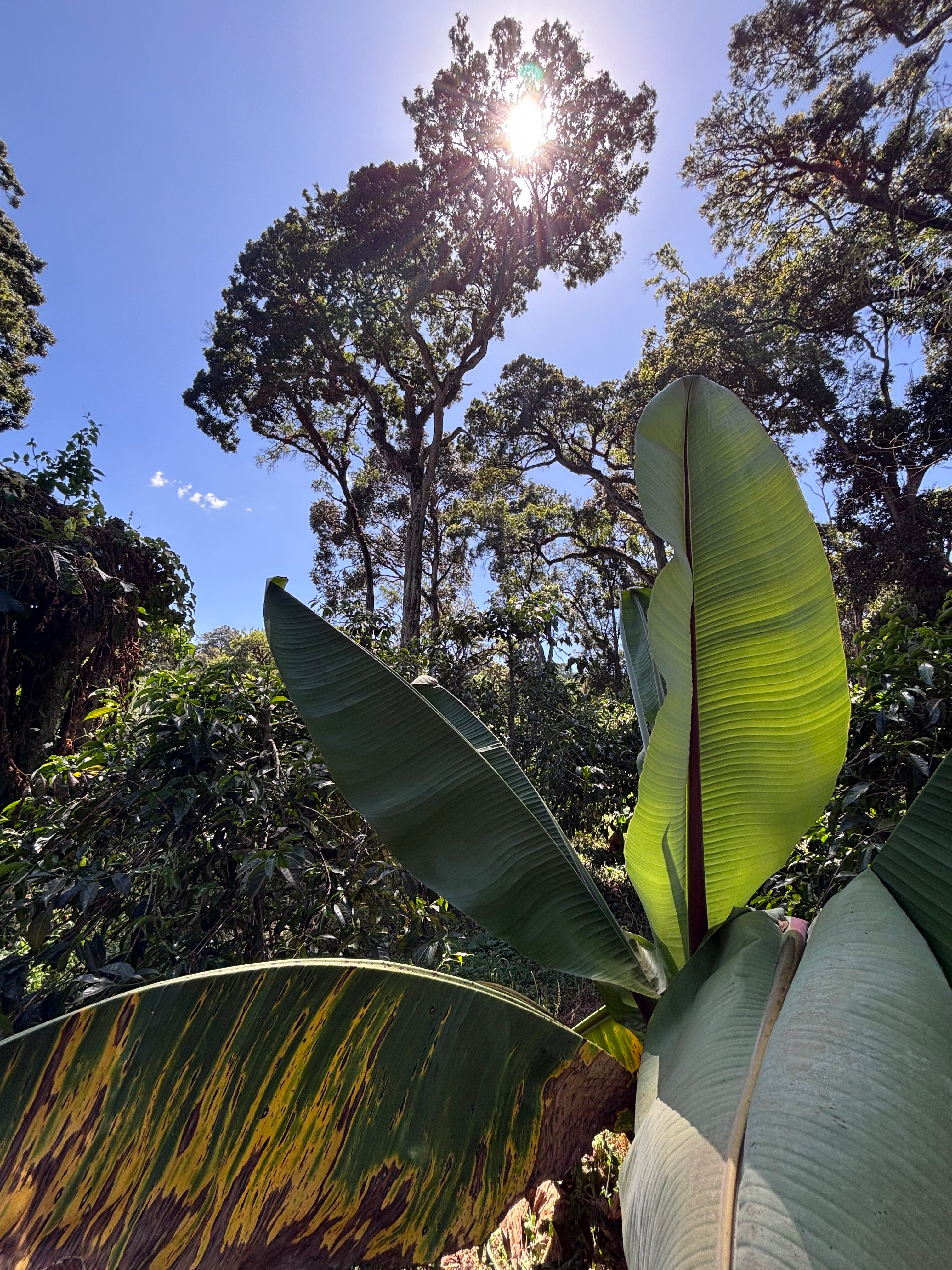
Die Menschen hinter dem Kaffee
 Altitude
800 – 1.200m
Altitude
800 – 1.200m
 Origin
Brasilien
Origin
Brasilien
 Varieties
Roter Catuai, Heirloom, IH-90, Parainema, Lempira, Typica, Catimor, Catuaí, Canephora
Varieties
Roter Catuai, Heirloom, IH-90, Parainema, Lempira, Typica, Catimor, Catuaí, Canephora
 Process
Natural, Washed, Semi-washed / Wet-hulled, Fully Washed
Process
Natural, Washed, Semi-washed / Wet-hulled, Fully Washed

Brazil · Matas de Minas · Legião Fazenda Dutra (30%)
A third-generation family business run by Ednilson and Walter Dutra. Founded in 1950 by José Dutra Sobrinho on just over one hectare—today, it spans more than 300 hectares of specialty and organic coffee.
- Type: Roter Catuai
- Preparation: Natural
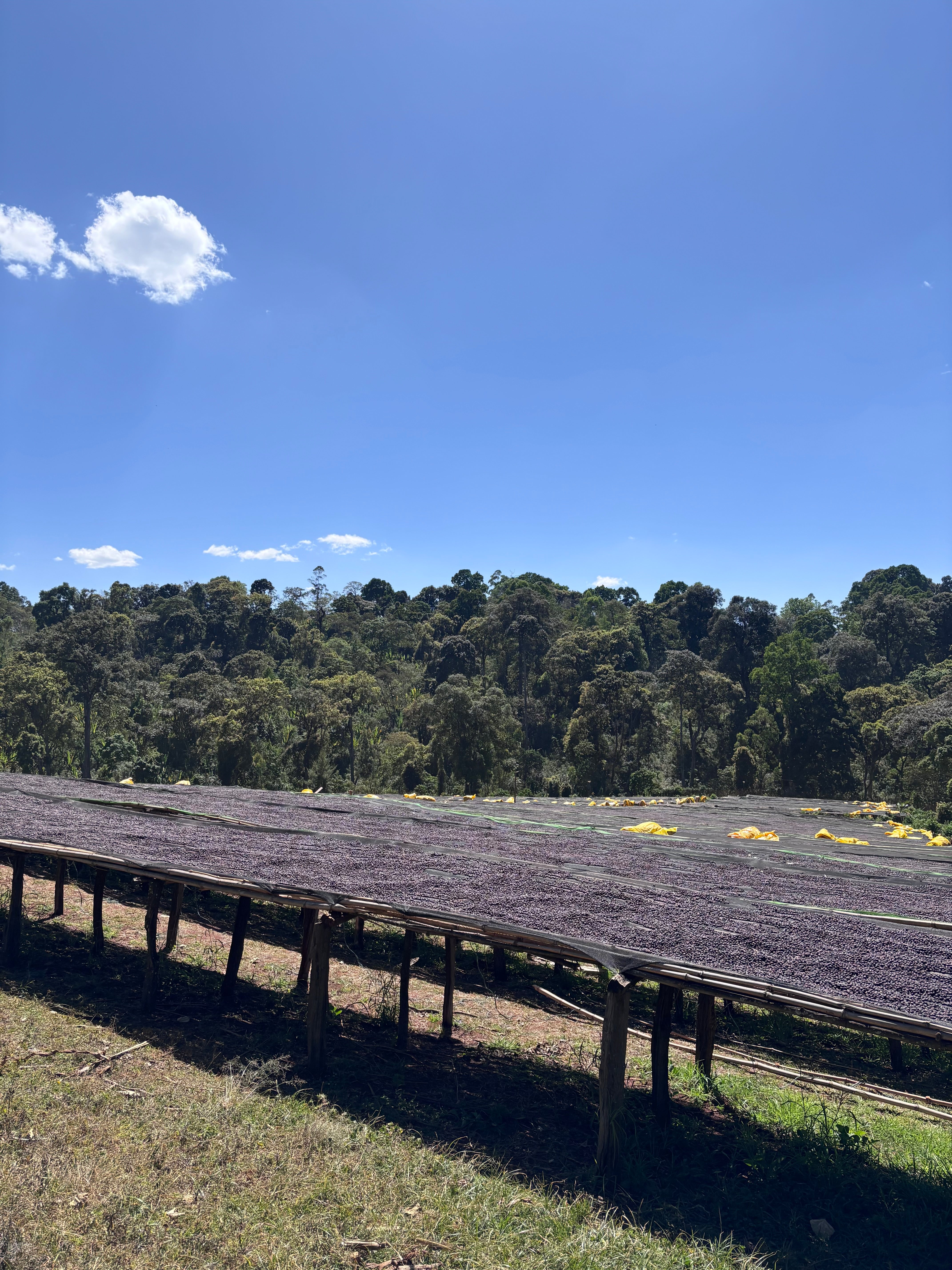
- Drying: Patios (sun-drying)
- Height: 1,250–1,400 m
- Harvest season: May through September
- Harvesting method: Manual
- Packaging: 60-kg polypropylene bags
- Charge: BTB24BRA381 · ICO 002/1790/0025
- Certification: EU-Bio
Laboratory-validated (BELCO):
- Density: 697 g/L
- Residual moisture: 11,1 %
- Water activity: 0.59 aw
- Screen: 16+ (33.4% aged 18, 33.6% aged 17, 23.0% aged 16)
- Primary defect: 0
- Secondary defect: 8
- BELCO Score: 82
- Aromatic Notes: Peanuts, Milk Chocolate, Cocoa, Dried Fruit
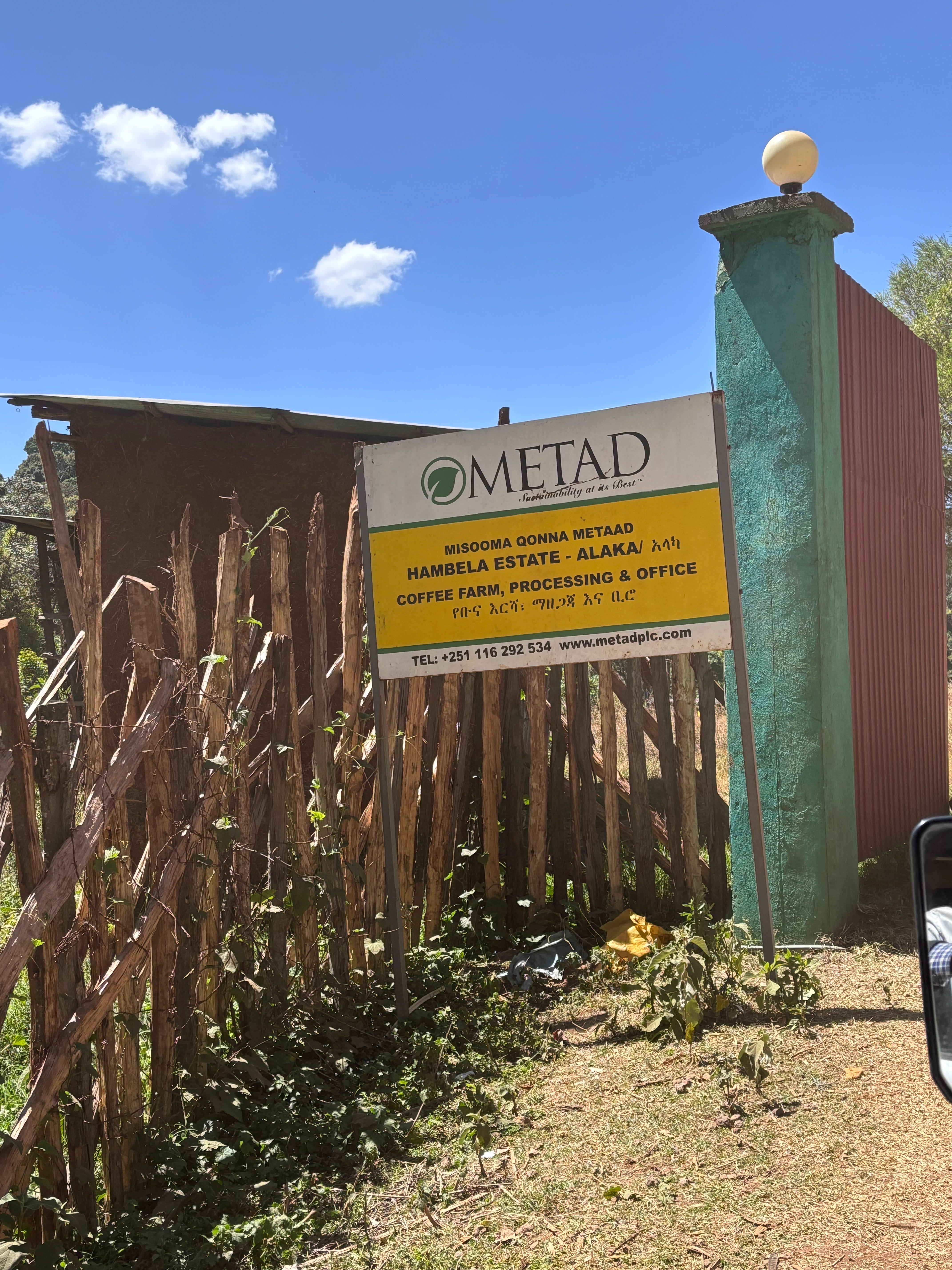
Ethiopia · Guji · Hambella · Goyo · Metad (20%)
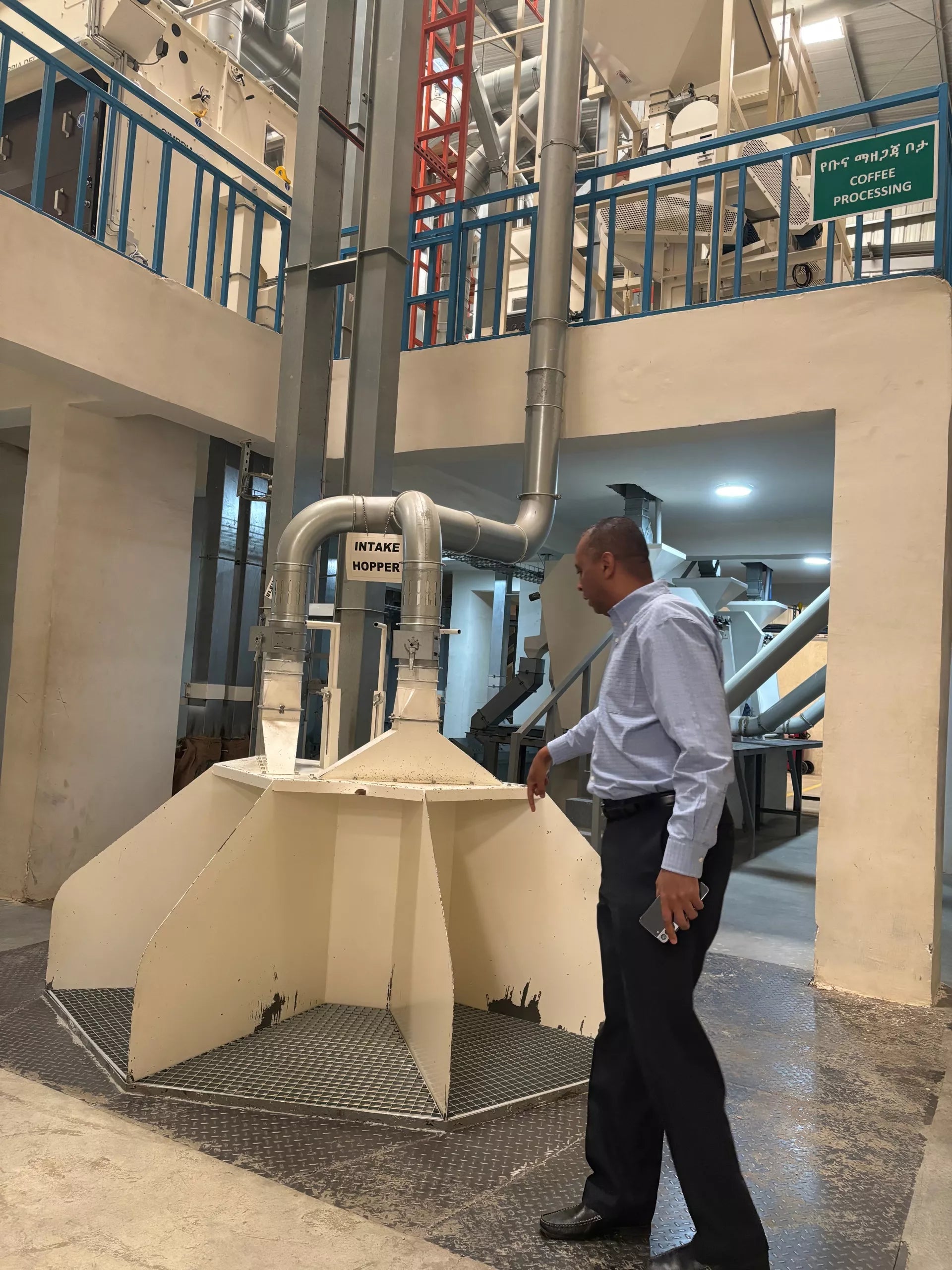
Goyo is a washing station operated by the Metad Group in the Guji region. Founded in 2010 by Aman Adinew, Metad works with approximately 15,000 smallholder farmers in the Hambella and Gedeb woredas. In the Tirtira Goyo kebele (Hambella woreda) alone, 150 producers supply their coffee cherries.
- Type: Heirloom (regional Ethiopian varieties)
- Preparation: Washed
- Drying: Dry beds
- Height: 2,100–2,200 m
- Harvest season: December through February
- Harvesting method: Manual
- Packaging: 60-kg jute bags
- Charge: BTB25ETH171 · ICO 010/0379/0011A
- Certification: EU-Bio
Laboratory-validated (BELCO):
- Density: 720 g/L
- Residual moisture: 9,4 %
- Water activity: 0.51 aw
- Screen: 14+ (30.8% at age 16, 42.0% at age 15, 17.2% at age 14)
- Primary defect: 0
- Secondary defect: 7
- BELCO Score: 86
- Aromatic Notes: Milk Chocolate, Stone Fruit, Tropical Fruit, Orange, Citrus Fruit
Honduras · La Paz · Santiago de Puringla · Puringla Cooperative (20%)
The Cooperativa Mixta de Café Orgánico y Especiales Puringla LTDA consists of 76 small-scale producers from 19 villages in the Montecillos mountain range. Headquarters: Barrio Las Brisas, Santiago de Puringla, La Paz. The region is located in the protected Marcala origin area—one of the most renowned specialty coffee regions in Central America. The cooperative specializes in organic and specialty coffee.
- Varieties: IH-90, Parainema, Lempira, Typica, Catimor, Catuaí
- Preparation: Washed
- Grade: SHG EP (Strictly High Grown, European Preparation)
- Height: 1,000–2,000 m
- Crop: 2025/26
- Packaging: 69 kg GrainPro
- Defects: 8
- Certification: EU-Bio
- Regional context: Marcala Coffee Designation of Origin
Indonesia · Aceh · Gayo Highlands (20%)
Gayo refers to the highlands in the North Sumatran province of Aceh. The Protected Geographical Indication “Kopi Arabika Gayo” covers the districts of Aceh Tengah, Bener Meriah, and Gayo Lues. Mandheling is the historical trade name for high-quality coffees from North Sumatra.
- Type: Arabica (Gayo-type varieties)
- Preparation: Semi-washed / Wet-hulled
- Height: 900–1,700 m
- Cultivation: Smallholder farming systems, agroforestry
The wet-hulled method is typical of Sumatra: the parchment is removed while the bean is still moist. This is precisely what defines its sensory profile, characterized by a syrupy depth, earthy notes, and a full body.
If · Kerala (10%)
Canephora (Robusta) from southern India, grown at altitudes of 800 meters or higher under shade trees. These conditions are atypical for Robusta and a mark of quality—high-altitude Canephora matures more slowly, has a denser bean, and exhibits less of the sharp bitterness typically associated with low-altitude Robusta.
- Type: Canephora (Robusta)
- Preparation: Fully Washed
- Height: at 800 m and above
- Cultivation: Under the shade of trees
These values are not marketing figures—they are based on physical and sensory analyses of the delivered batches.
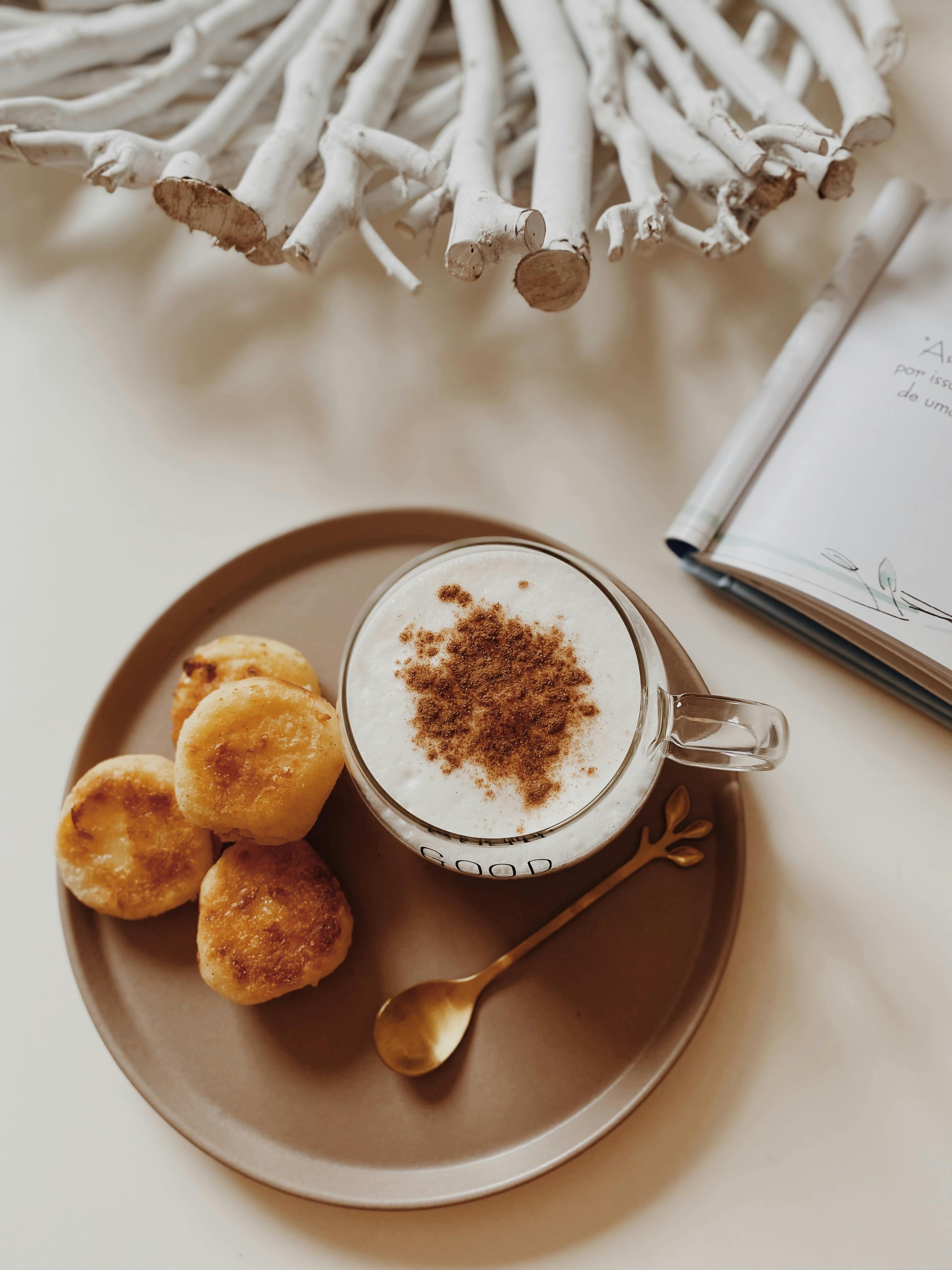
Flavor profile
- Flavors: Chocolate · Nougat · Stone fruit · Papaya
- Beans: 90 % Arabica & 10 % Canephora – Natural, Washed, Wet-hulled
- Voting percentage: Medium – slightly matte to subtly glossy
- Acid: light, soft-bound
- Body: rich, balanced
- Cream: dense, hazelnut brown
- Tasting Score: 84/100
Sustainability & Fairness
Mount Everest brings together five origins—each with its own story. From Brazil comes the Dutra family (Legião Fazenda Dutra, Matas de Minas); from Ethiopia, the Goyo lot from the Metad washing station in Guji-Hambella; from Honduras, the Cooperativa Puringla with 76 small-scale producers in the Montecillos mountain range; from Indonesia, Gayo Arabica from the highlands of Aceh; and from India, highland Canephora from Kerala. Three of the five components are certified organic, and all come from long-term sourcing partnerships with transparent supply chains—rather than anonymous industrial-scale products.

Geeignet für Espresso Recipe 17g / 25 / 36
Información sobre el fabricante
The perfect extraction
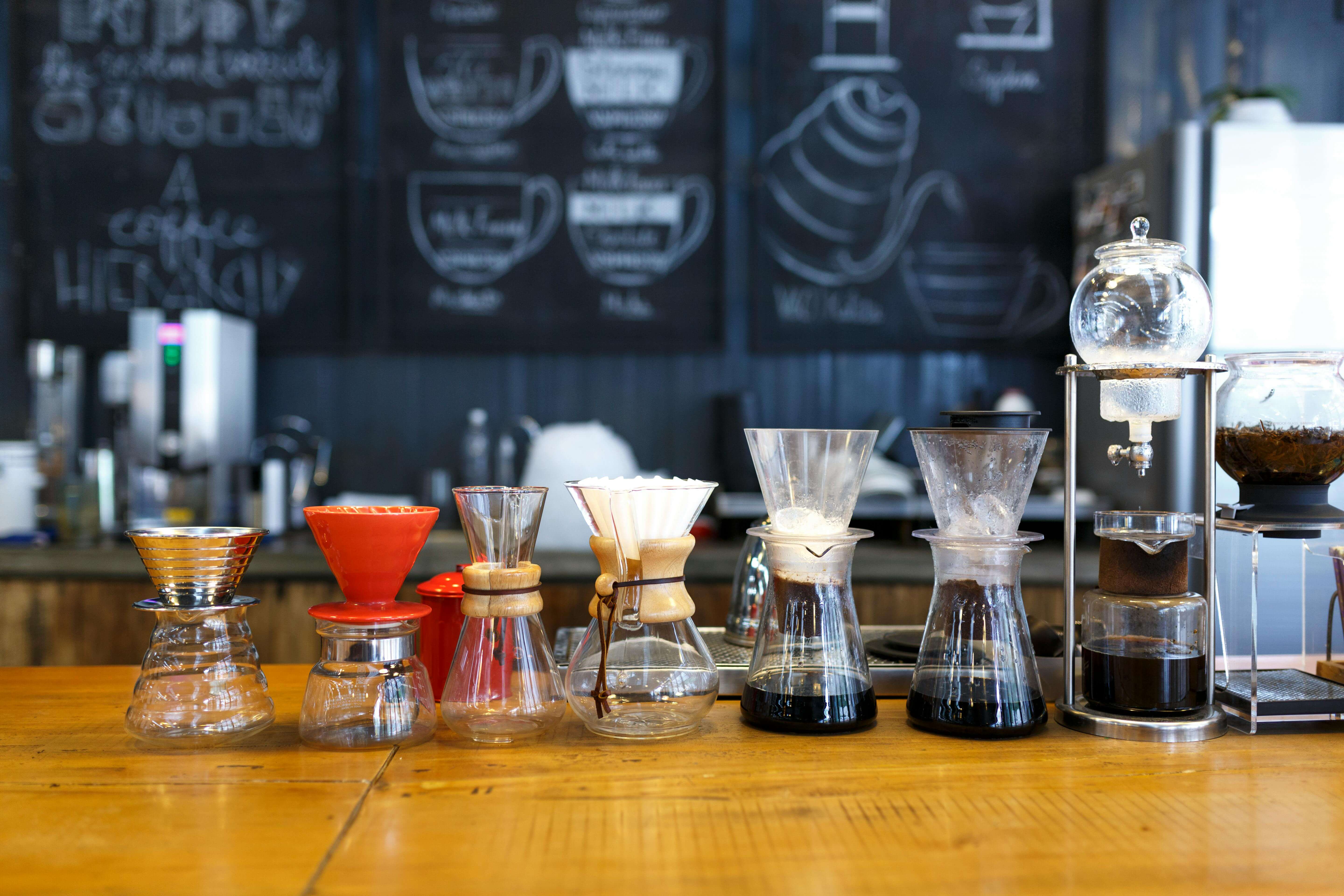
Preparation recommendation
Our Omiroast are the ultimate all-rounders in our range - intense in taste and aromatic right down to the last note. So that you can exploit the full potential of our beans, we have put together a few preparation recommendations here.
Portafilter
Grinding level: Fine (depending on the grinder)
Recipe: Double Shot
- Use 16-20 g of freshly ground beans depending on the sieve.
- Use the DWT tool (Dosing & Weighing Technique) to slightly loosen the coffee beans before tamping. This ensures an even extraction.
- Tamp the coffee evenly and firmly into the portafilter.
- Make a double espresso (approx. 25-30 seconds extraction time).
- For our Omniroast, we recommend a brew ratio of around 1:5 to 1:2.5. This means that if you use 18 grams of ground coffee, for example, you should have around 36 to 45 grams of espresso in your cup. This ratio ensures a balanced extraction of the aromas, bringing out the full flavor of your high-quality beans.
- Enjoy it pure or as a base for your milk drink.
Moka pot
Grinding level: medium-fine (depending on the grinder)
Recipe:
- Fill the lower boiler with water up to the safety valve.
- Use 15-18 g of ground coffee in the sieve.
- Assemble the pot and place it on the stove over medium heat.
- When the coffee starts to fizz and rise, remove the pot from the stove and let the coffee rest for a moment.
filter coffee
Our Omni Roasts are also perfect for those who love the full, balanced aroma of the beans and want to make a filter coffee from them. With these preparation instructions, every cup will be a moment of enjoyment!
1. V60 (Pour Over)
Grinding level: Medium (depending on the grinder)
Recipe:
- Use 25 g of coffee to 400 ml of hot water (approx. 92-95 °C). Perfect with 92°C
- Wet the filter and pour the water out.
- Start with a “bloom” – first pour 50 ml of water and wait 30 seconds.
- Then pour in the remaining water slowly and evenly in circular movements.
AeroPress
Grinding level: medium to fine (depending on the grinder)
Recipe:
- Use 15-18 g of coffee and 240 ml of hot water (approx. 90-95 °C). Perfect with 92°C
- Pour the water over the coffee and stir briefly. Wait 30 seconds. Then pour in the first of the water.
- Put the plunger on and press slowly for 30 seconds to 1 minute so that you reach a total time of max 1:30 minutes.
Organic packaging made from renewable raw materials
Our coffee beans come in sustainable packaging – developed for optimal protection and maximum environmental friendliness.
The advantages of our packaging at a glance:
- Laboratory-tested protection:
Protects reliably against external influences, ideal for high UV protection requirements.
- Bio-based PLA film:
Made from renewable raw materials (e.g. sugar cane or corn starch) – reduces the use of petroleum-based plastic and lowers CO₂ emissions.
- Food safe & EU production:
Highest quality standards thanks to European manufacturing.
- Certifications:
With "OK biobased" seal and FSC®-certified paper for sustainable commitment.
- Resealable and with aroma valve
Our valve protects your coffee beans from oxygen, moisture and foreign odors - so the full bouquet is preserved. Despite being sealed once for hygienic reasons, the packaging can be easily resealed at any time. This means you can fully enjoy your fresh coffee aroma at any time.
Our packaging not only optimally protects the coffee beans, but also contributes to conserving resources and reducing CO₂.
If you have any questions, please feel free to contact us at any time. We will get back to you as soon as possible, within 24 hours on weekdays.
-
Shipping info
We ship our coffee beans the same day if you order before 1pm.
-
Soporte
We will also be there to support you and advise you after your purchase. If you have any questions about the product you purchased from us, please contact us.
-
Contact
Email: hello@naturbohne.de
Teléfono: 07454 / 870 48 64 -
Suscripción de café
La suscripción de café de Naturbohne
Mantén el control total sobre tus suscripciones
Salta, pospone, edita o cancela entregas en cualquier momento, según tus necesidades.
Do you have any more questions?
Contact
If you have any questions about our products, please write to us here or use the chat function.