Was unterscheidet die Eureka Mignon Silenzio 55 15BL+++Austellungsstück+++ von der Eureka Mignon Single Dose?
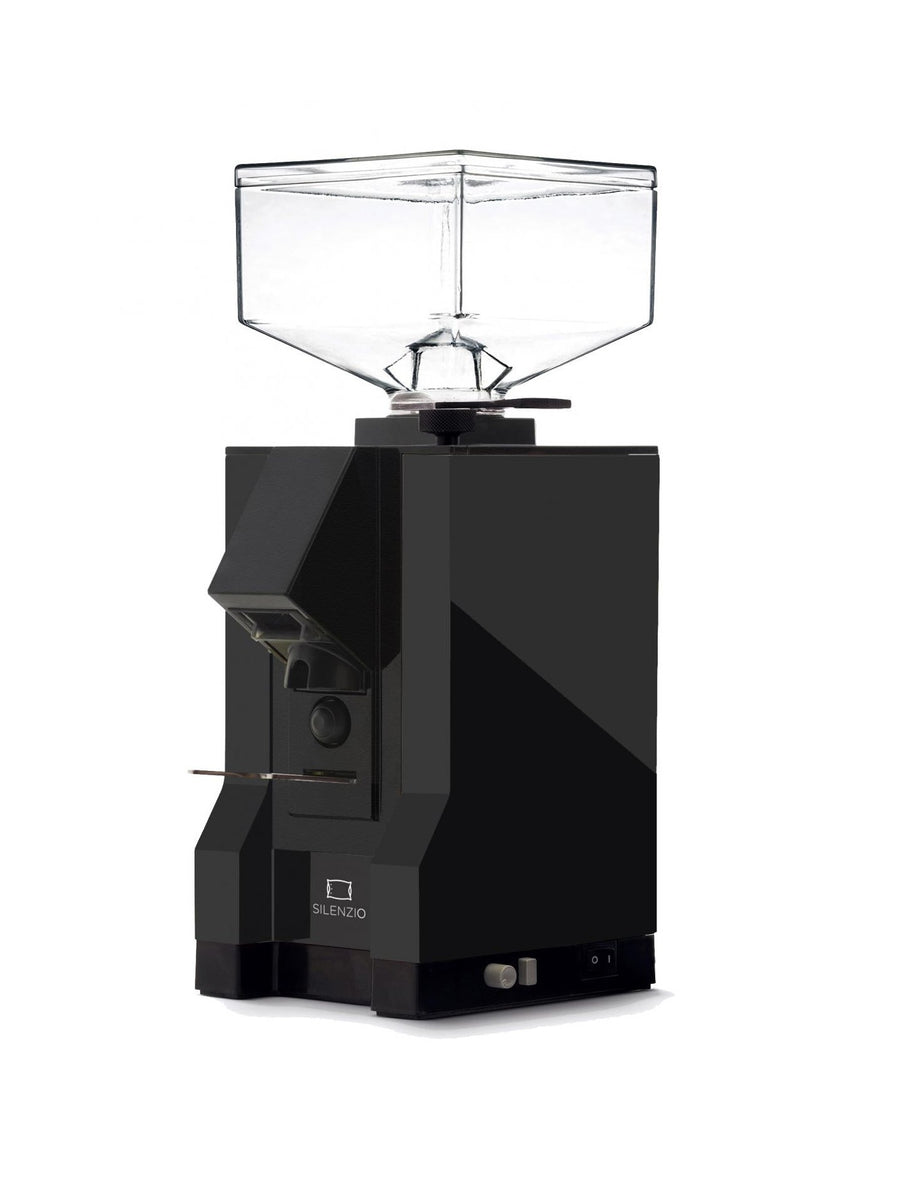
Die Eureka Mignon Silenzio 55 15BL+++Austellungsstück+++ und die Eureka Mignon Single Dose unterscheiden sich hauptsächlich in ihrer Bauweise und Nutzungsspezifikationen. Die Silenzio ist mit der Silent Technology ausgestattet, die eine Geräuschreduktion um ca. 20 dB im Vergleich zu herkömmlichen Mühlen ermöglicht, was sie besonders leise im Betrieb macht. Im Gegensatz dazu ist die Mignon Single Dose darauf optimiert, eine präzise Dosierung für die Zubereitung einzelner Portionen zu gewährleisten und bietet spezielle Merkmale für diese Anwendung.
Should I buy the Eureka Mignon Silenzio 55 15BL or the Eureka Mignon Oro XL?
If you value quiet grinding, the Eureka Mignon Silenzio 55 15BL with its Silent Technology is a good choice. The Mignon Oro XL features larger 65-mm grinding discs, which provide a higher throughput and is suitable for more intensive use, but it is louder. For everyday use, I recommend the Silenzio due to its pleasant volume.
Is the Eureka Mignon Silenzio 55 15BL+++exhibition piece+++ suitable for filter coffee?
The Mignon Silenzio 55 is specifically designed for espresso. It is only partially suitable for filter coffee, as the grind size can be adjusted infinitely, but the result is often not optimal for filter coffee.
55-mm-Scheiben gehärteter Stahl, wie sieht's mit Retention und Fines-Anteil aus?
Retention liegt laut Eureka-Angaben bei anderen Mignon-Modellen mit ähnlichem Aufbau bei circa ±0,2 g Dosier-Konsistenz. Kein Blow-Up-System wie bei der Single Dose, also bleibt etwas Mahlgut im Auswurfkanal hängen. Fines-Anteil ist typisch für gehärtete Flachscheiben dieser Größe, nicht auf Diamond-Inside-Niveau wie bei der Mignon XL, aber brauchbar für Espresso. Für Specialty-Shots mit sehr sauberer Extraktion würde ich eher zur XL mit 65-mm-Diamond-Scheiben greifen. Hier bekommst du solide Home-Barista-Qualität.
Wie laut ist die Silenzio wirklich, kann ich die morgens um 6 Uhr laufen lassen?
Eureka gibt für die Silent Technology circa 20 dB Reduktion gegenüber konventionellen Mühlen an. Bei der Mignon Zero mit gleichem System werden 64,5 dB genannt, die Silenzio liegt vermutlich ähnlich. Das ist Gesprächslautstärke, nicht flüsterleise. Zum Vergleich: ohne Silent Technology wärst du bei 80+ dB. Für frühe Morgenstunden in Mietwohnung mit dünnen Wänden noch hörbar, aber deutlich weniger nervig als eine EK43 oder alte Mazzer. Wenn du absolute Ruhe brauchst, wäre die Single Dose mit ACE-System die bessere Wahl.
Welche Mahlscheibengröße hat die Silenzio 55 und wie wirkt sich das auf die Partikelverteilung bei Filterkaffe aus?
55 mm gehärteter Stahl. Eureka hat die Scheibengeometrie primär für Espresso optimiert, das merkst du beim Filterkaffee. Im groben Mahlgrad produziert die Mühle mehr Feinanteil als eine dedizierte Filter-Mühle, was die Extraktion weniger clean macht. Die Mignon Zero All Purpose mit ebenfalls 55 mm oder die Mignon XL mit 65 mm Pure Diamond liefern im Filterbereich ein klareres Ergebnis. Für dich als Specialty-Enthusiast heißt das: Silenzio 55 ist stark im Espresso, aber nicht die erste Wahl wenn du regelmäßig zwischen Espresso und V60 wechselst.
Wie laut ist die Silenzio 55 tatsächlich und was bedeutet das für den Workflow zu Hause?
Eureka gibt an: circa 20 dB leiser als konventionelle Mühlen durch die Silent Technology, das entspricht laut Herstellerdaten etwa 60 dB. Zum Vergleich: normale Espressomühlen liegen bei 75–80 dB. Praktisch heißt das: du kannst morgens mahlen ohne andere zu wecken. Die Anti-Vibrations-Lösung dämpft das Geräusch mechanisch, nicht nur akustisch. Für Specialty-Workflows mit mehreren Shots hintereinander ist das ein echter Vorteil, du konzentrierst dich auf Extraktion statt auf Lärmbelastung.
Wie laut ist die Mühle wirklich im laufenden Betrieb?
Die Silent Technology reduziert den Lärm um etwa 20 dB im Vergleich zu Standard-Mühlen, das liegt laut Eureka-Datenblatt bei rund 60 dB. Zum Vergleich: normale Unterhaltung im Café. Für offene Theken ist das ein echter Vorteil, weil Gäste nicht bei jedem Bezug zusammenzucken. Die Anti-Vibrationslösung dämpft das Mahlgeräusch merklich, ersetzt aber keine schalldichte Kapsel. In der Praxis bedeutet das: du kannst während des Mahlens noch entspannt mit Kunden reden.
Kann ich Mahlscheiben und Verschleißteile nachkaufen wenn was kaputt geht?
Ja, Eureka-Ersatzteile sind über Fachhändler verfügbar. Die Silenzio nutzt das High-Speed-Mahlwerk-System, du kannst Mahlscheiben mit 9 Schrauben selbst tauschen, ohne die ganze Mühle einzuschicken. Das spart Ausfallzeit. Typische Verschleißteile wie Schalter, Federn oder Dichtungen bekommst du auch einzeln. Seit Juni 2025 ist REPA Global Master Distributor für Eureka-Ersatzteile, die Verfügbarkeit sollte also stabil sein. Für den Gastro-Alltag wichtig: du kannst die Mühle im Fehlerfall selbst reparieren.
Ist ein technisches Datenblatt mit vollständigen Spezifikationen für die Mignon Silenzio 55 15BL verfügbar?
Ja. Die Silenzio 55 nutzt ein 55-mm-Scheibenmahlwerk aus gehärtetem Stahl, 1650 U/min Drehzahl, Mengendosierung per Timer. Breite 12 cm, Tiefe 18 cm, Höhe 35 cm. Silent Technology reduziert Lautstärke um ca. 20 dB gegenüber konventionellen Mühlen. Das Gerät ist ein Ausstellungsstück mit 2 Jahren Herstellergarantie, technisch einwandfrei. Detaillierte Specs im offiziellen Eureka-Handbuch. Bei Bedarf senden wir dir das PDF zu.










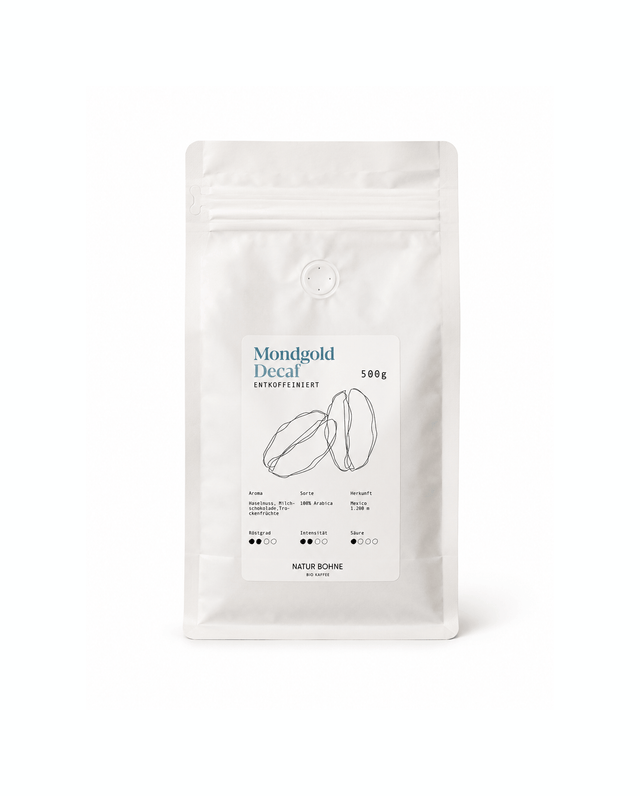 Mondgold Decaf, decaffeinated organic coffee from Chiapas